A well-trodden path by many, and a gift to me in many senses of the word.
I was lucky enough to partake in the Pilgrimage to Santiago de Compostela across Spain along the French Path with my Mother. This was an 800 km (or 500 mi) journey from the tip of France, through the Basque Country, and past much of the upper part of Spain, culminating in our arrival, pilgrim’s passport in hand to St. James’s Cathedral, where we would receive our Compostela of Completion. It had been a dream of mine since high school (Around 2016 or so?), having heard about it in Spanish Class as we discussed Basque Culture, and it slipped into casual conversation one day while debriefing with my mother, to which she replied, “We’ll go eventually.”, and left it at that. Come 2018 and graduation from High School, I was essentially left with virtually no time before being shunted off to Texas for Freshman Orientation Week with the Corps of Cadets, so no dice then. Each summer in undergrad I was either working or in Summer College, and upon Undergraduate graduation, I was nearly immediately on my way to Michigan for Grad School. It wasn’t until the middle of my final year that I was told we were going and to purchase some hiking shoes. No stranger to walking long distances (as my friends and family can attest), the training was none too dissimilar to my usual walks. I crossed the stage on May 4th 2024, and was given 2 weeks to bask in post-graduation glory before we would be hopping on a plane from Florida to Atlanta, Atlanta to New York, and New York to Paris to begin our walk.
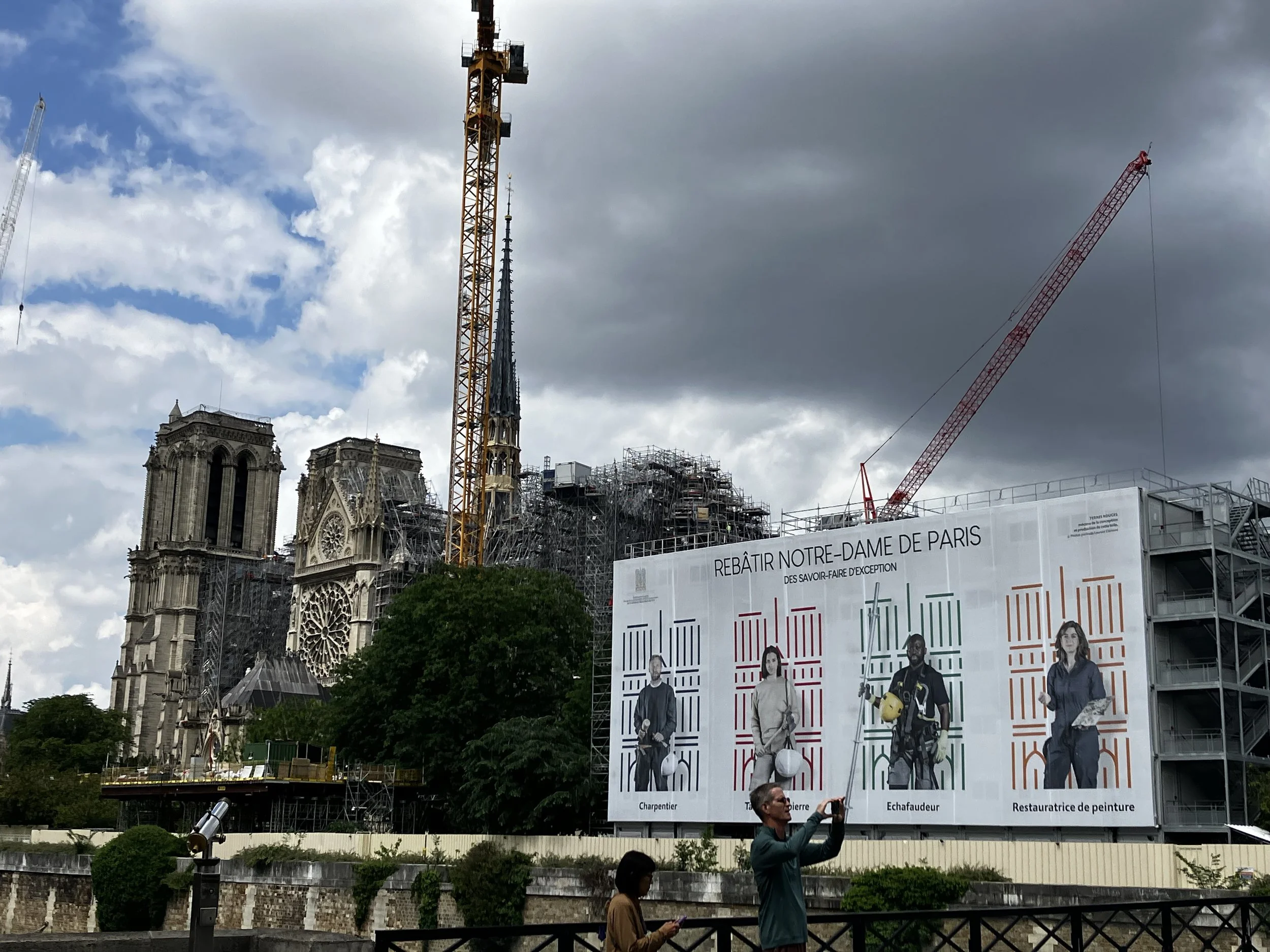
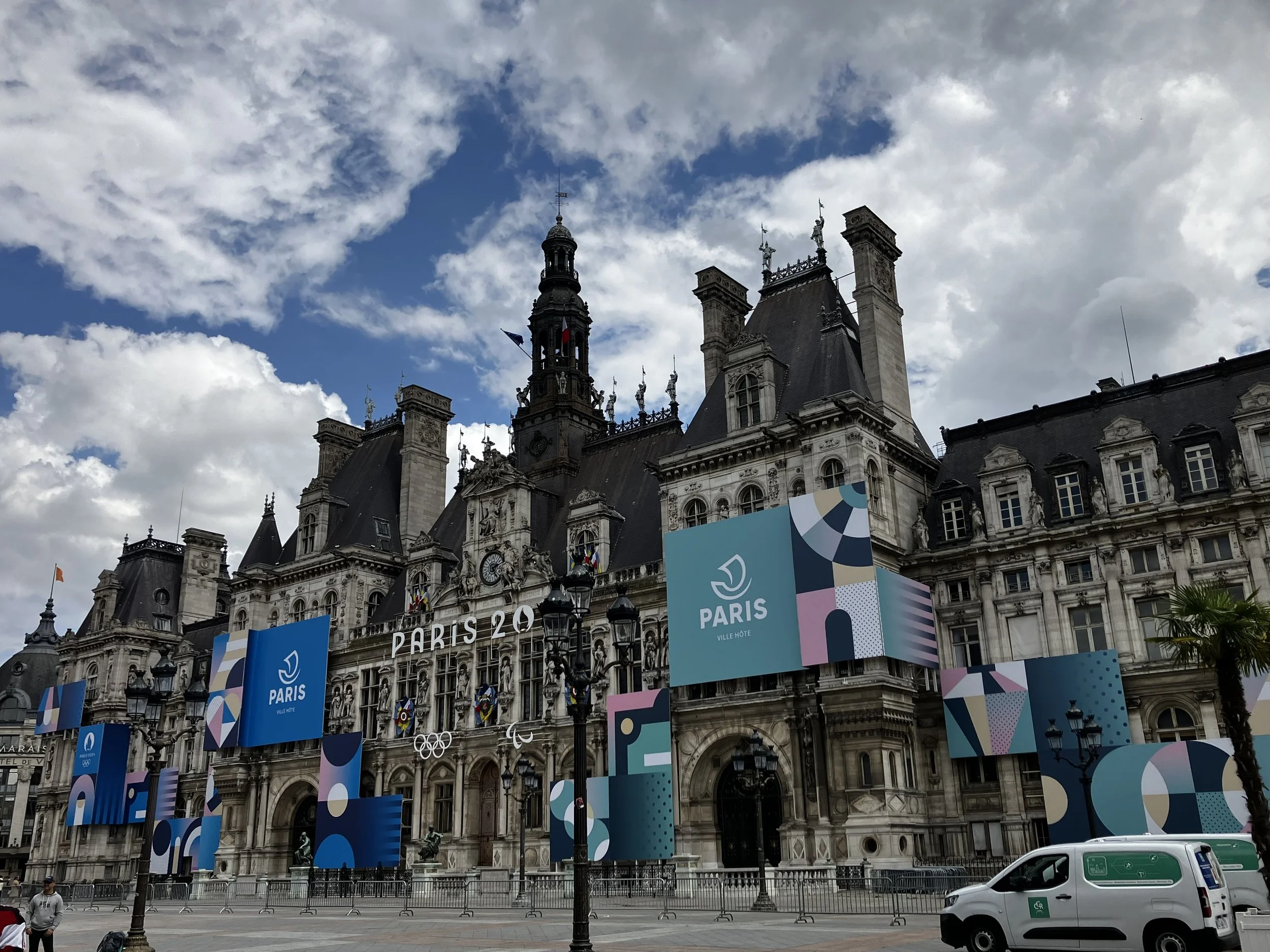
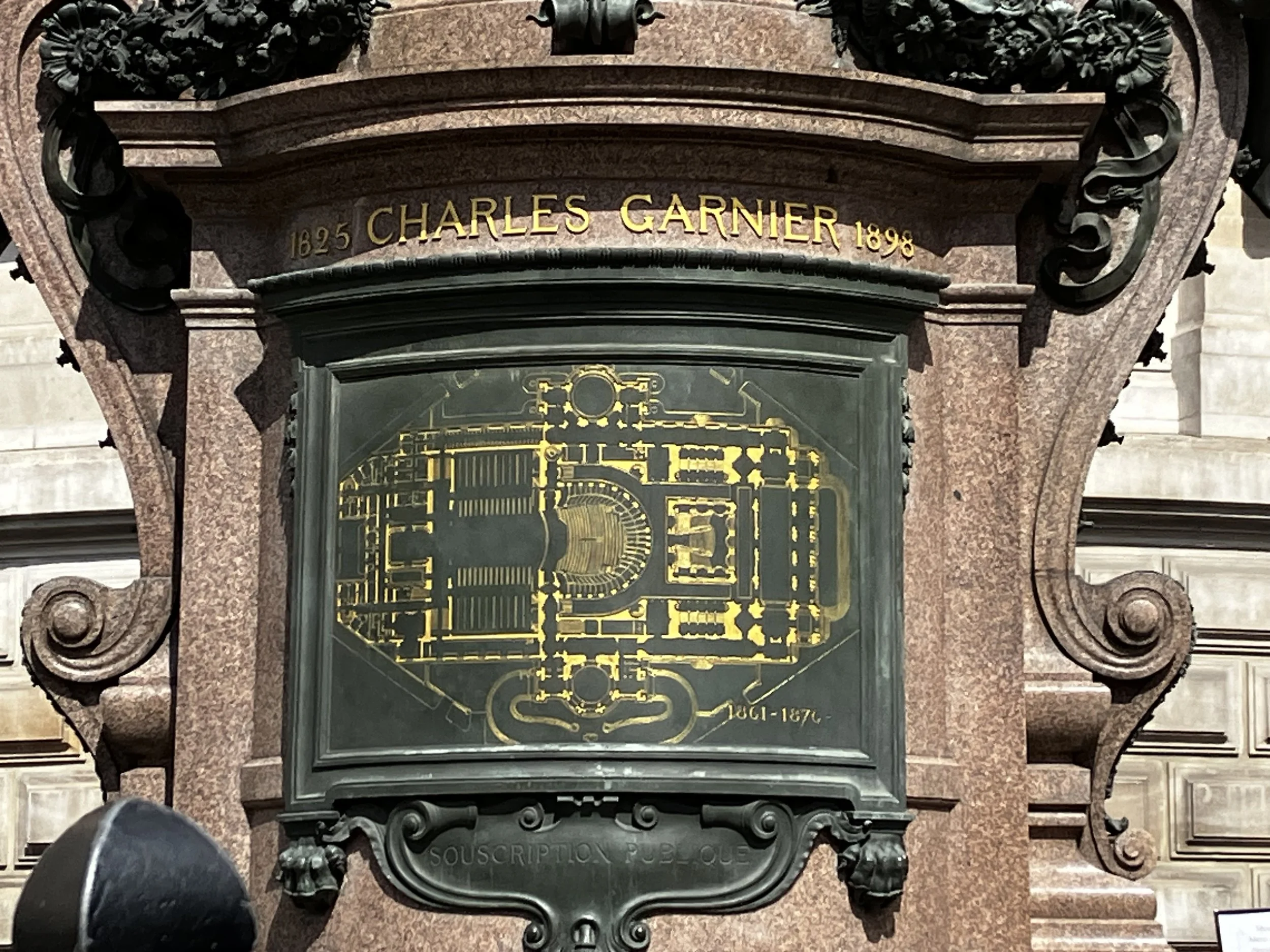
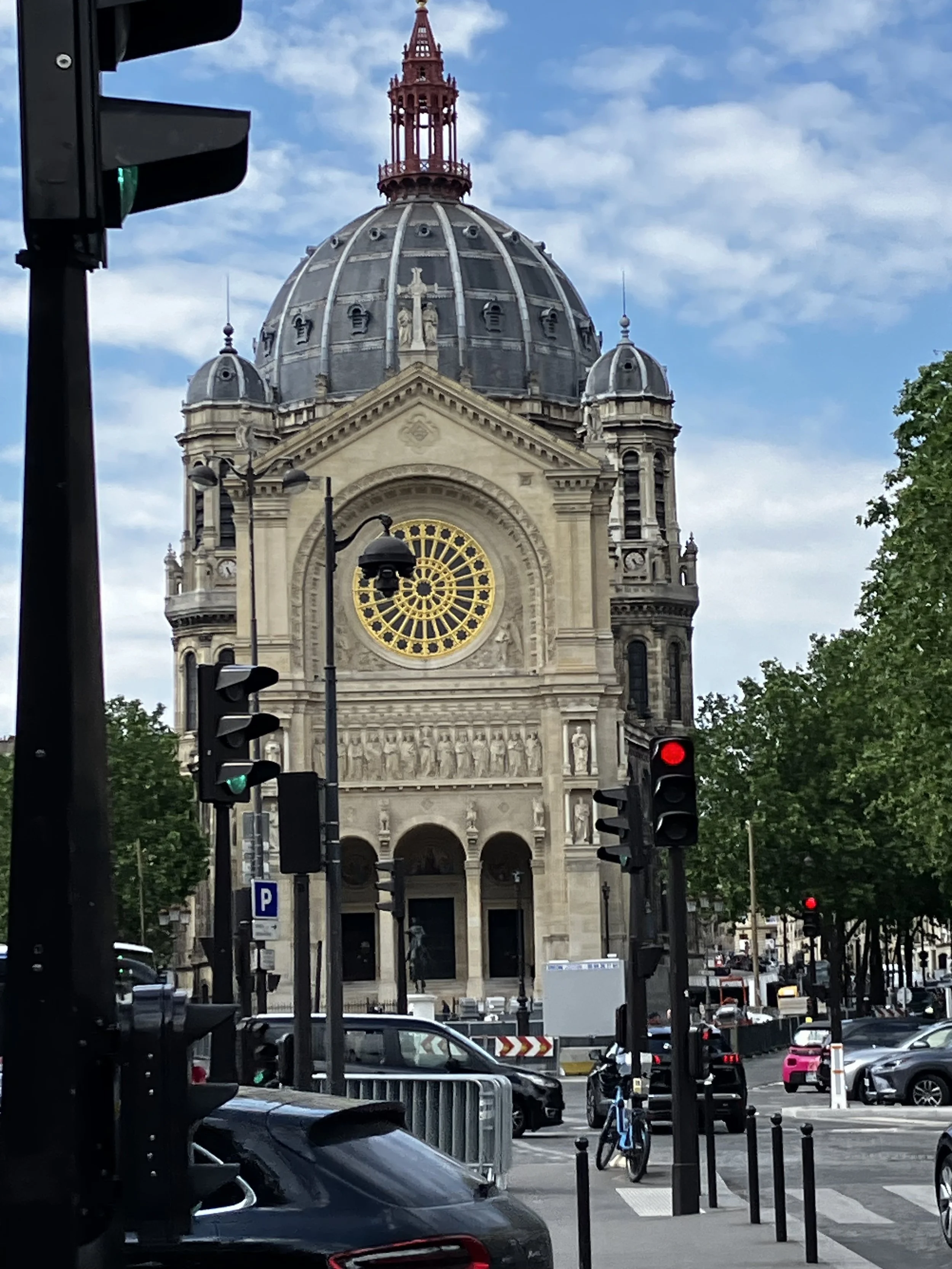
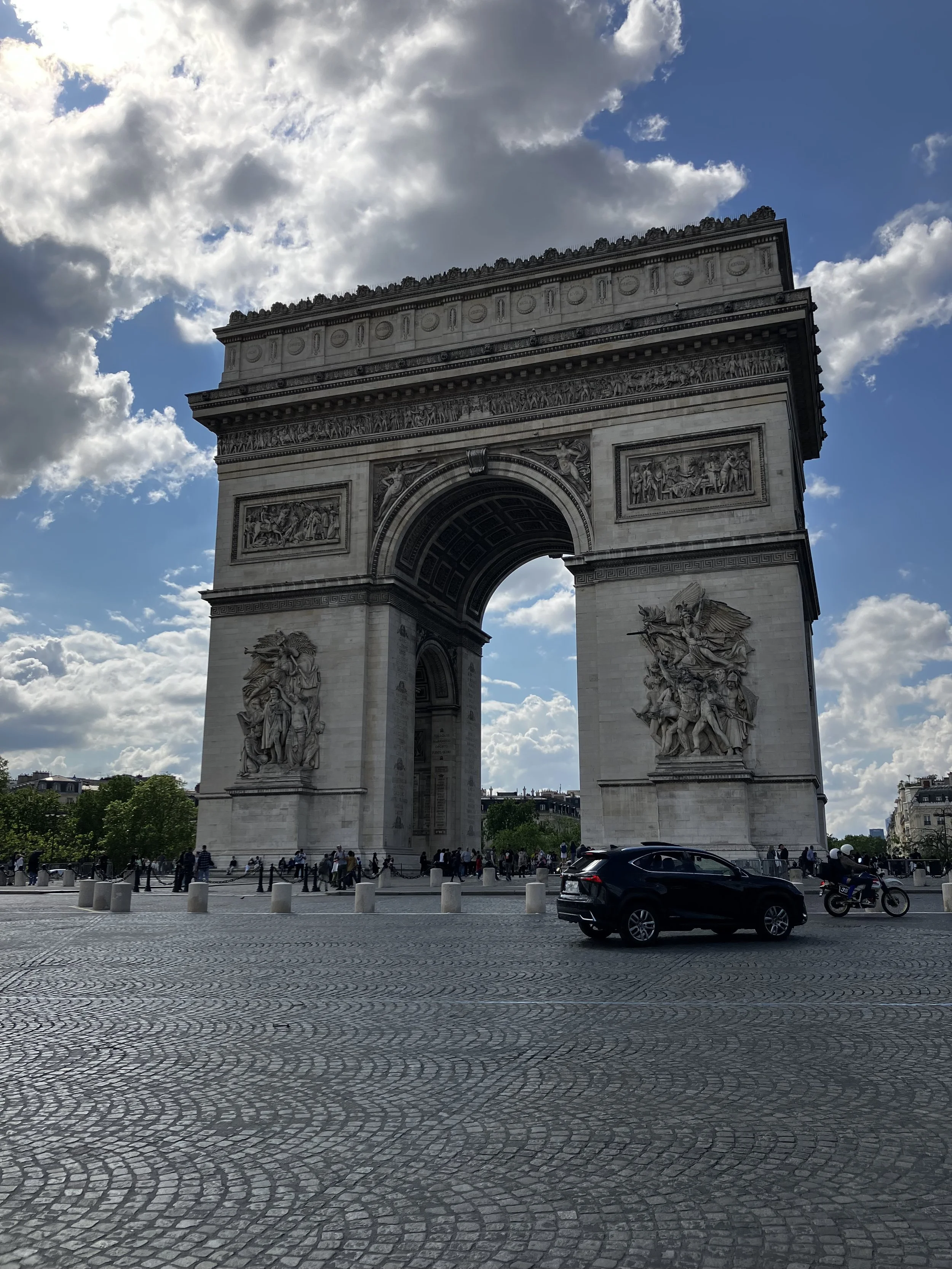
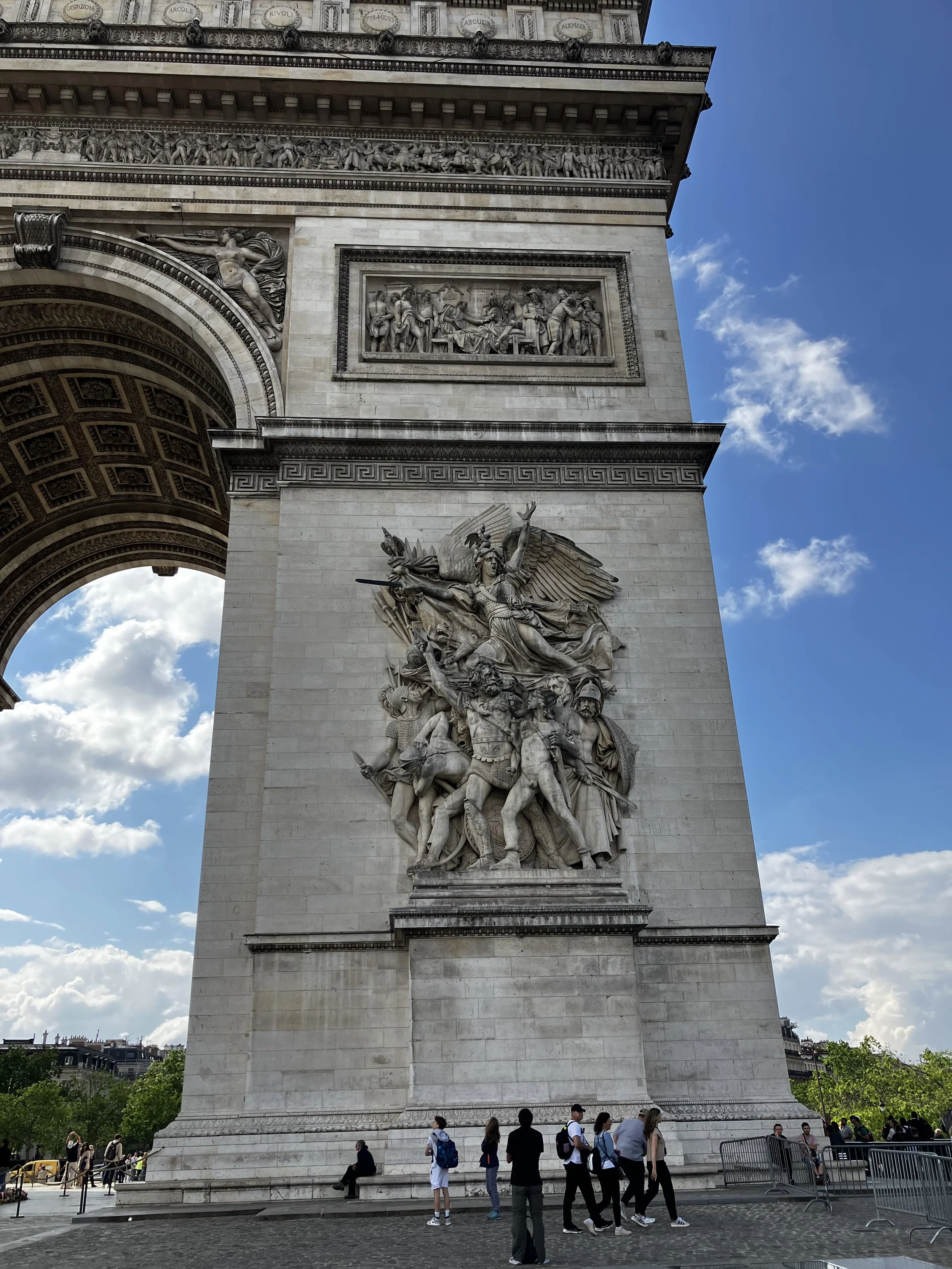
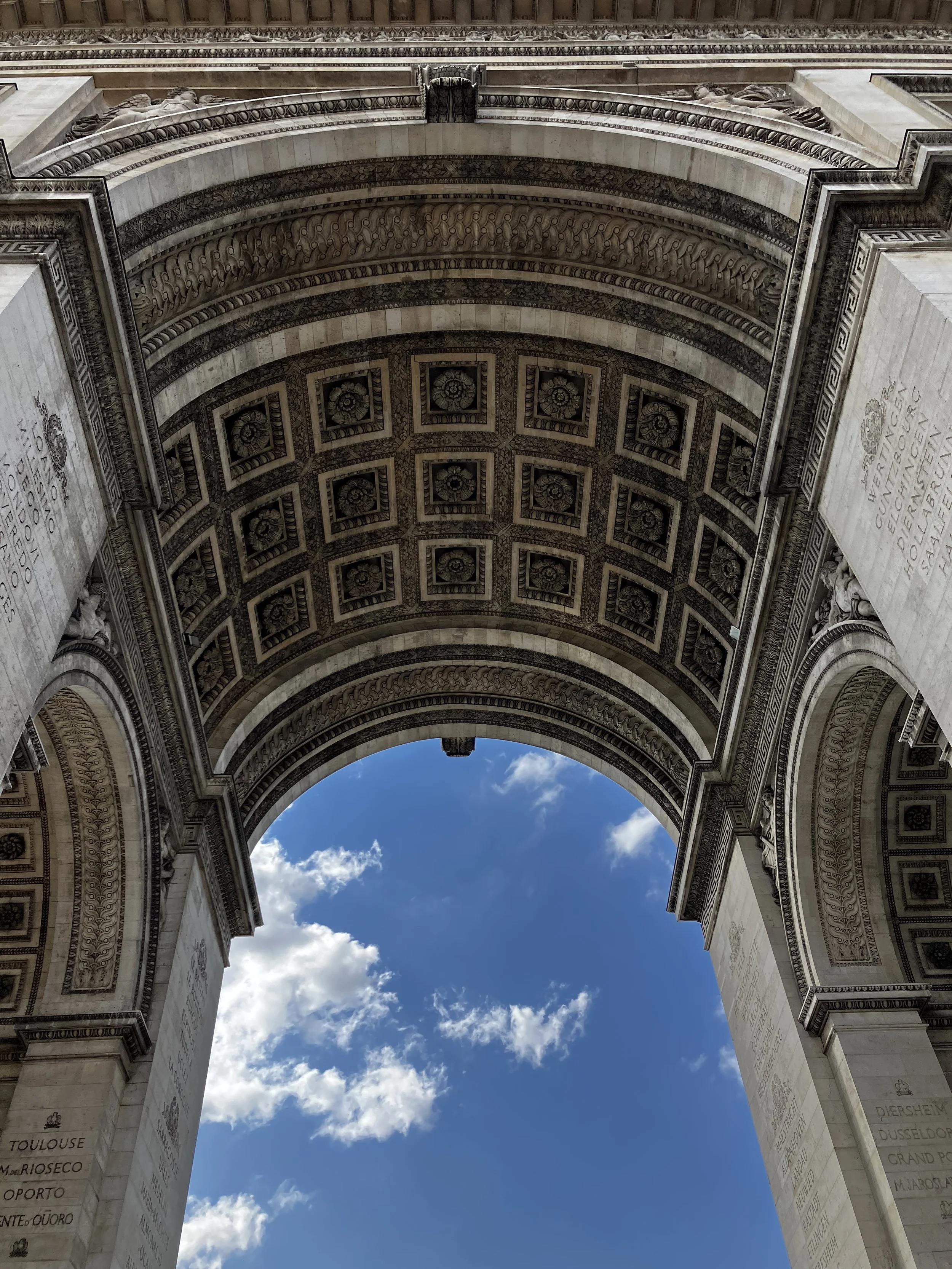
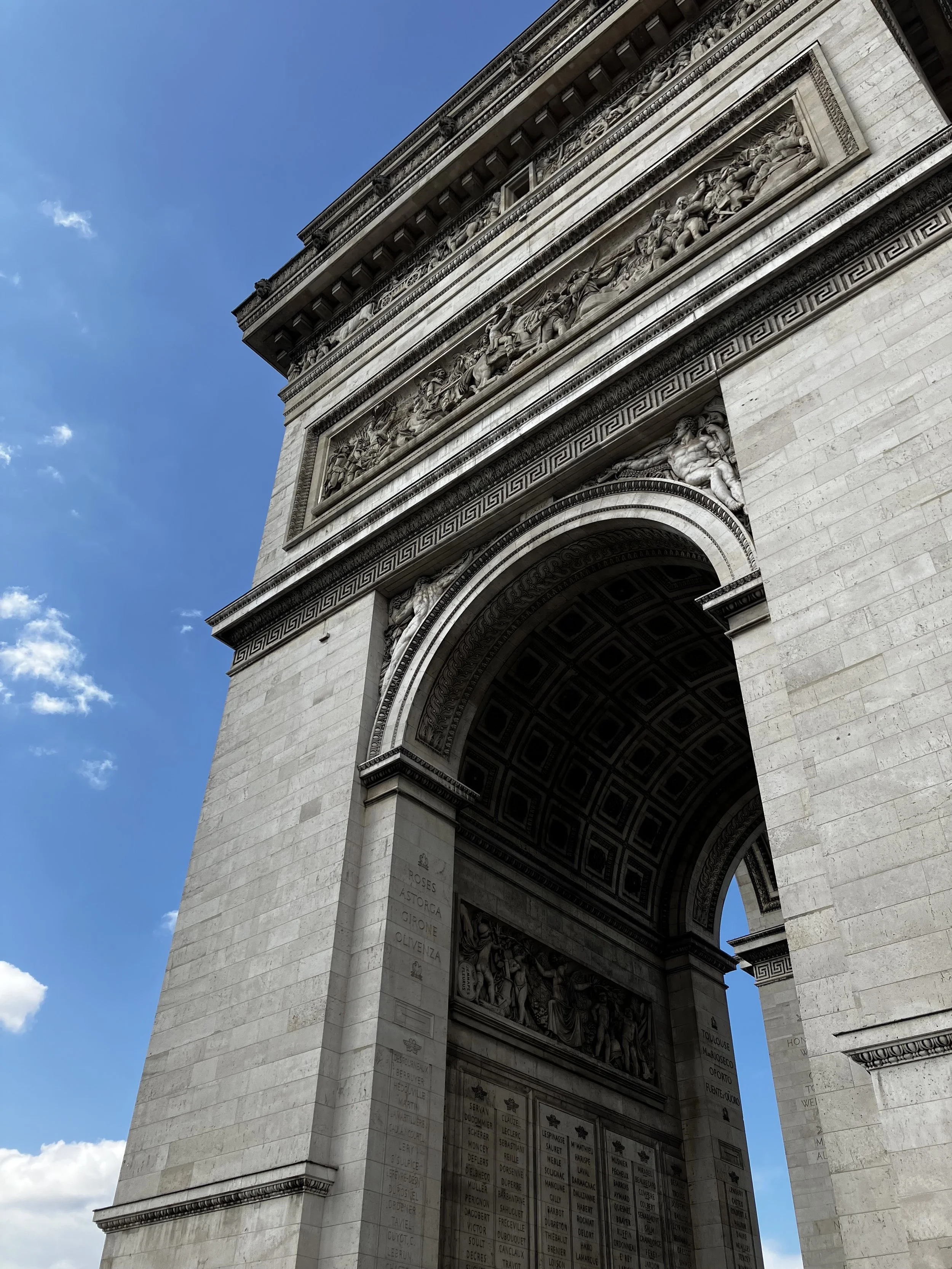
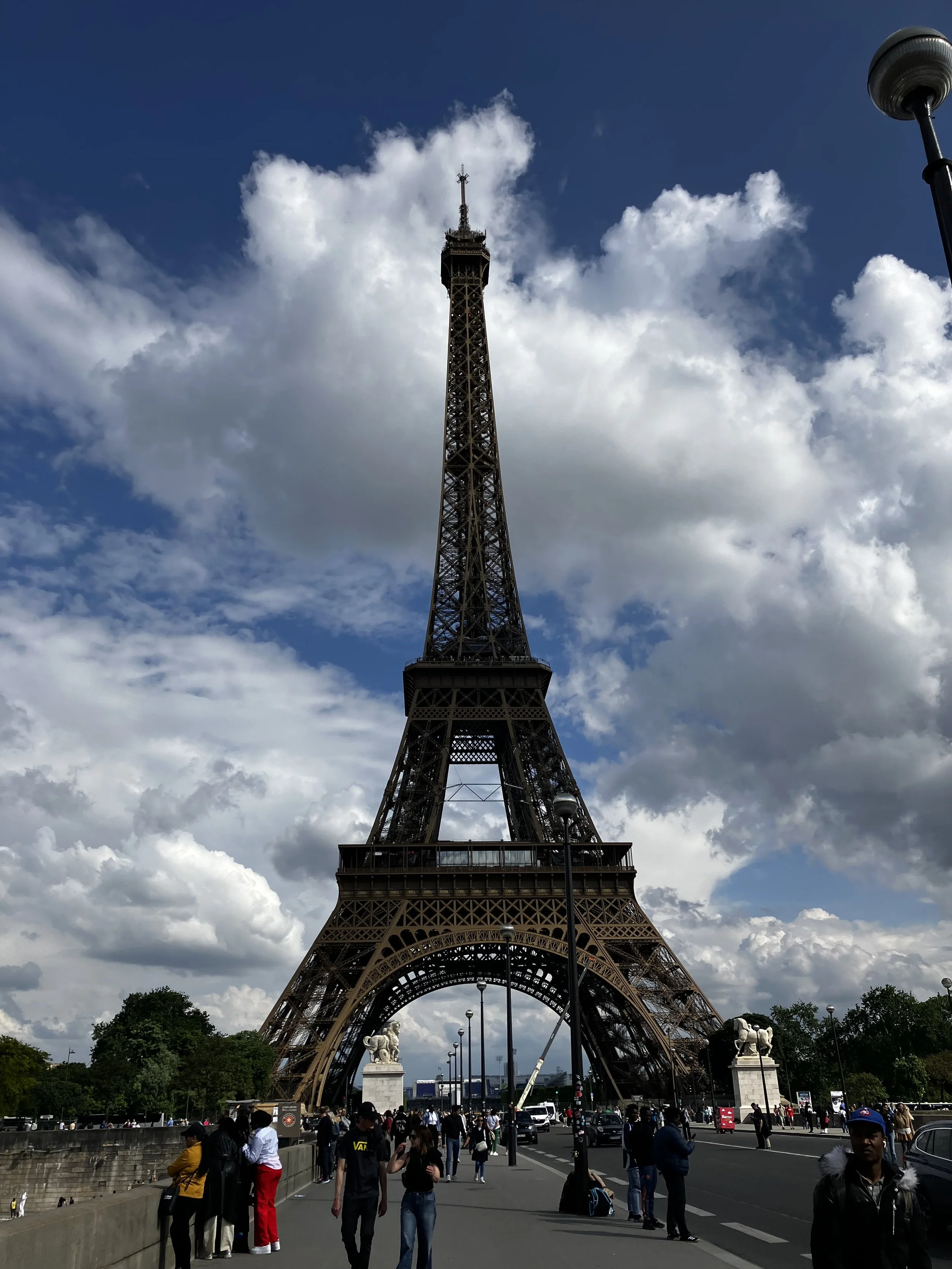
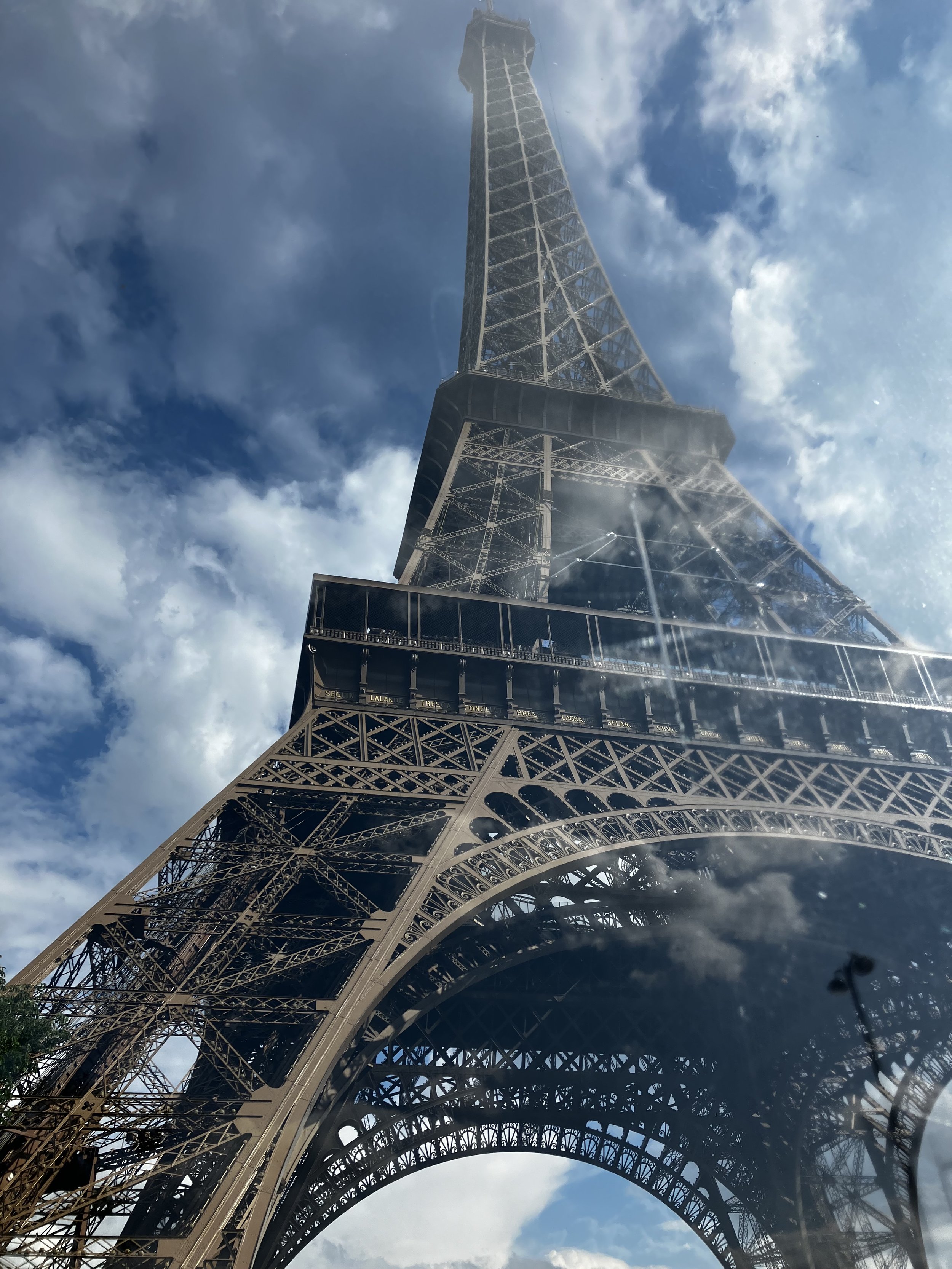
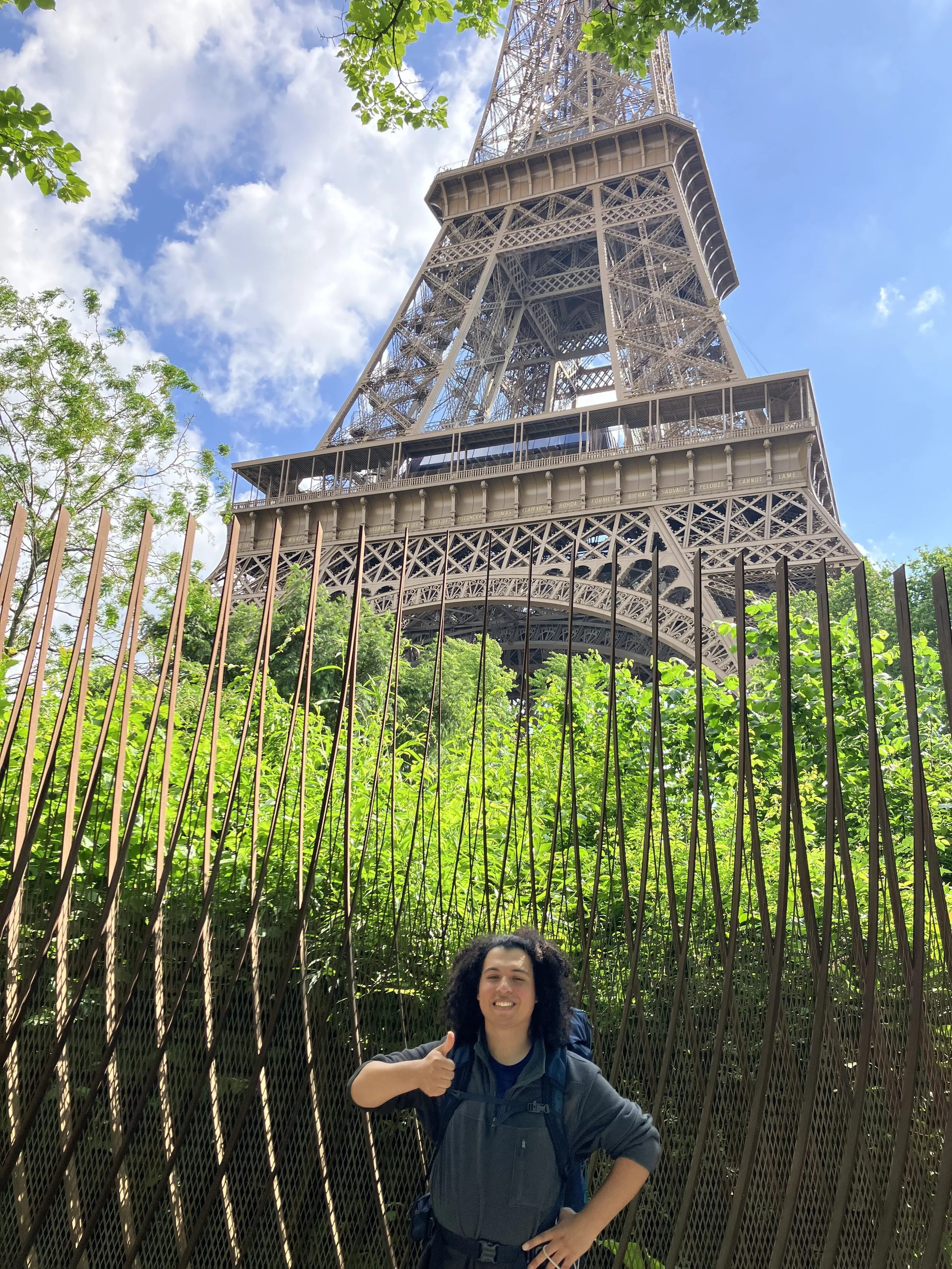
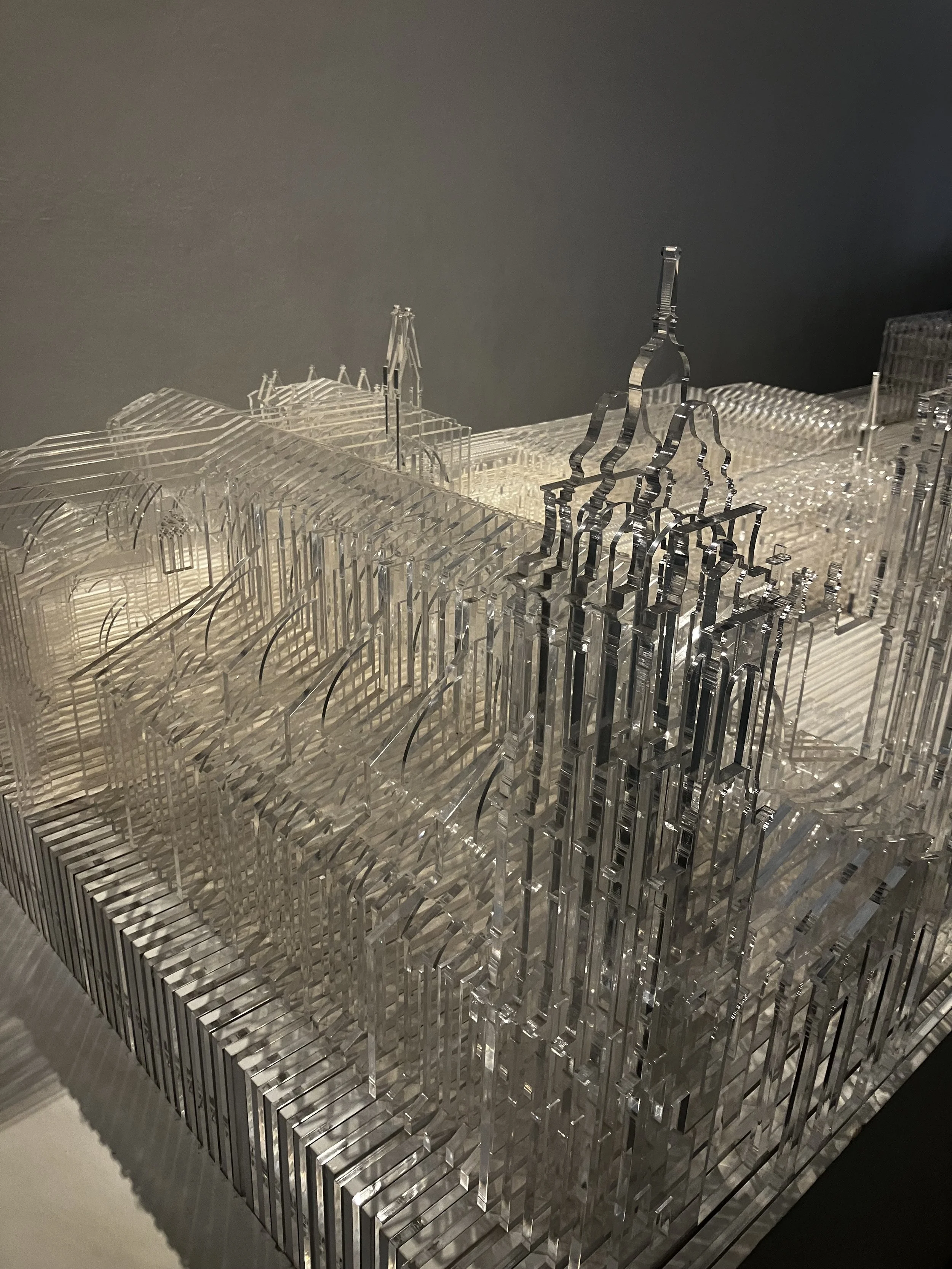
The trek properly starts in St. Jean Pied de Port, and we got there by train, but I will admit being in Paris just shy of the Olympics was fascinating and we went to as many notable spots as we could on foot in half a day. Having seen the reconstruction of Notre Dame, the Arc de Triomphe, and the ever marvelous Tour d’Eiffel, my bucket list was already being checked. We boarded the train from Paris to Bayonne and from Bayonne we would hop off at SJPDP. We hiked our way up what to most is the hardest part of the Journey, across the Pyrenees Mountains we would make it to Roncesvalles, stopping at Refuge Orisson and enjoying the world disappear below us into mountain mist. From there the journey took us across the border from France into Spain and we arrived in Pamplona, famous for the Running of the Bulls (too early to witness by just a few weeks.) Getting to see the ‘Catedral de Santa Maria la Real’ and how they went about representing it in layered acrylic was incredible along with the Church’s Preserved Relics.
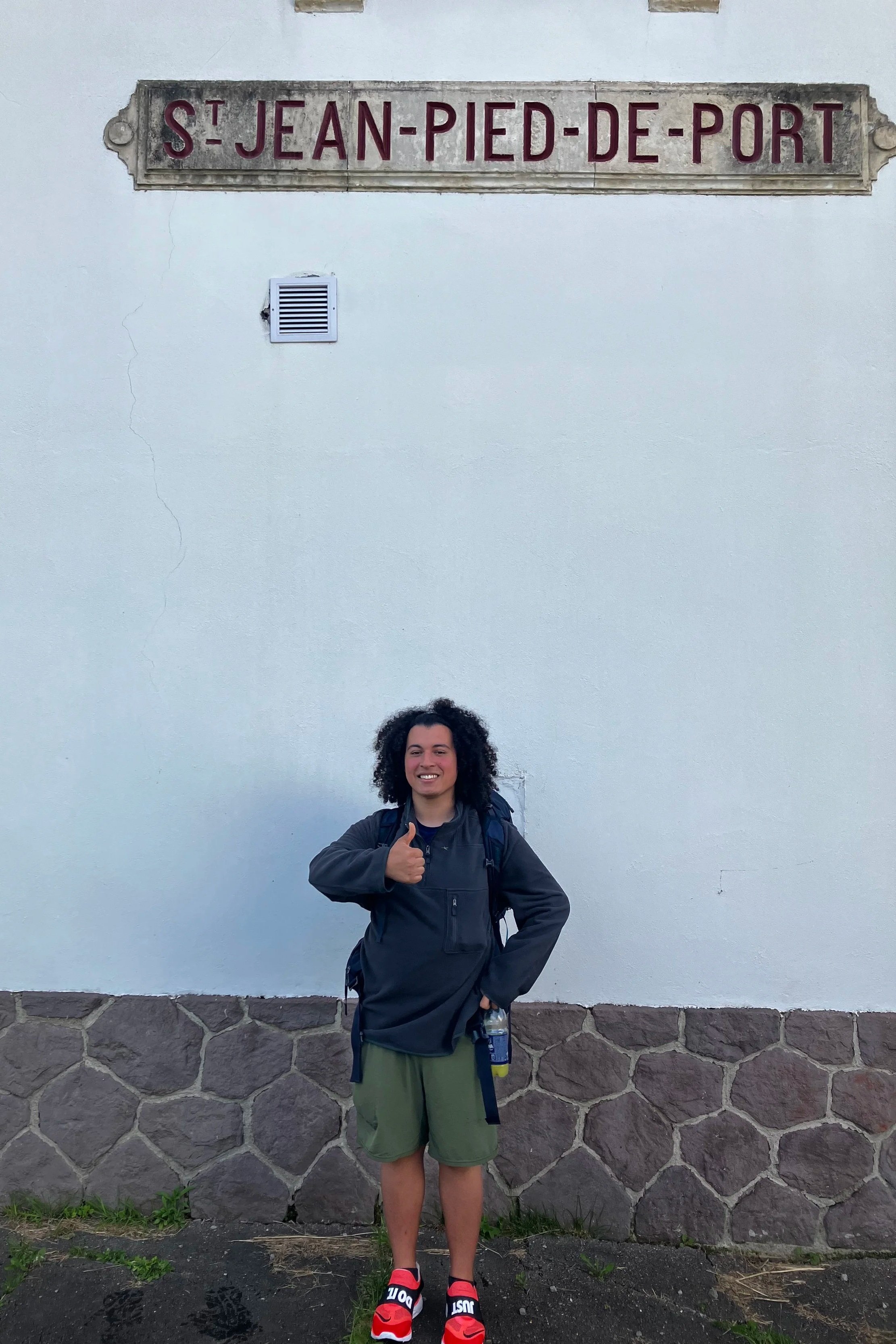
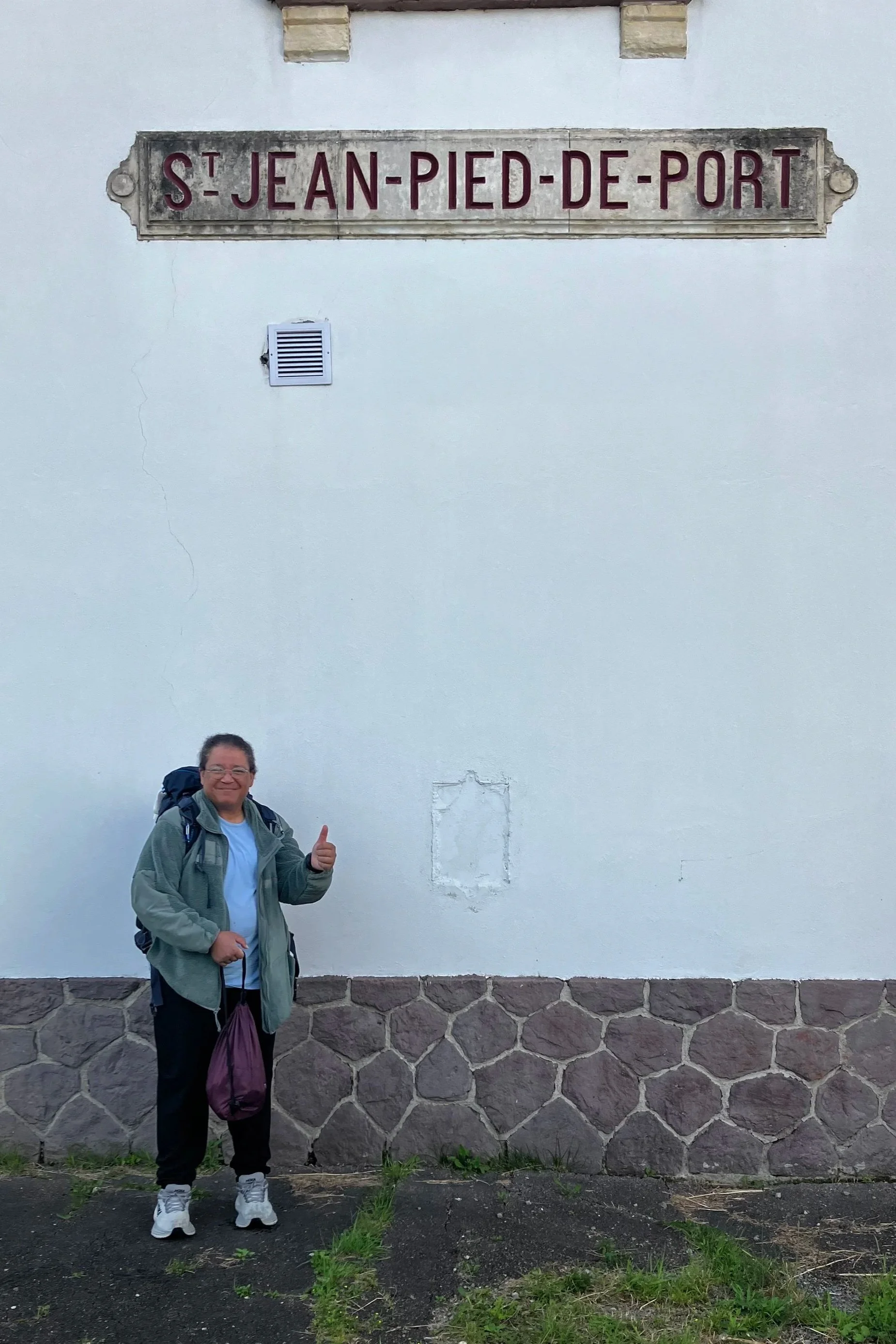
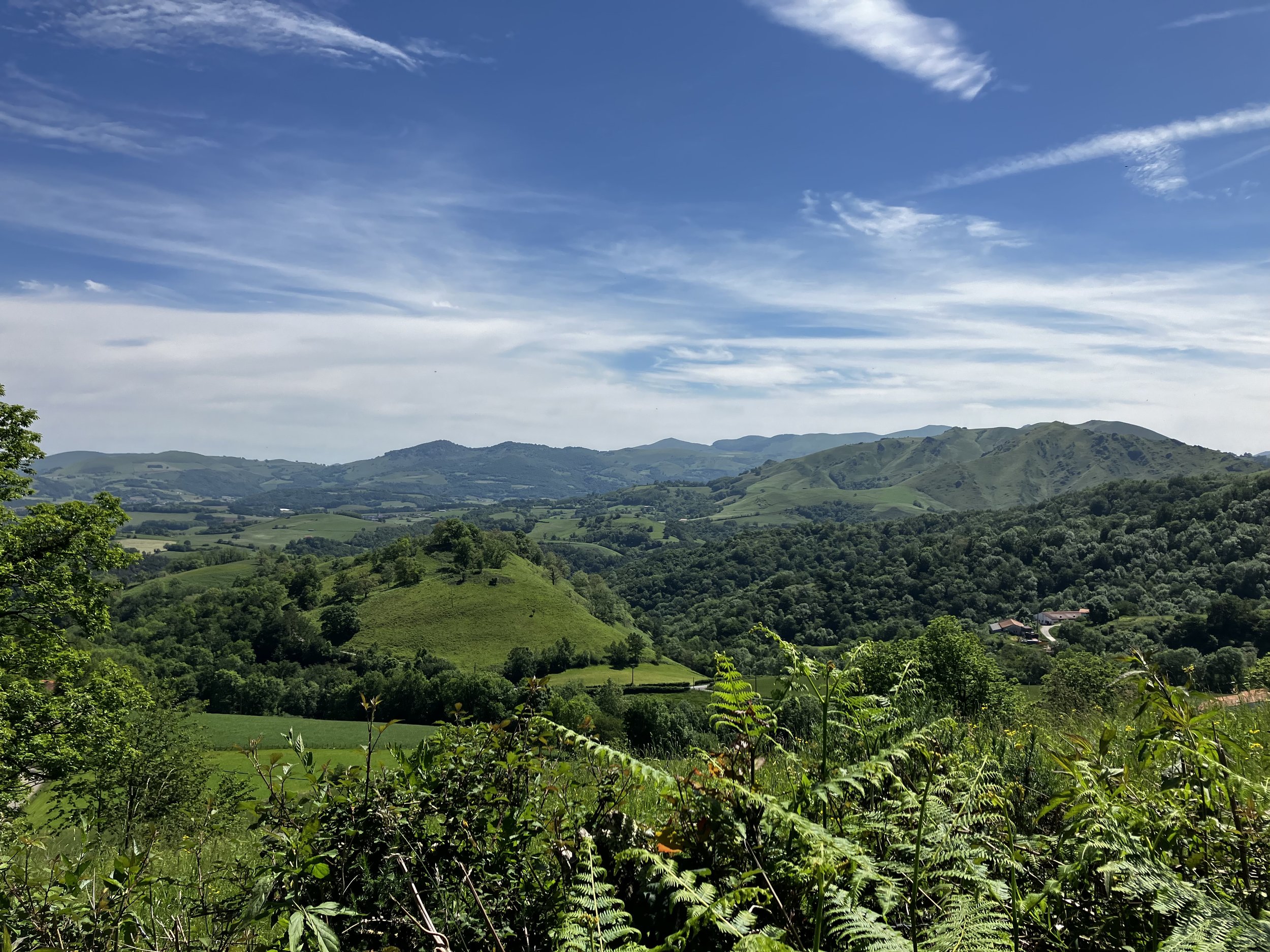
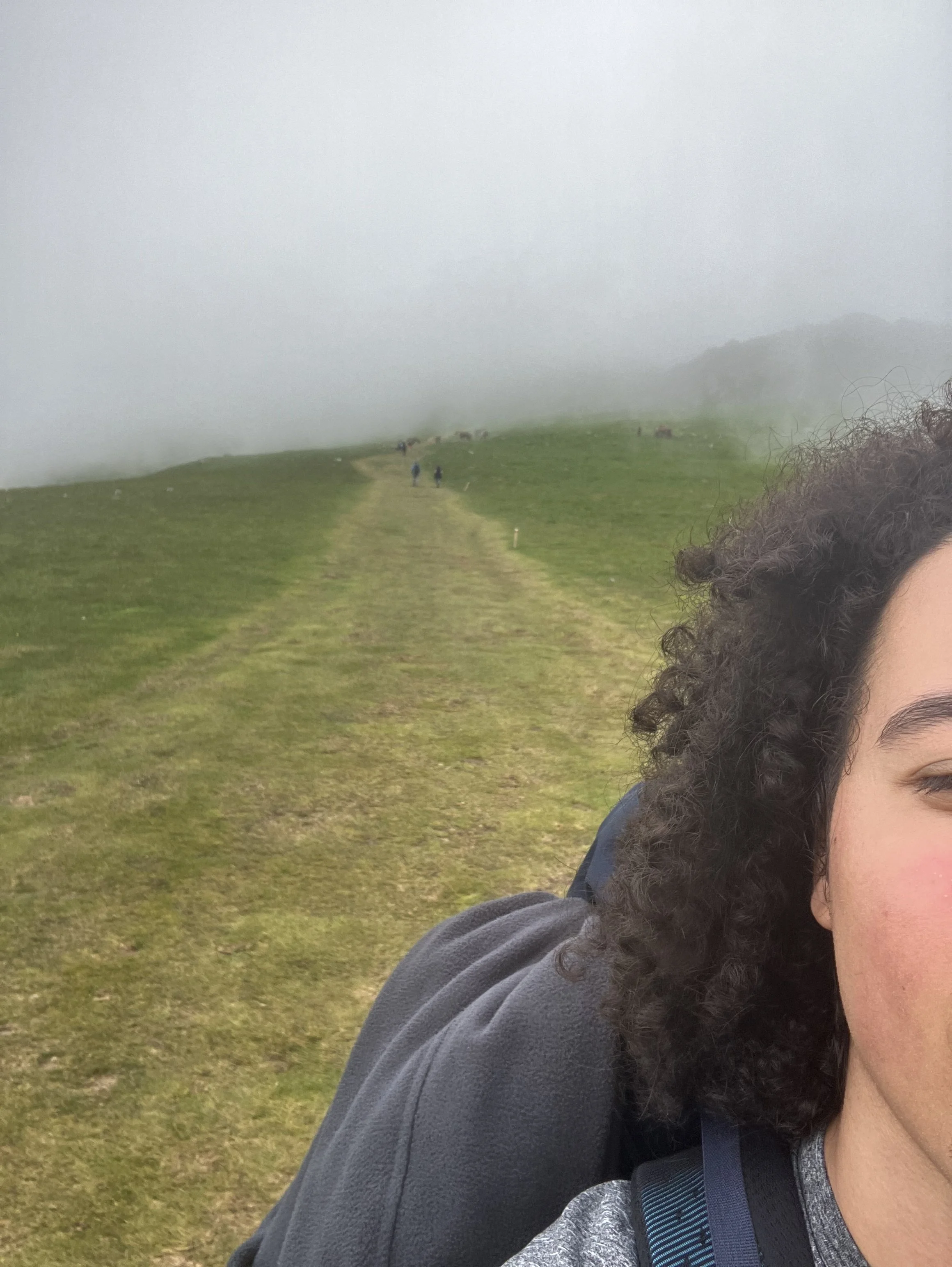
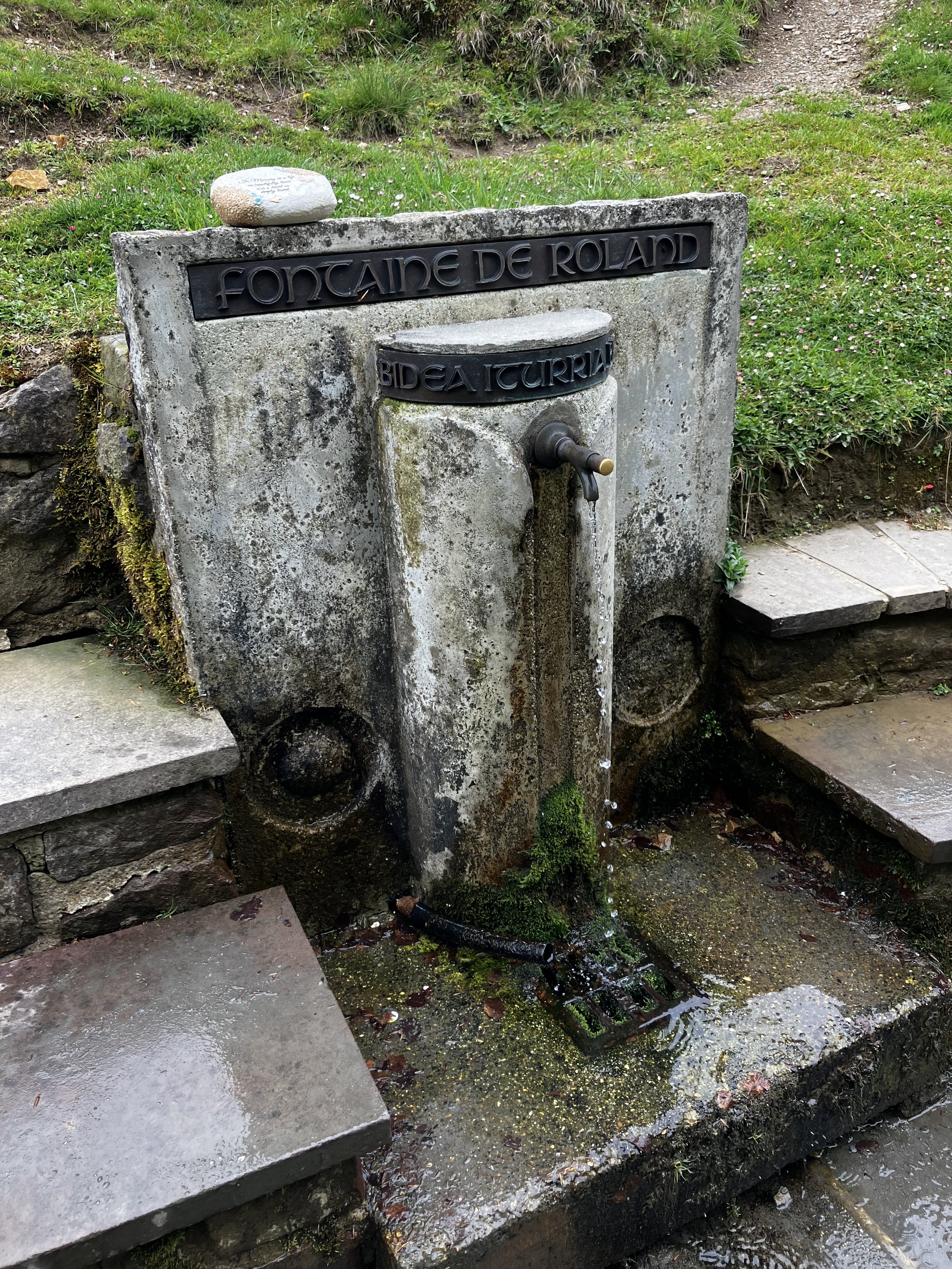
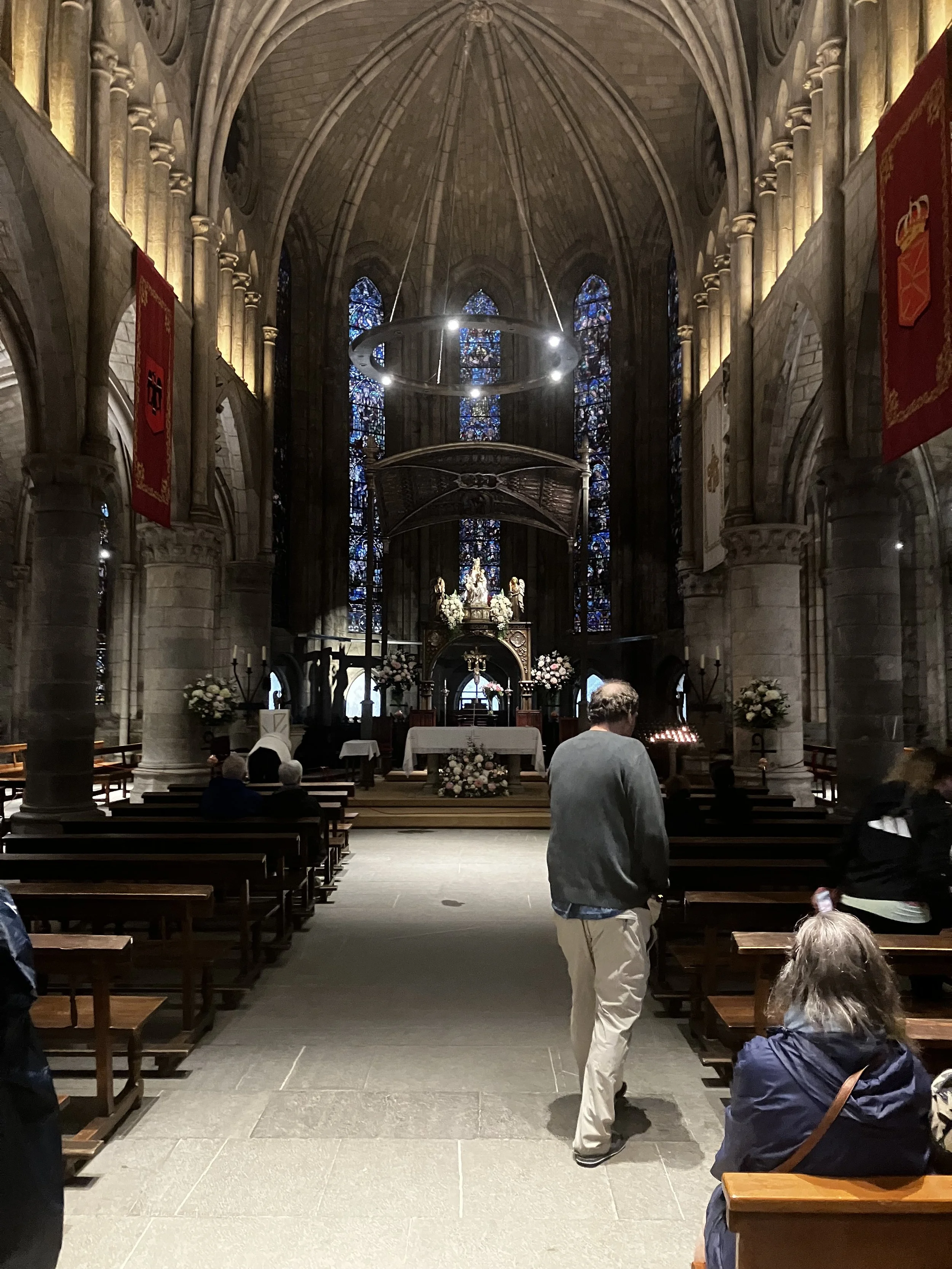
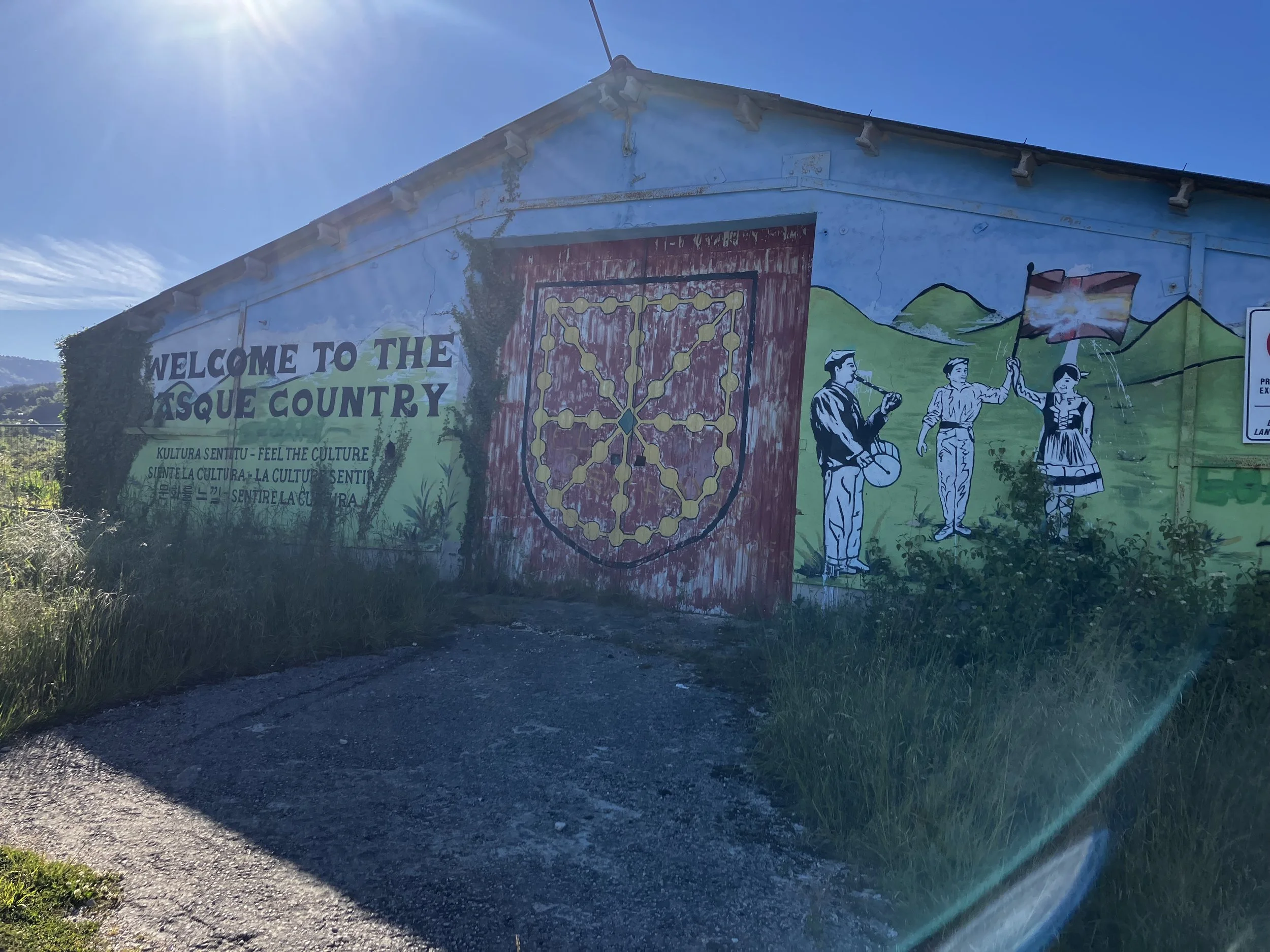
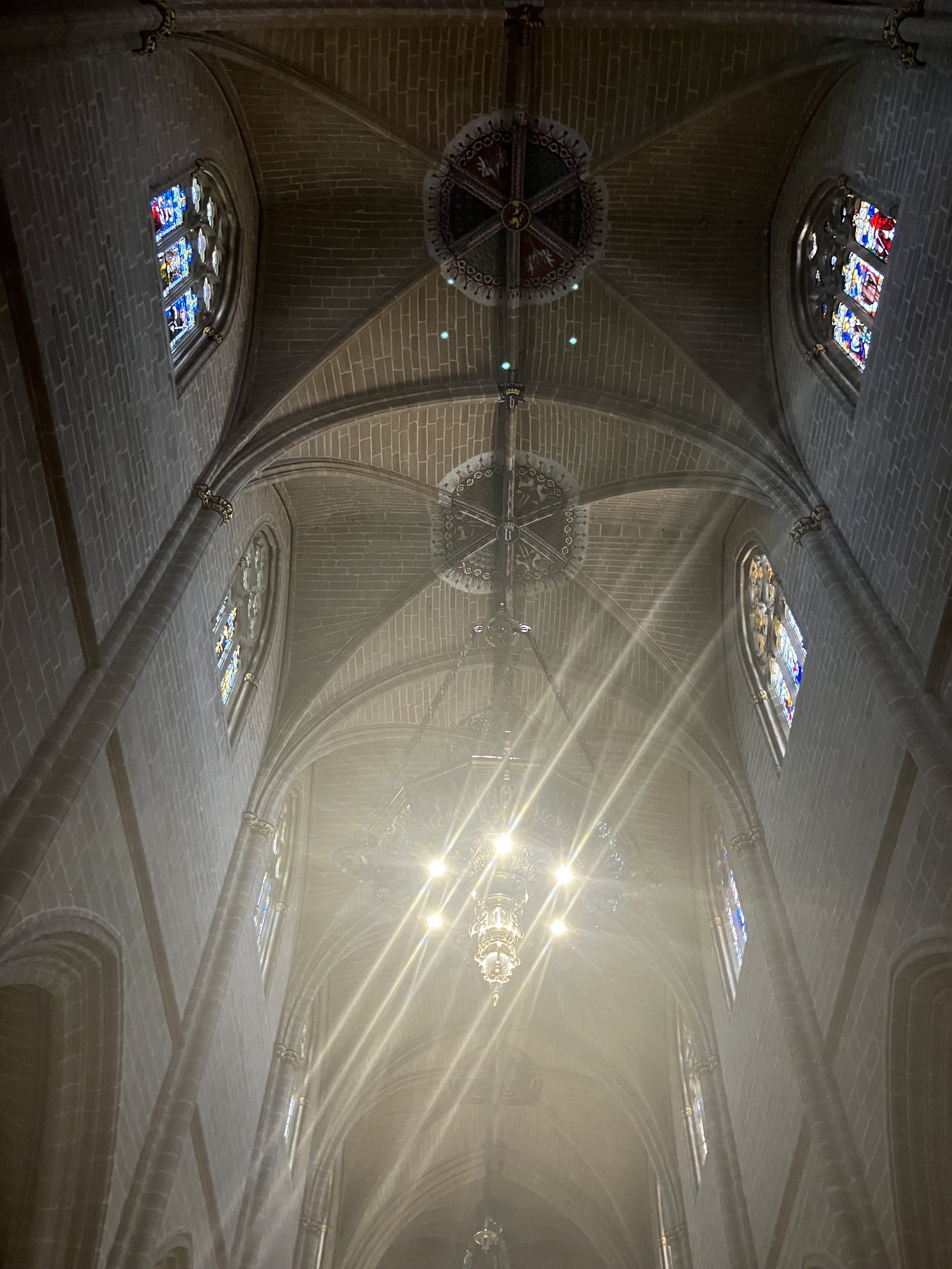
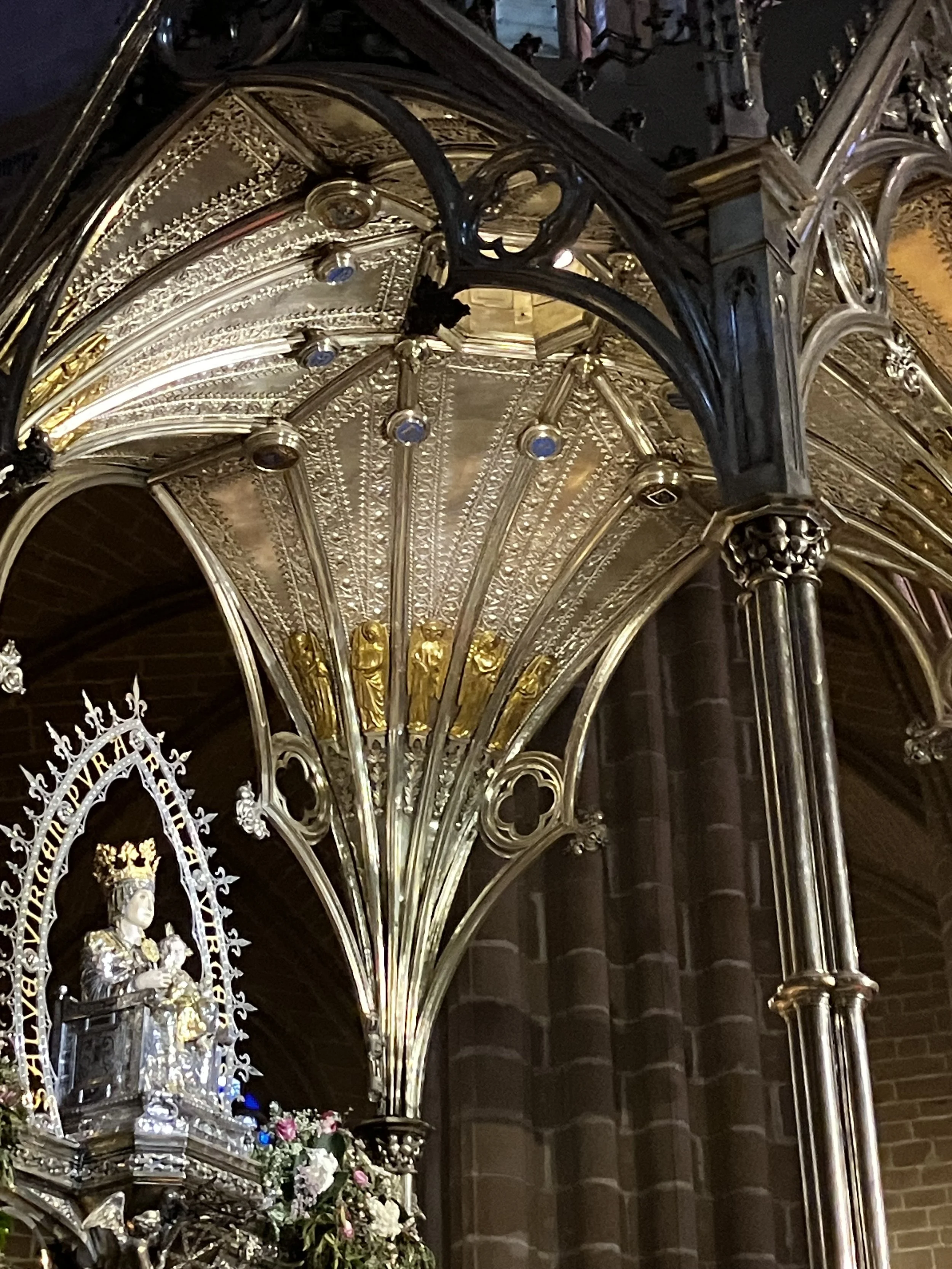
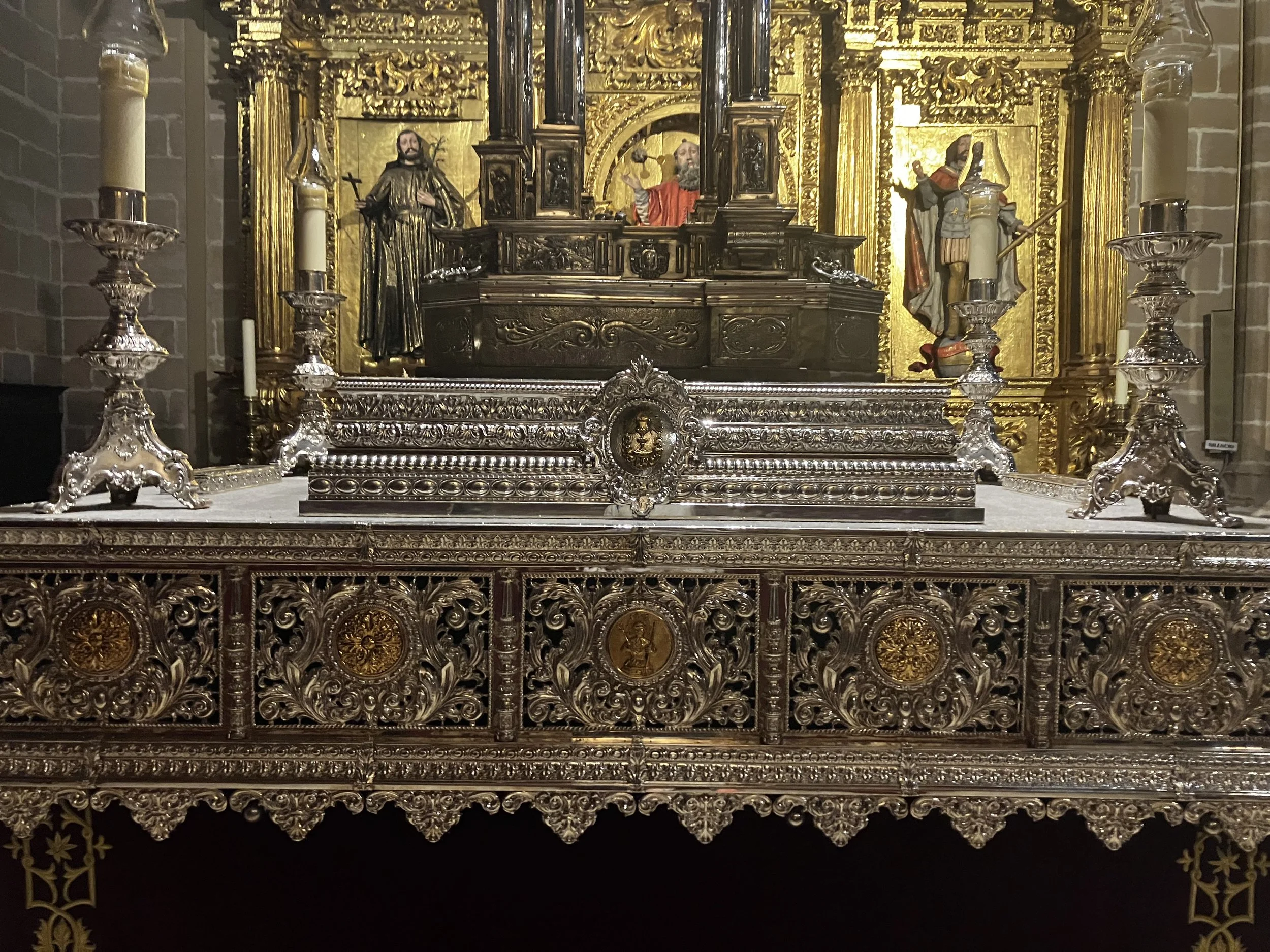
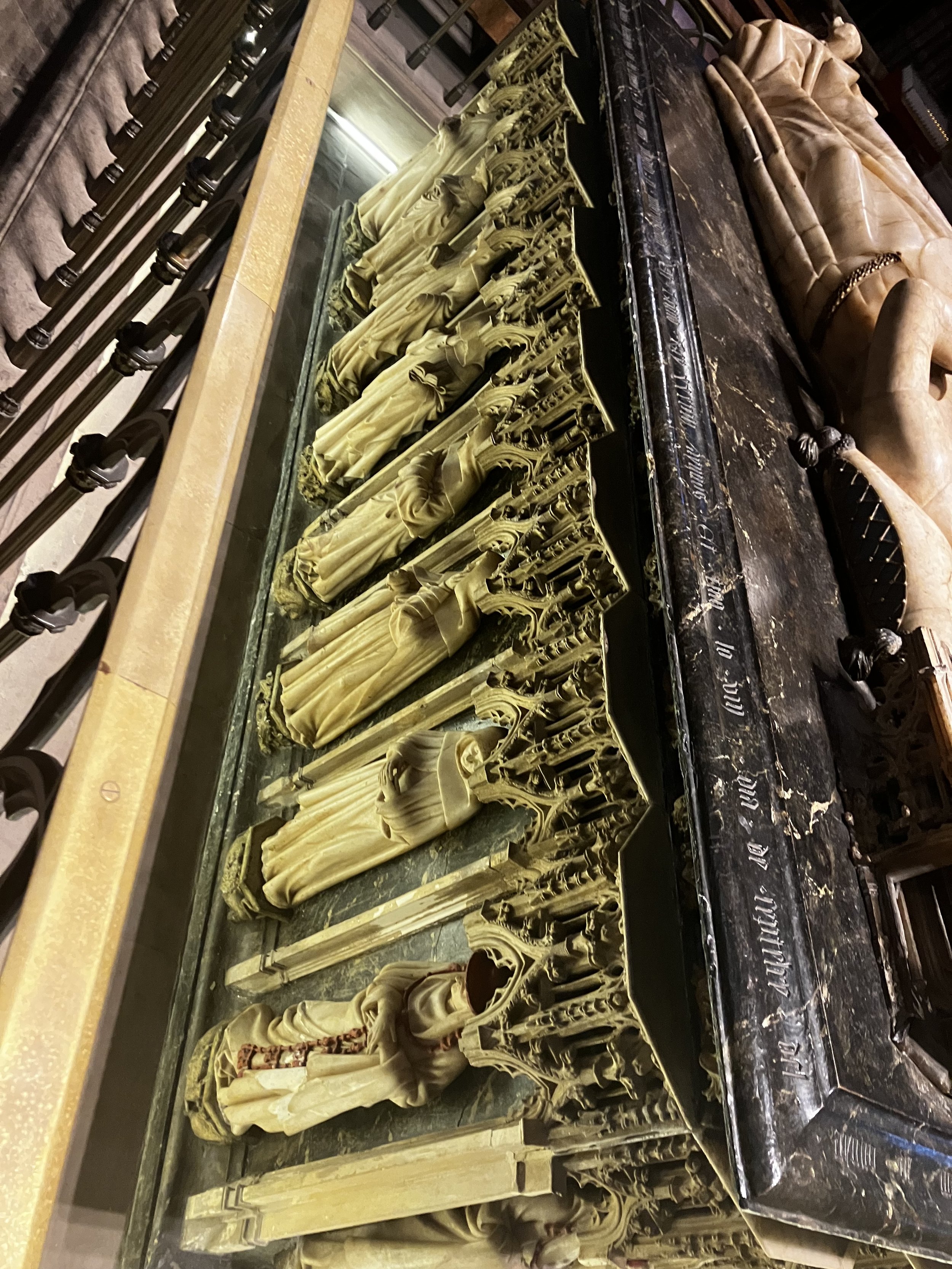
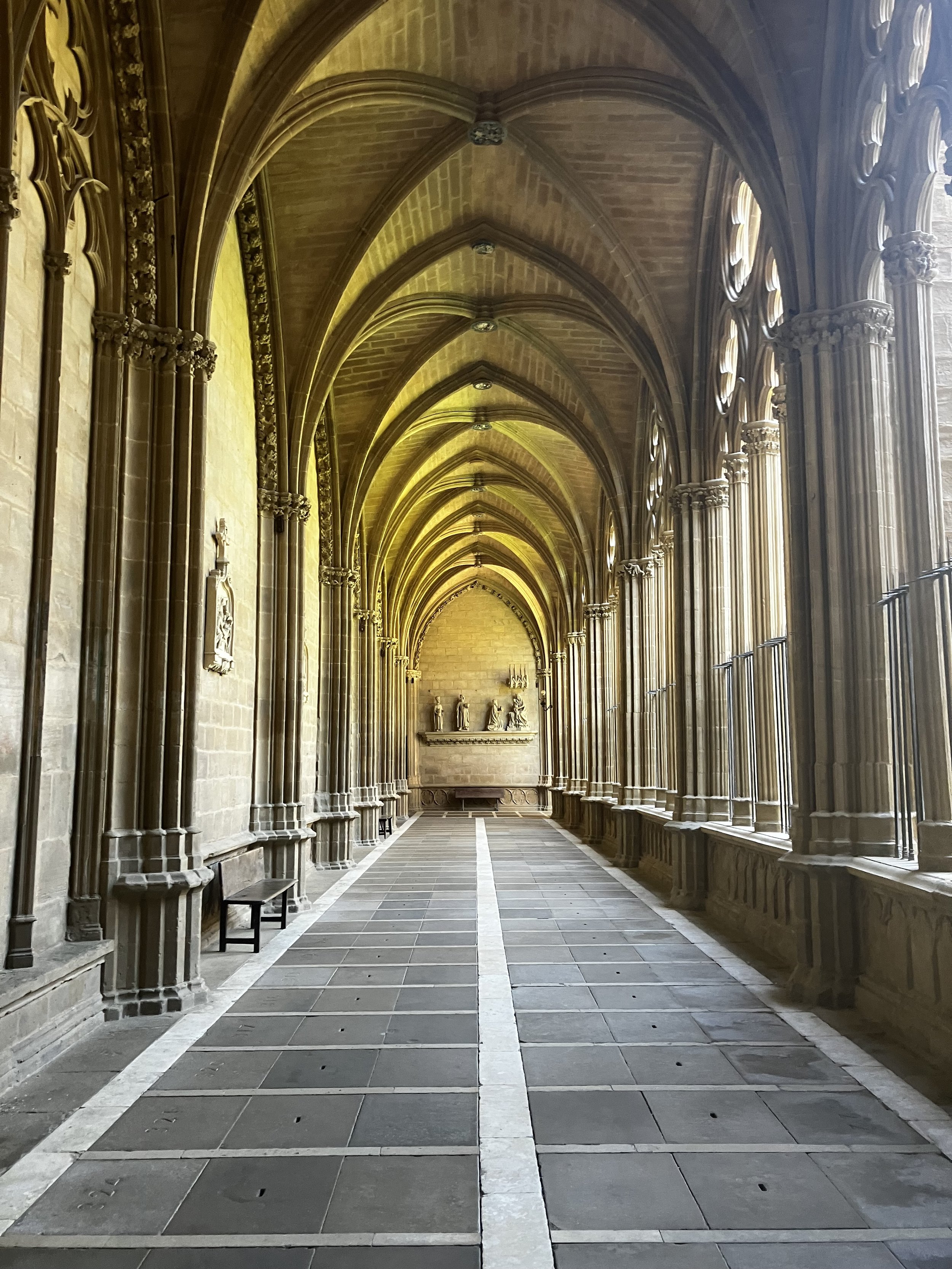
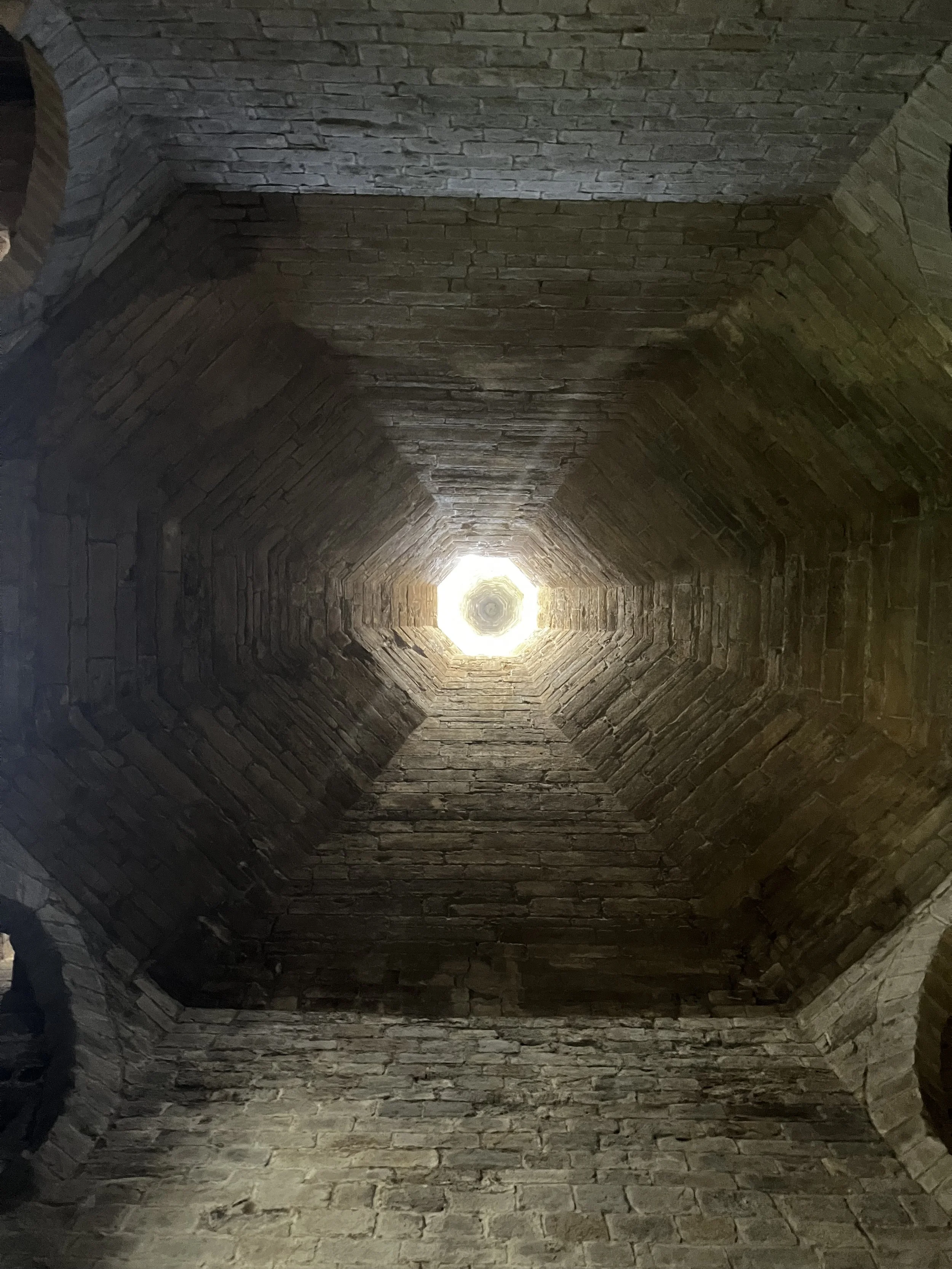
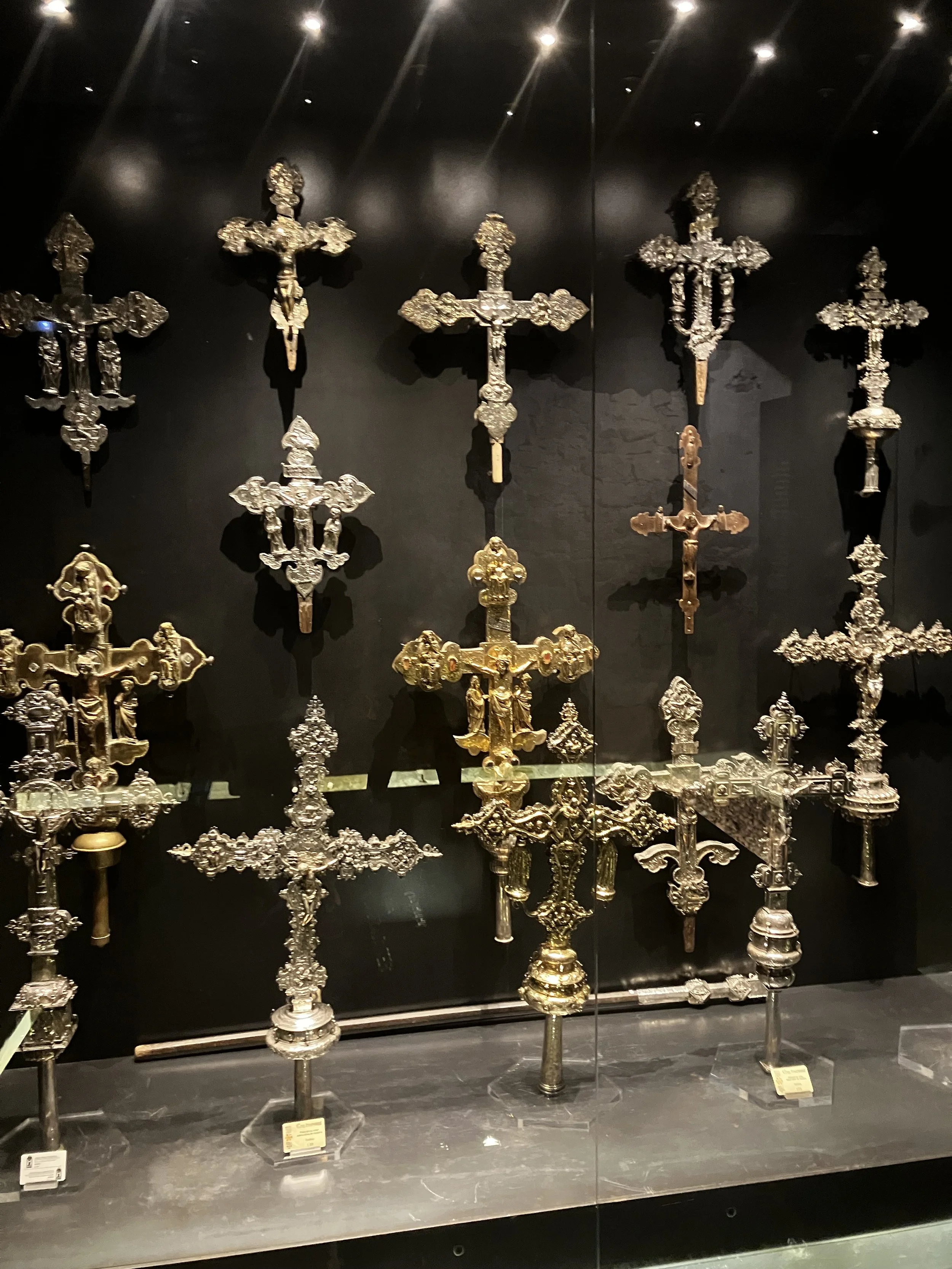
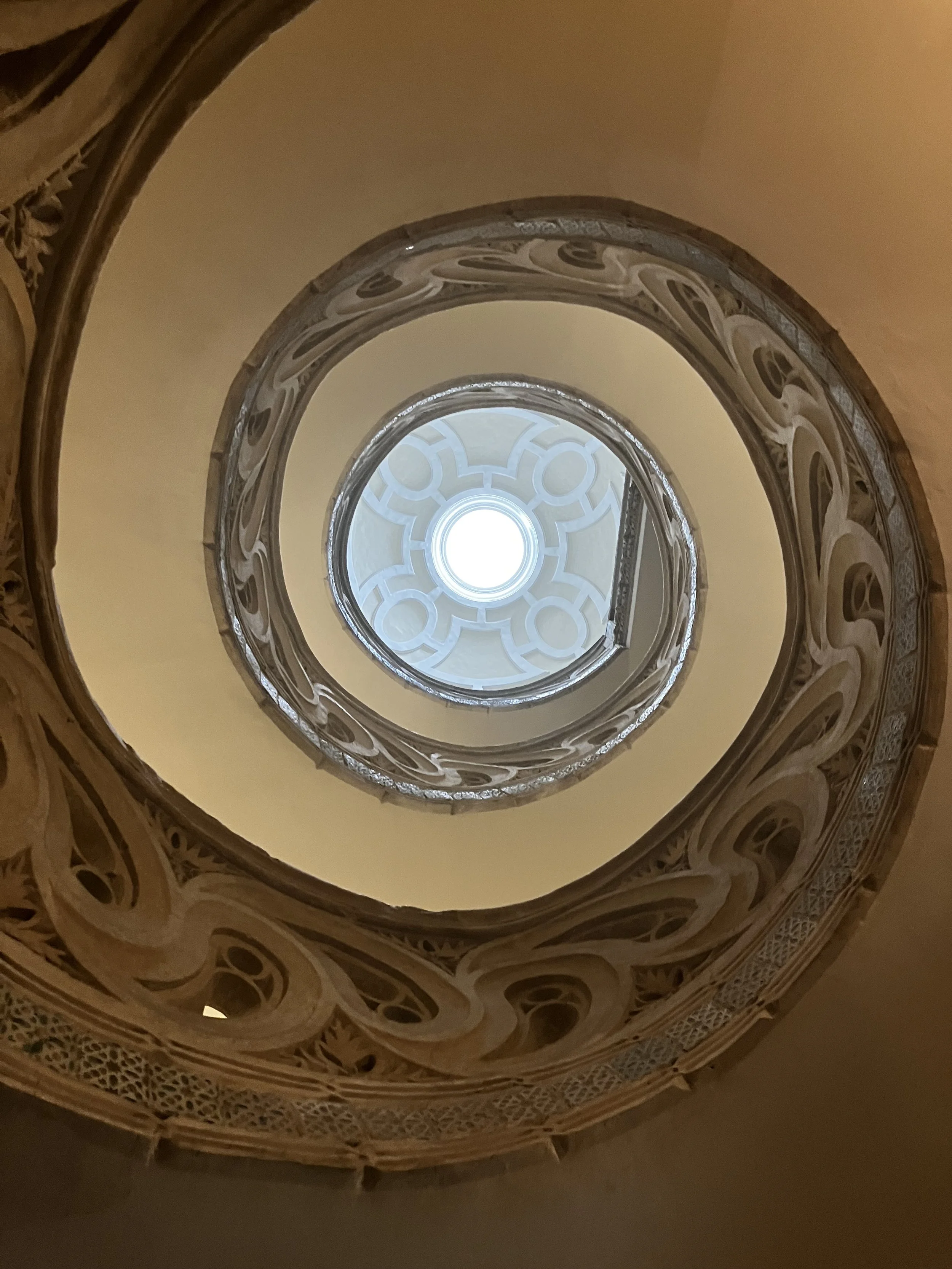
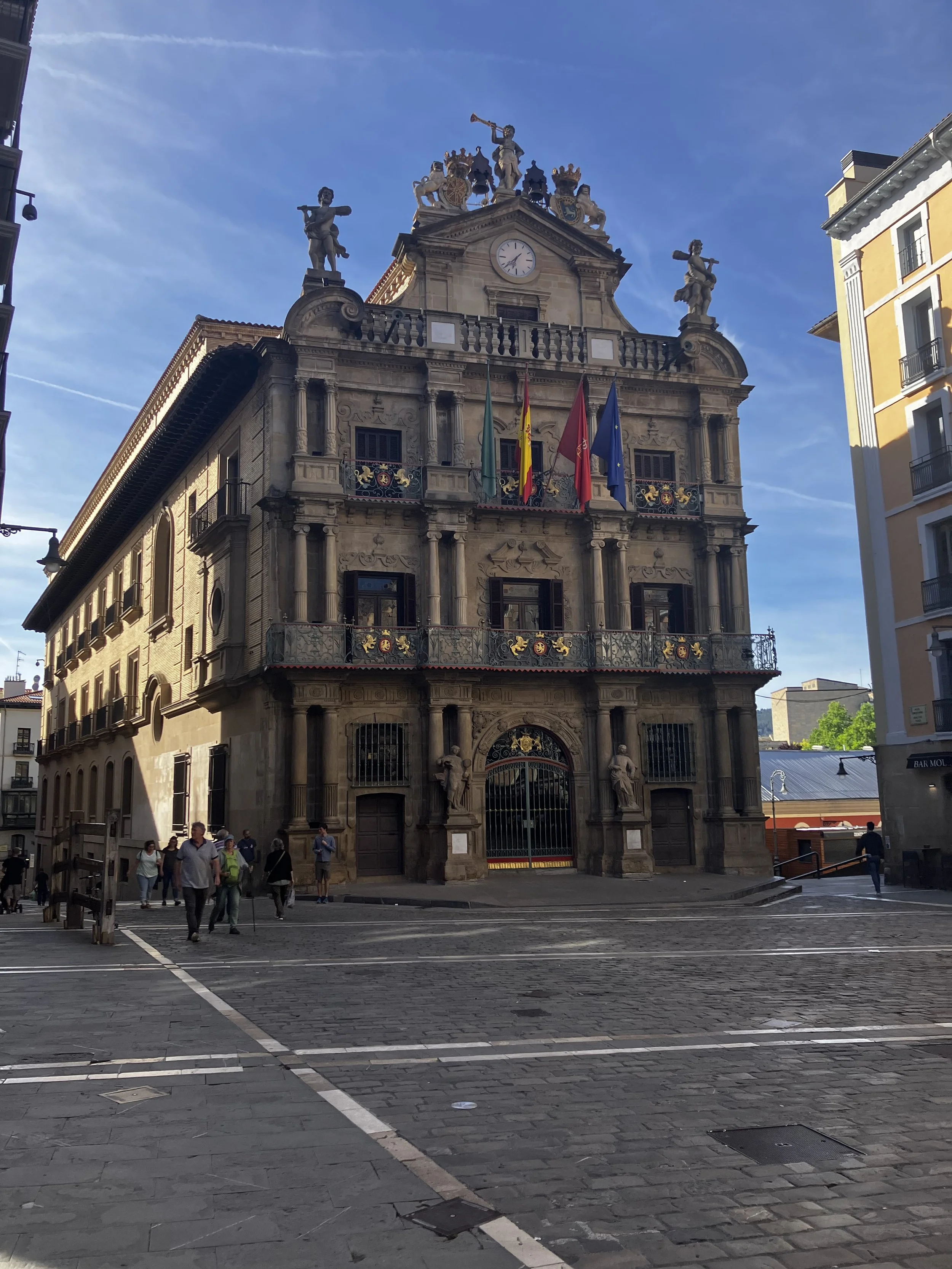
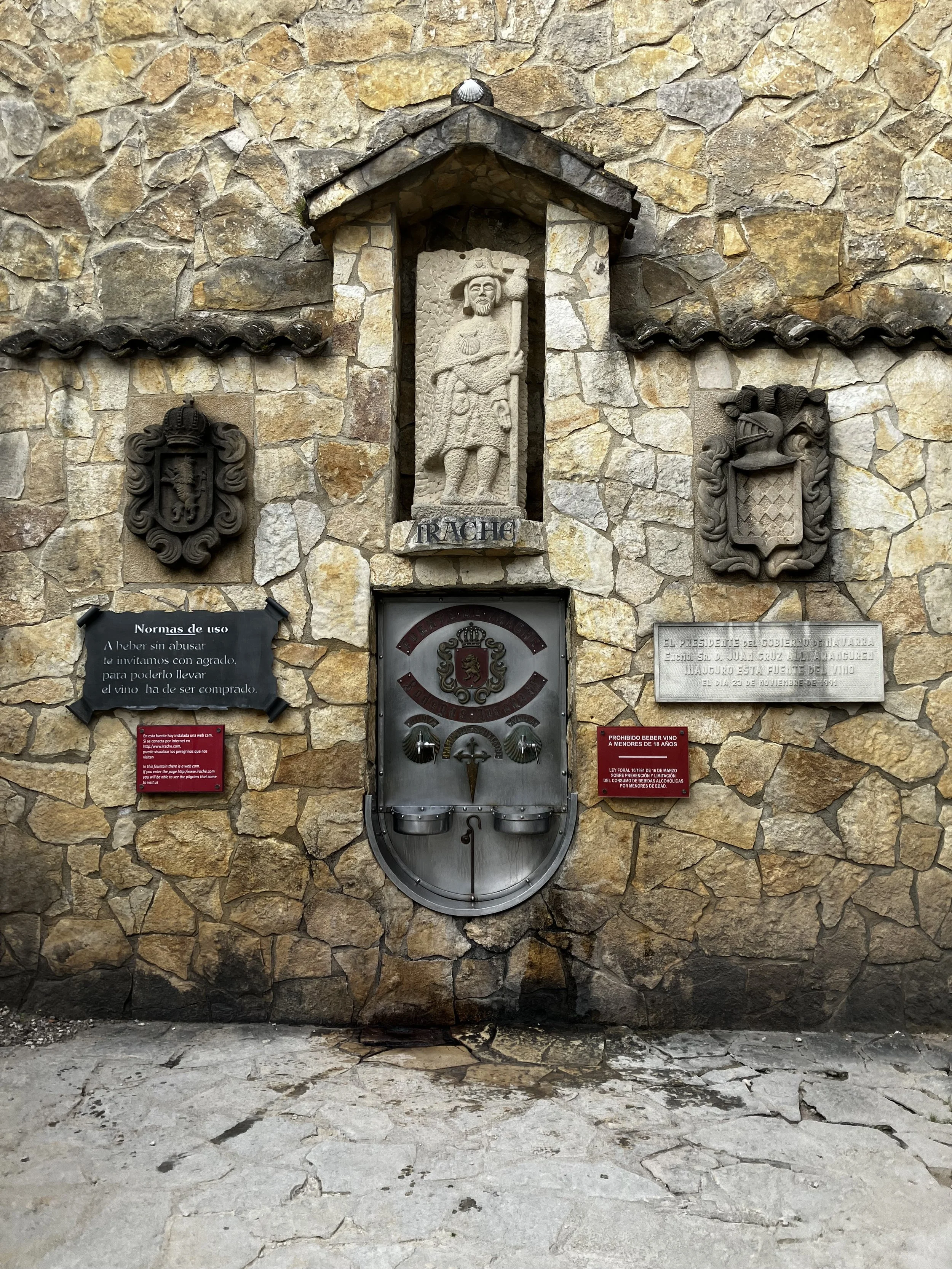
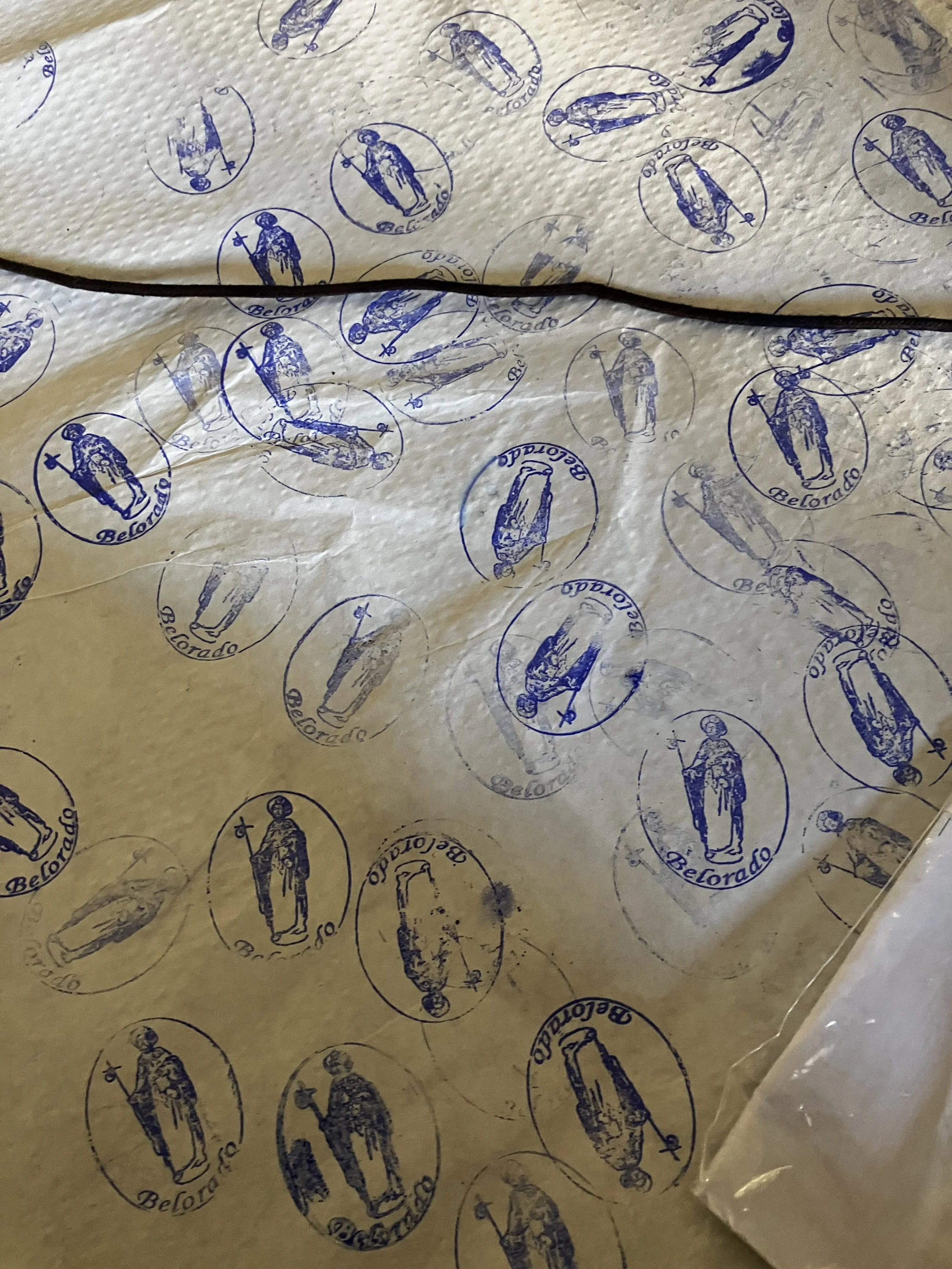
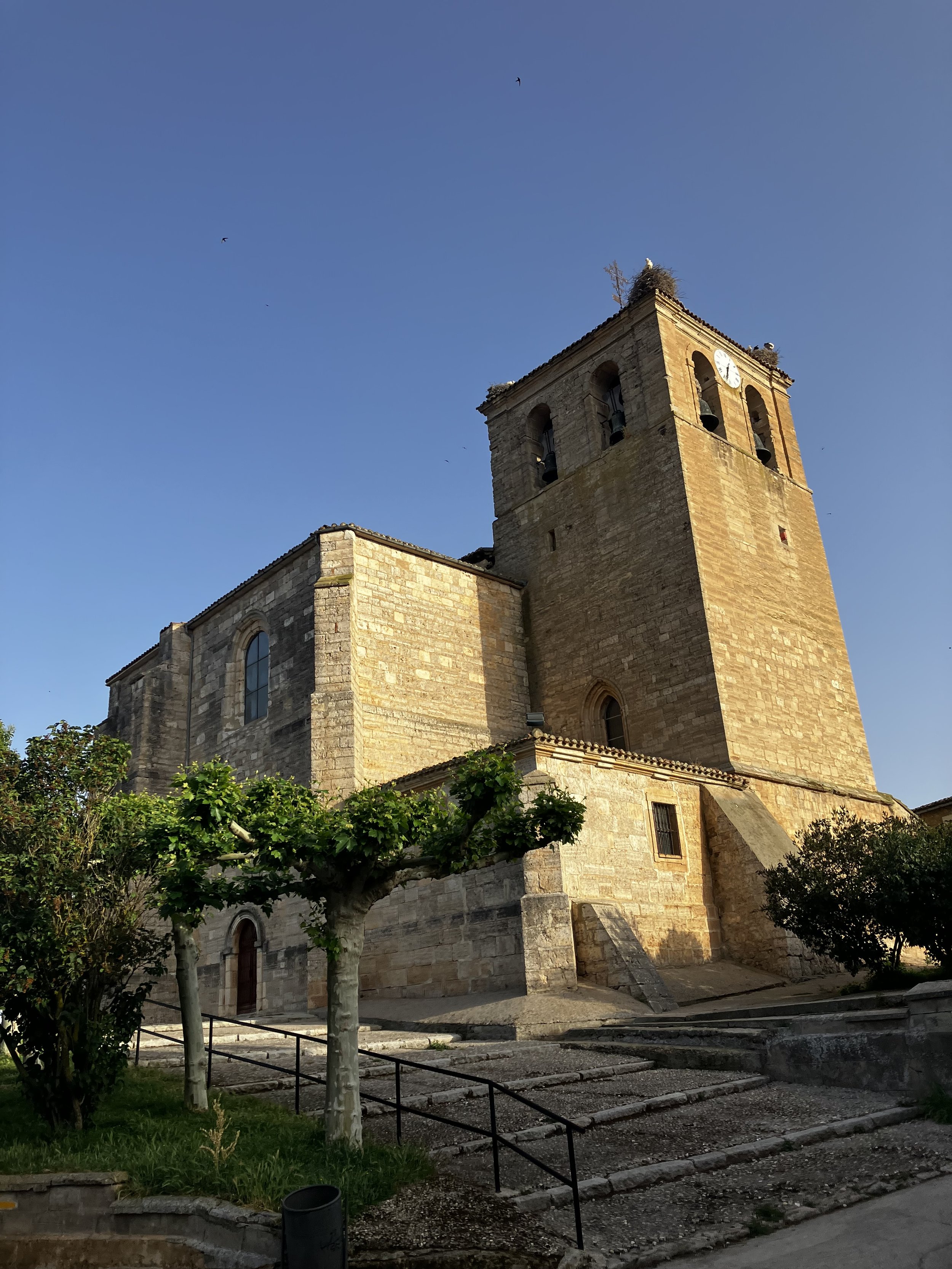
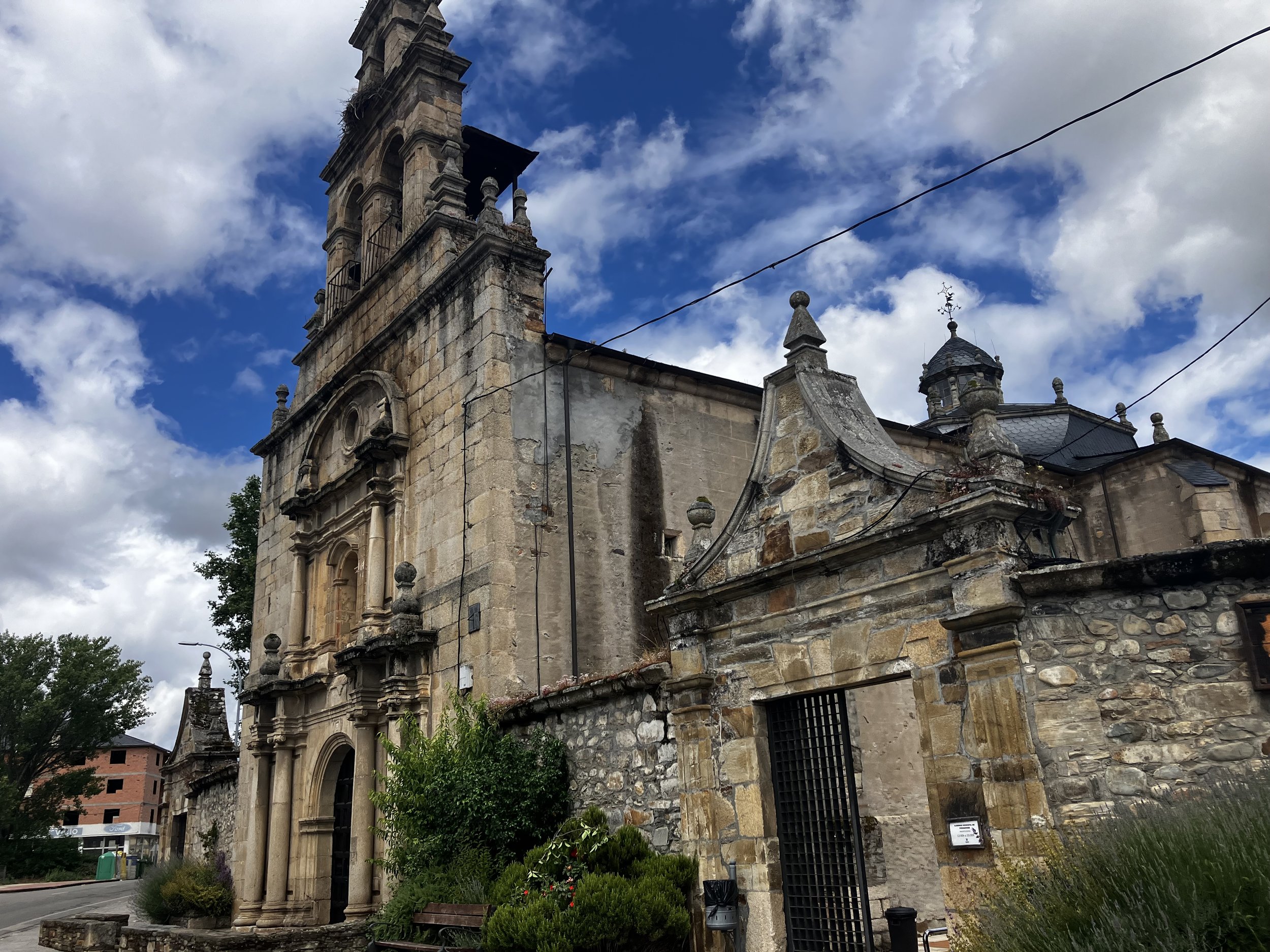
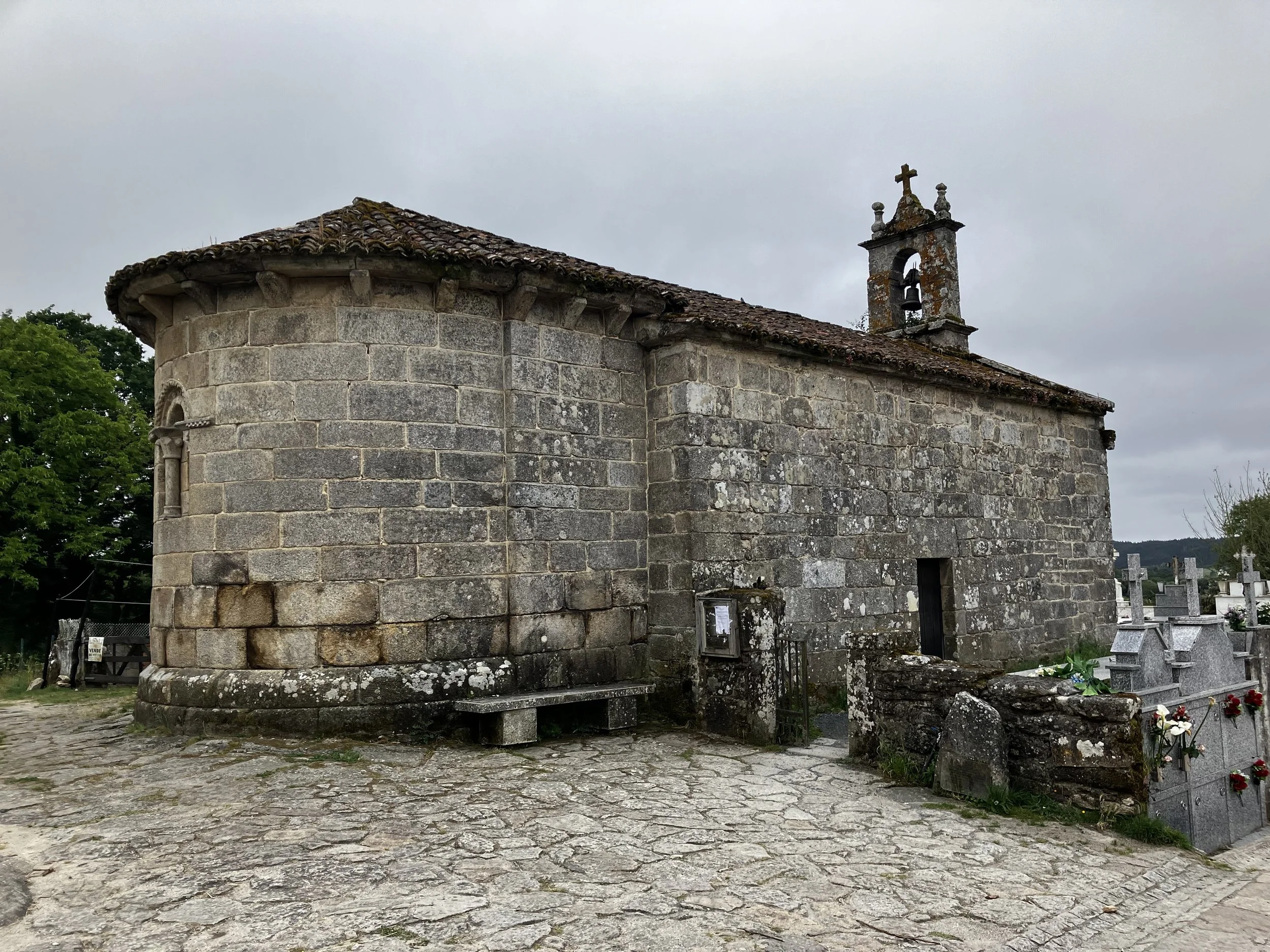
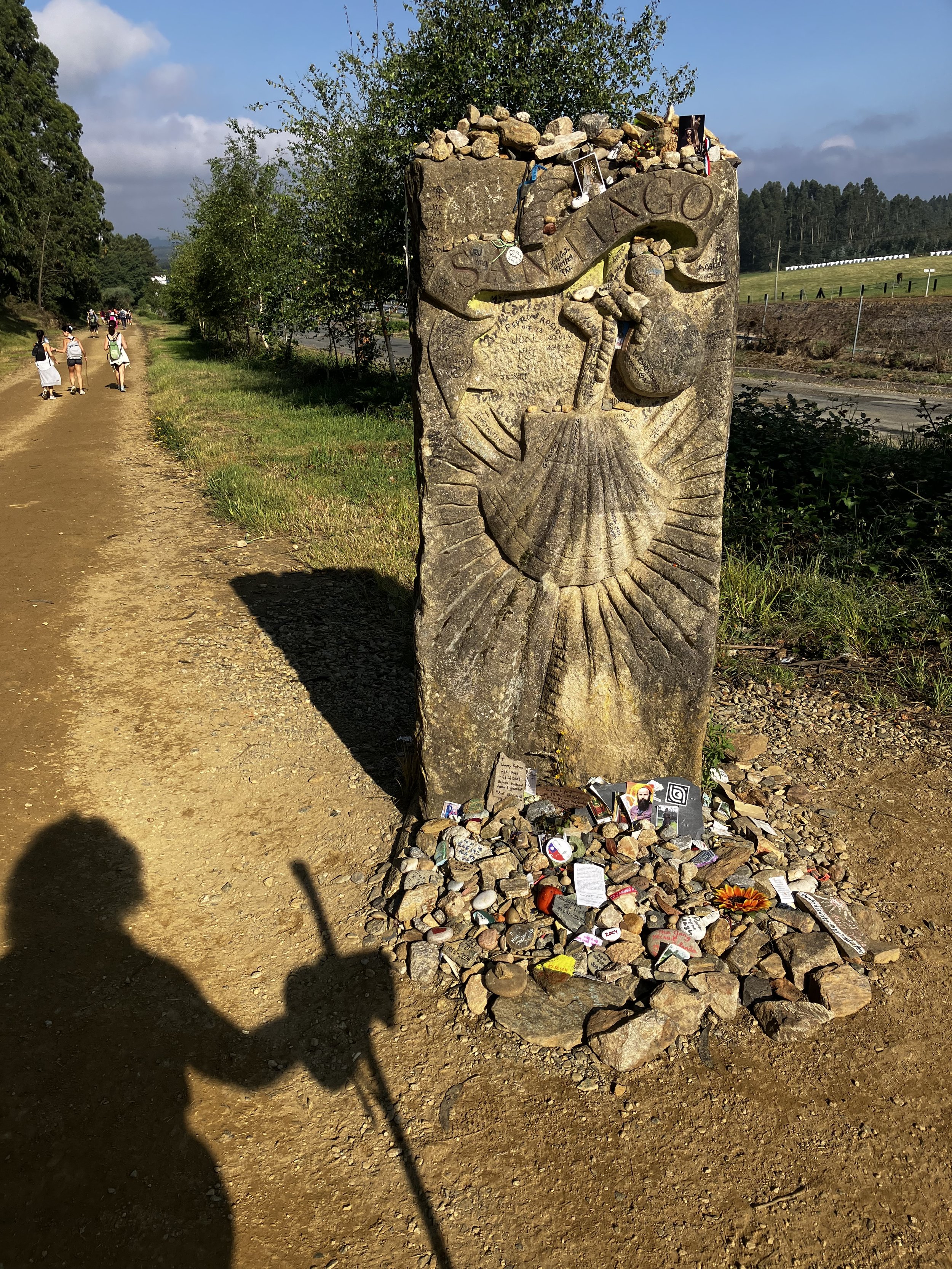
From Pamplona (The first Major City on the Trek) we worked our way across to Logrono, 4 days walking from Wind Turbine to Wind Turbine, and being greeted in Puente La Reina, Estella, and Los Arcos by Churches of all shapes and sizes. The Camino de Santiago, while it may have began as a religious pilgrimage, has morphed over the years to being one taken for myriad reasons, health, introspection, bucket-lists, and vacations. In our case, I was interested in the Architecture dotted along the way and it was amazing to see even the most rural of destinations was not only being sustained by the Pilgrims passing through to get their Cafe con Leche or their Zumo de Naranja, but also that the churches were the backbones of these spaces. Even the smallest churches still had stamps for our pilgrims’ passport, and being completionists, neither Mom nor I passed on an opportunity to fill our booklets, though were we to do it again, I would like to bring a separate journal just for errant stamp collection. That and a sharpie or a pile of branded stickers, because the amount of Buccee’s stickers and “creative vandalism” on the mile markers was astounding, but it certainly showed how far flung some pilgrims came to walk this same path. We passed by the famous wine fountain in Ayegui and while neither of us truly drinks, its presence and the words “No Vino, No Camino” are etched in my brain after each pilgrim’s meal and untouched bottle of dry red.
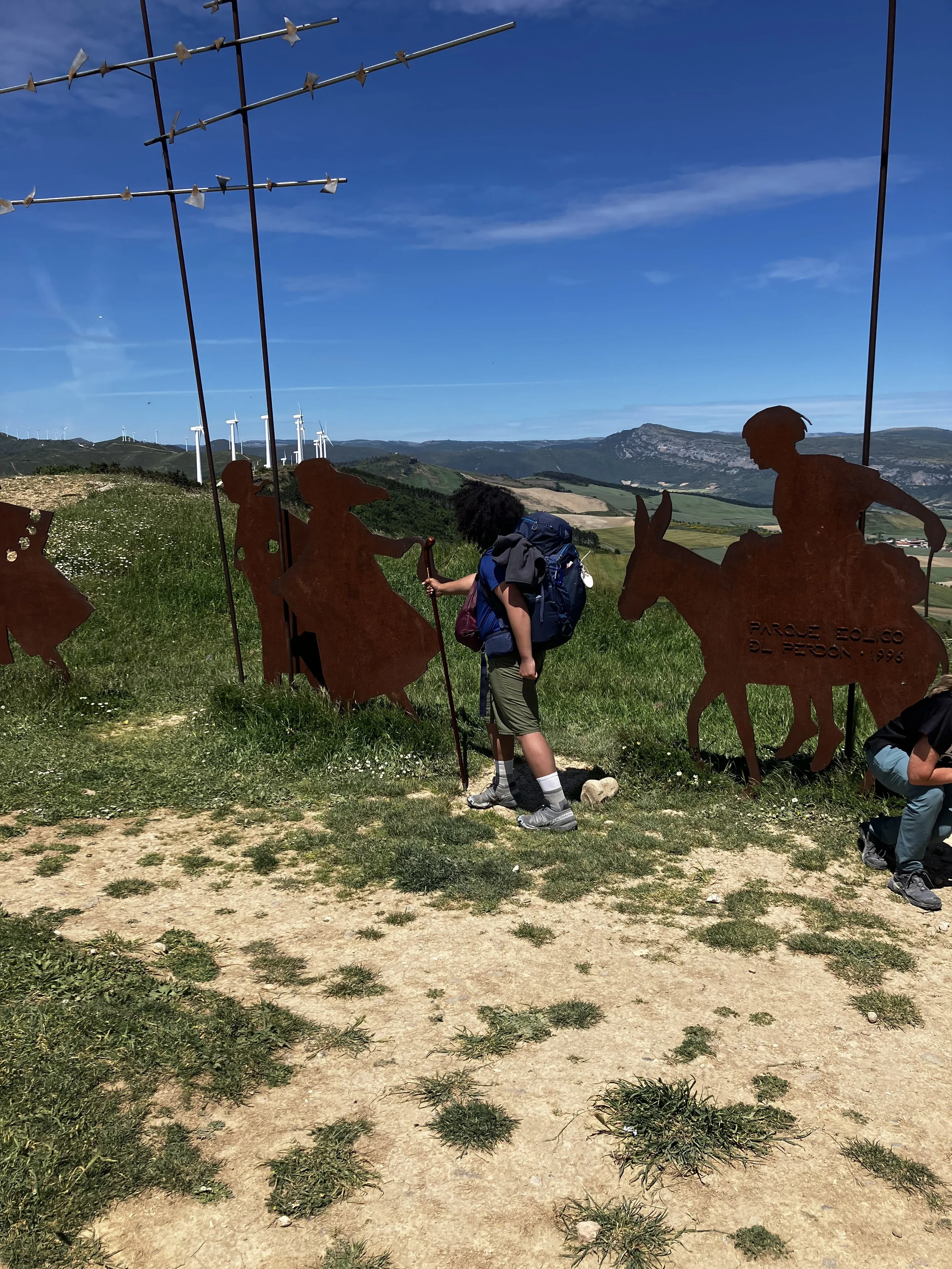
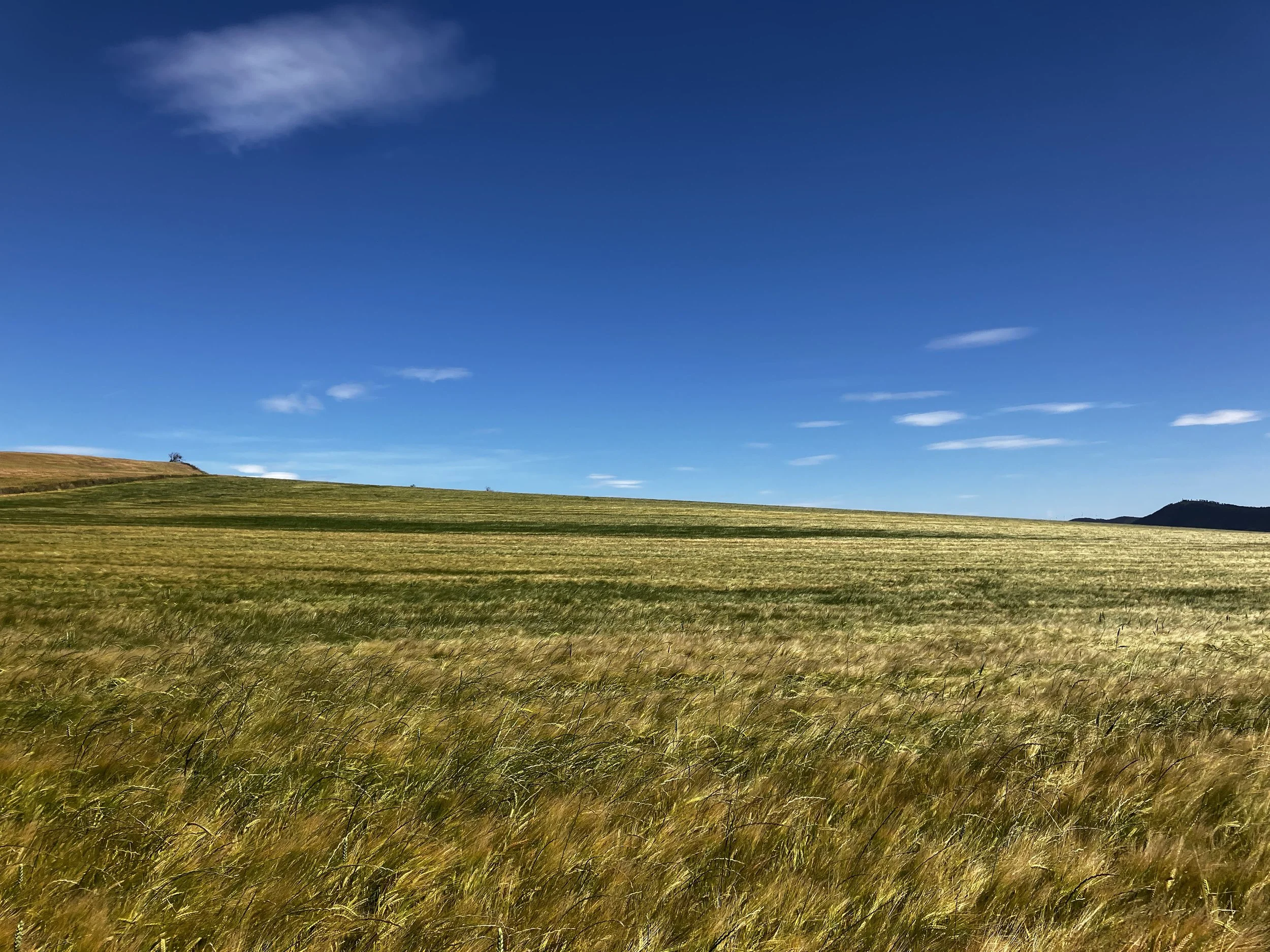
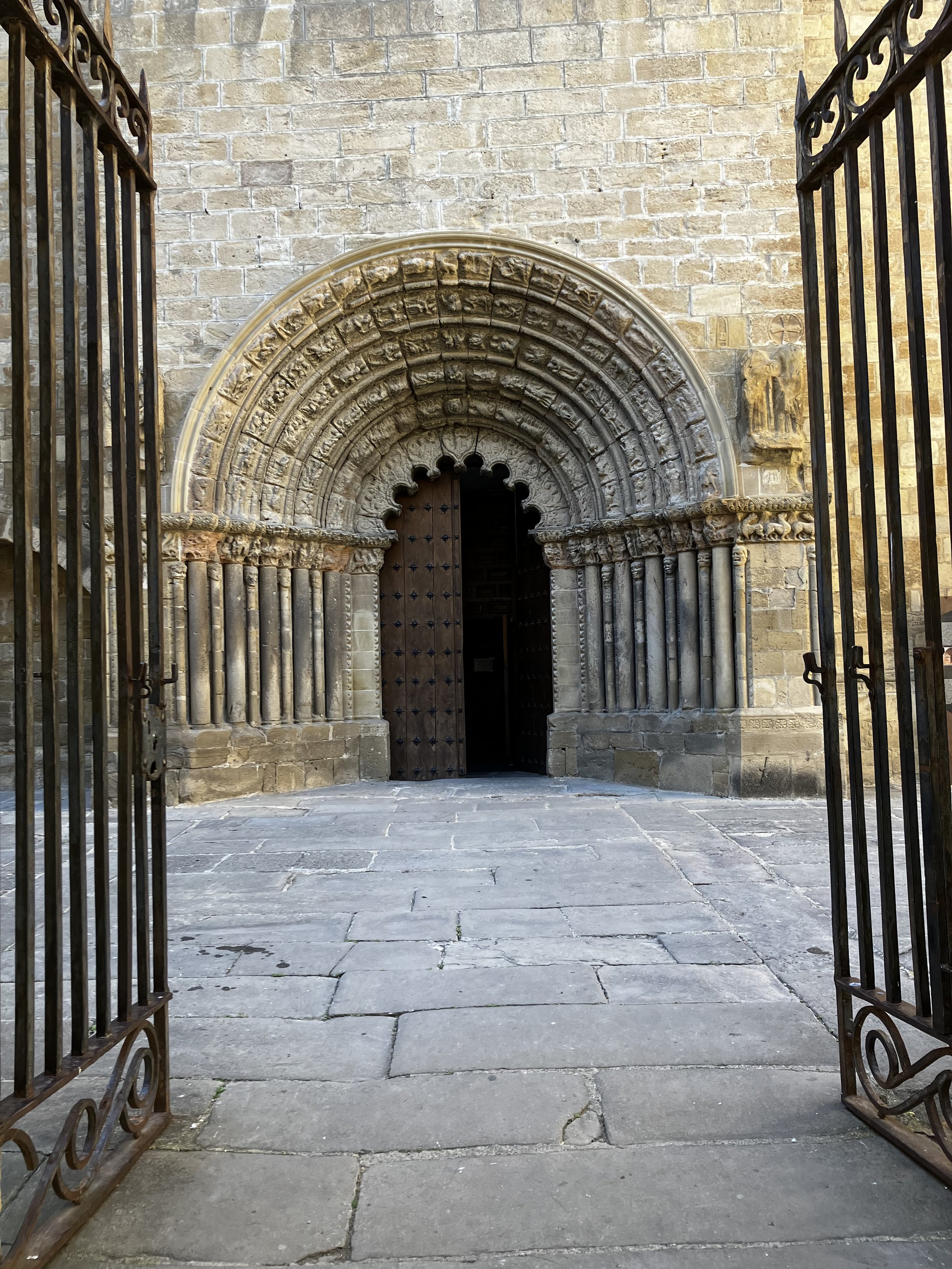
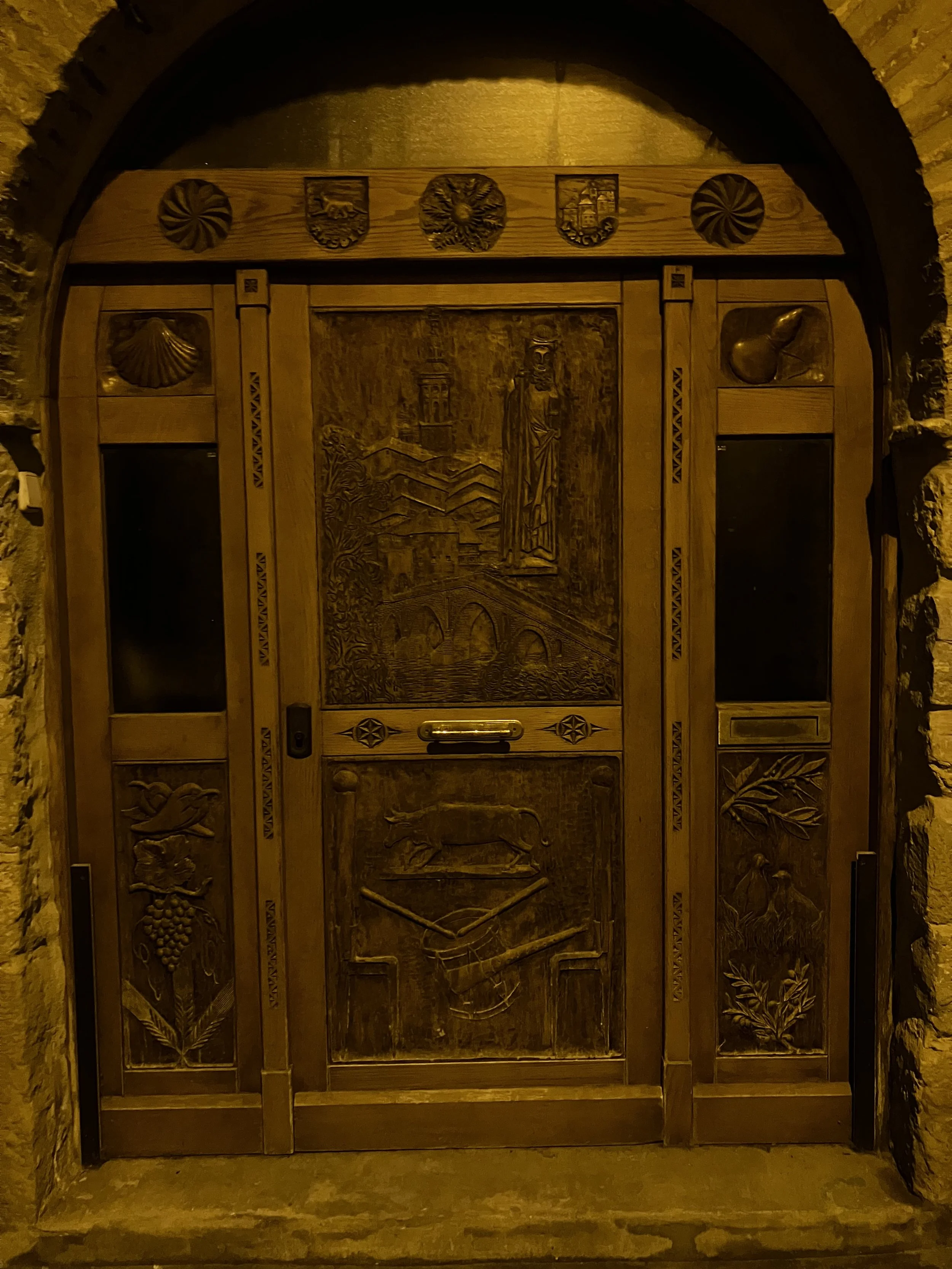
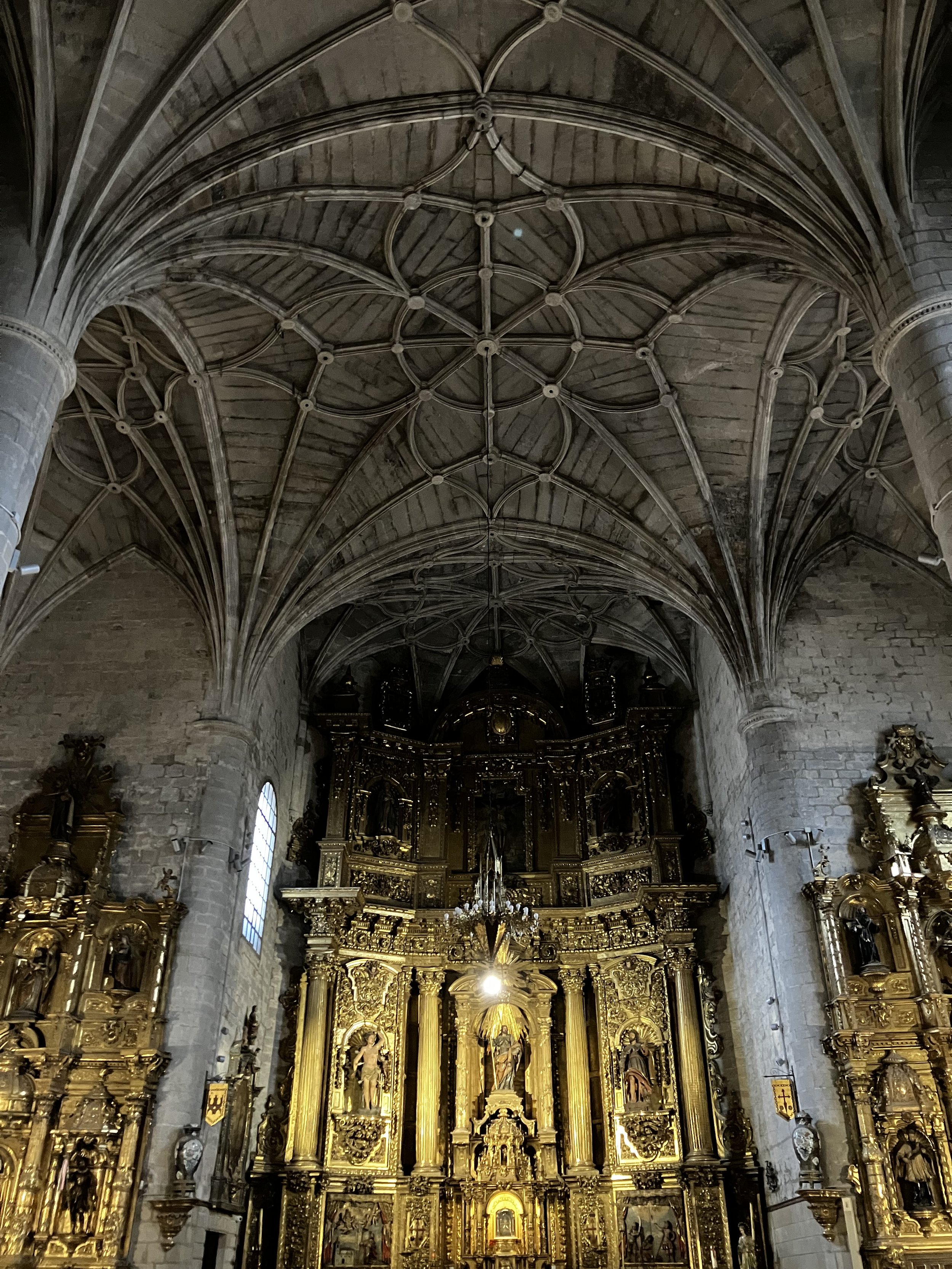
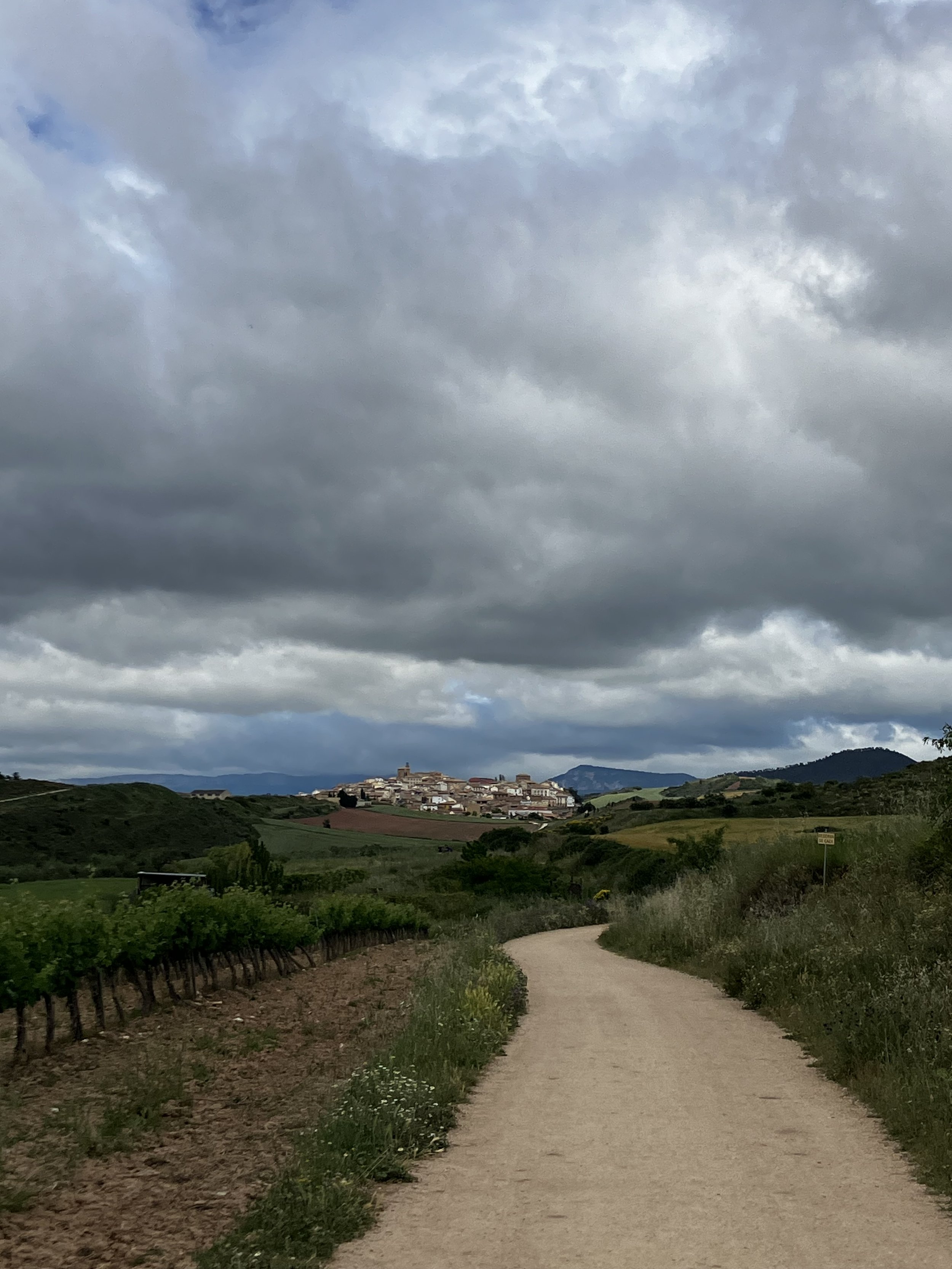
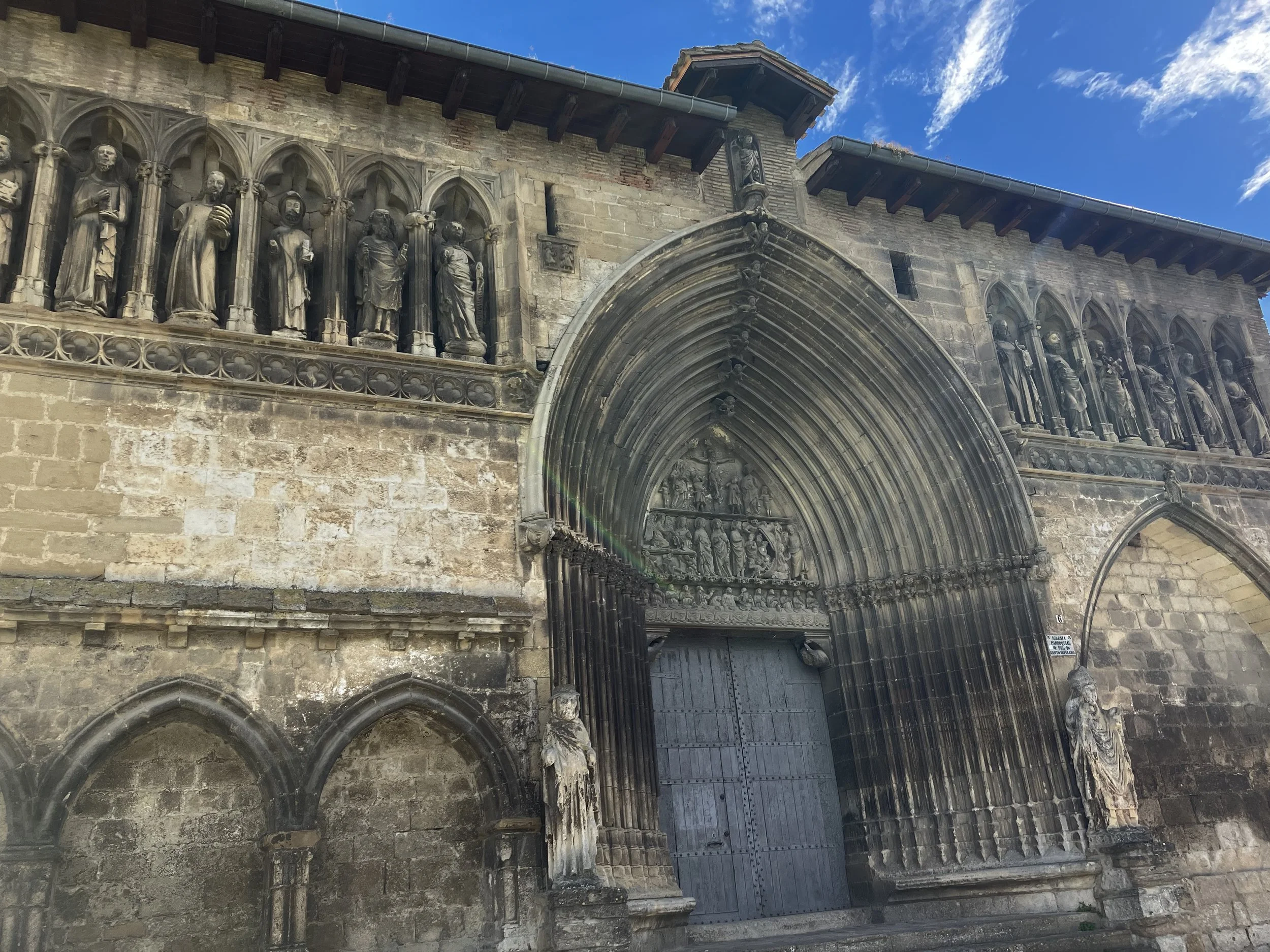
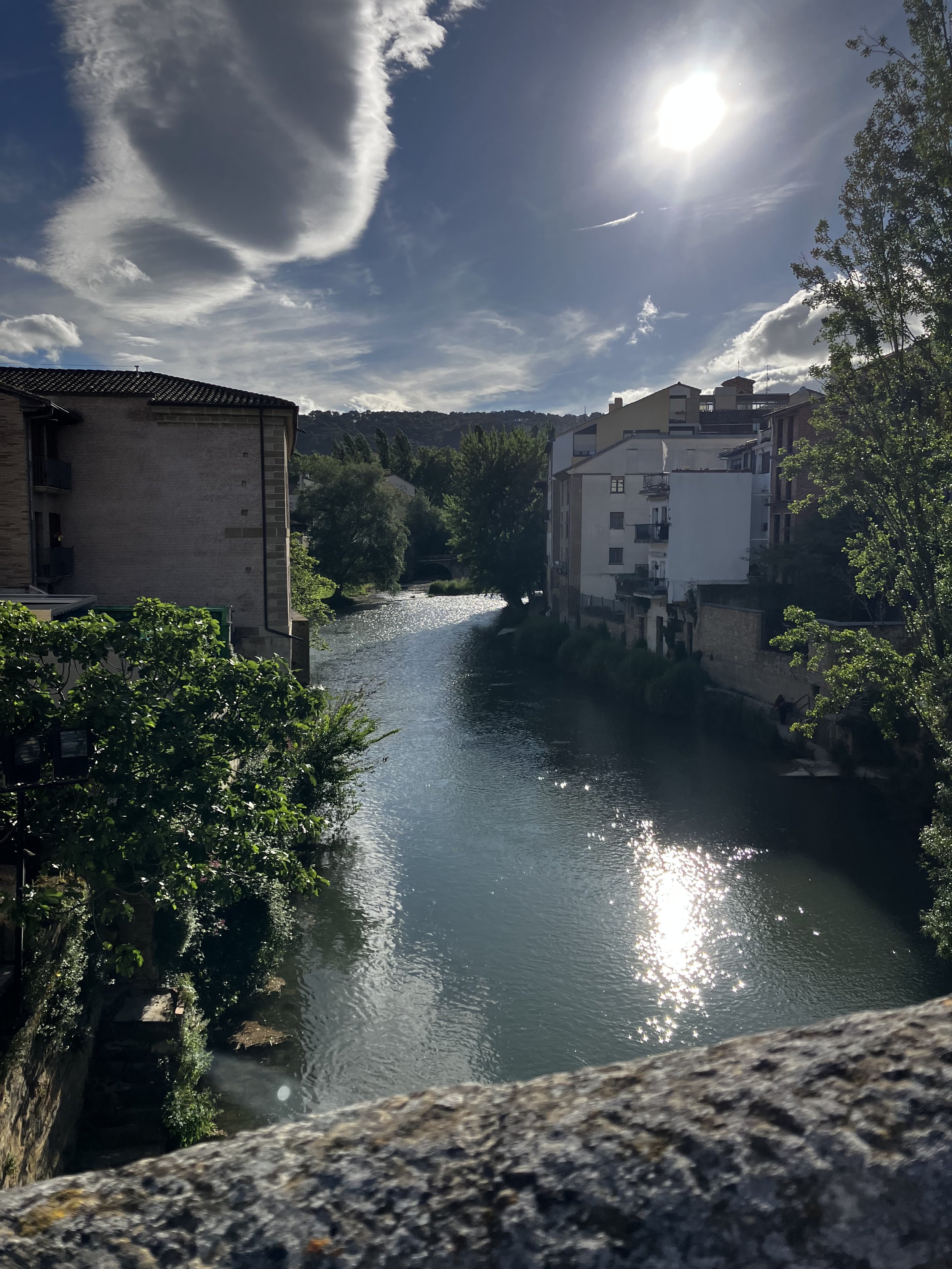
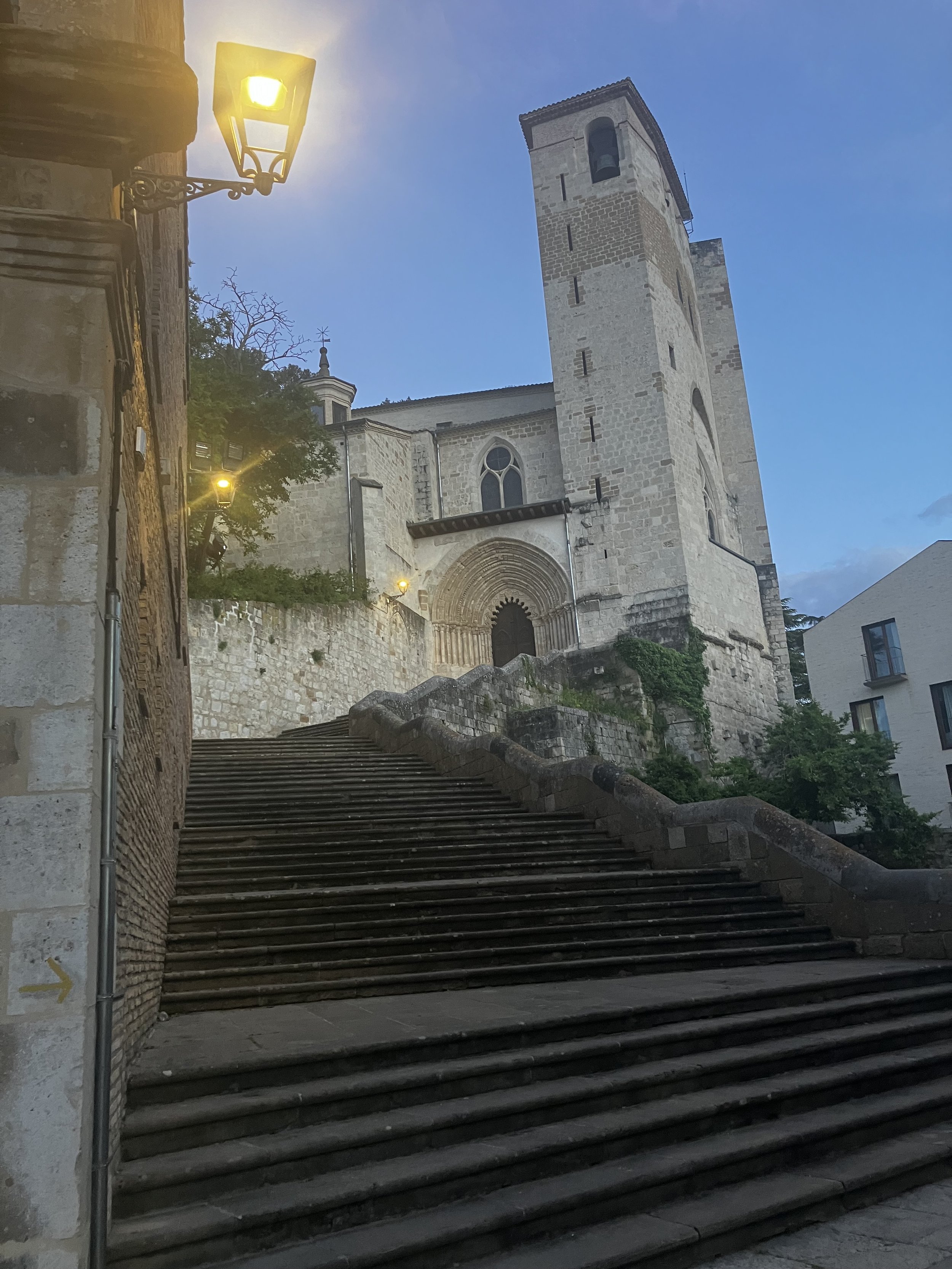
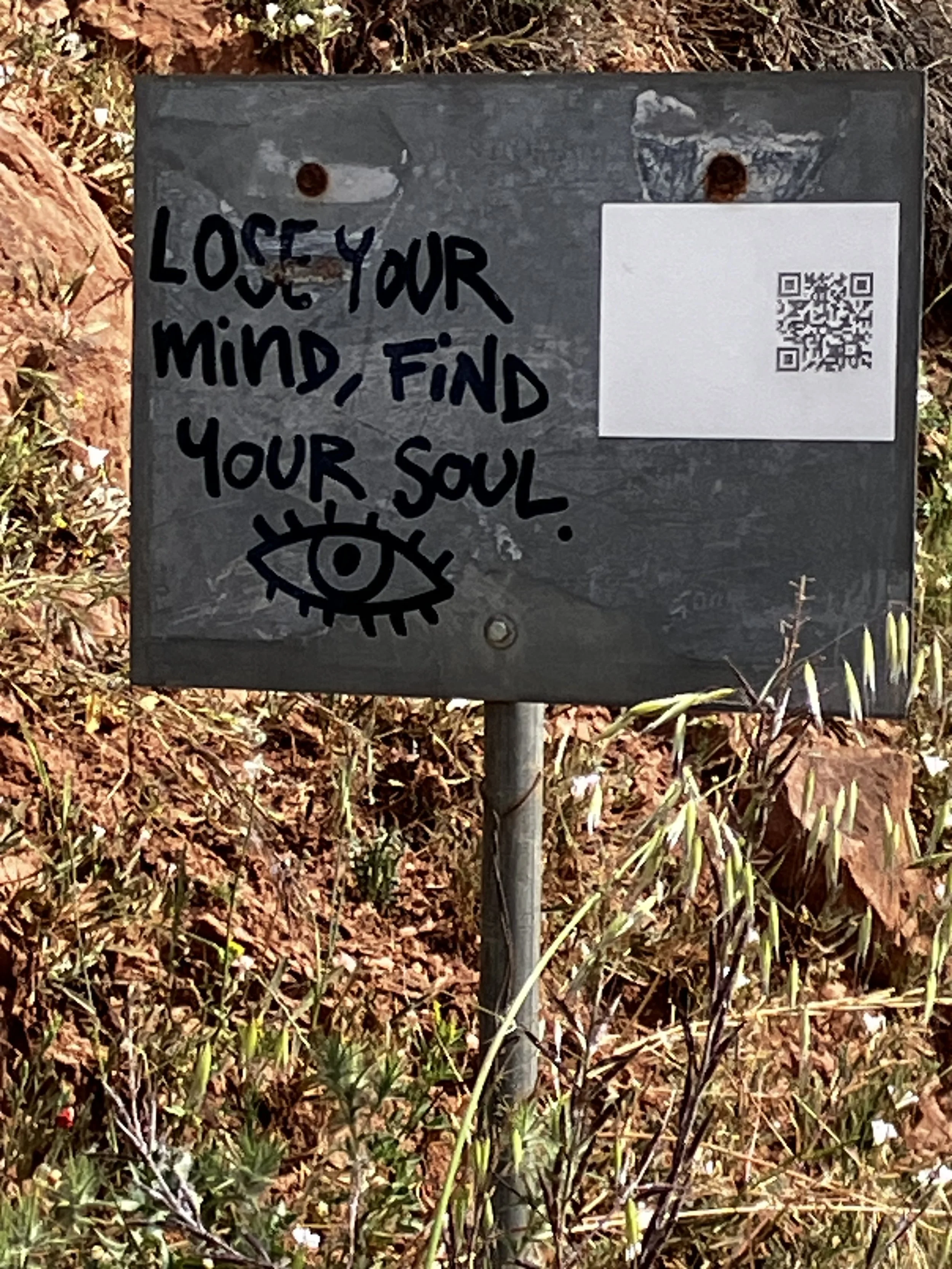
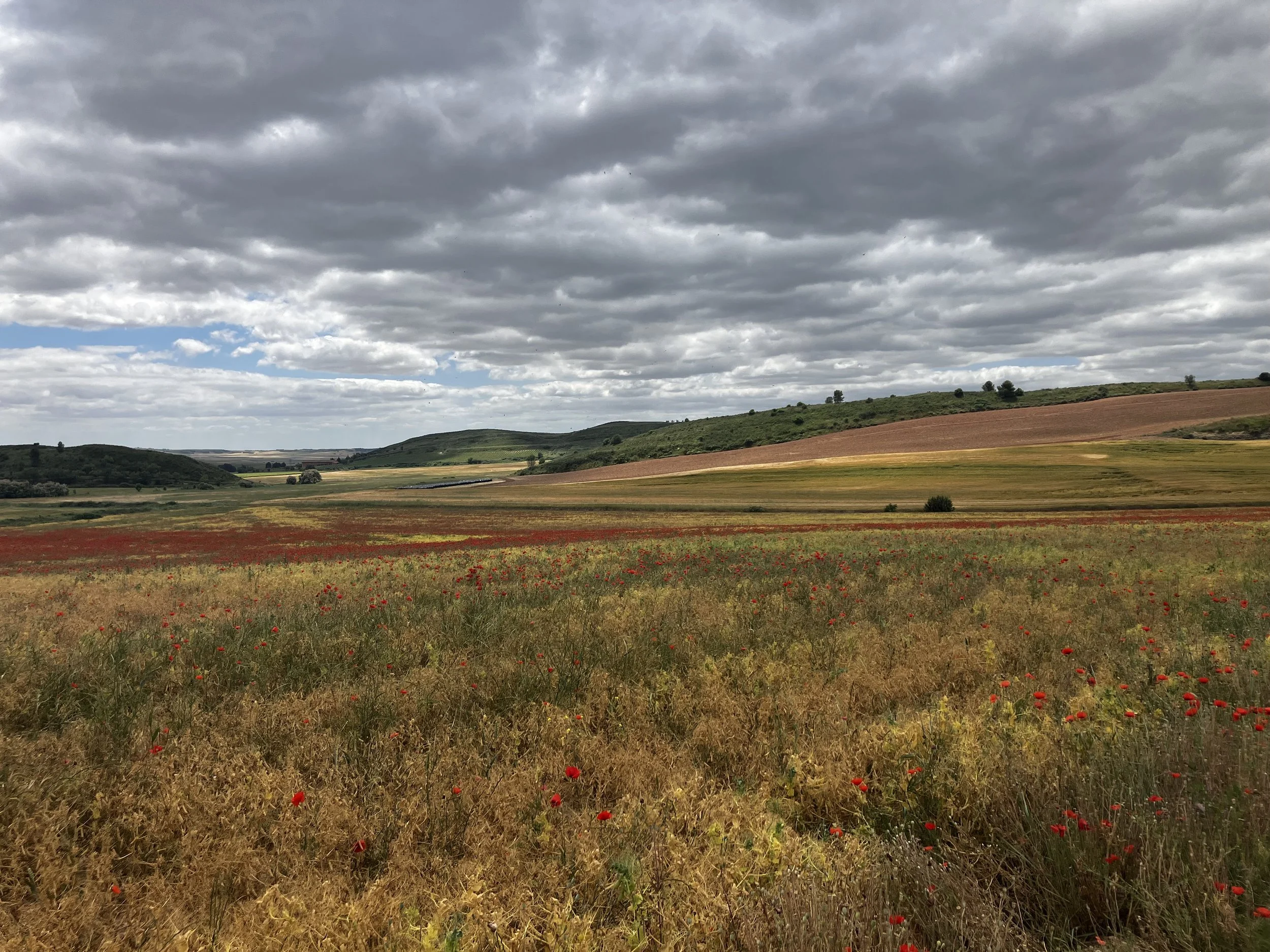
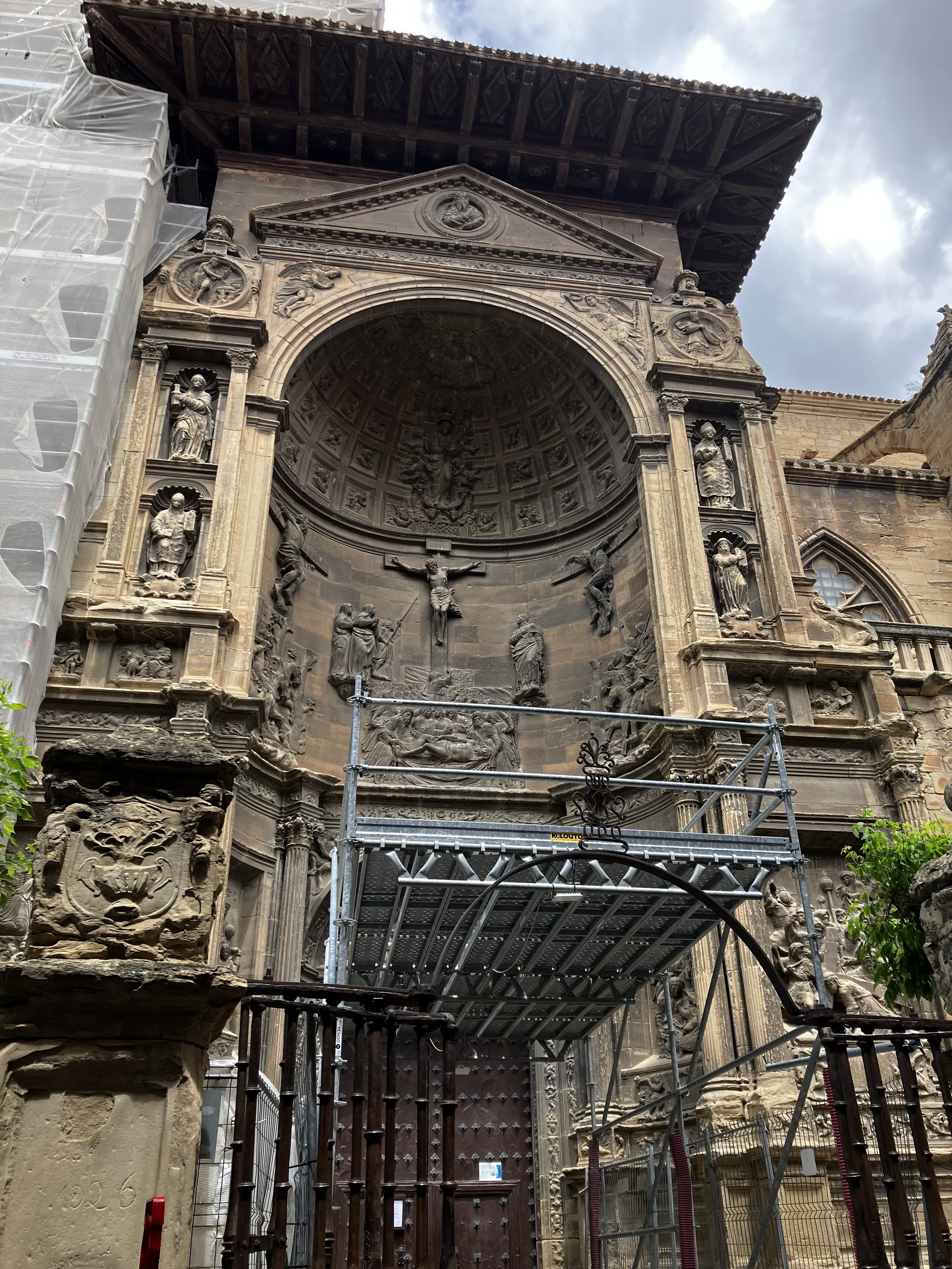
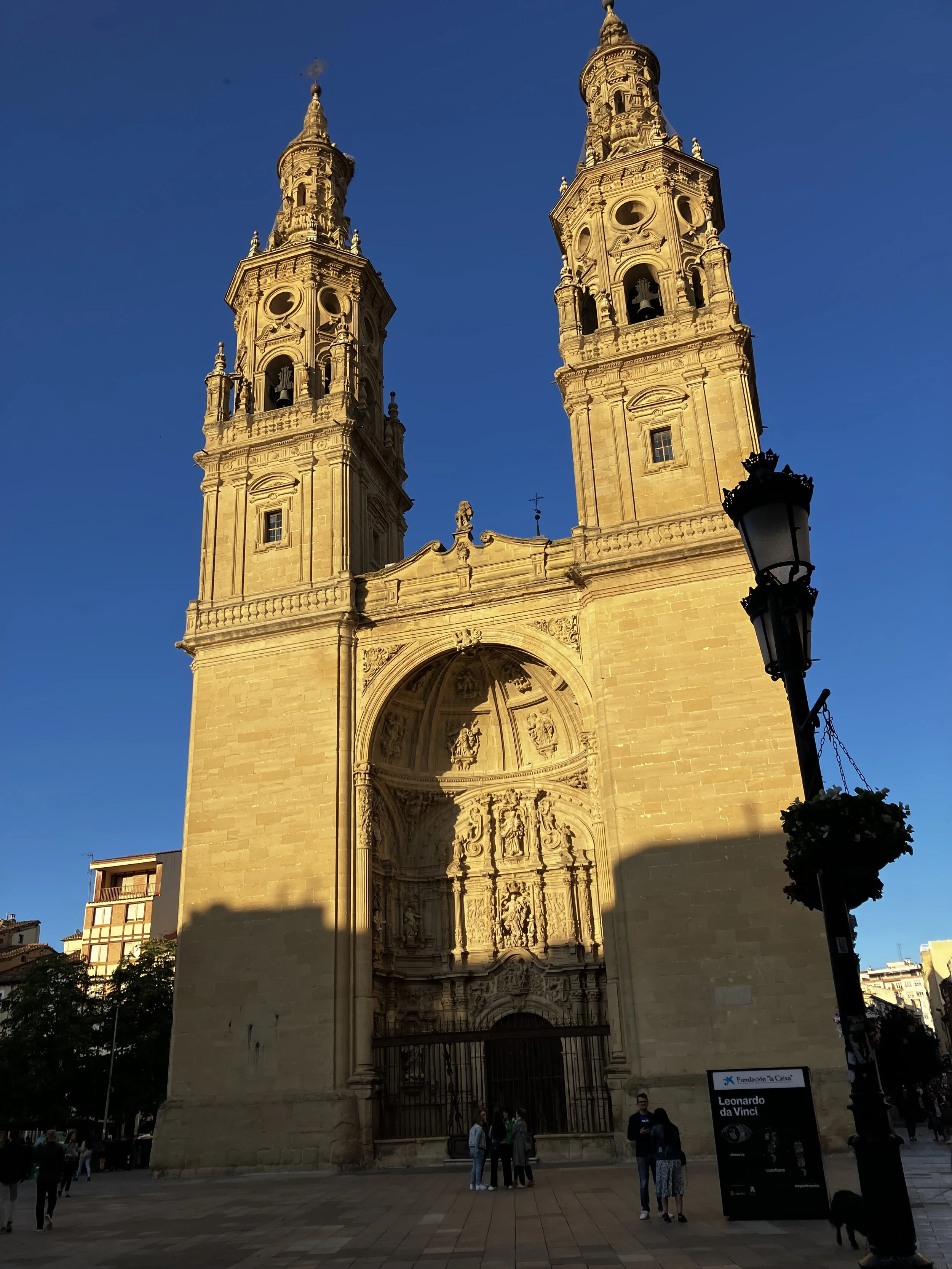
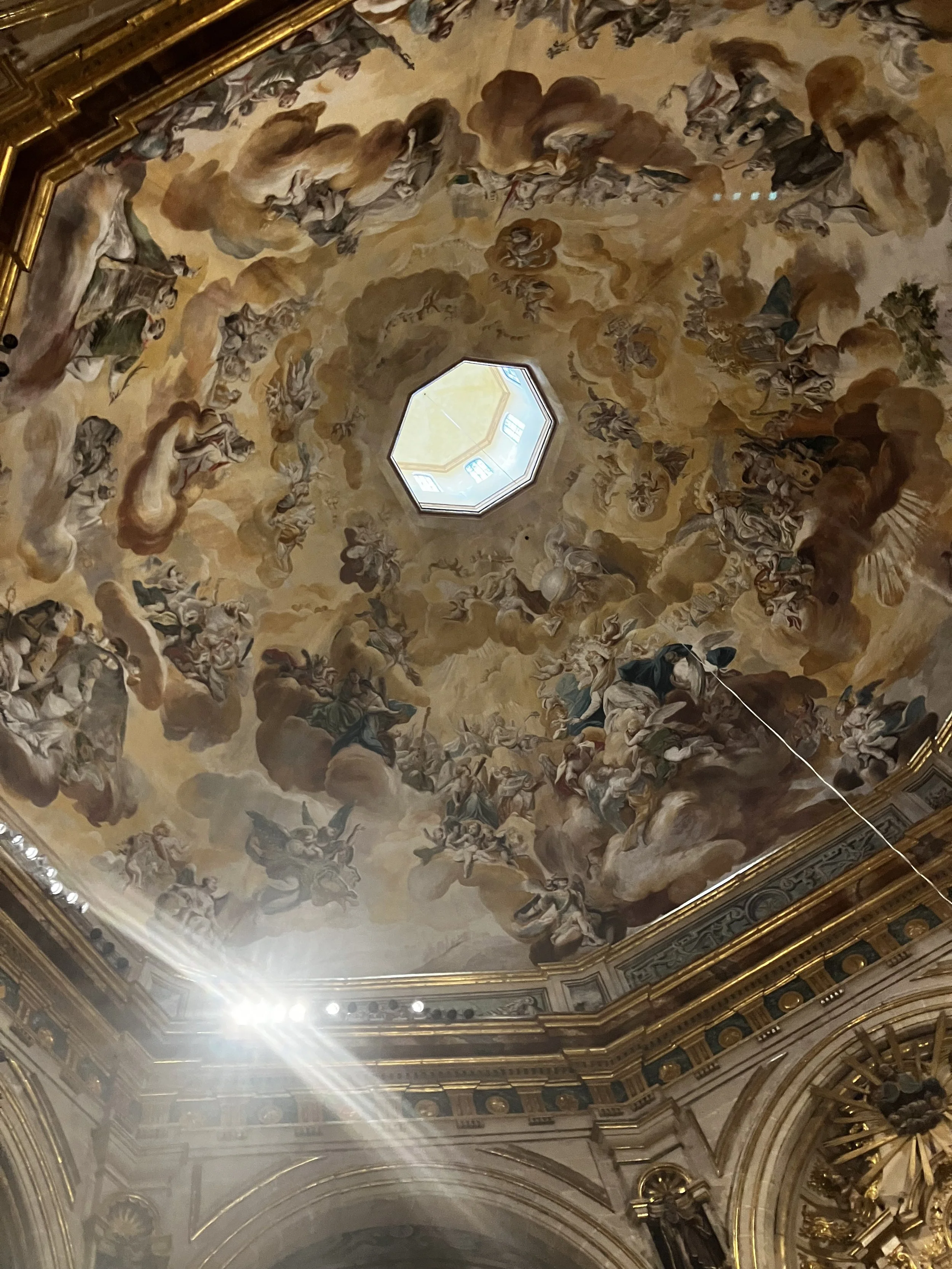
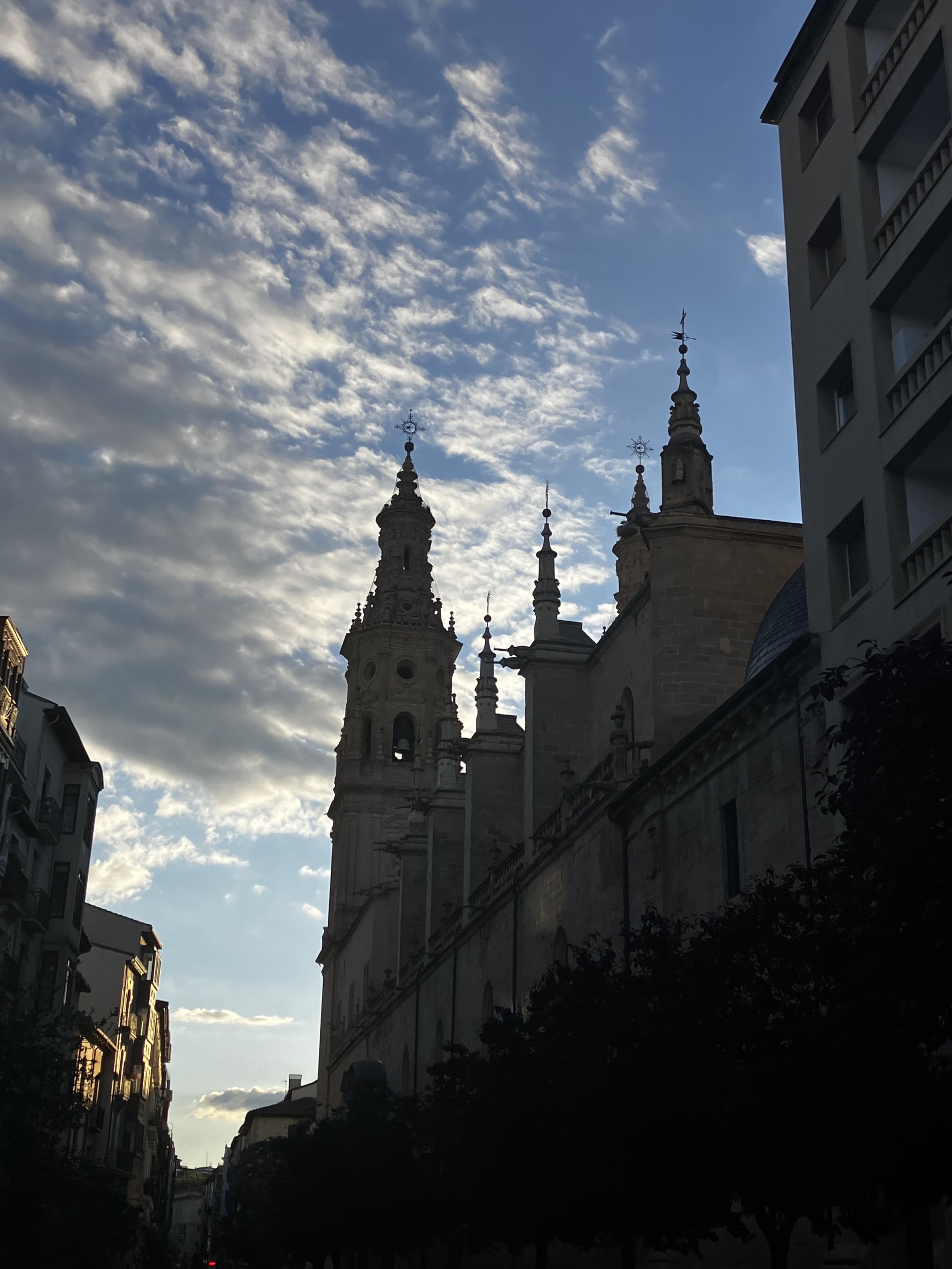
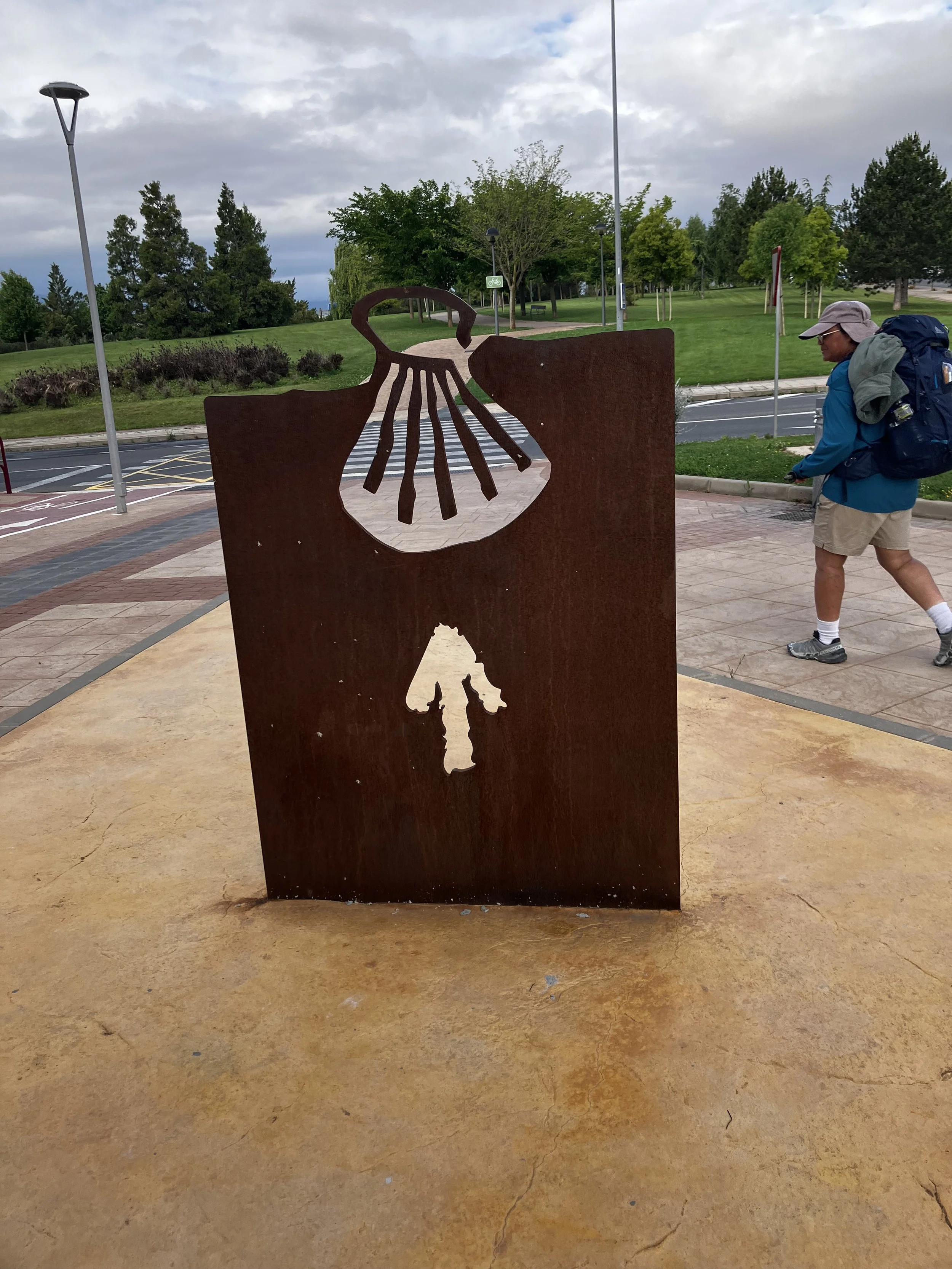
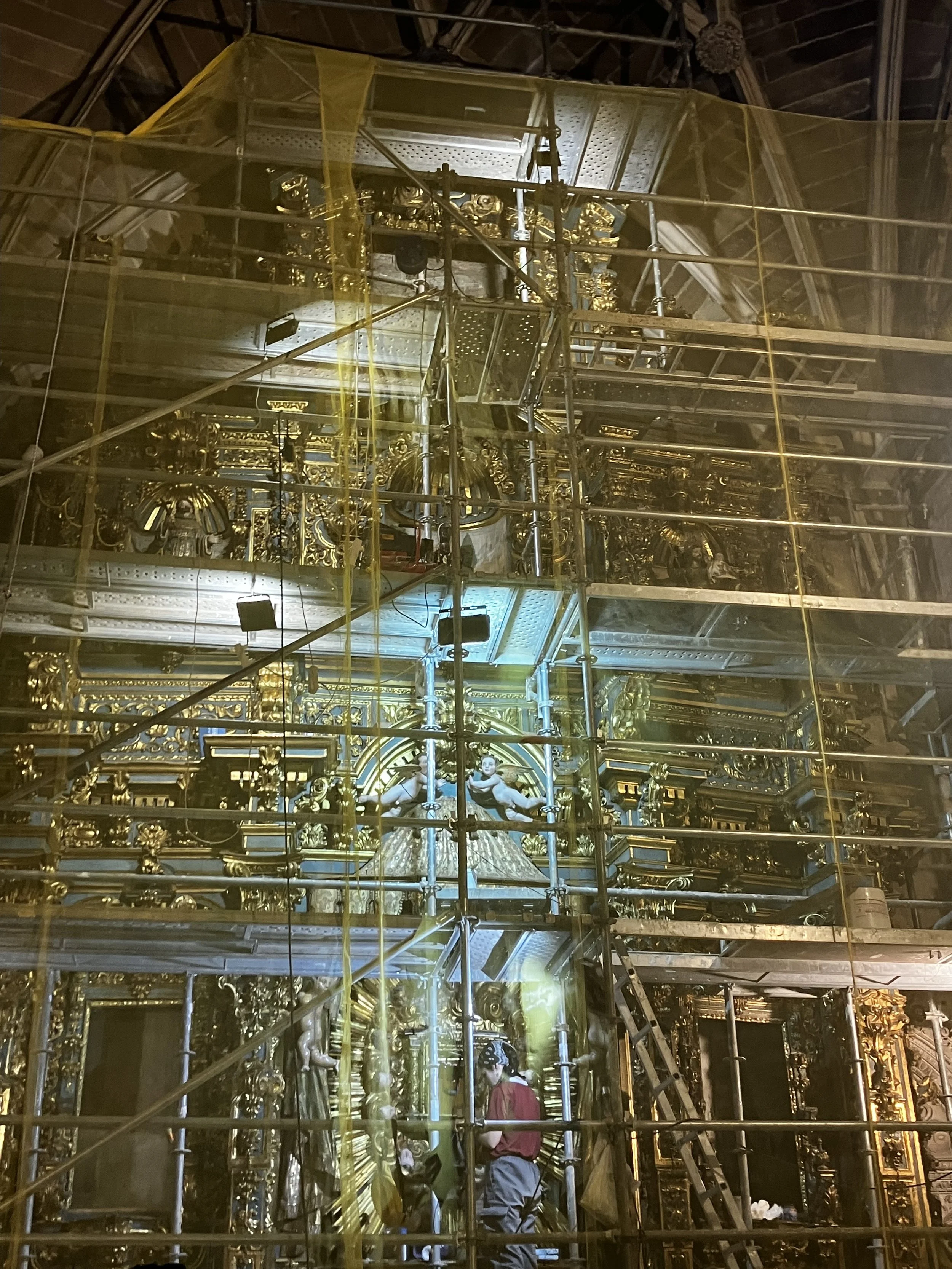
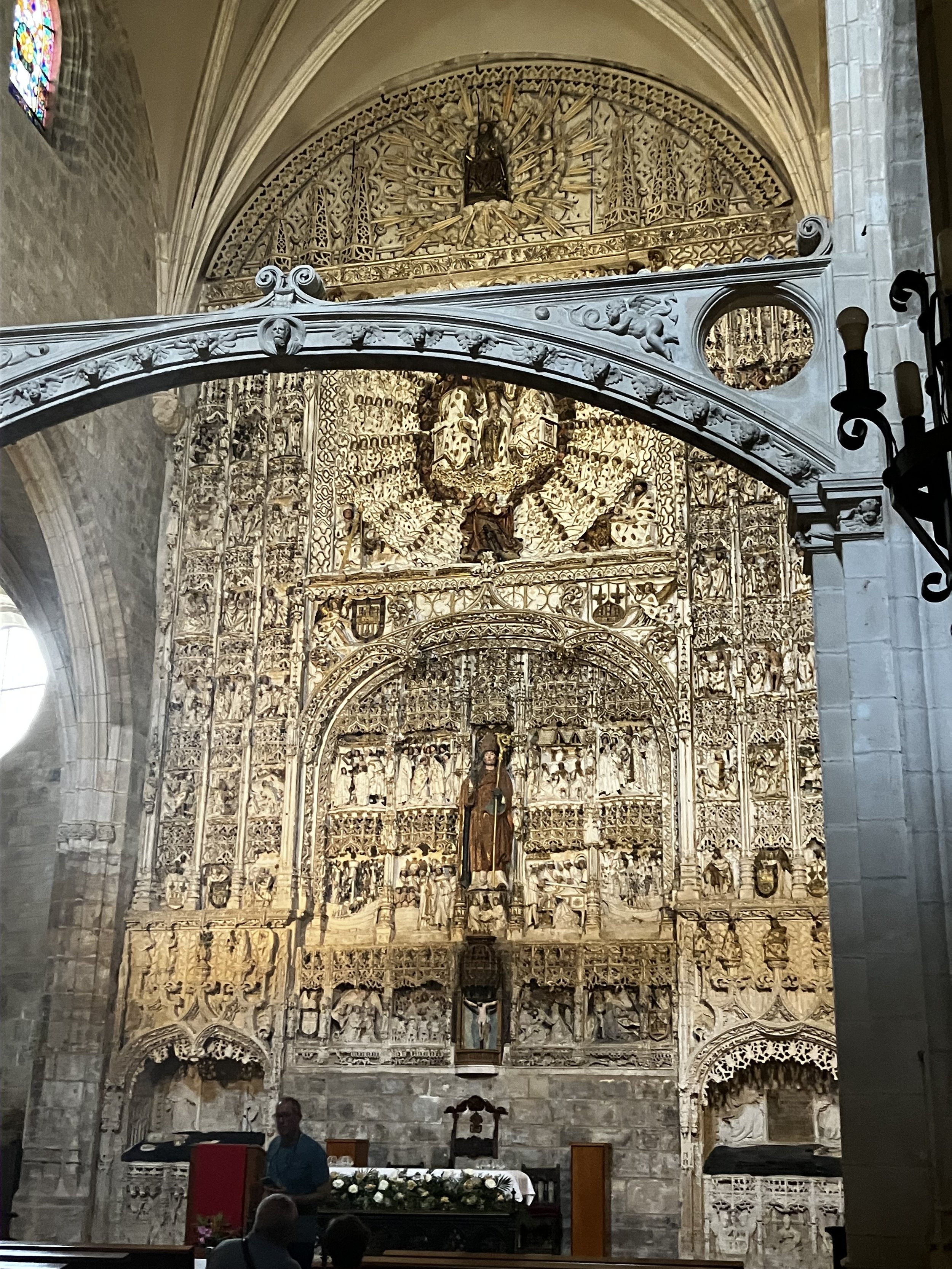
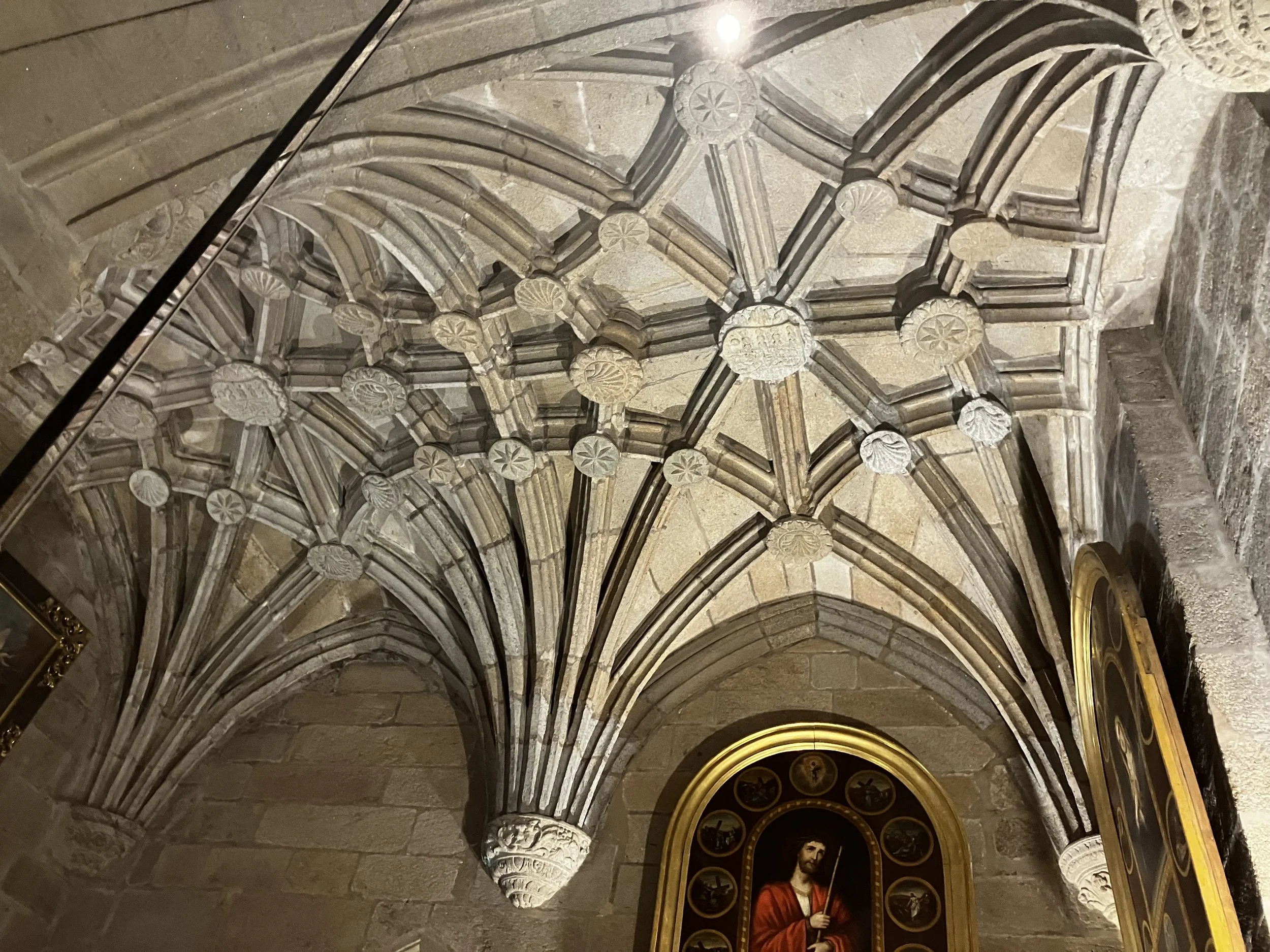
Logrono to Burgos was the next leg of the Camino, and one I felt pressure around considering I had an interview to partake in in the middle of it all back in the US (Finding a collared shirt in the middle of Rural Spain was a struggle and a half). But barring that experience the truly stunning nature of the buildings around me was inspiring parts of my detail-oriented brain to think of just how long craftspeople labored to make these spaces feel like heaven on earth (Years to Decades in some cases). Carvings, Gilding Work, Masonry, Painting, Carpentry, working hand in hand to show the immensity of Religion as a force to feel. I tried to take pictures of spaces under repair to see what preservationist work was being done, and one of the most fascinating spots was a Library in Burgos that rather than effect the facade of the building, encased it in a modern shell with automatic doors and glasswork to preserve it in place.
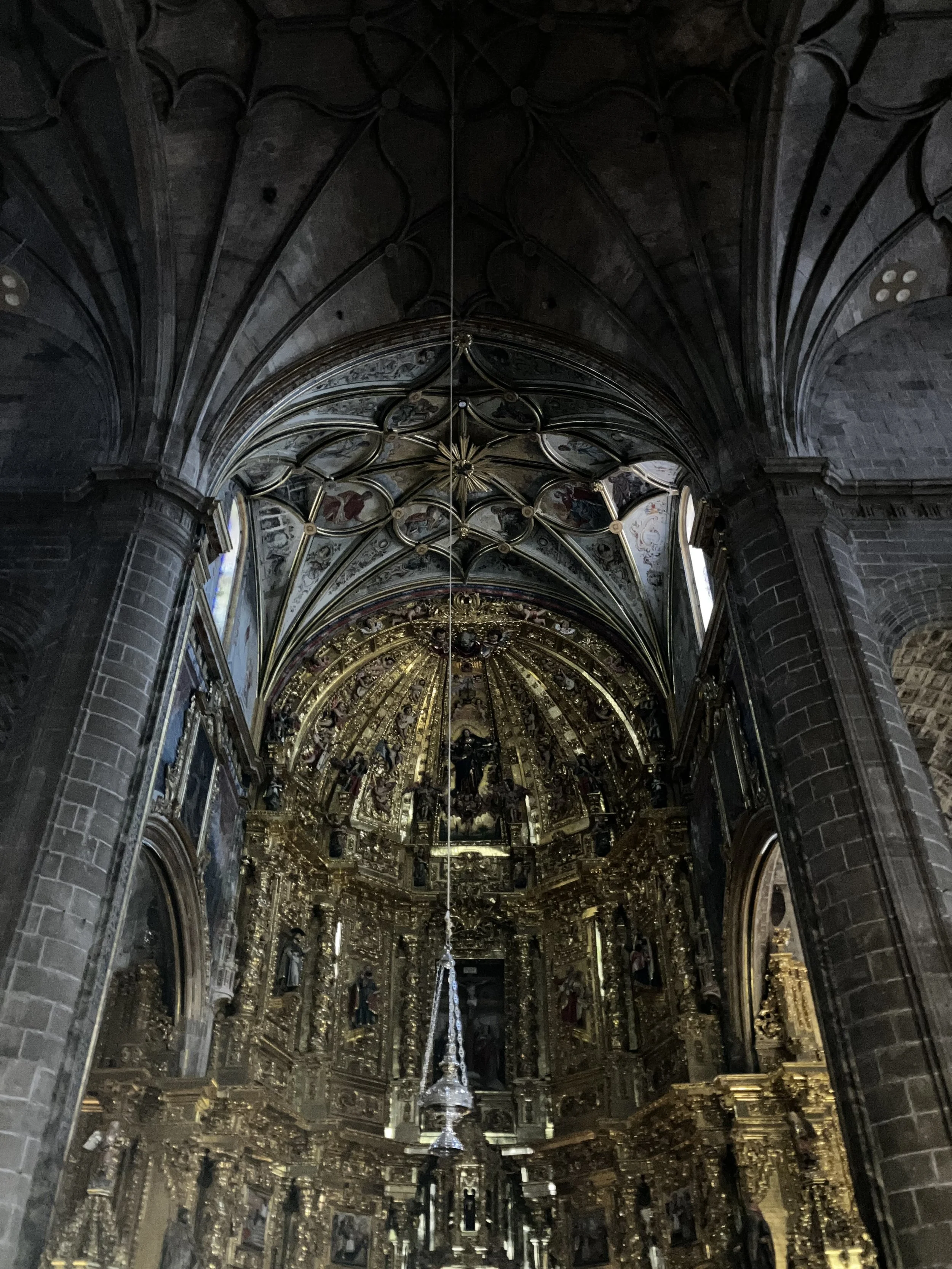
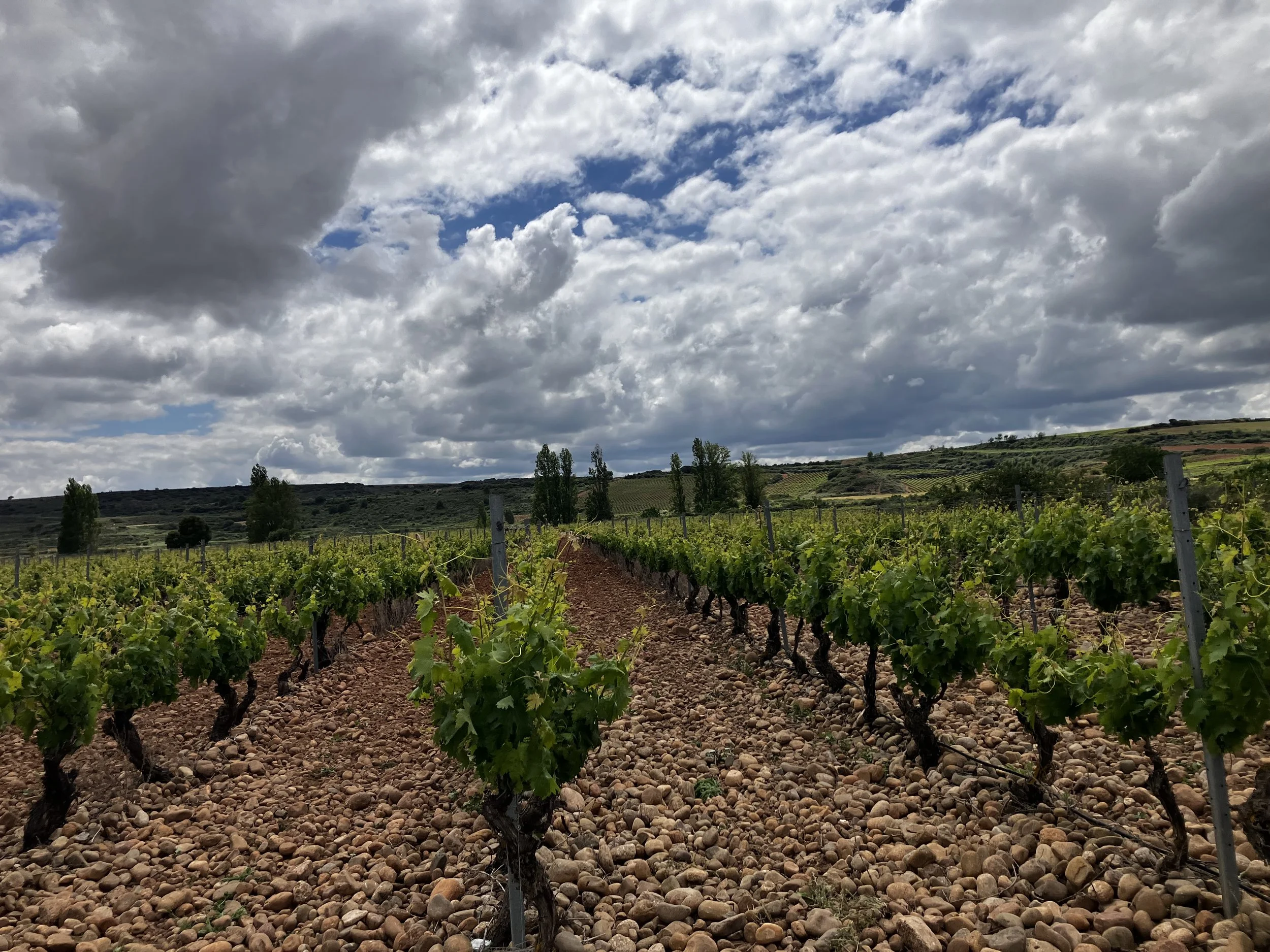
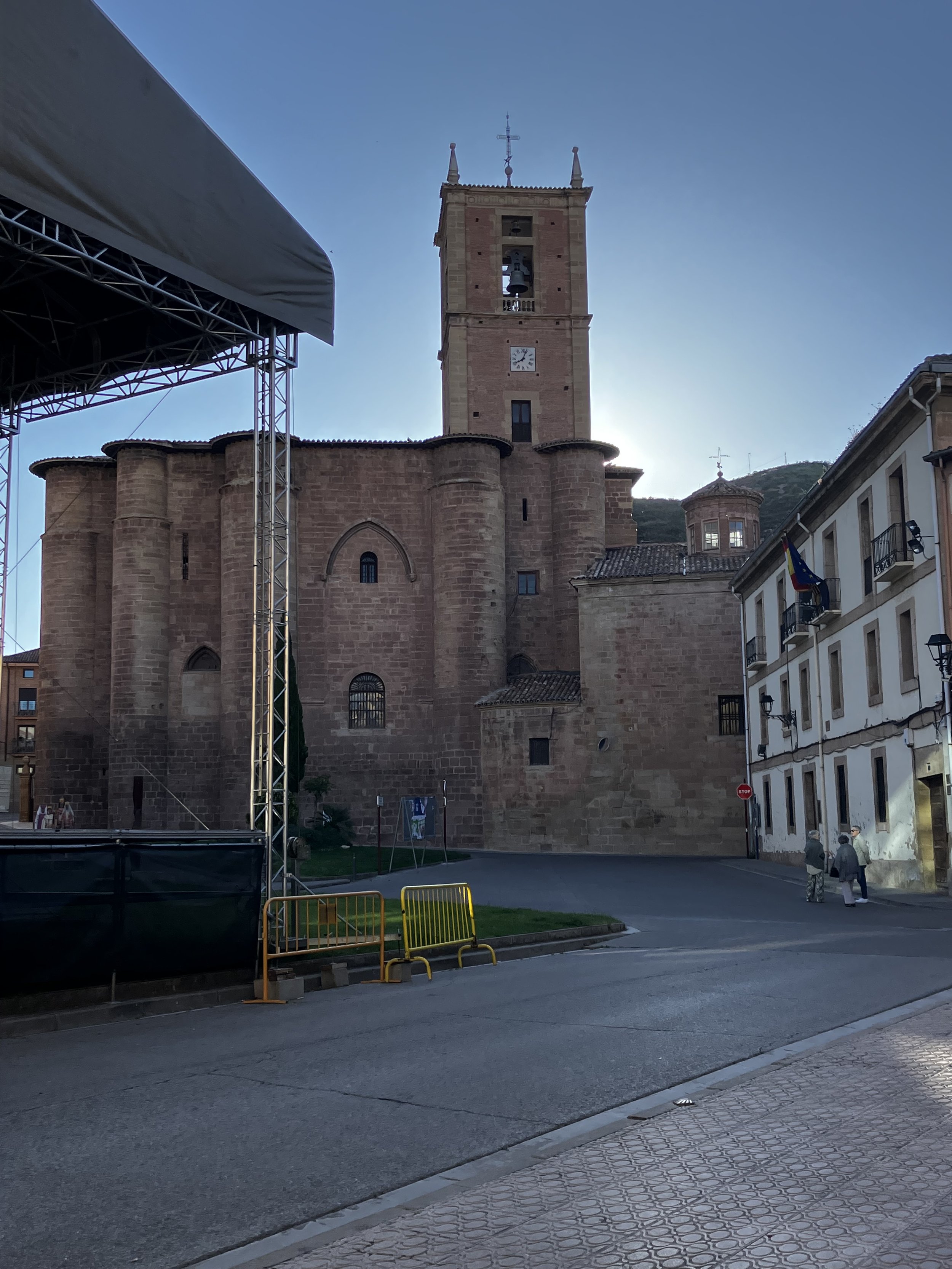
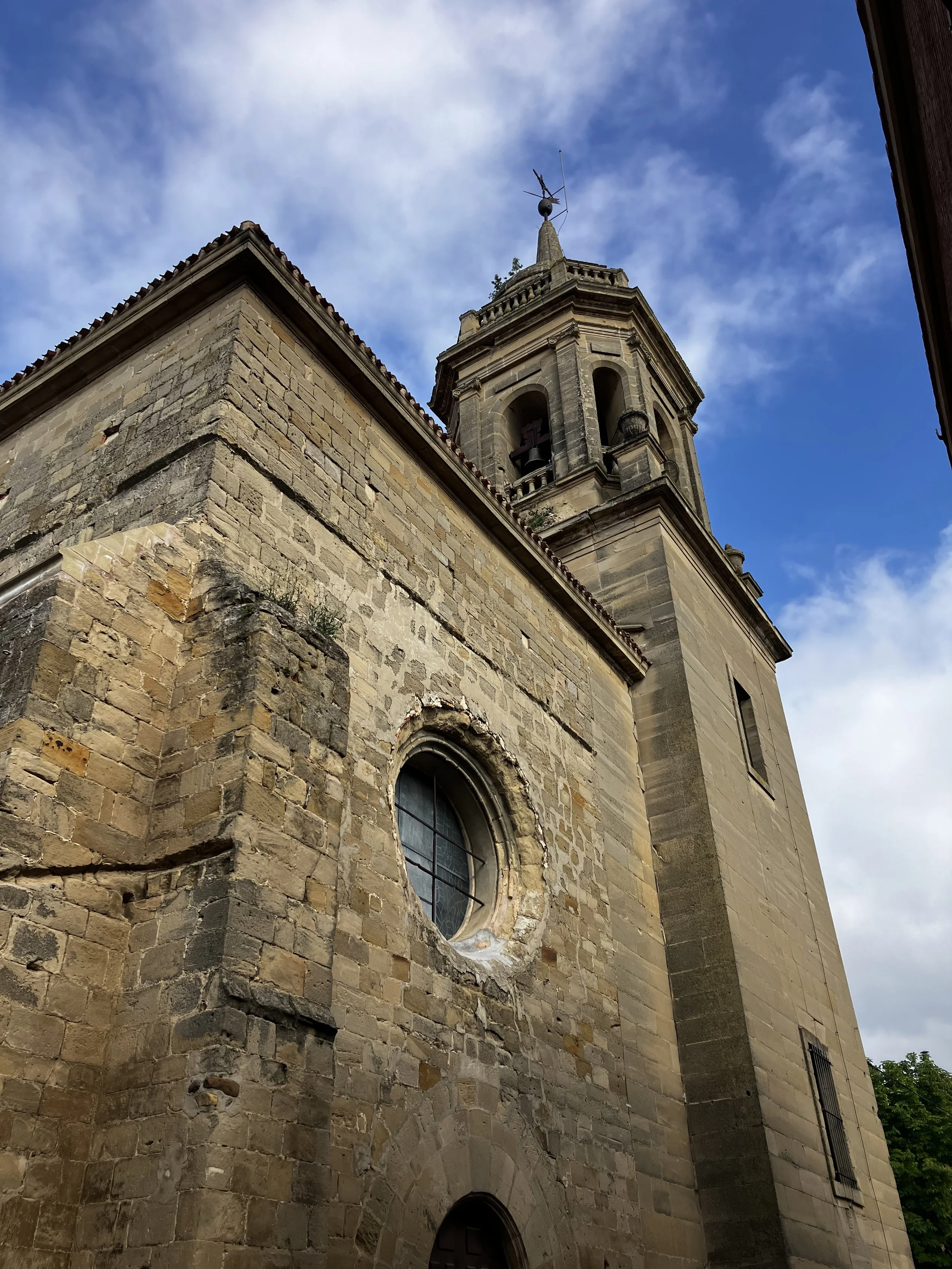
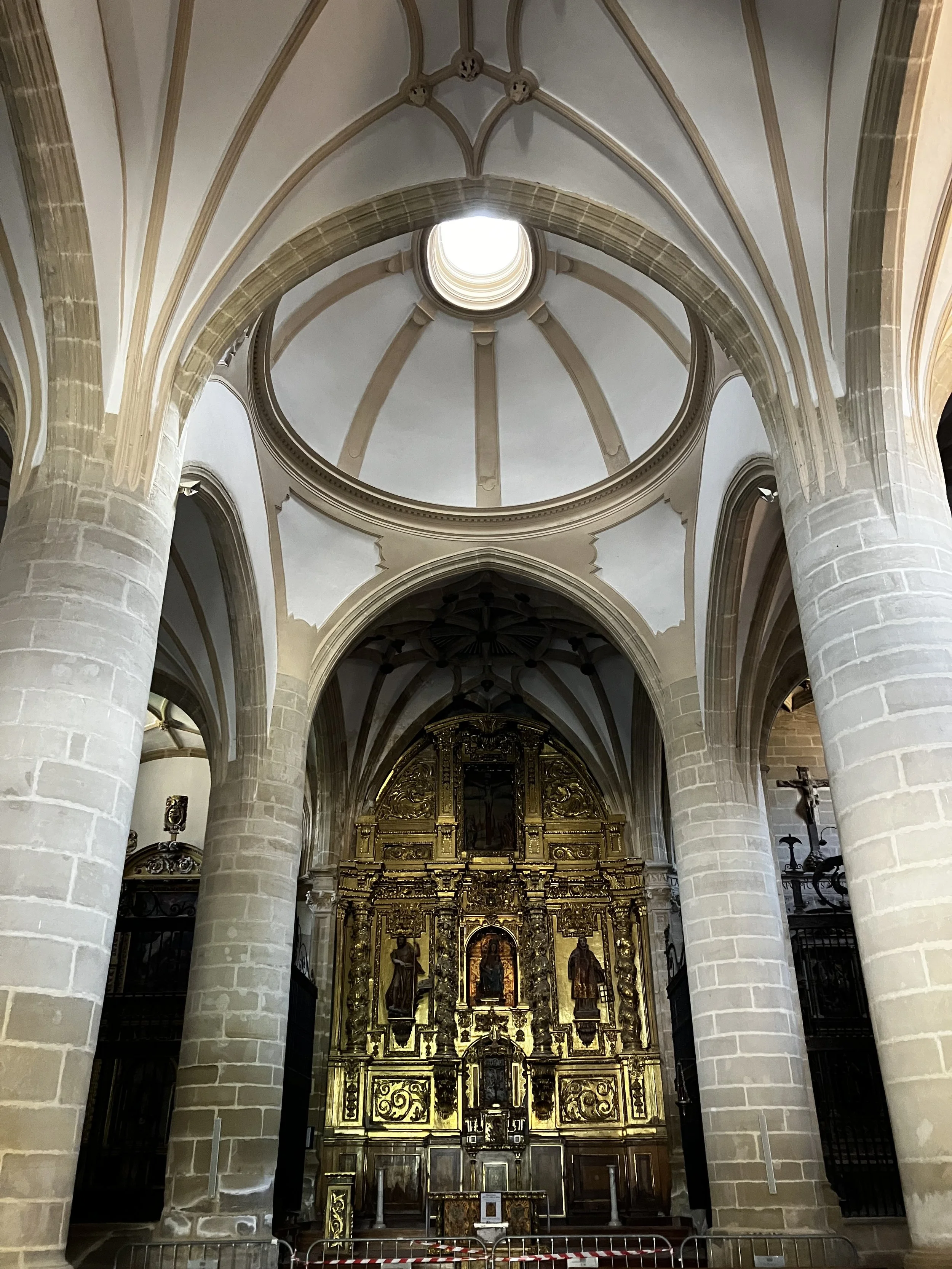
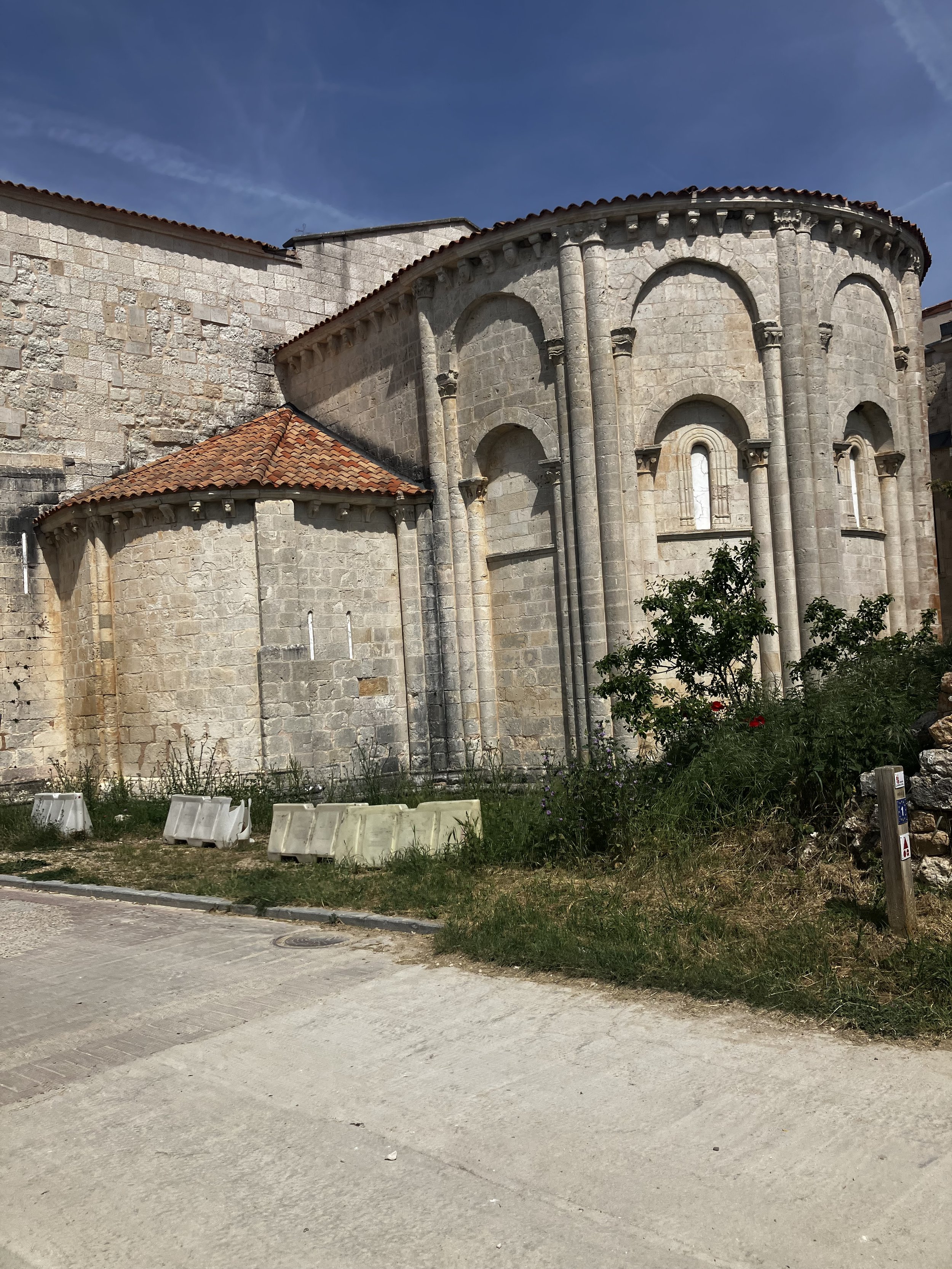
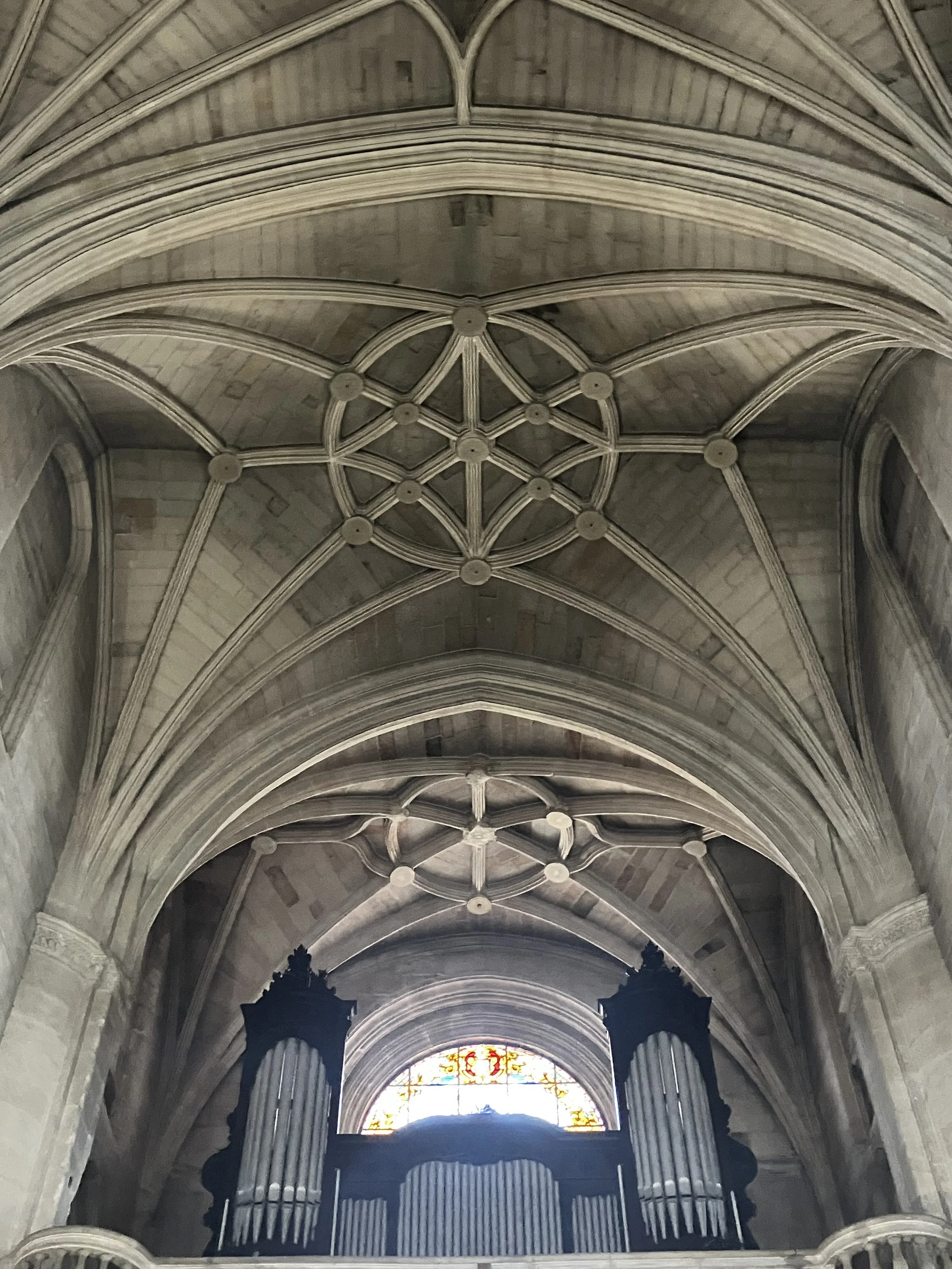
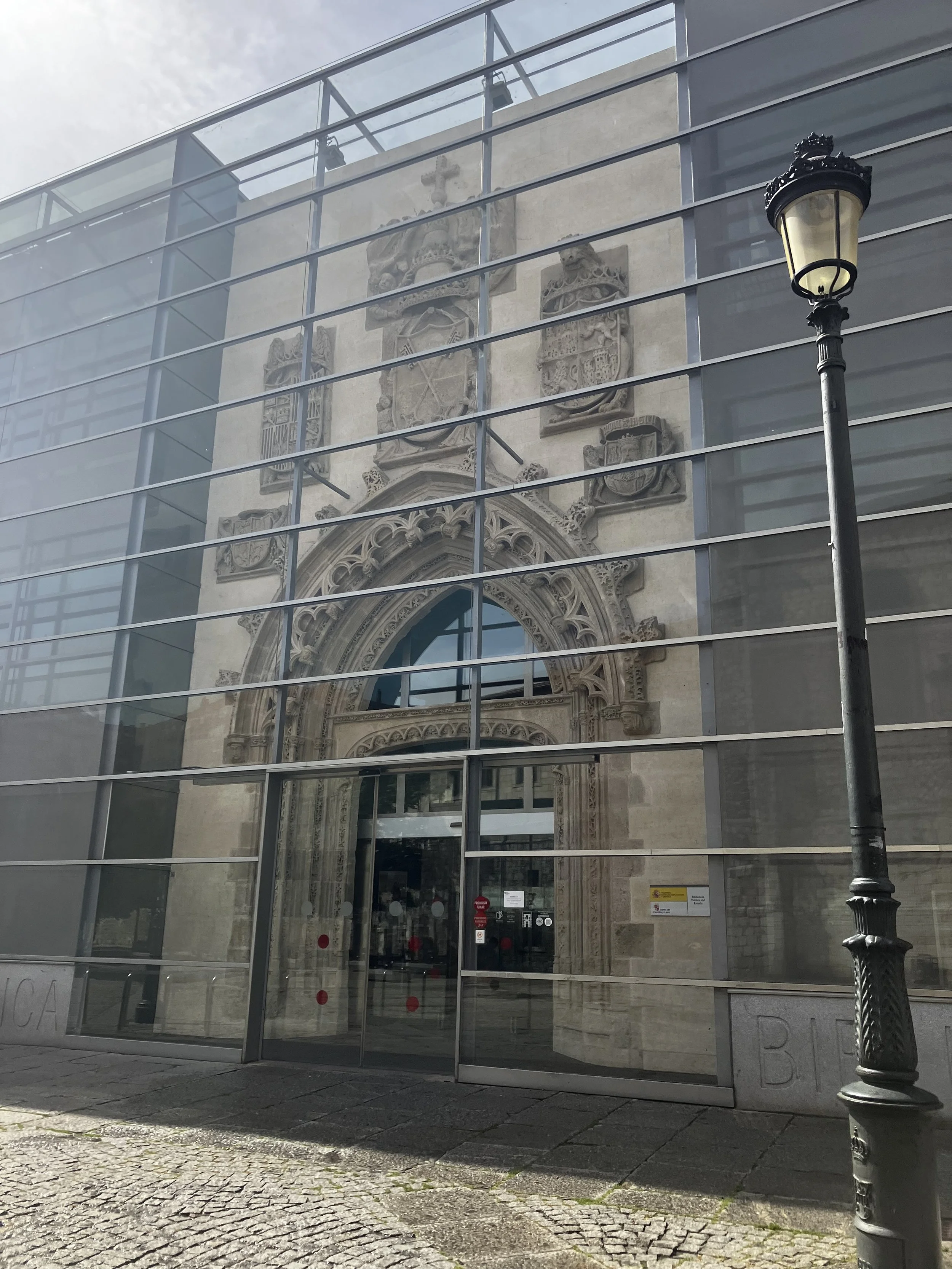
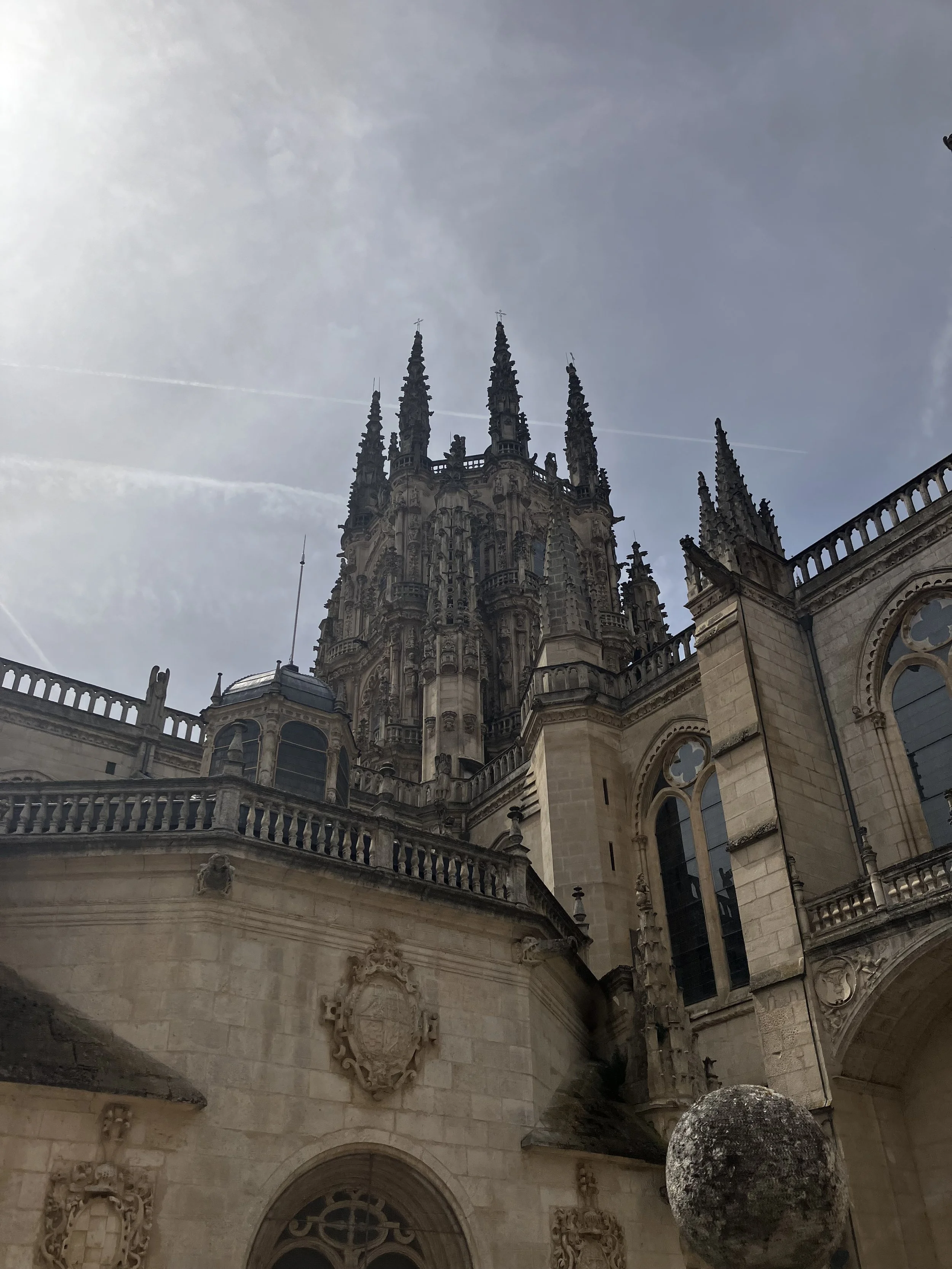
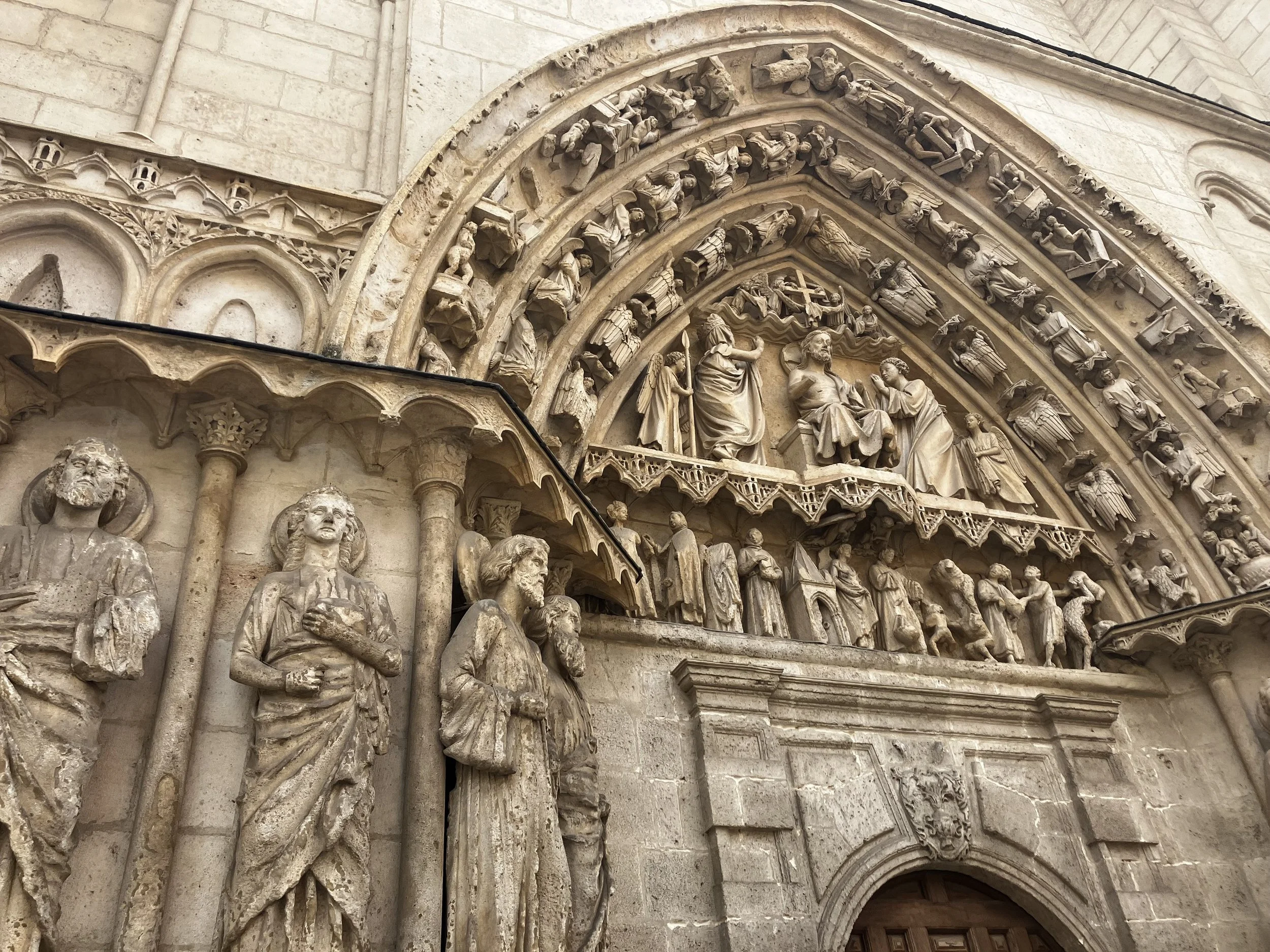
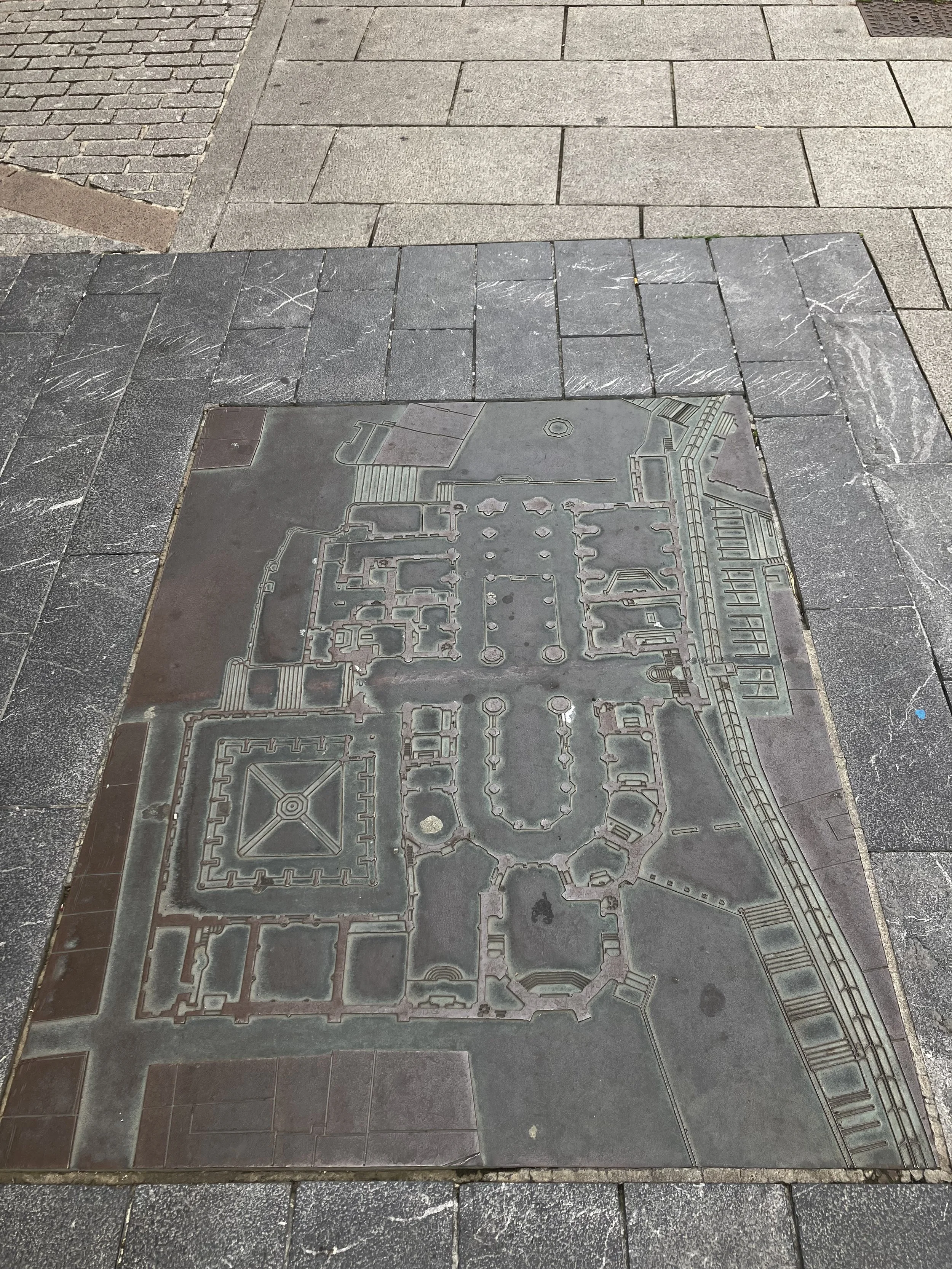
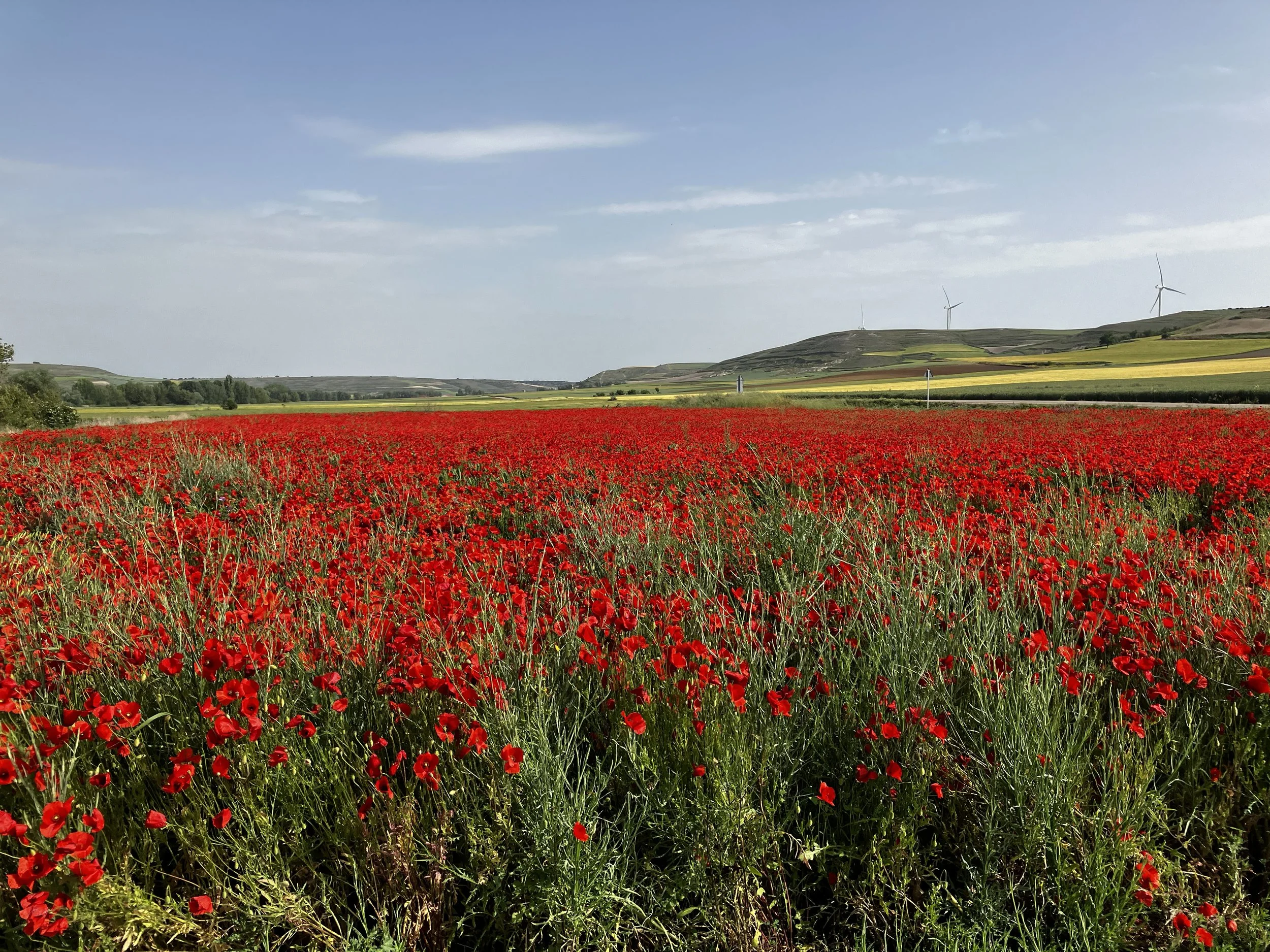
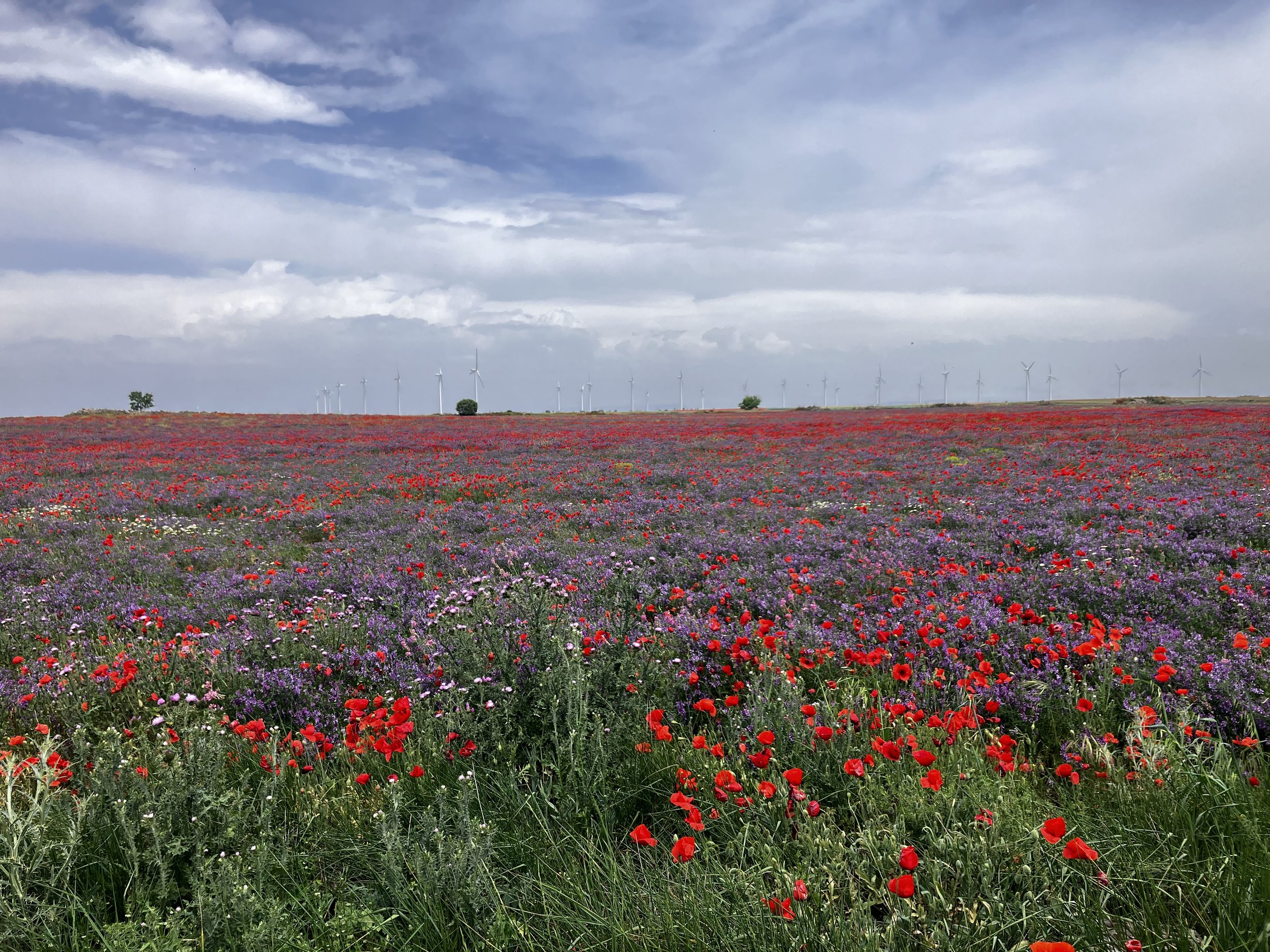
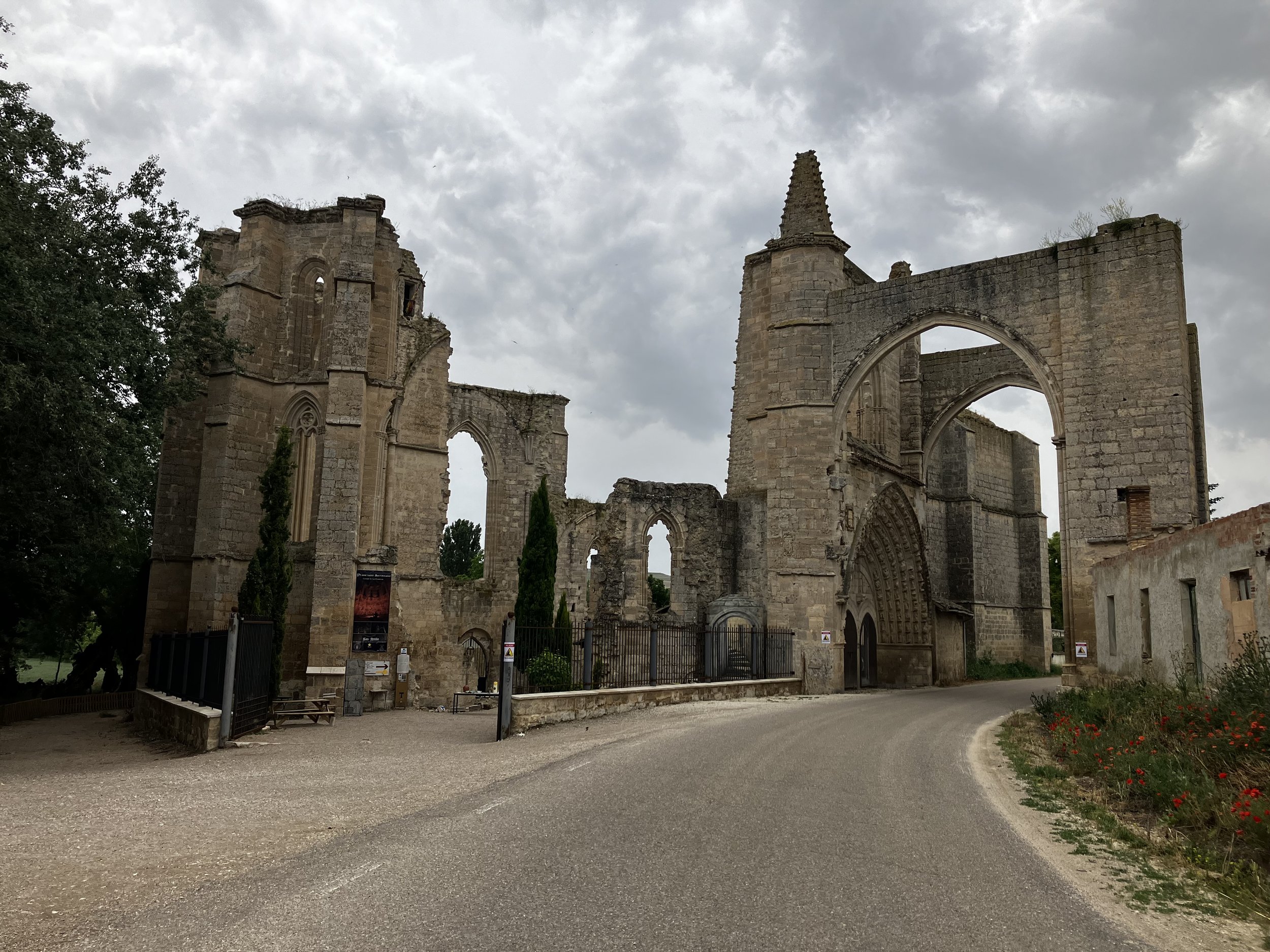
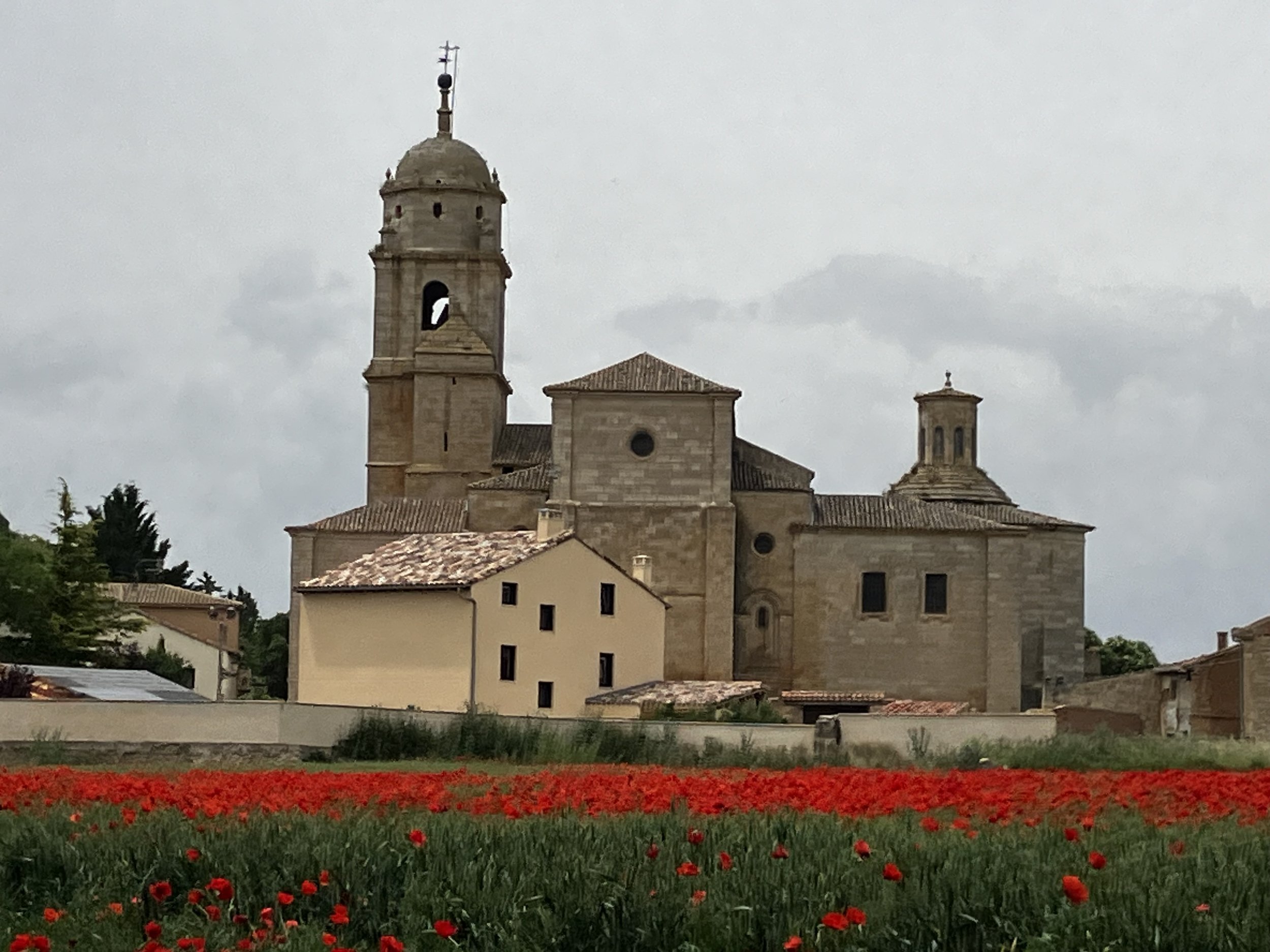
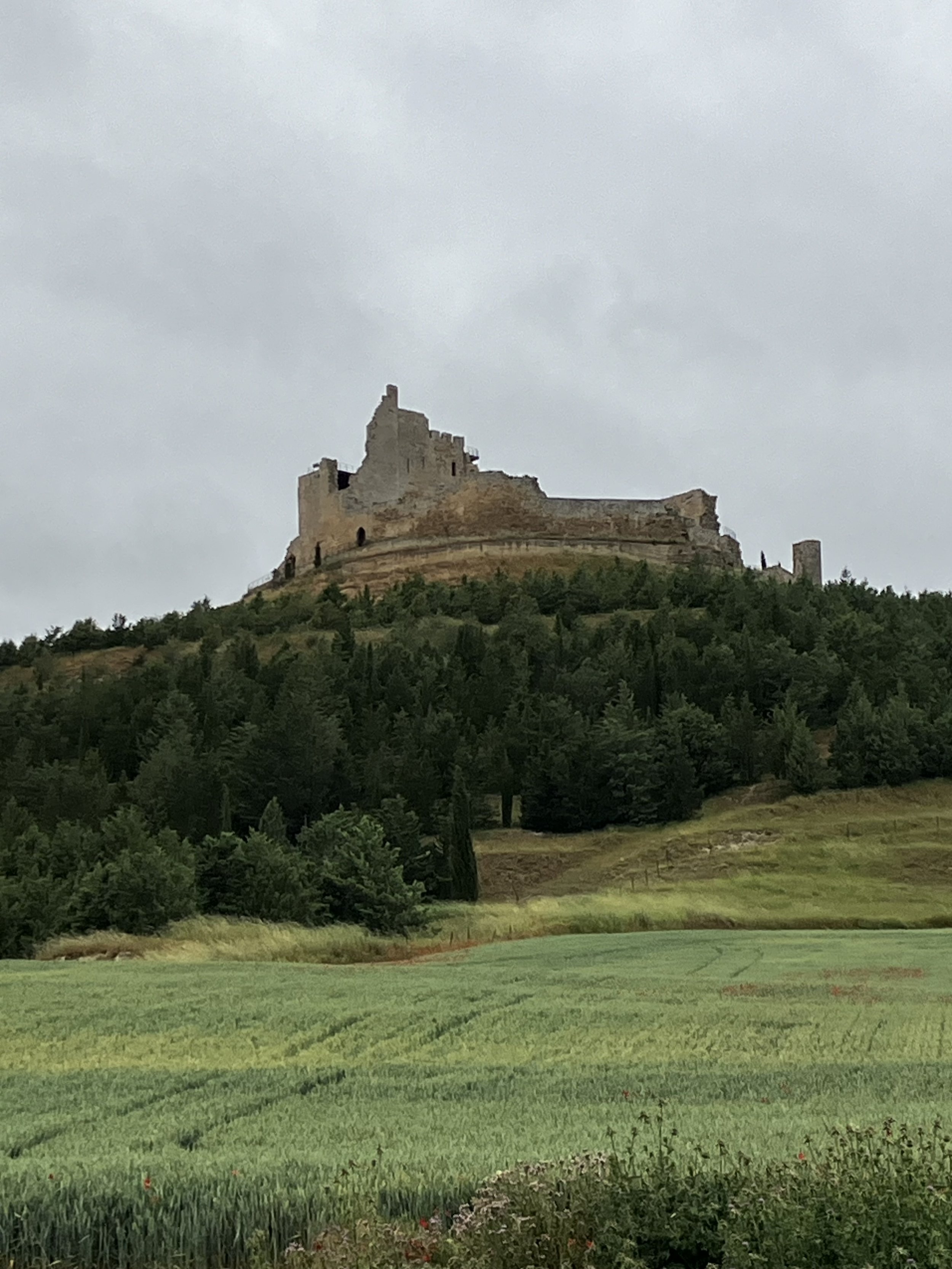
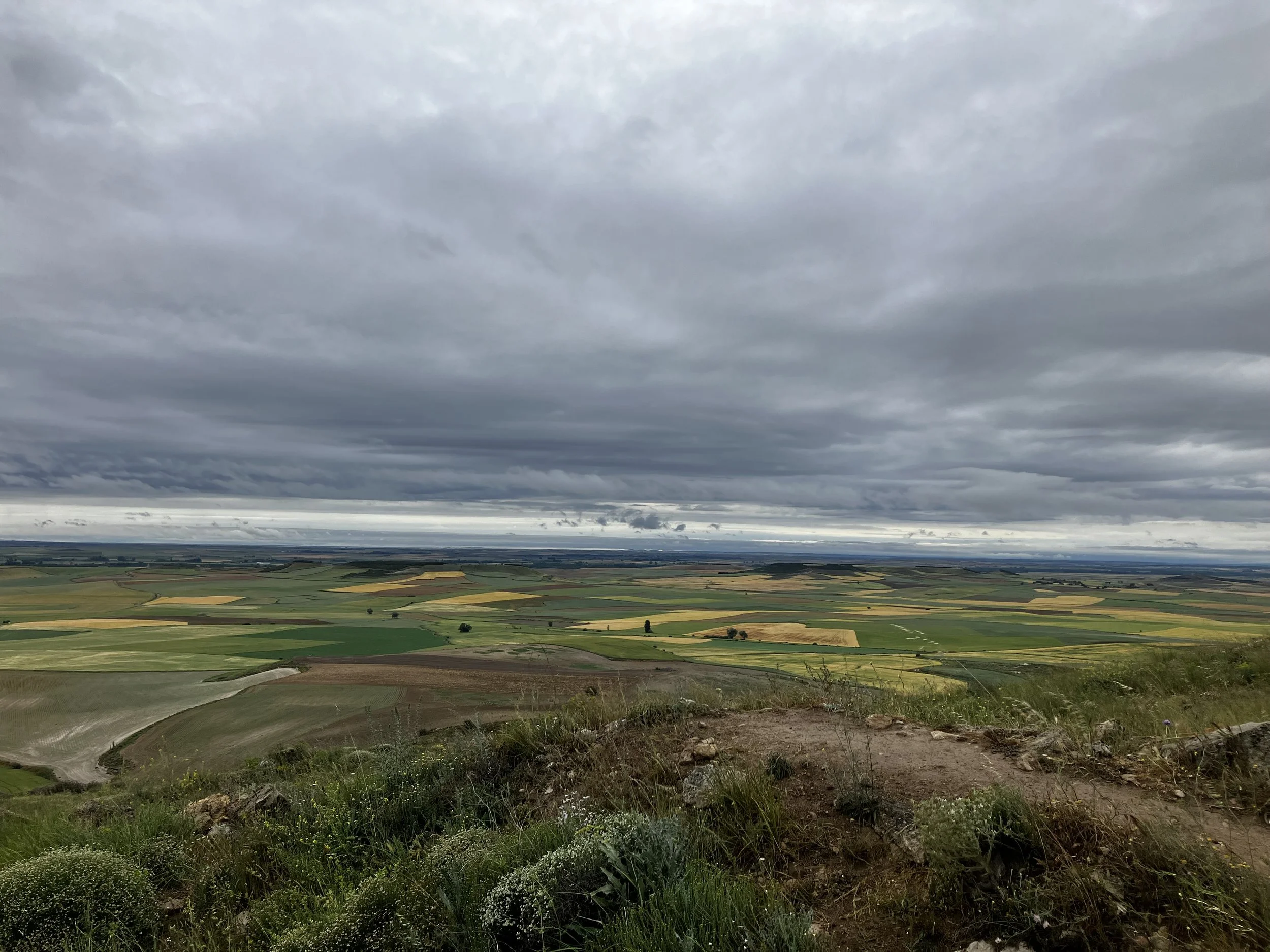
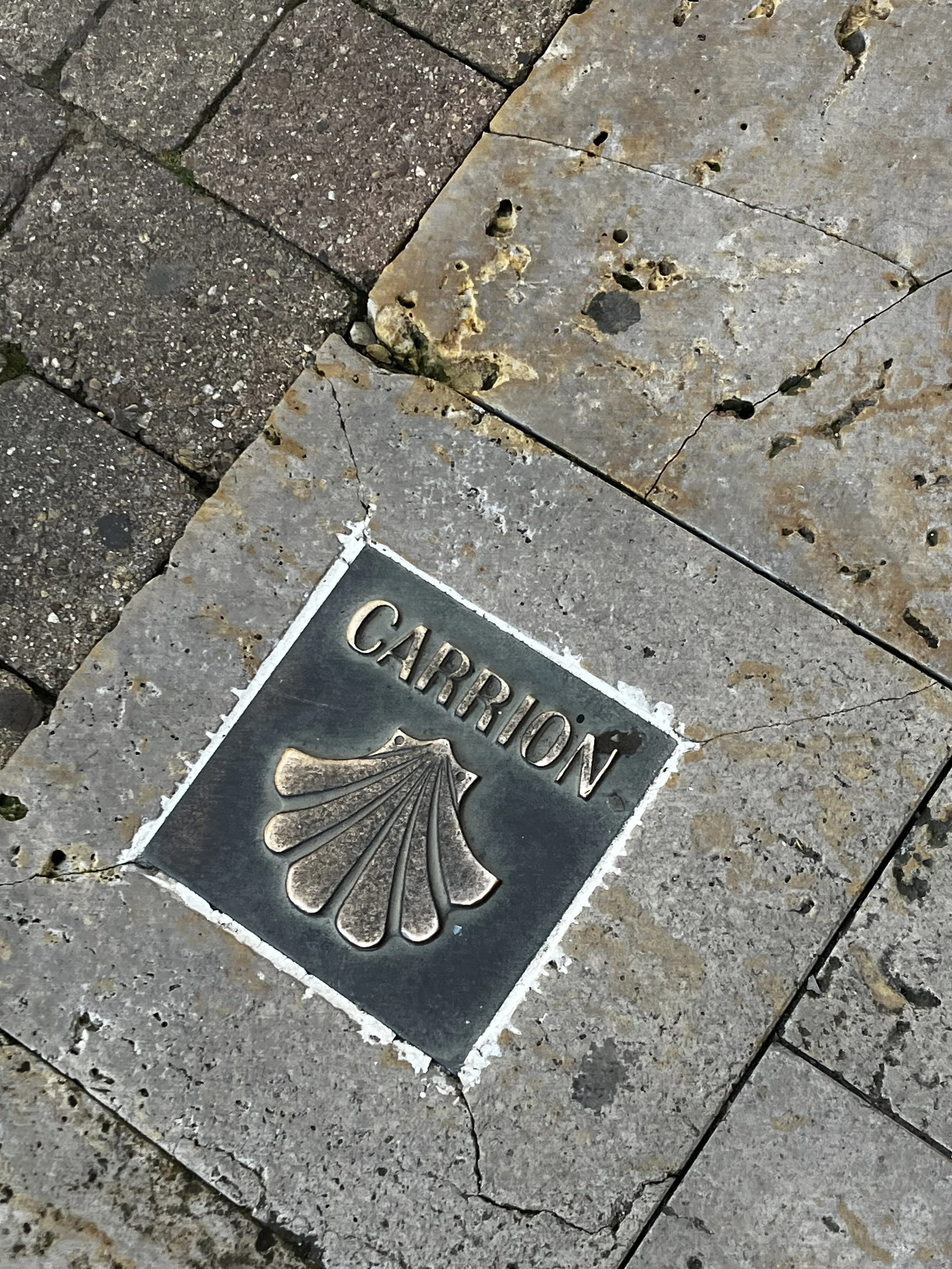
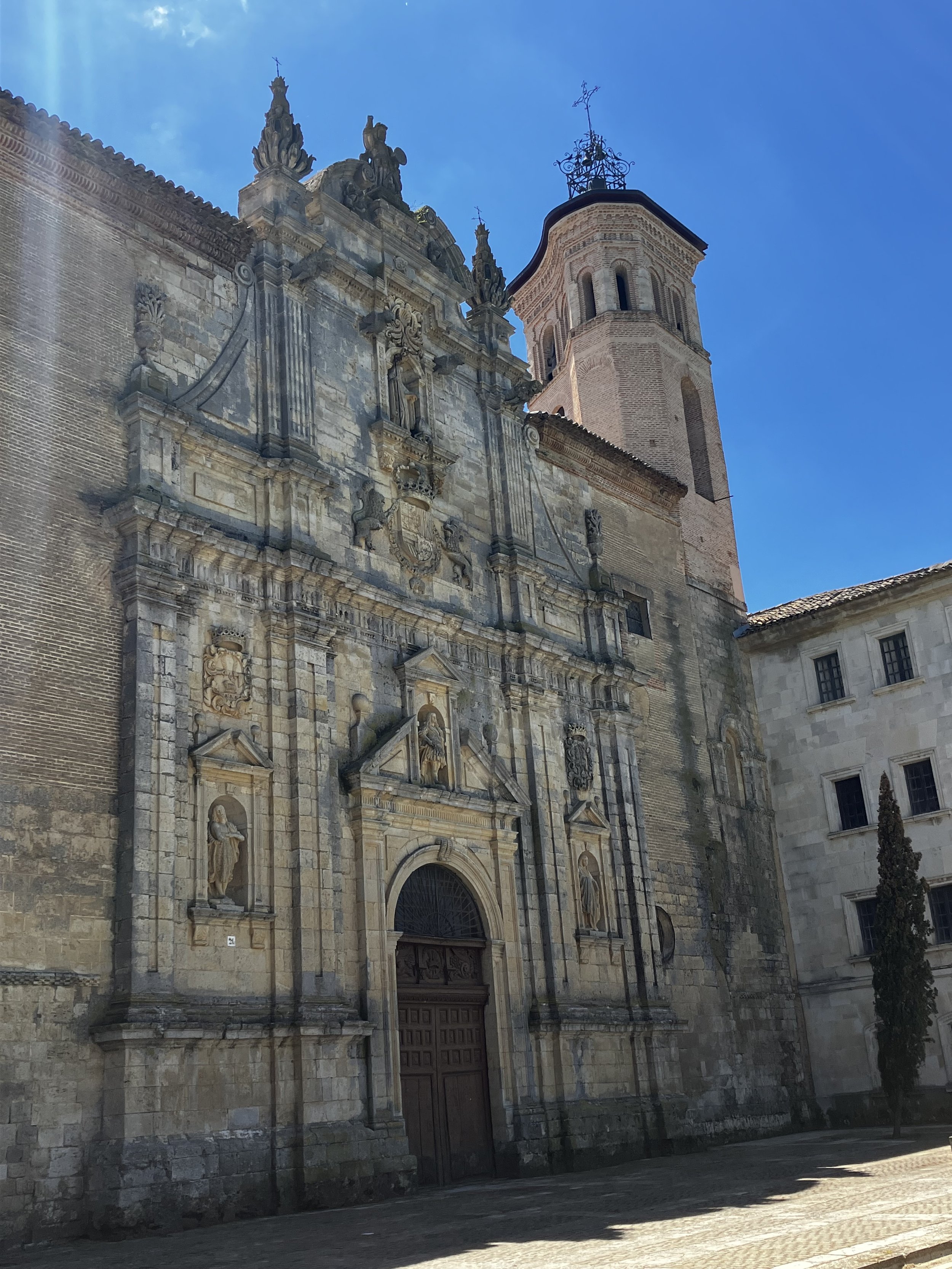
From Burgos to Sahagun we had a relatively uneventful four days of hiking through some gorgeous fields of Scarlet and Violet Flowers. (The Pokemon game-naming scheme makes perfect sense for an Iberian Peninsula Region if this was what they were basing it on). This was also due in no small part to the EU elections taking place in Spain at the time, closing everything so that Spanish Citizens could go vote and have a relaxing picnic afterwards. We still saw castles on hills in Castrojeriz, ruins of old church buildings being marketed as observatories in Redecilla del Camino, and many variations on the Camino’s Scallop Shell Motif like the one in Carrion de los Condes.
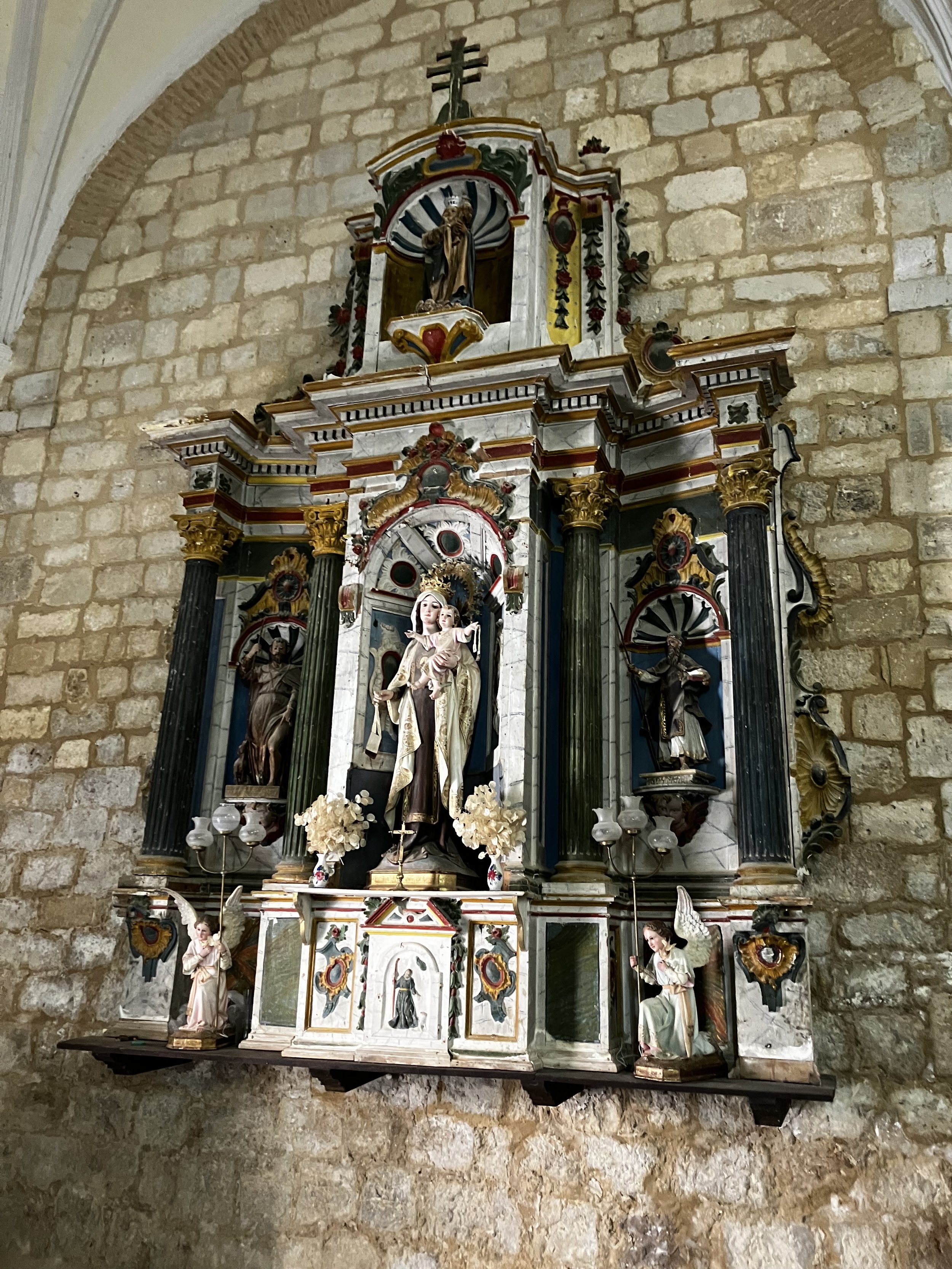
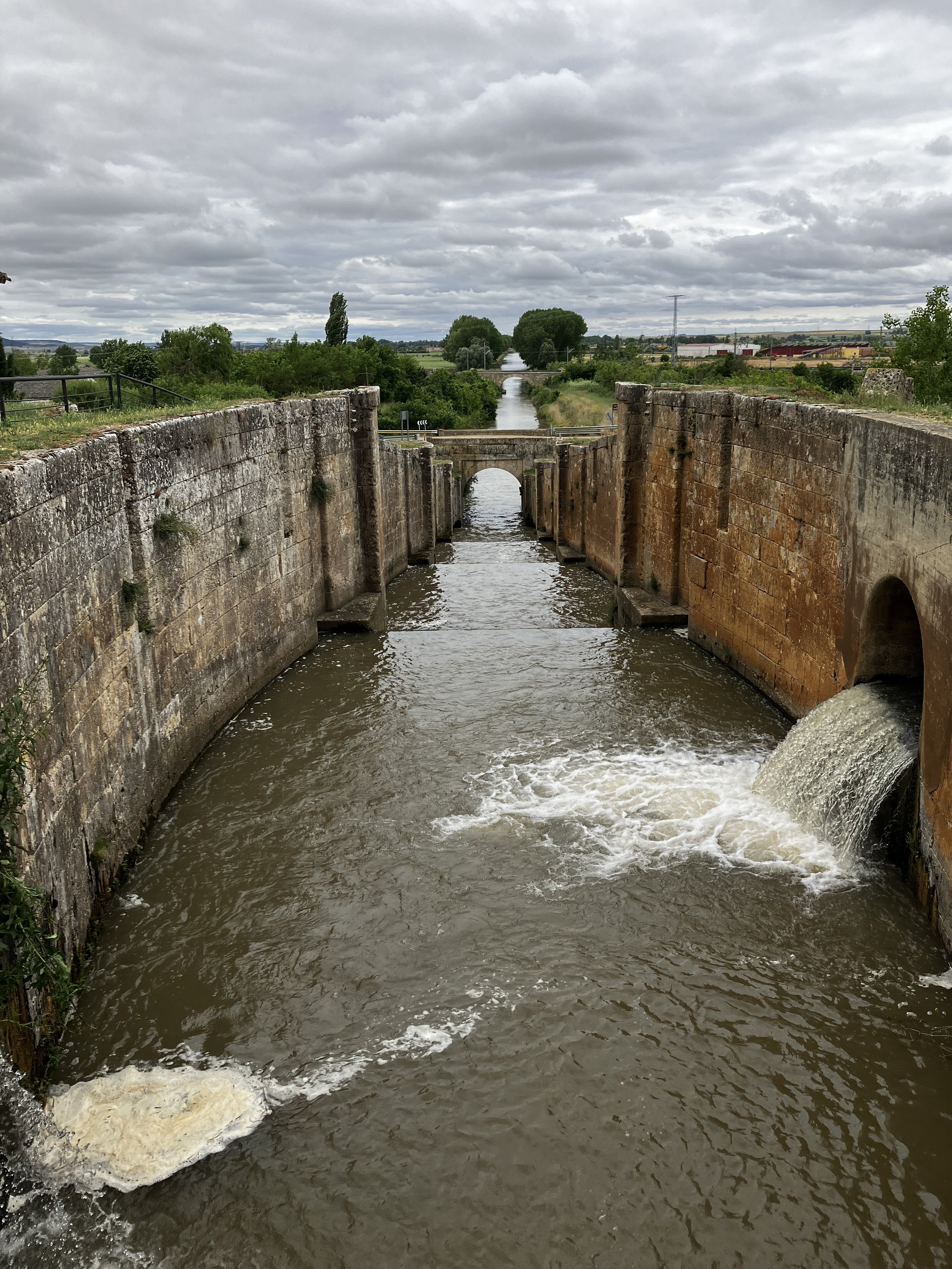
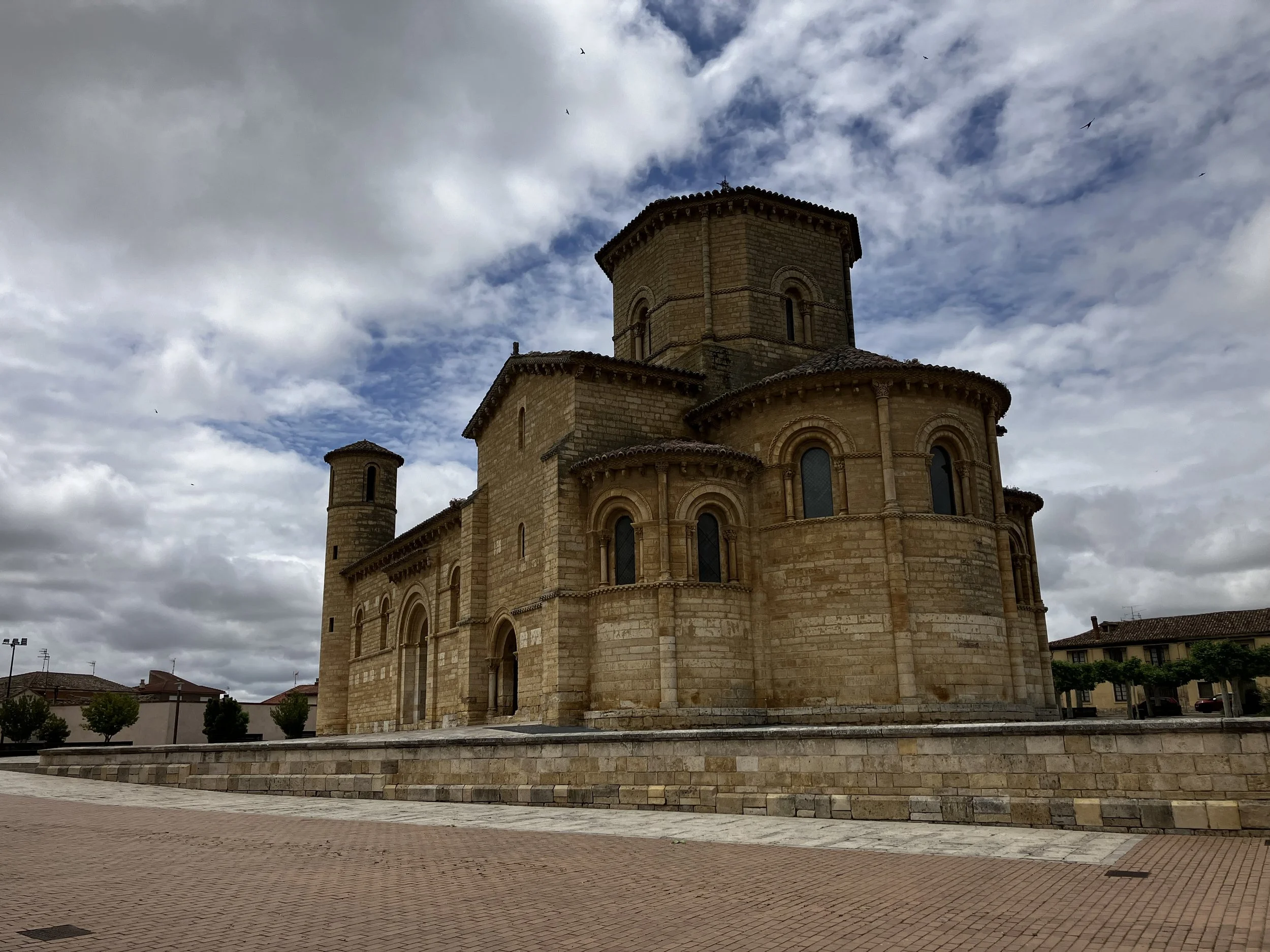
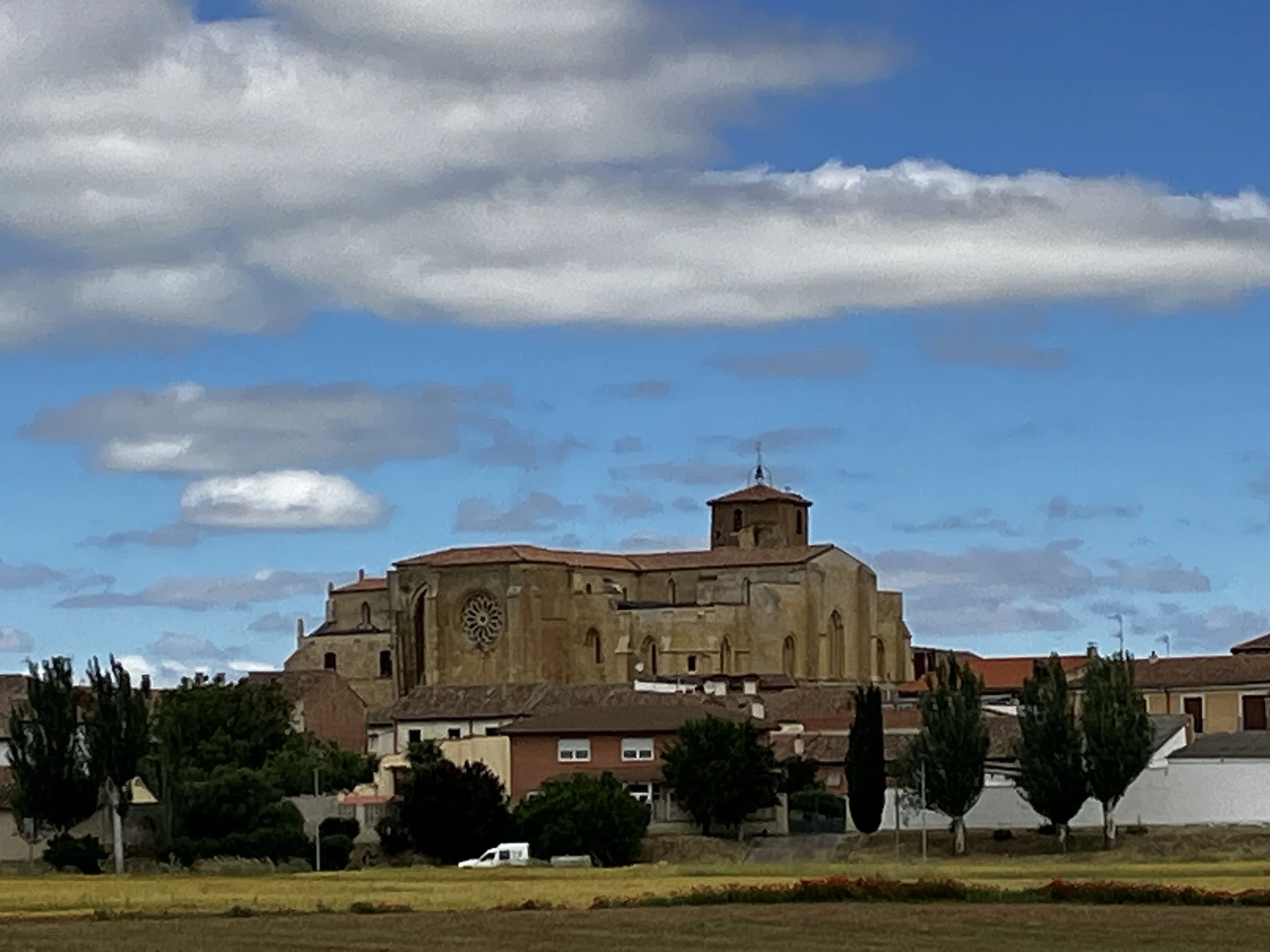
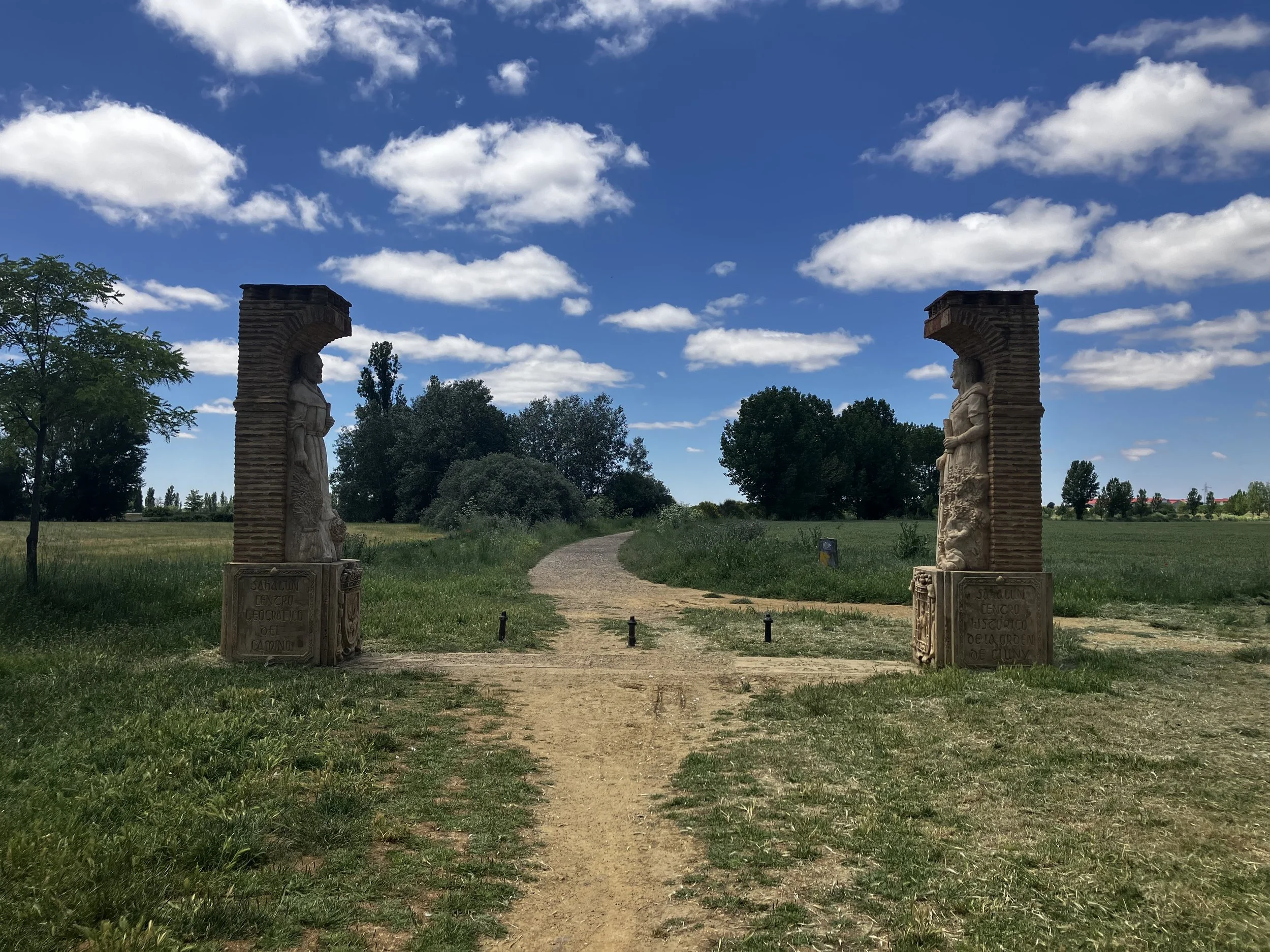
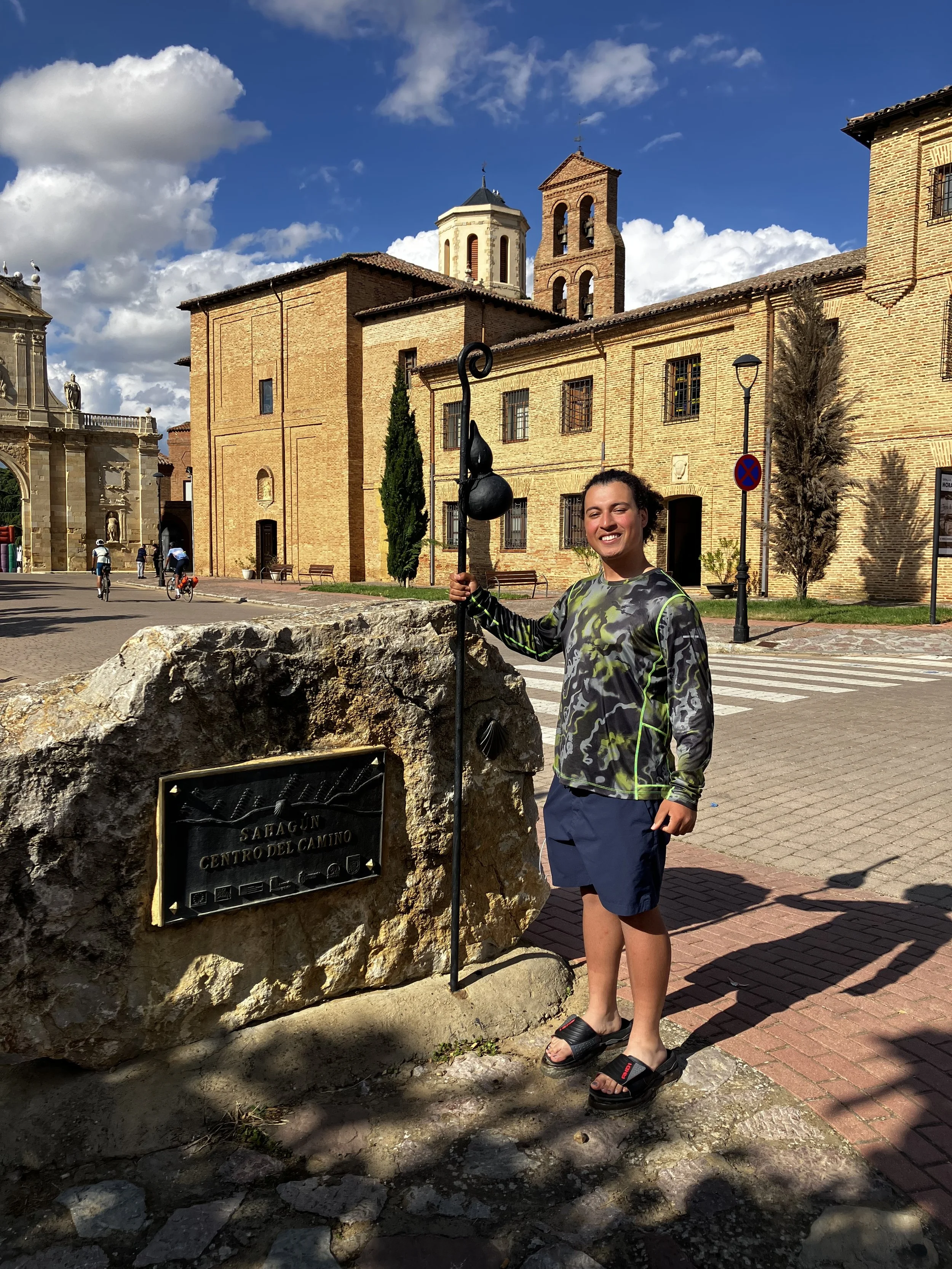
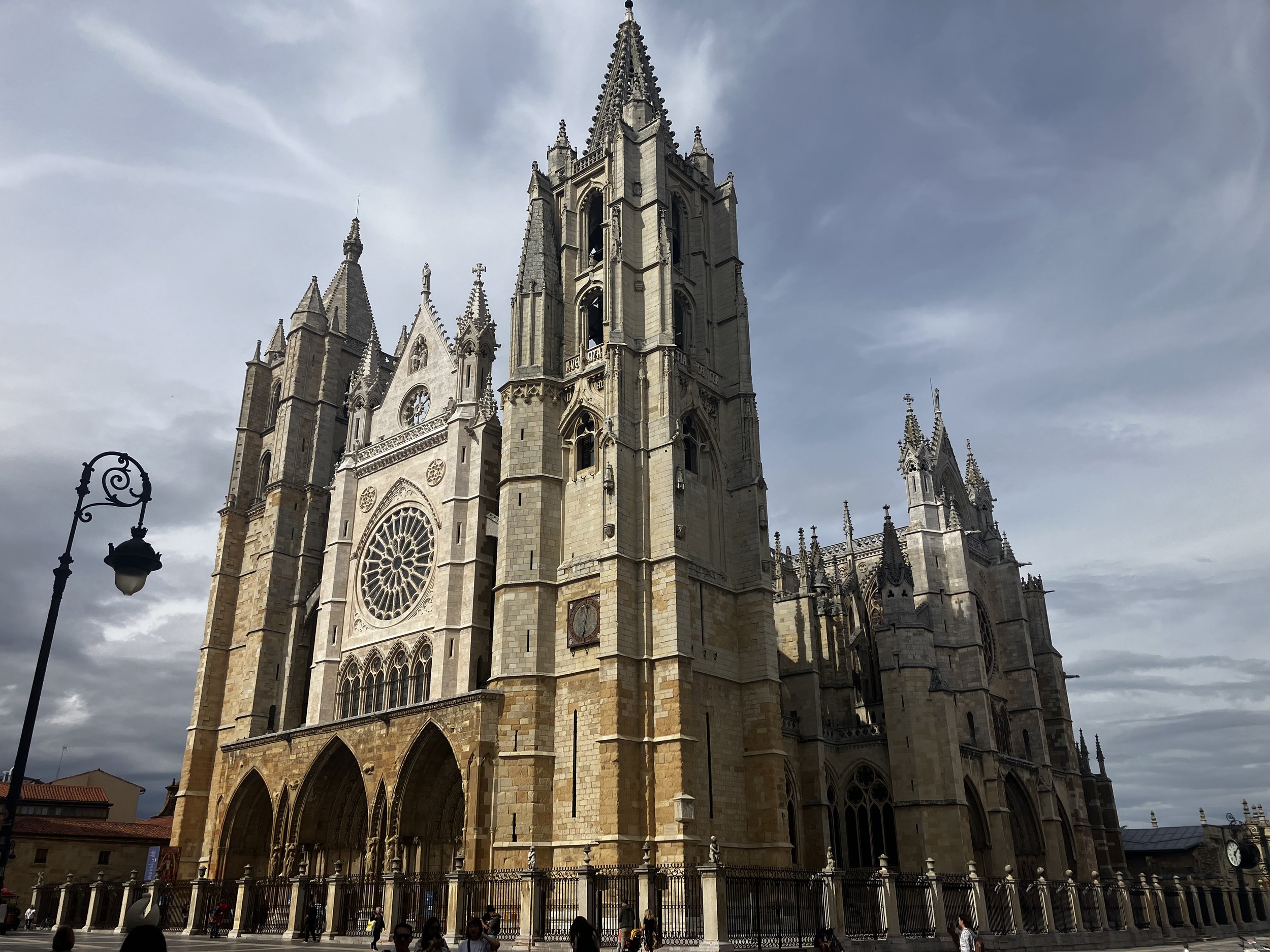
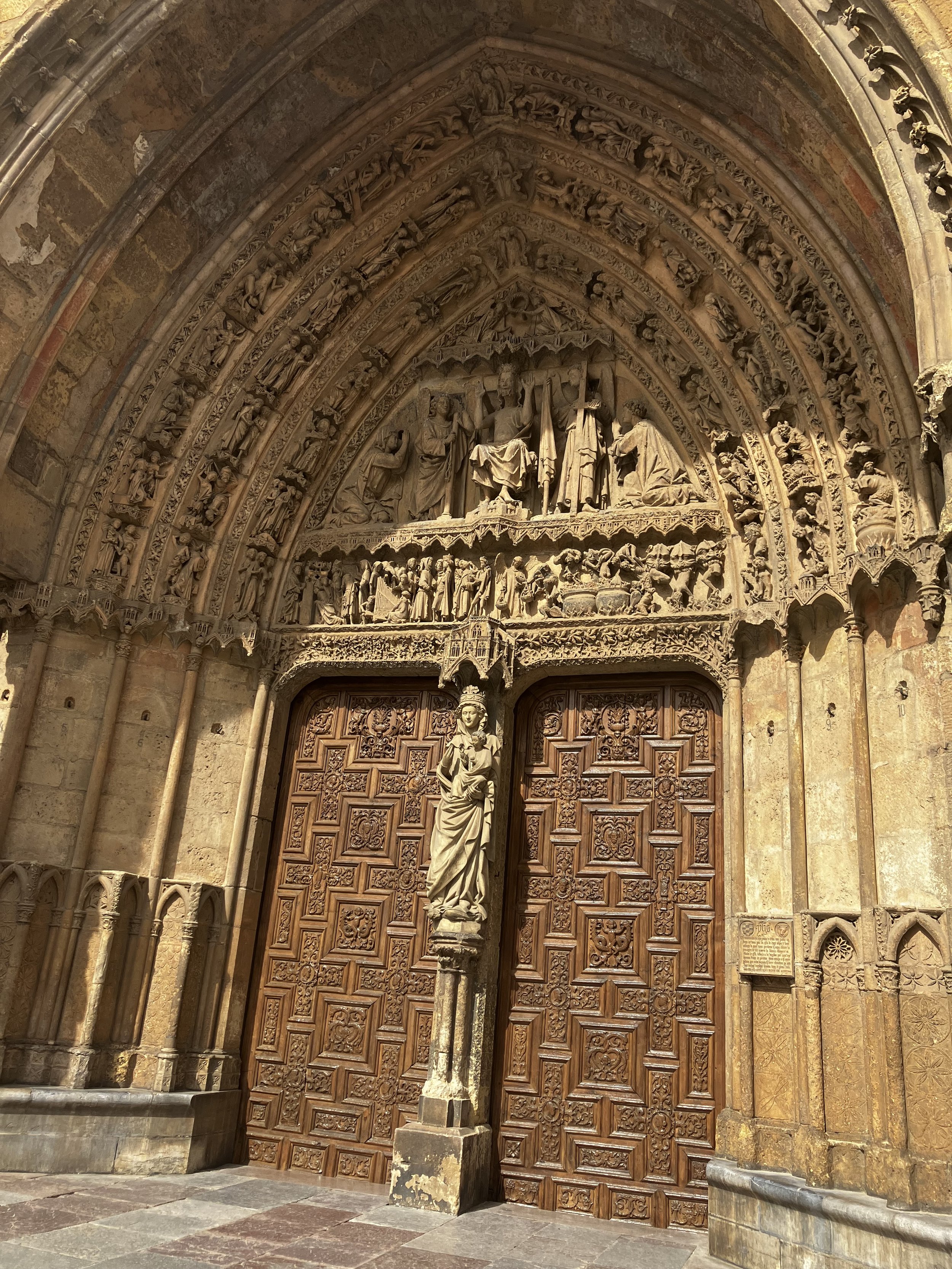
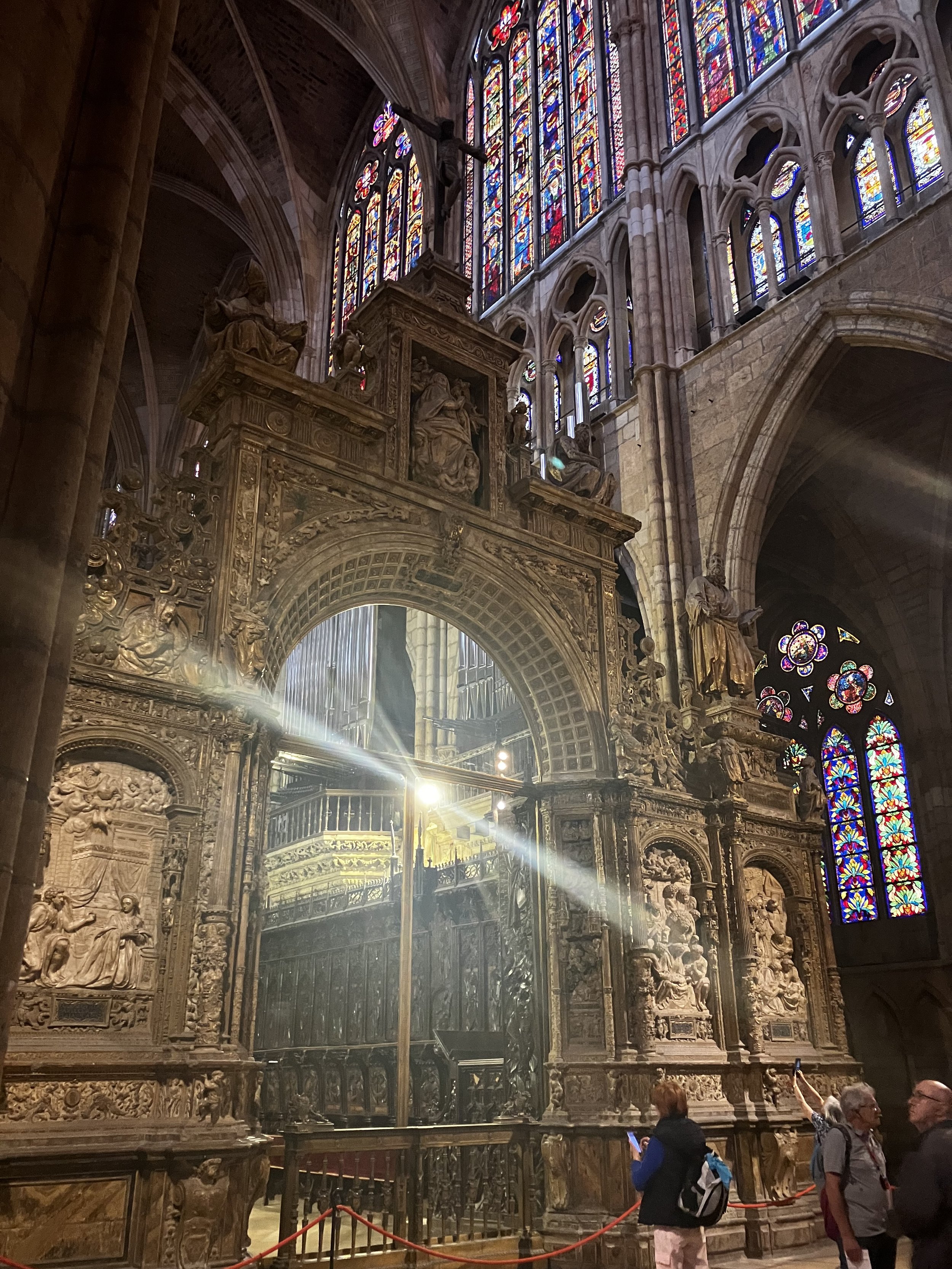
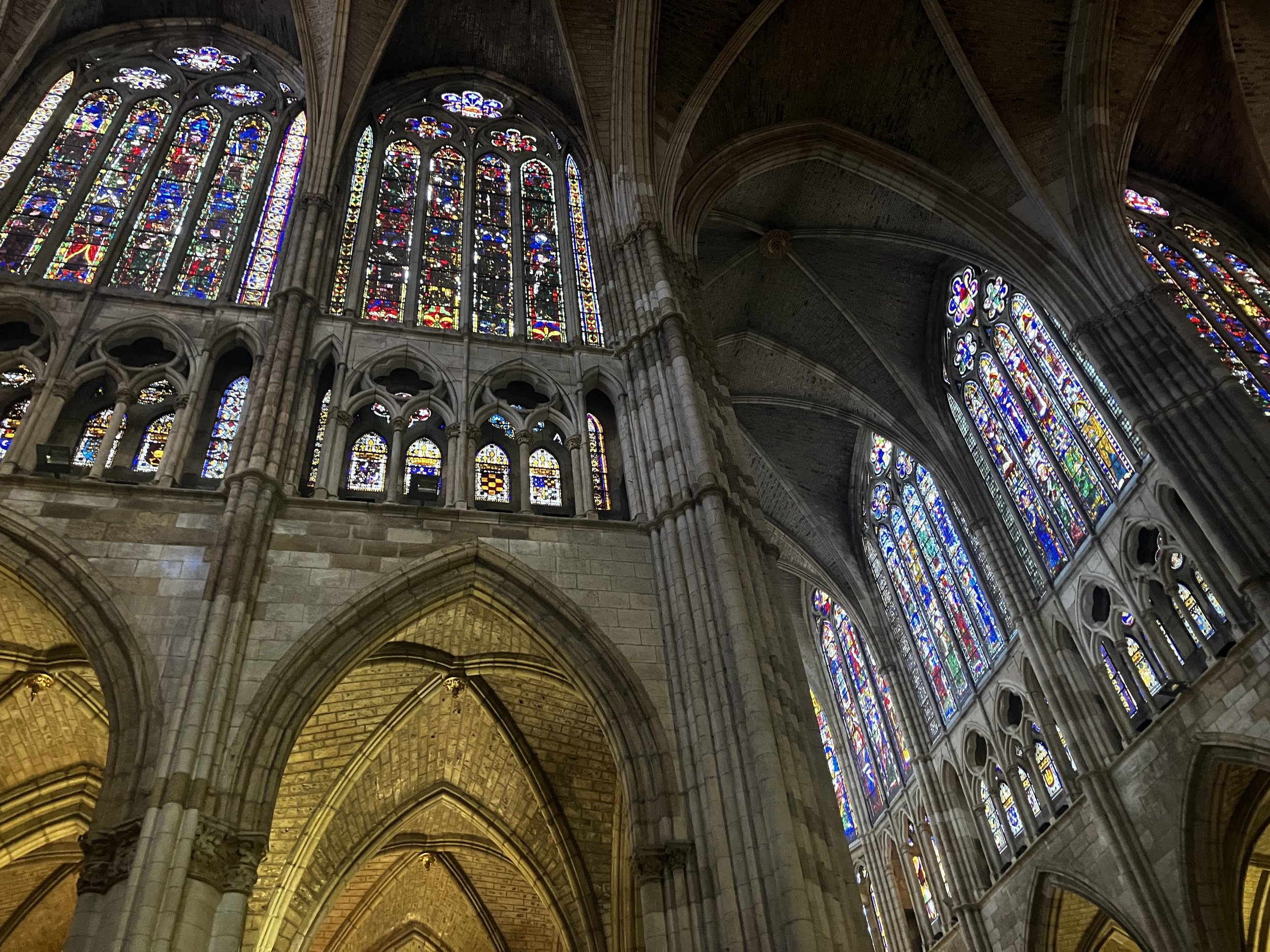
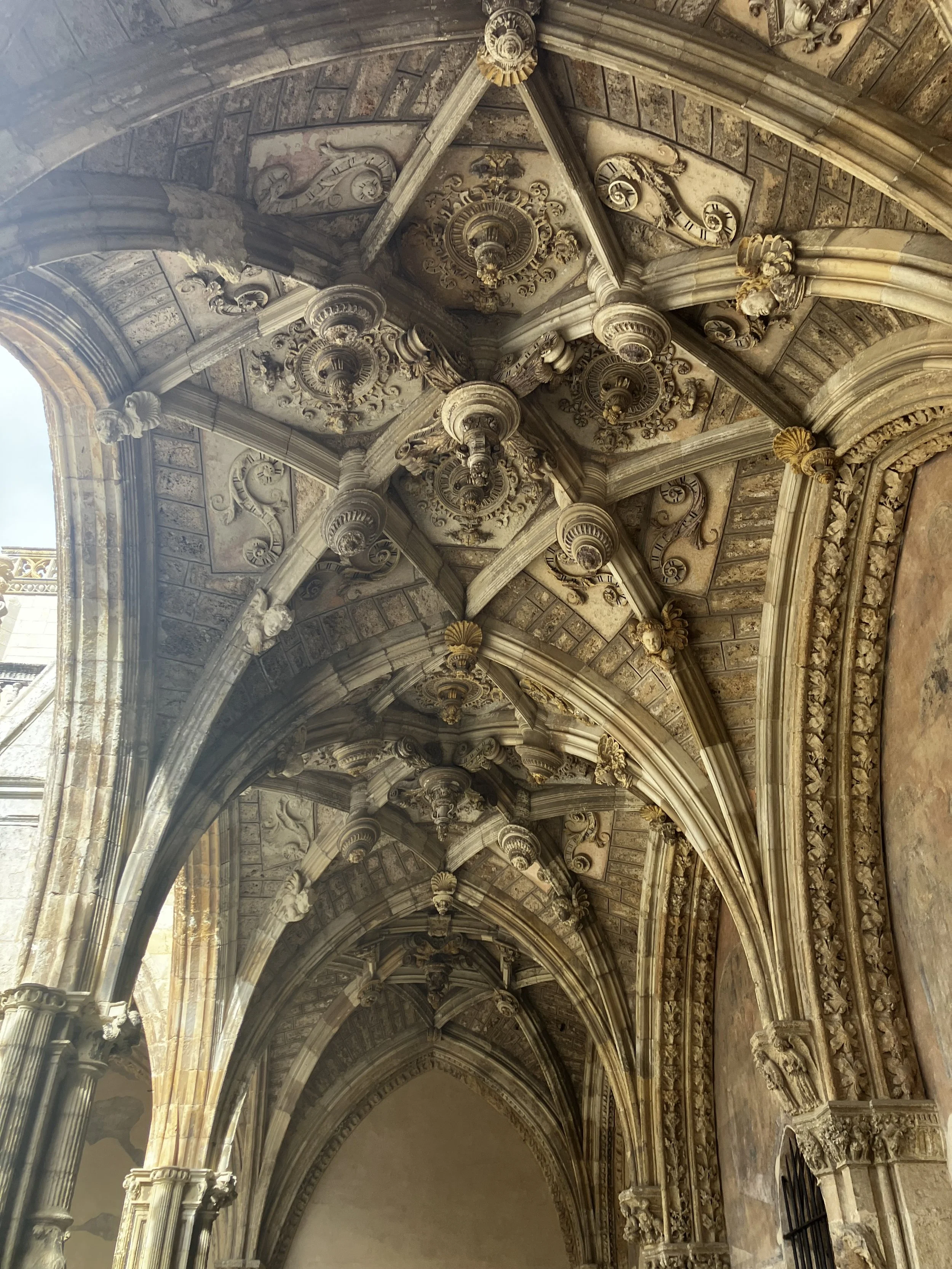
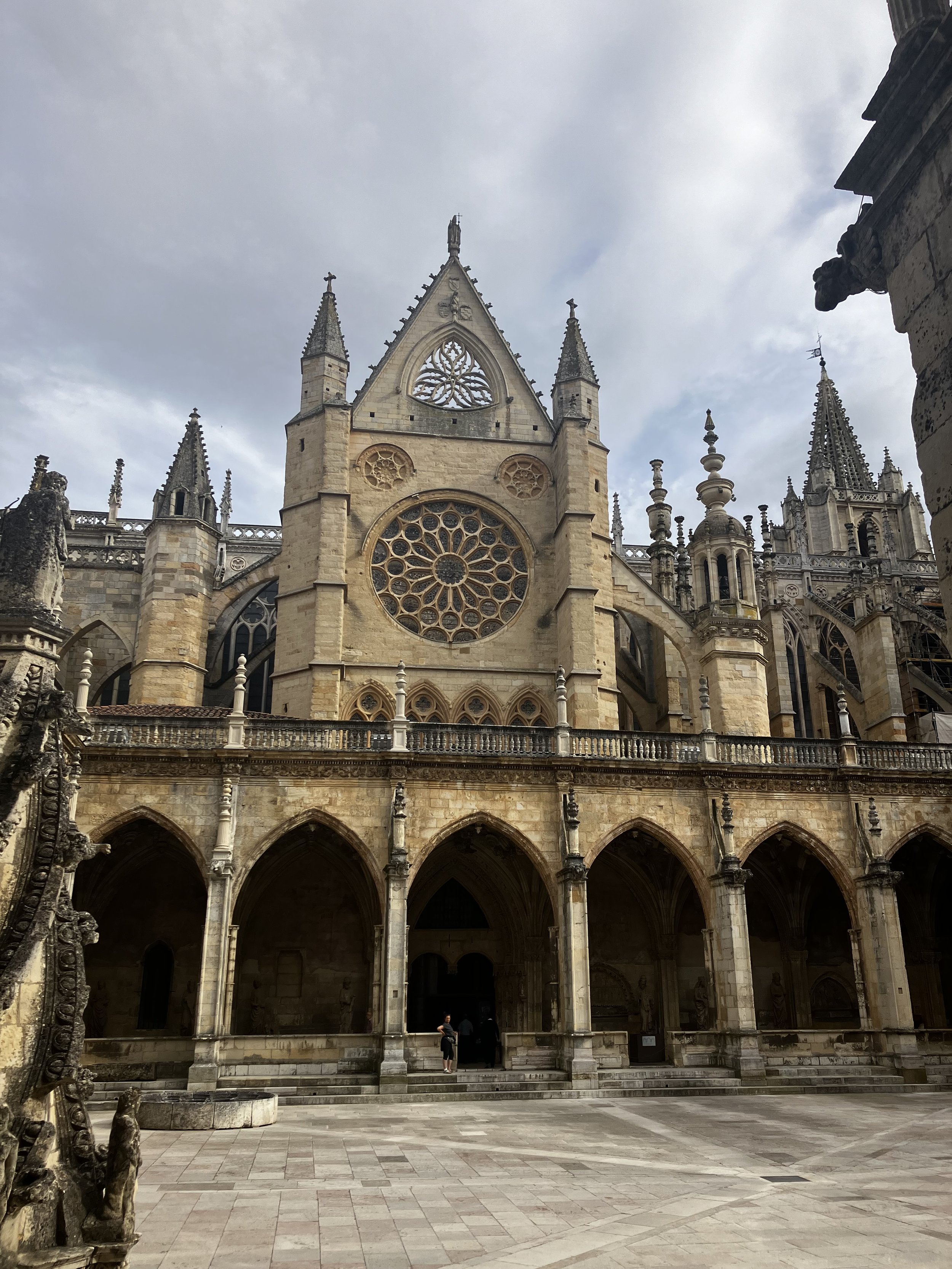
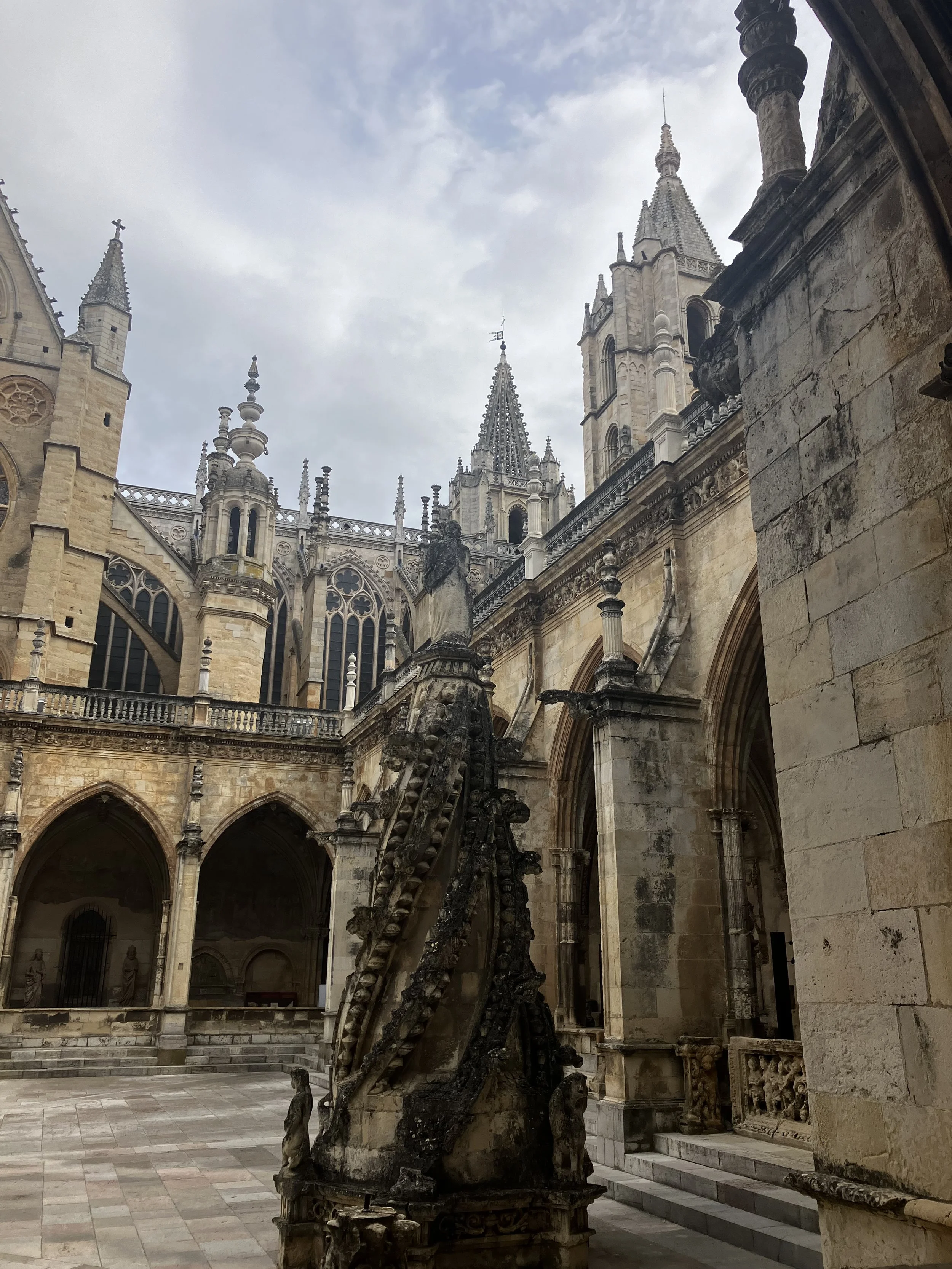
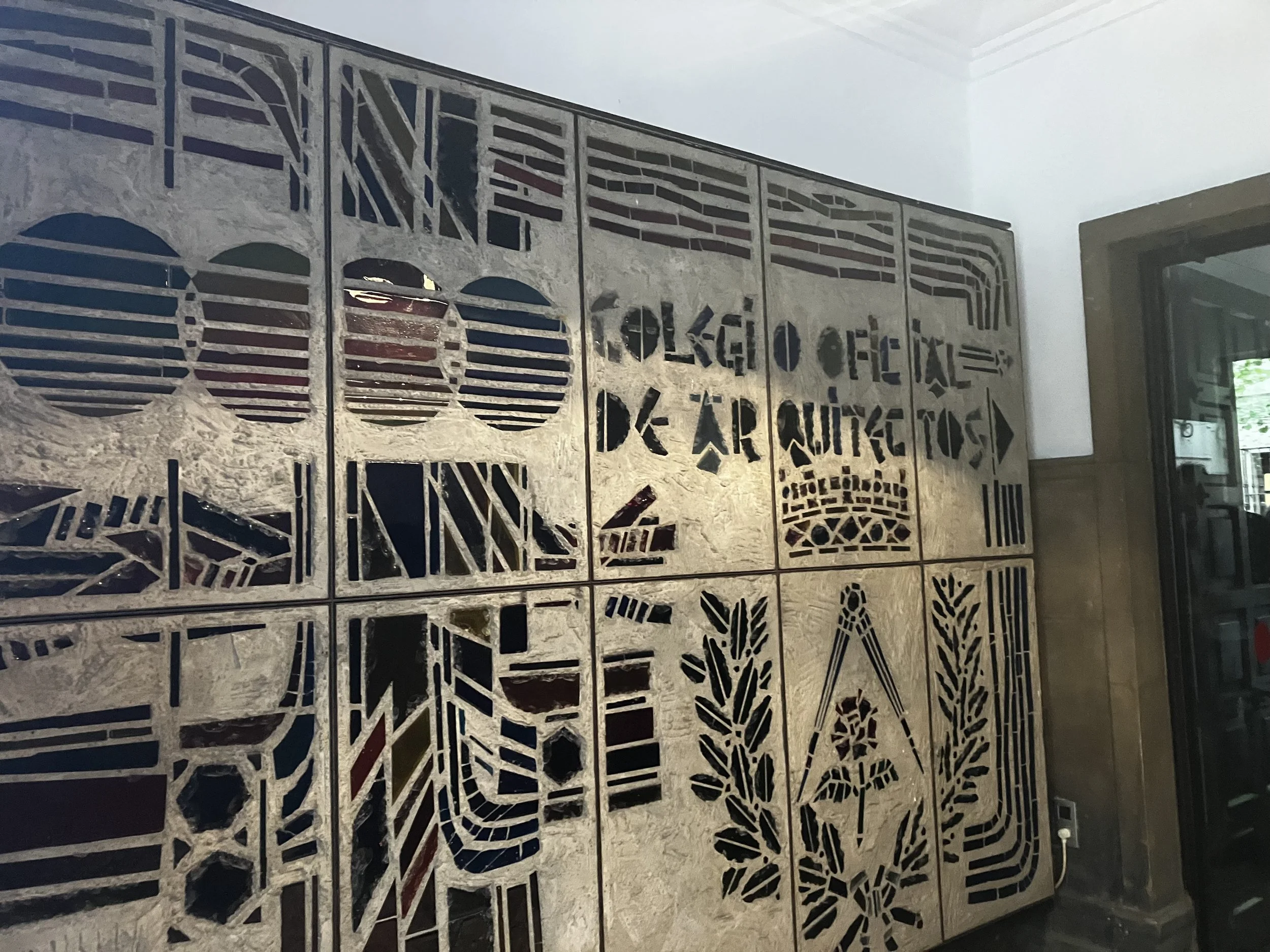
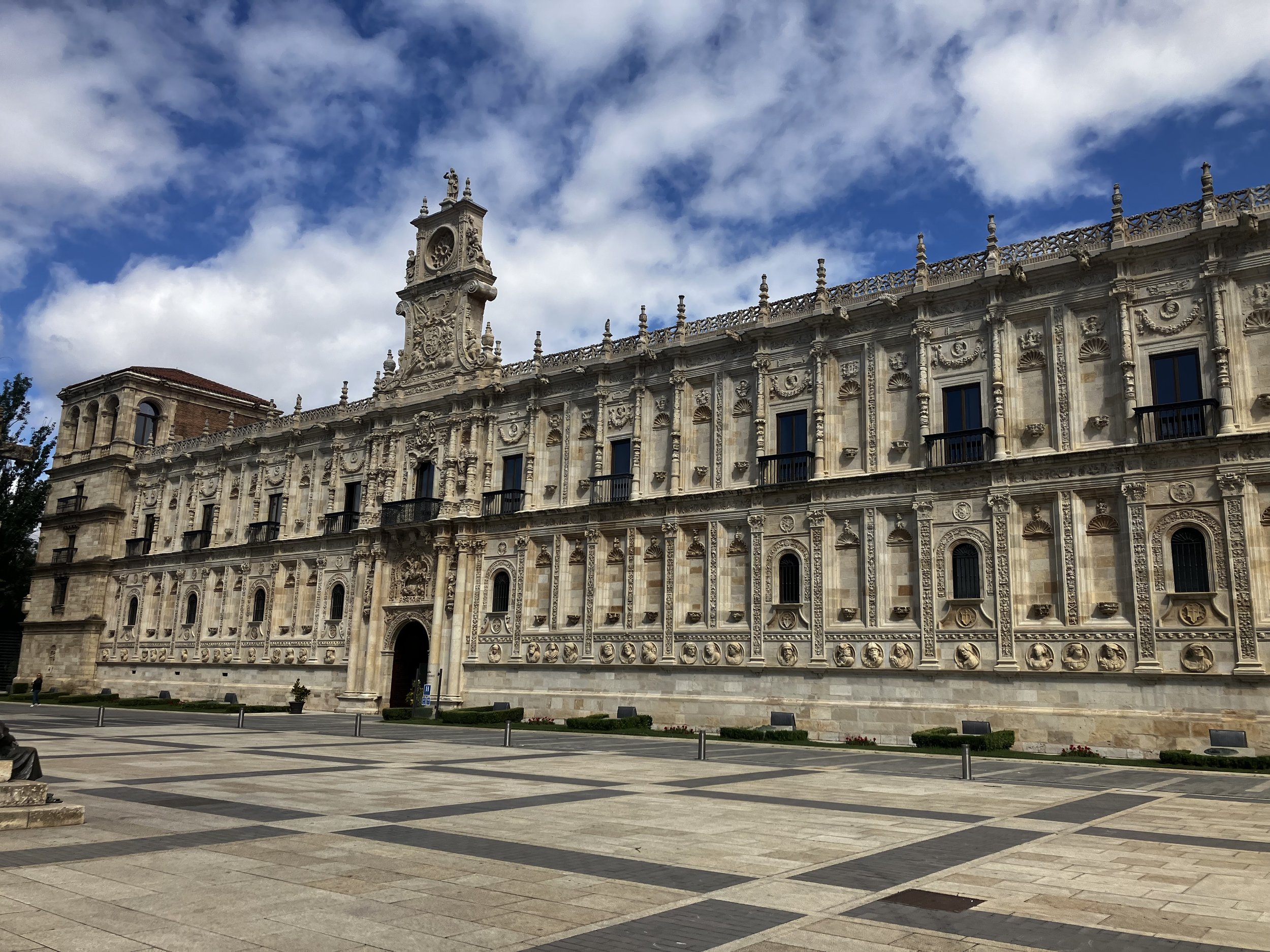
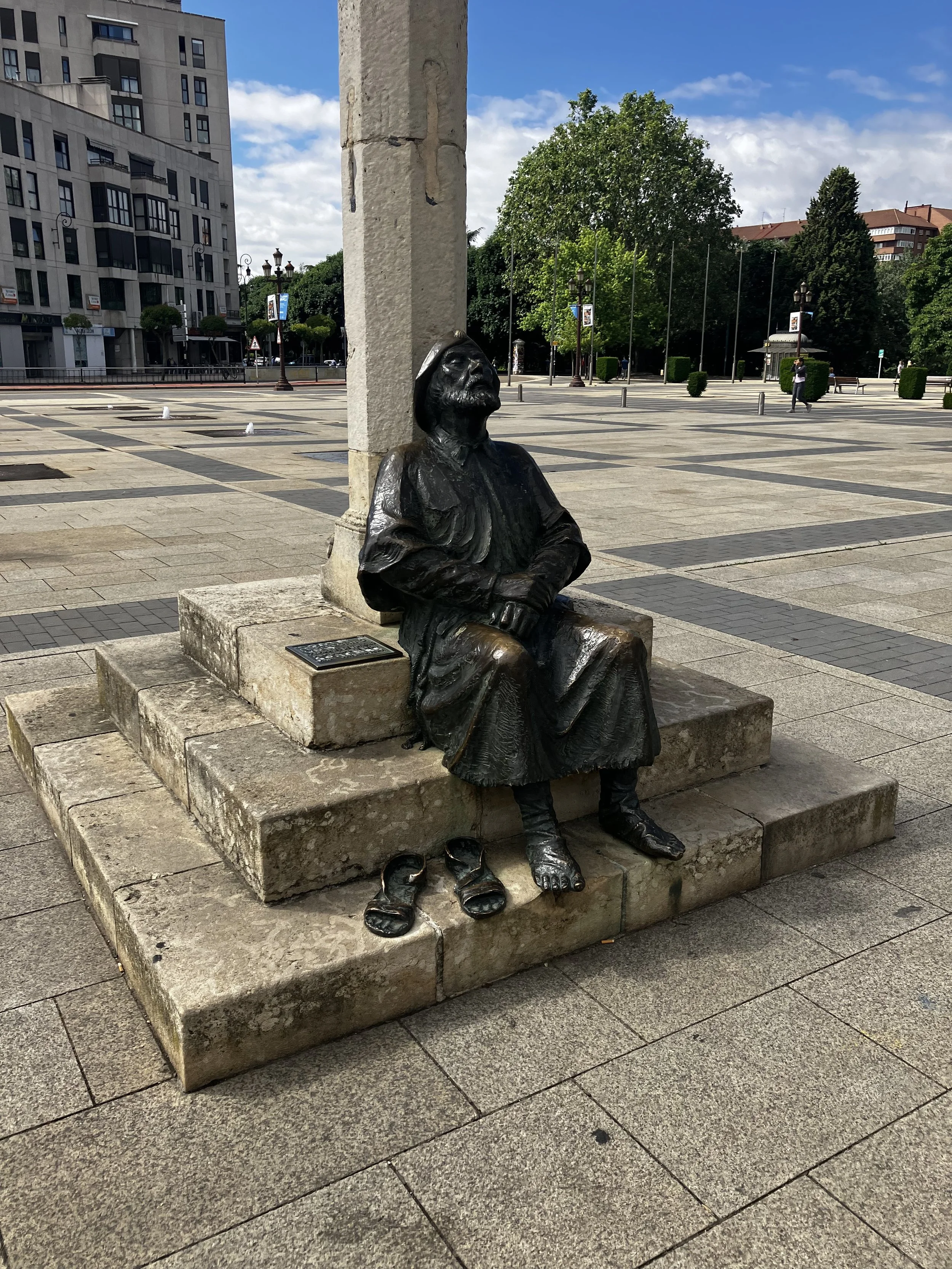
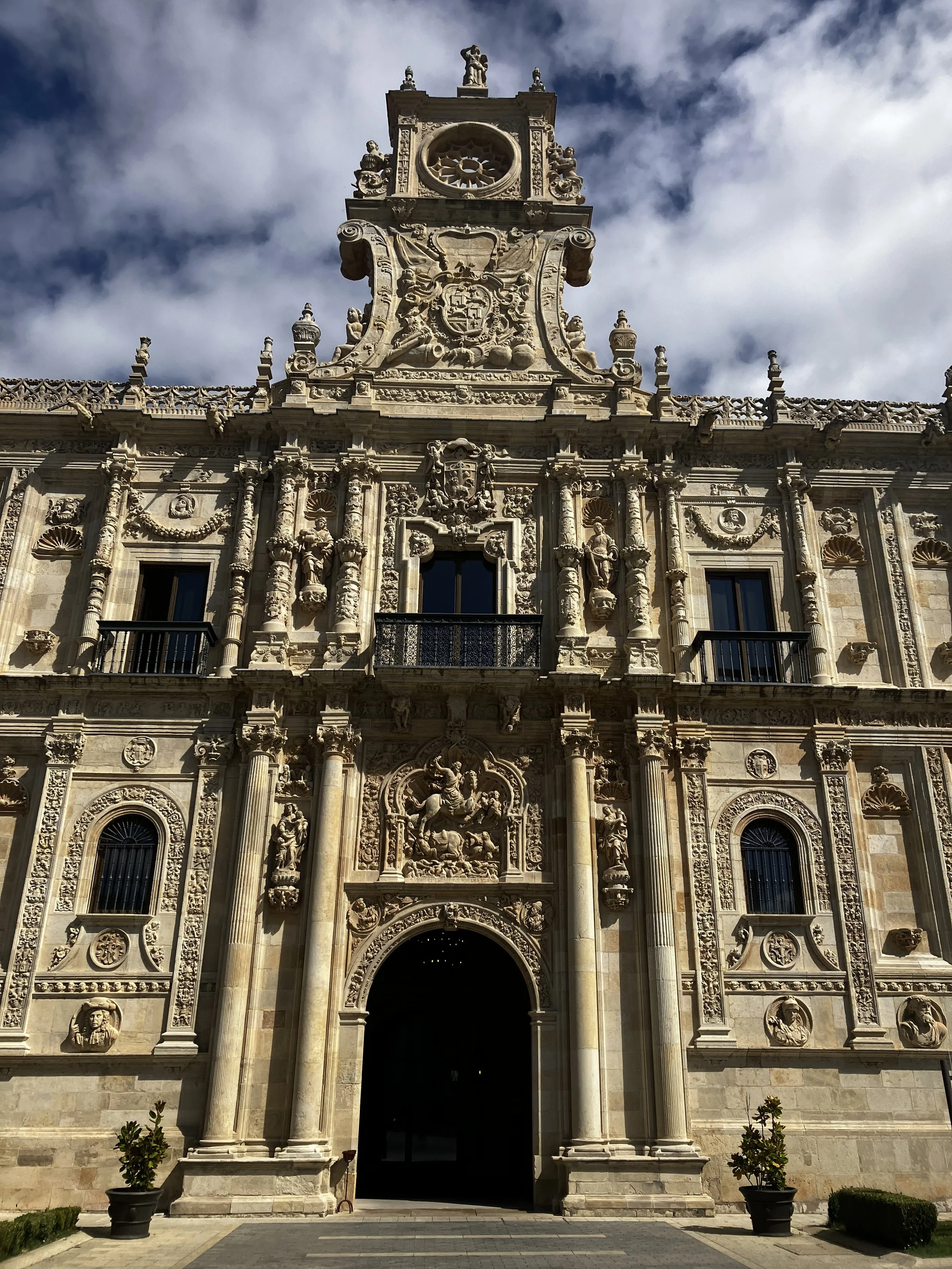
Sahagun marked the halfway point of the Camino and it did so in style, sporting a set of pillars with either side featuring a sentinel proclaiming El Medio Del Camino. We arrived during their weeklong celebration of San Juan de Sahagun, which ran well into the night, much to my and my mother’s chagrin as we tried to sleep at our Albergue to meager results. We proceeded through, well on to the next major city, Leon, a brilliant metropolitan spot bustling with activity and of course an absolutely breathtaking Cathedral that we got to tour. Casa Botines, an early work by Antoni Gaudi (one of the greatest Architects to have ever lived and someone I hope gets recognized as the Saint he was/is one day) was also in Leon, and similarly to his Palacio del Obispo in Astorga, I will speak about on the next project page along with his Barcelona Masterpieces. We also managed to find the Colegio Oficial de Arquitetos but I was not confident enough in my Spanish to have properly introduced myself to the alumni (A decision I wish I had talked myself out of).
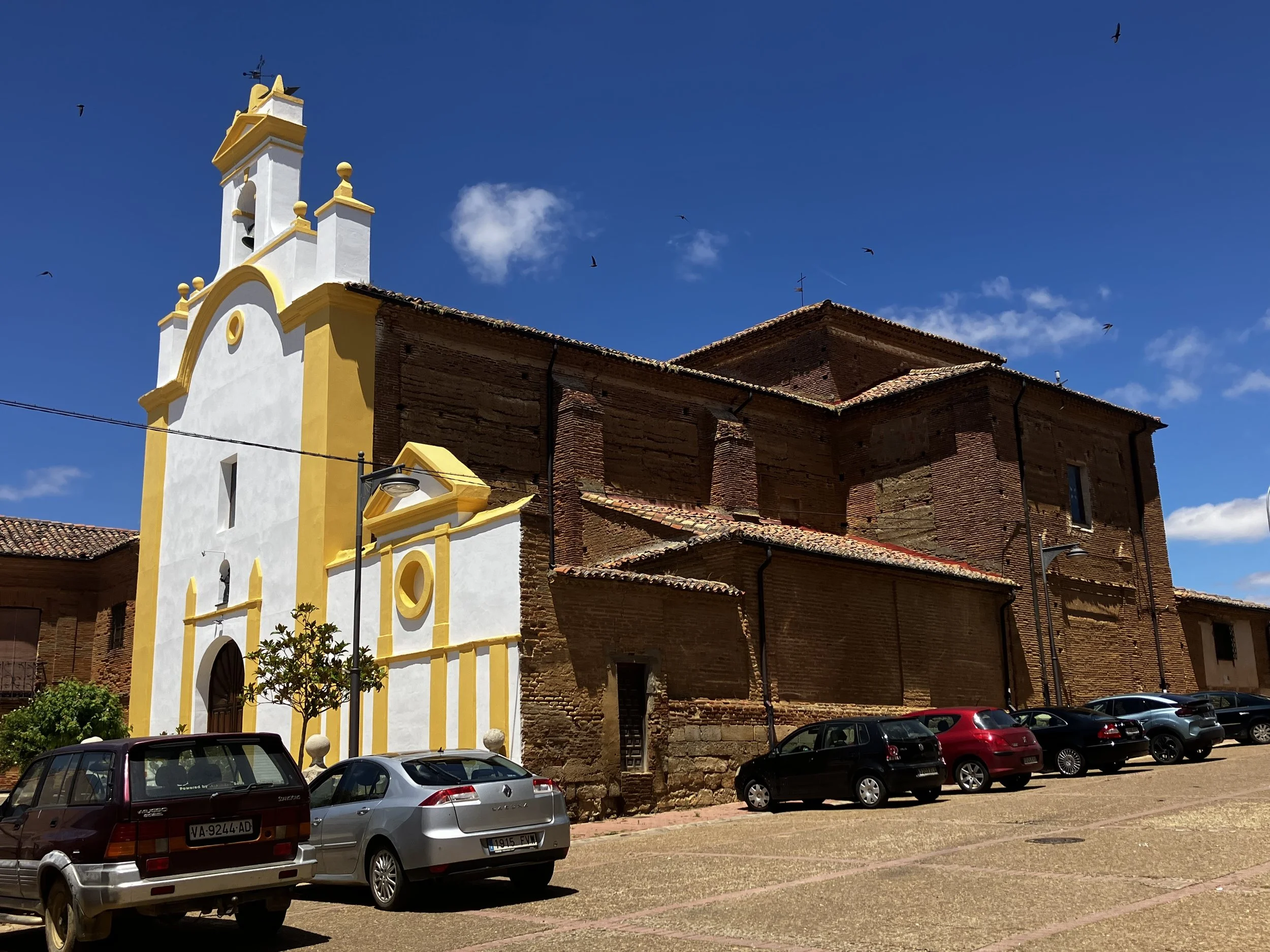
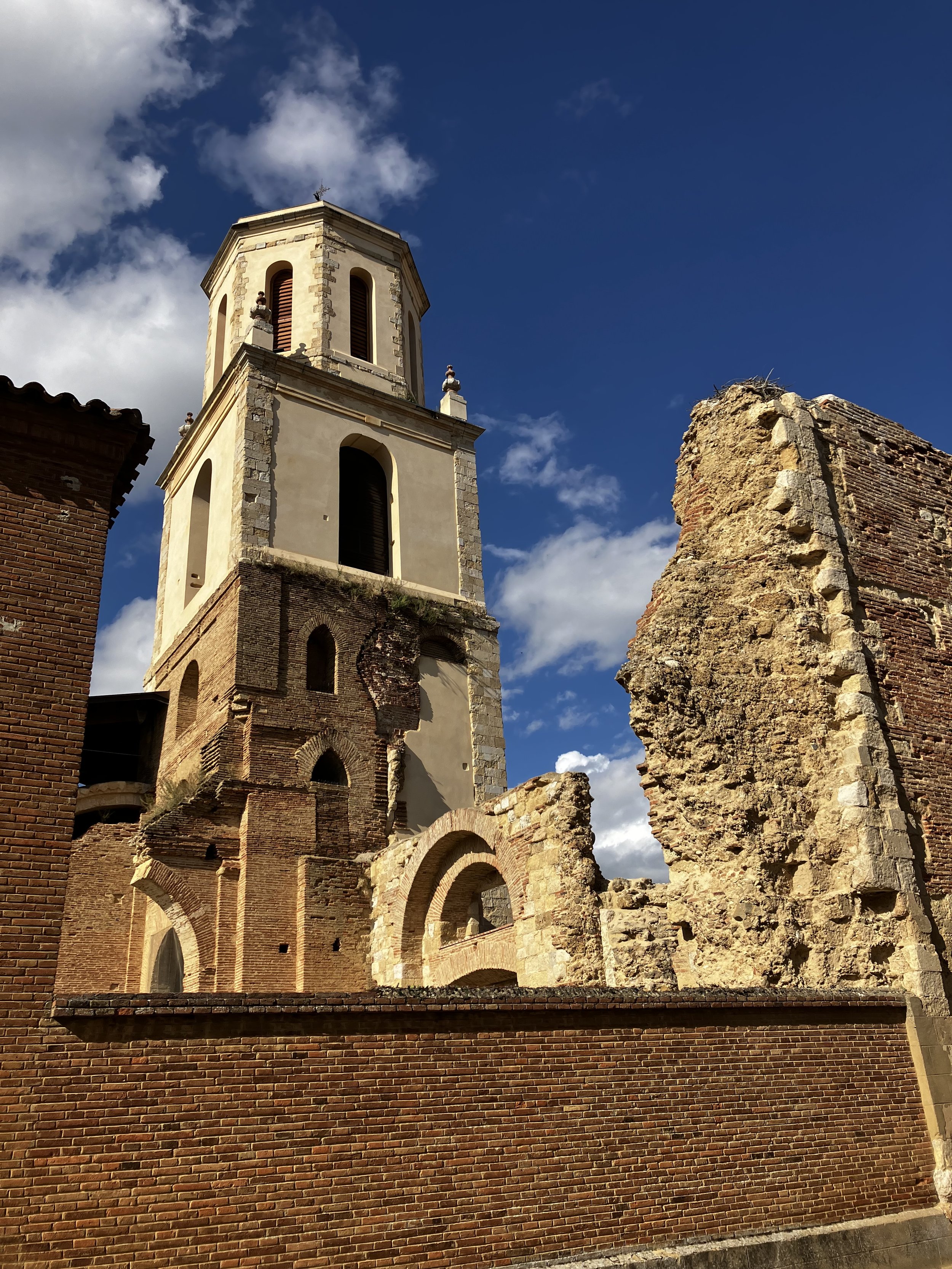
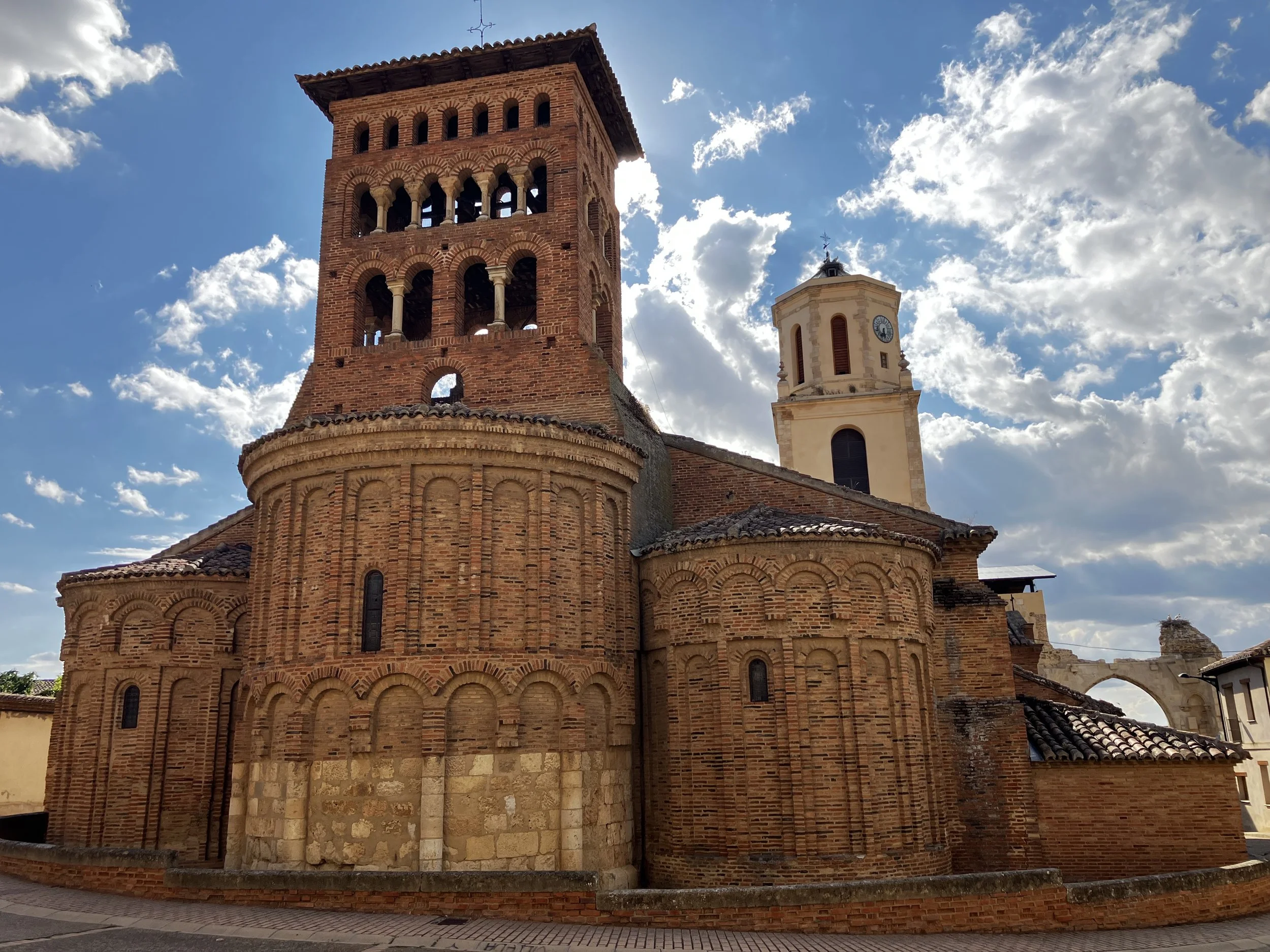
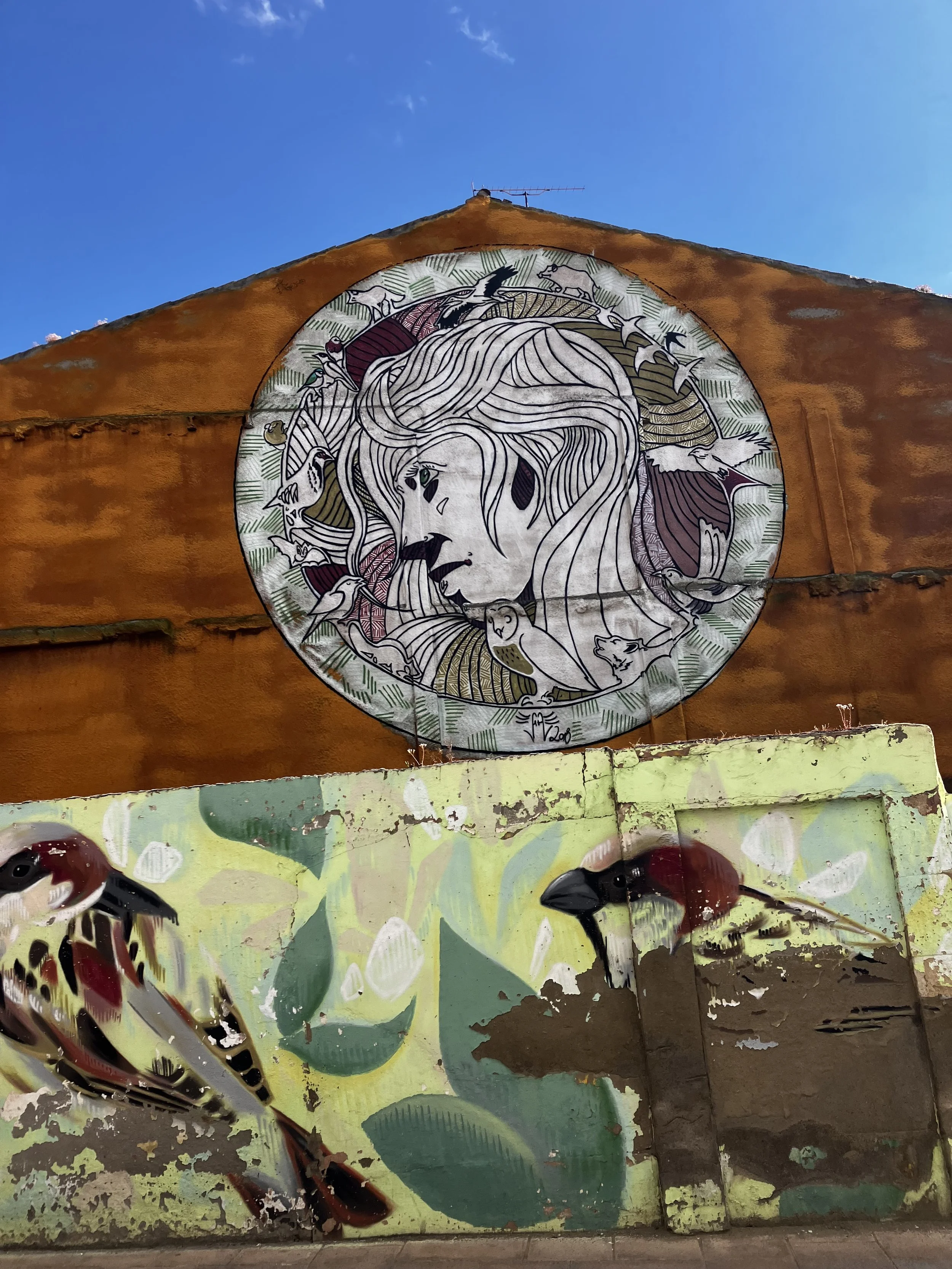
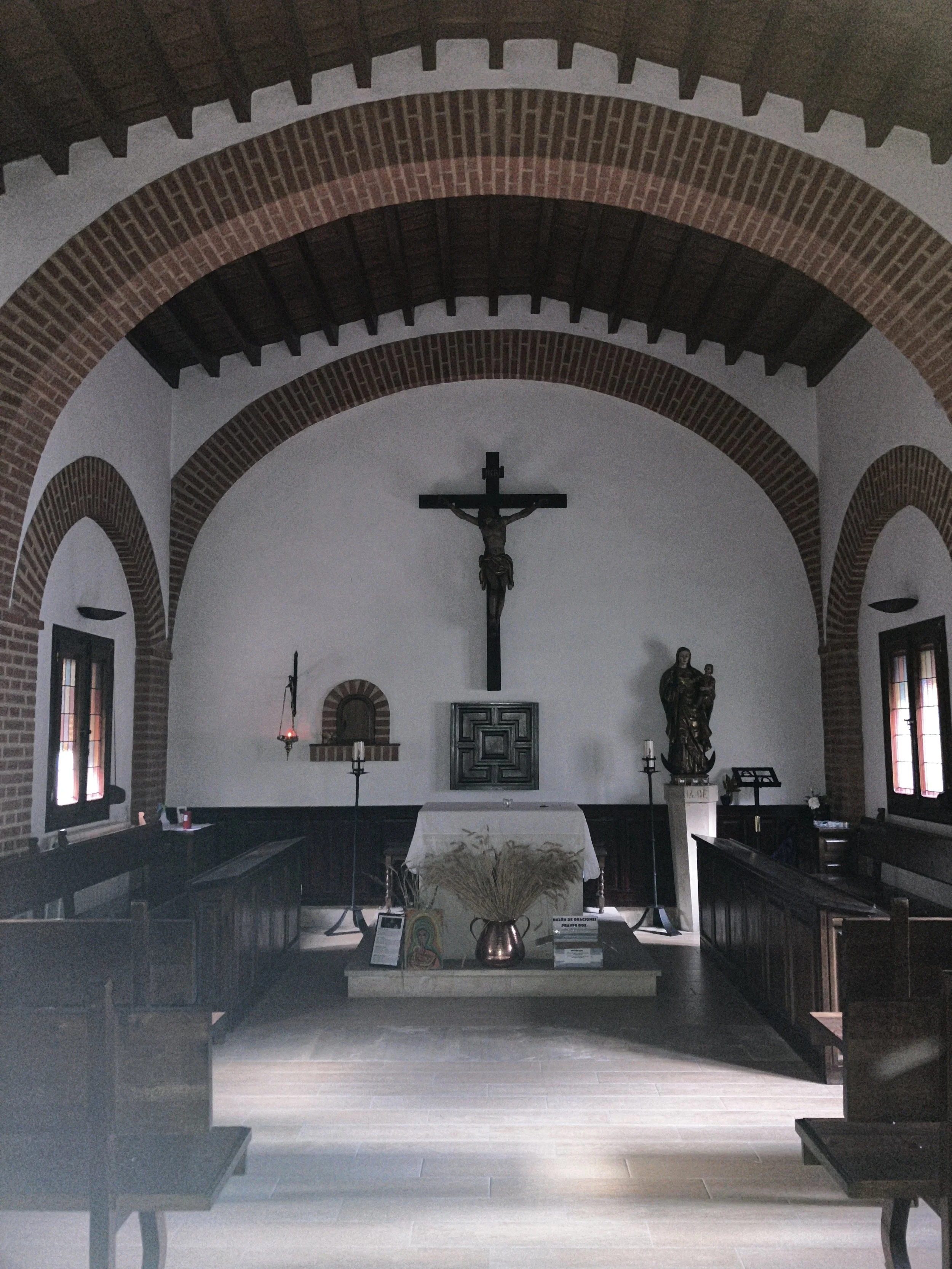
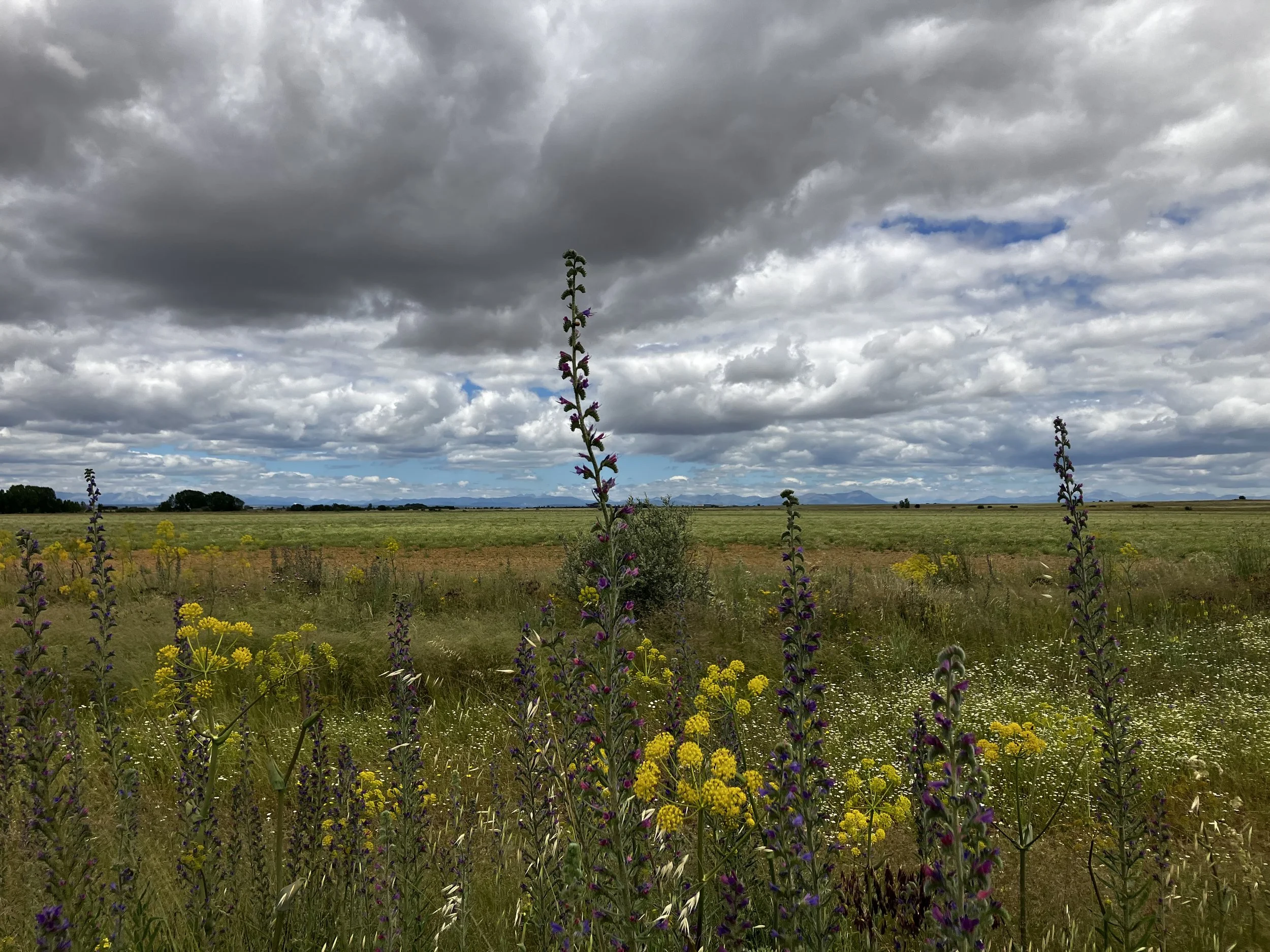
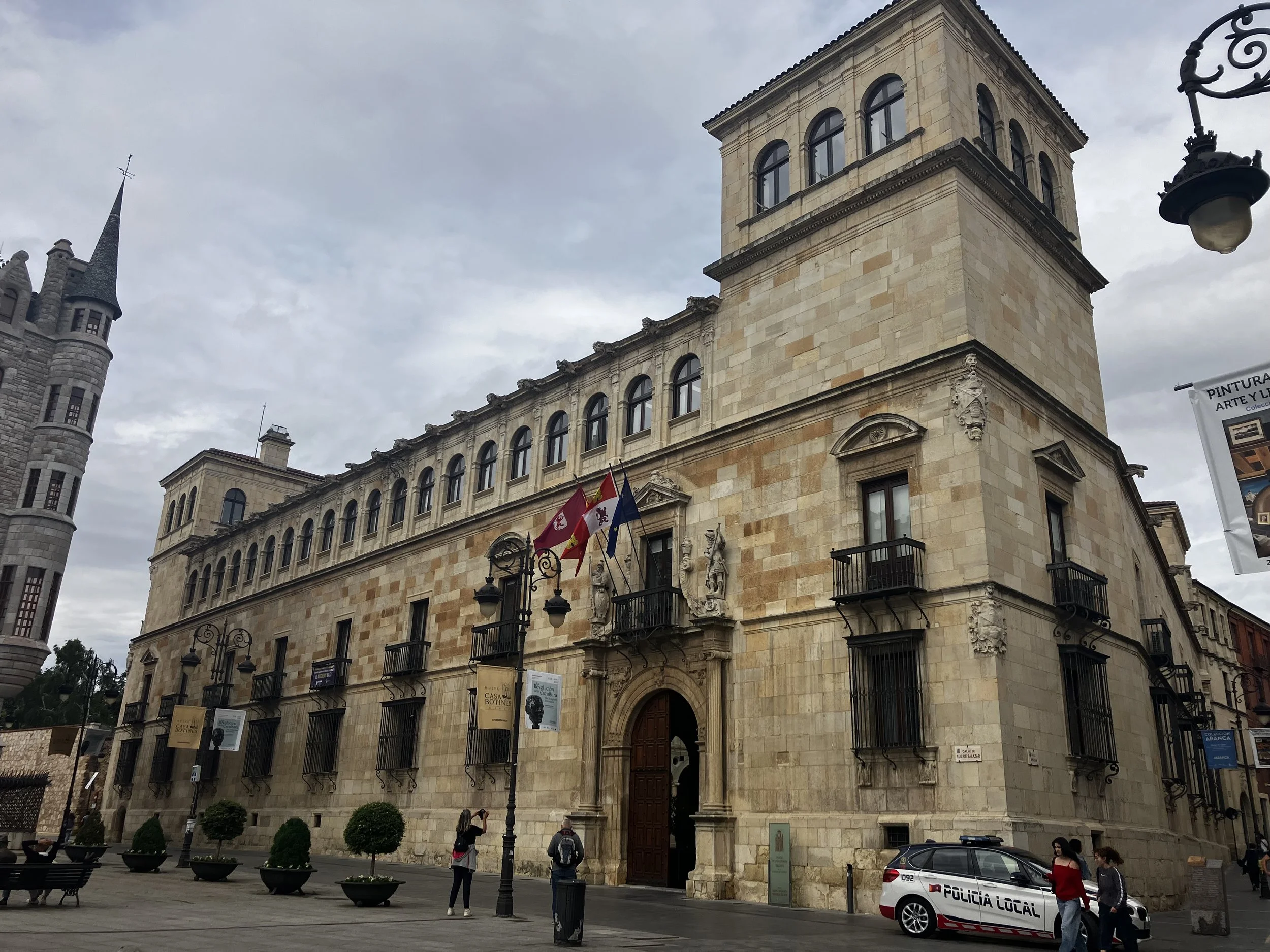
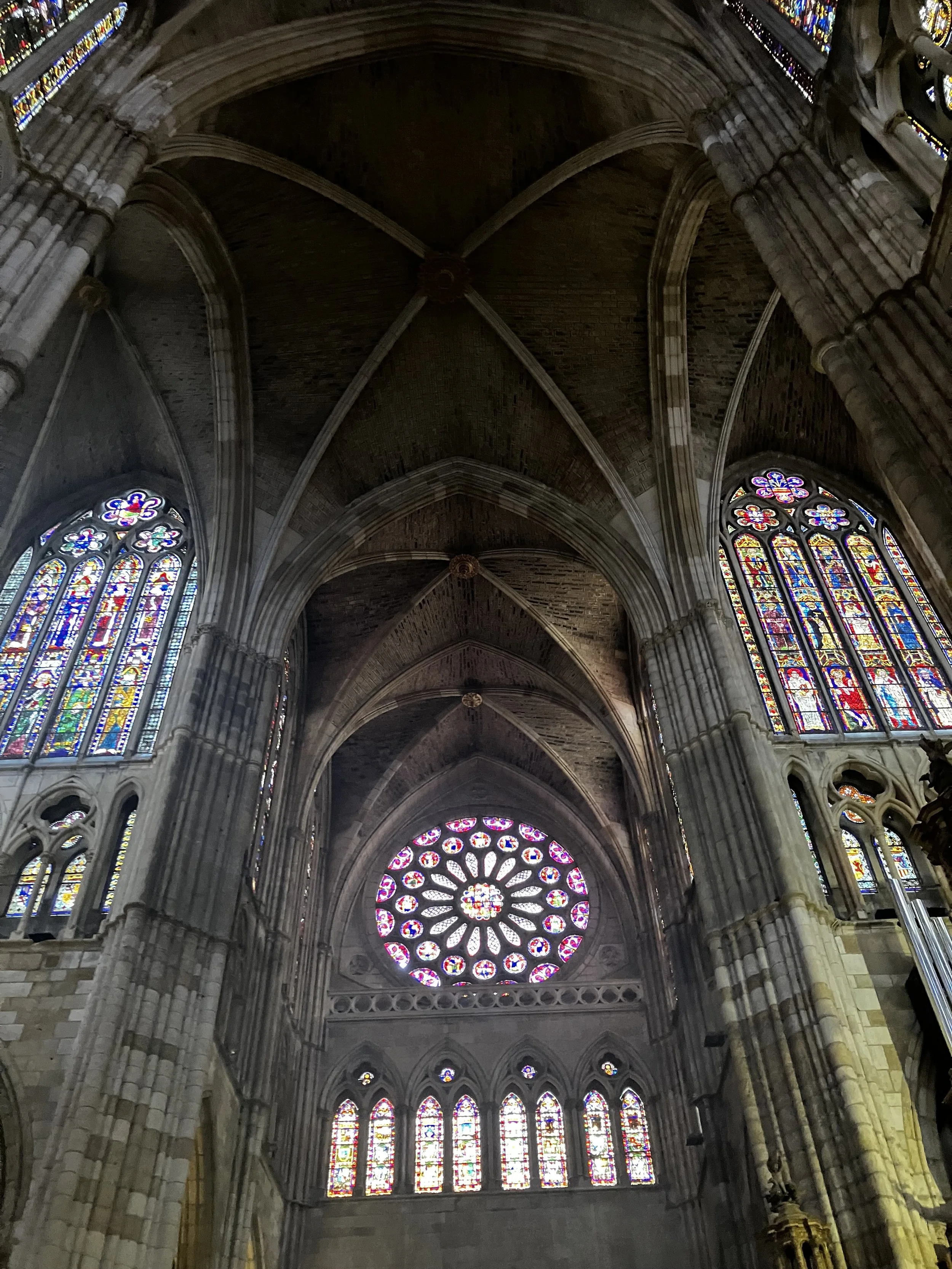
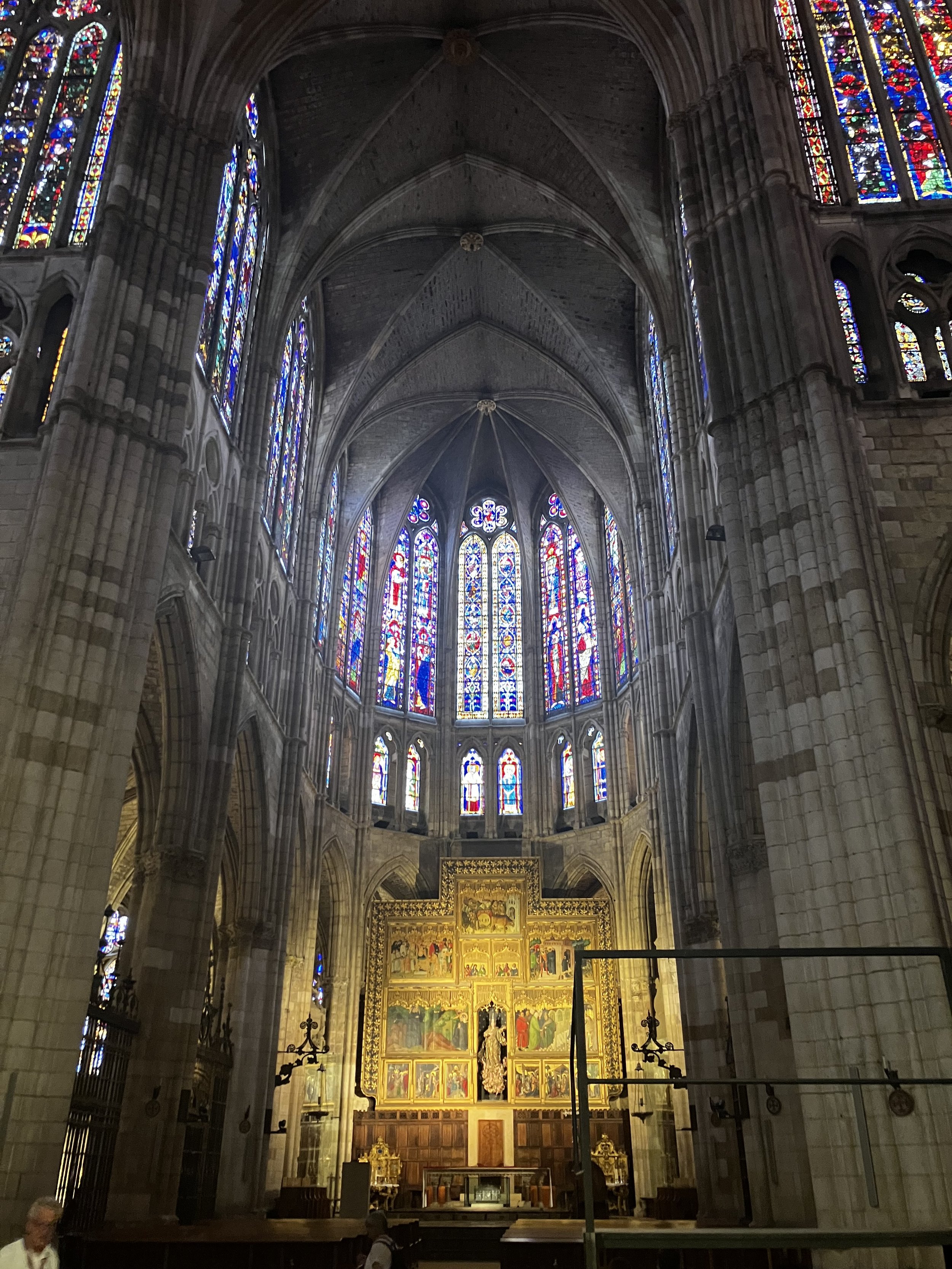
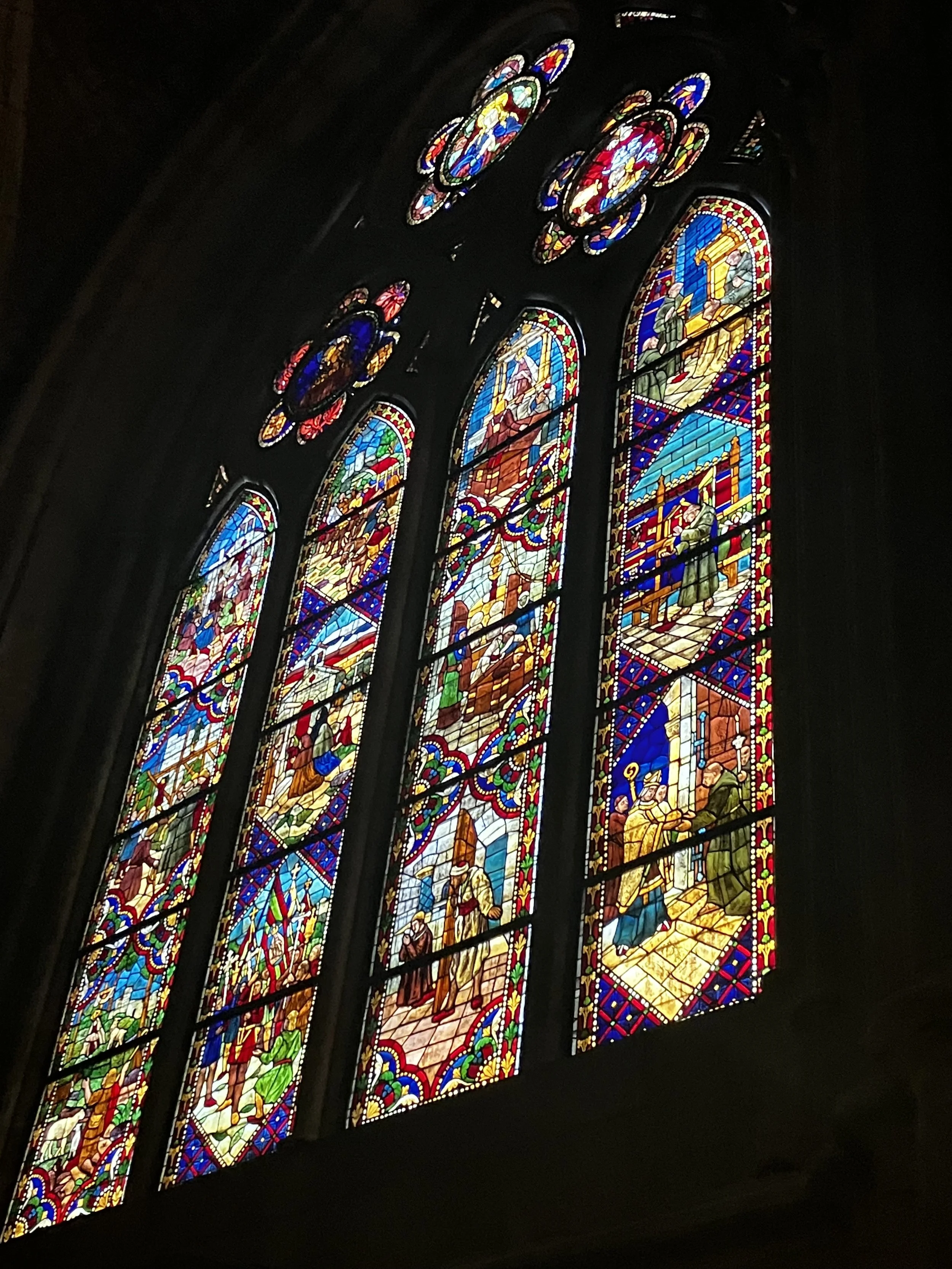
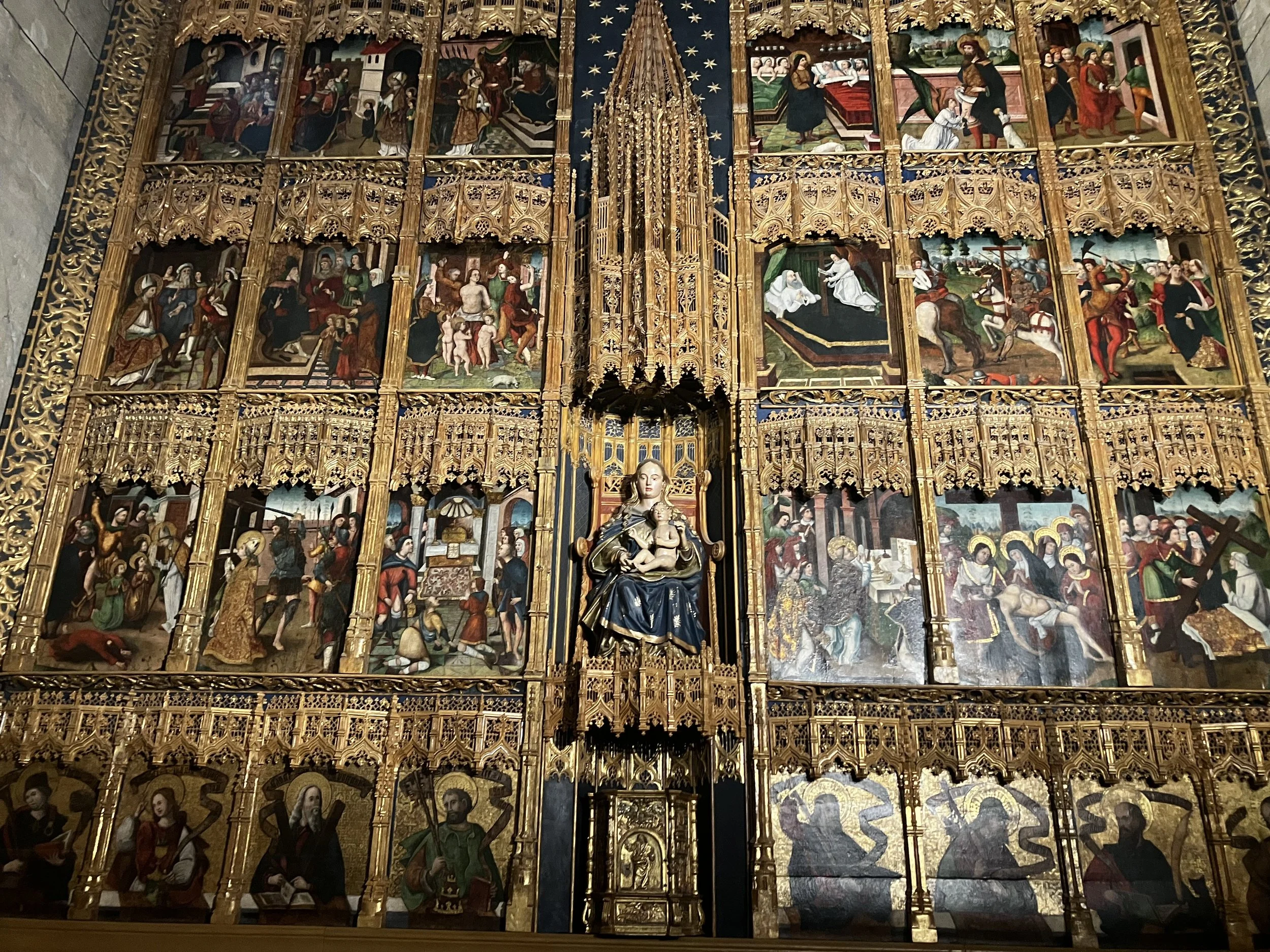
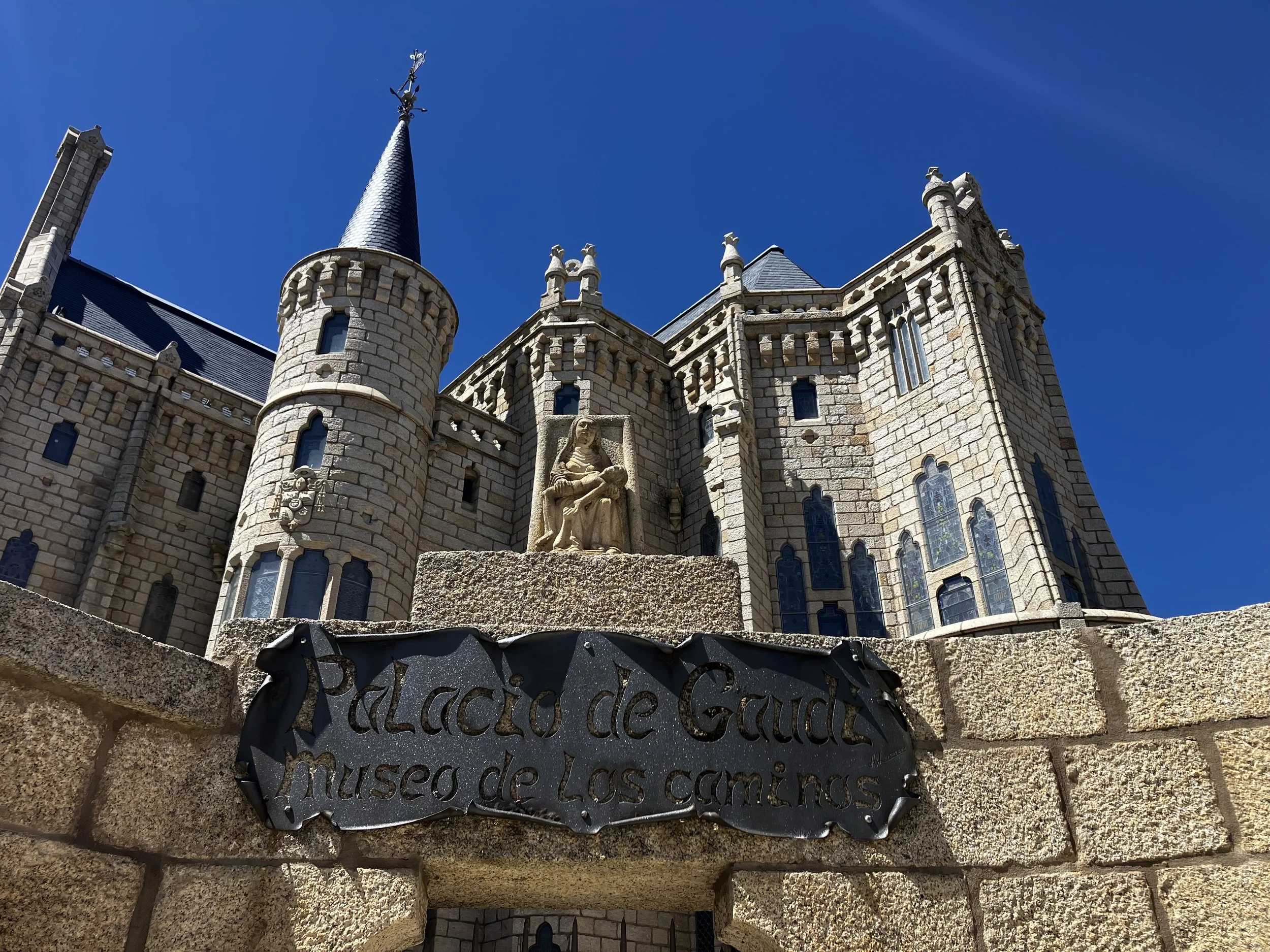
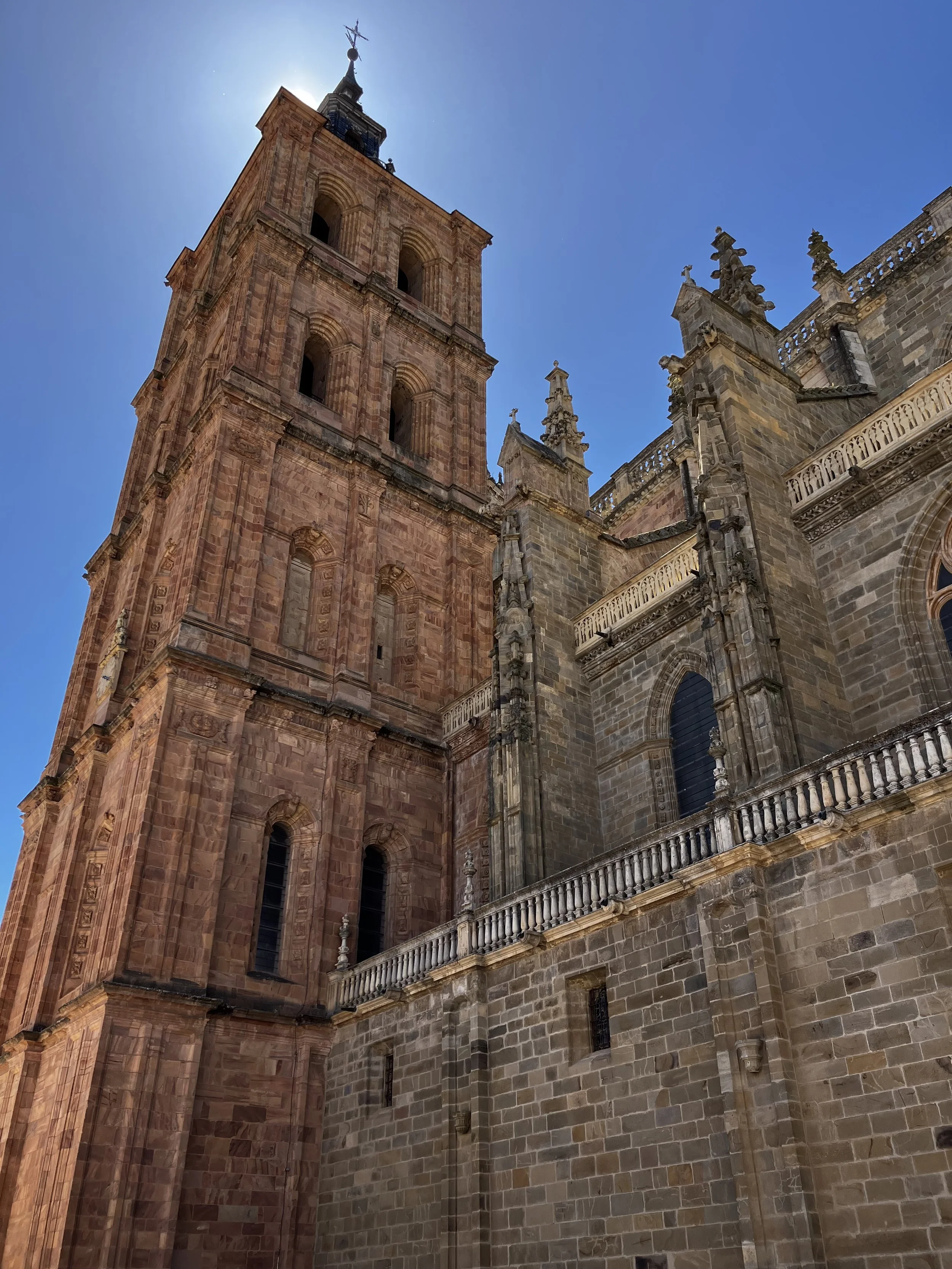
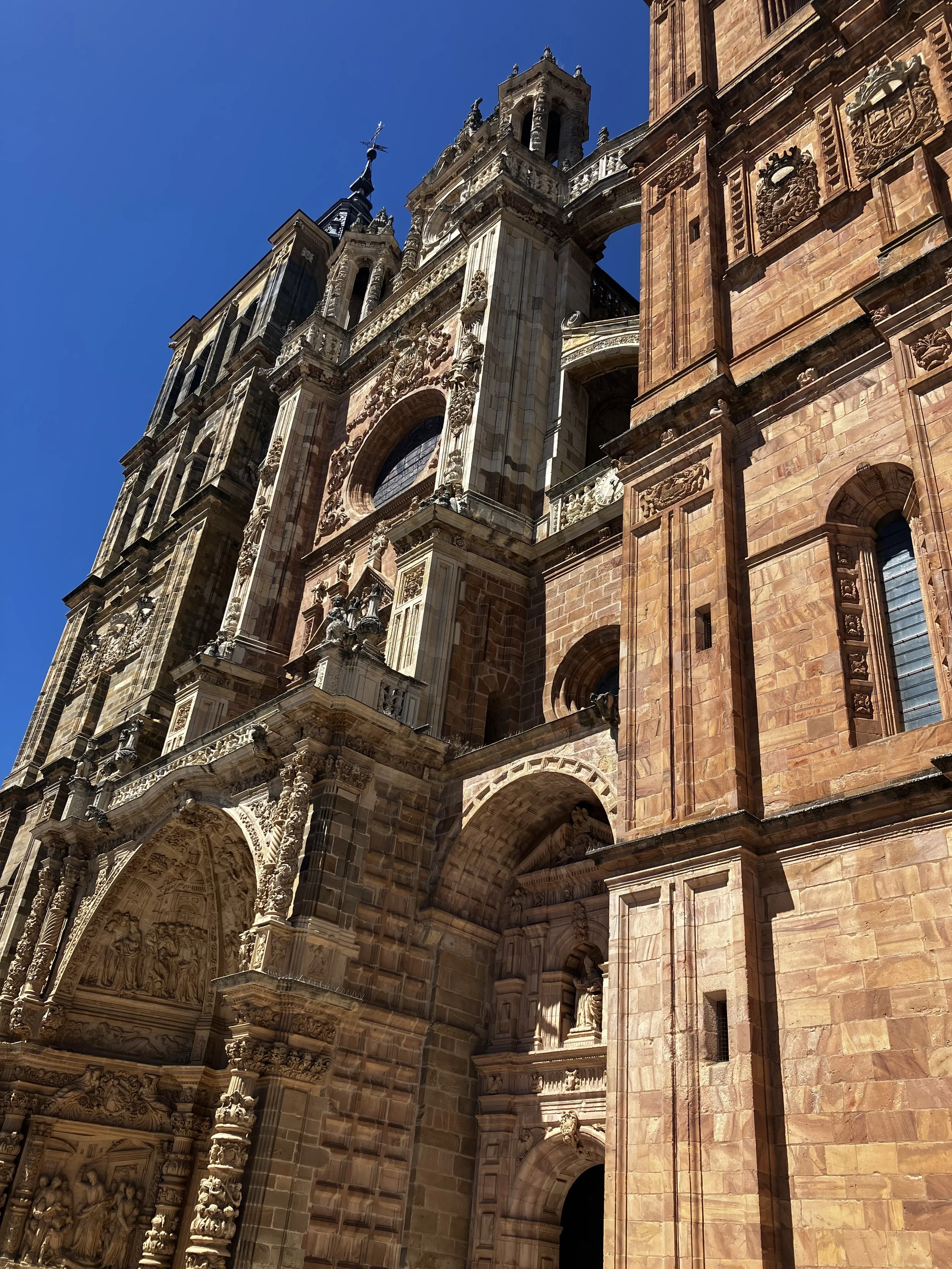
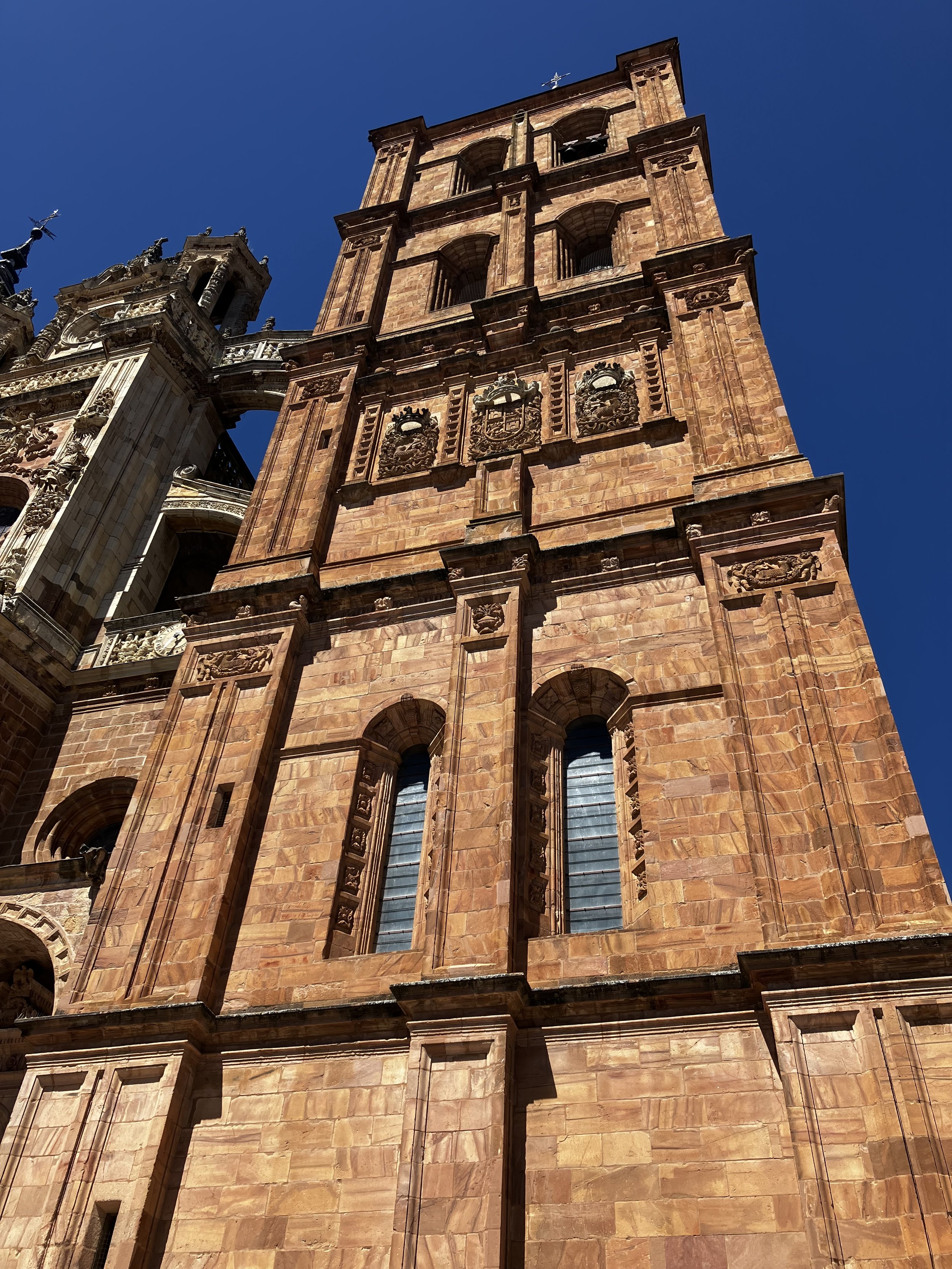
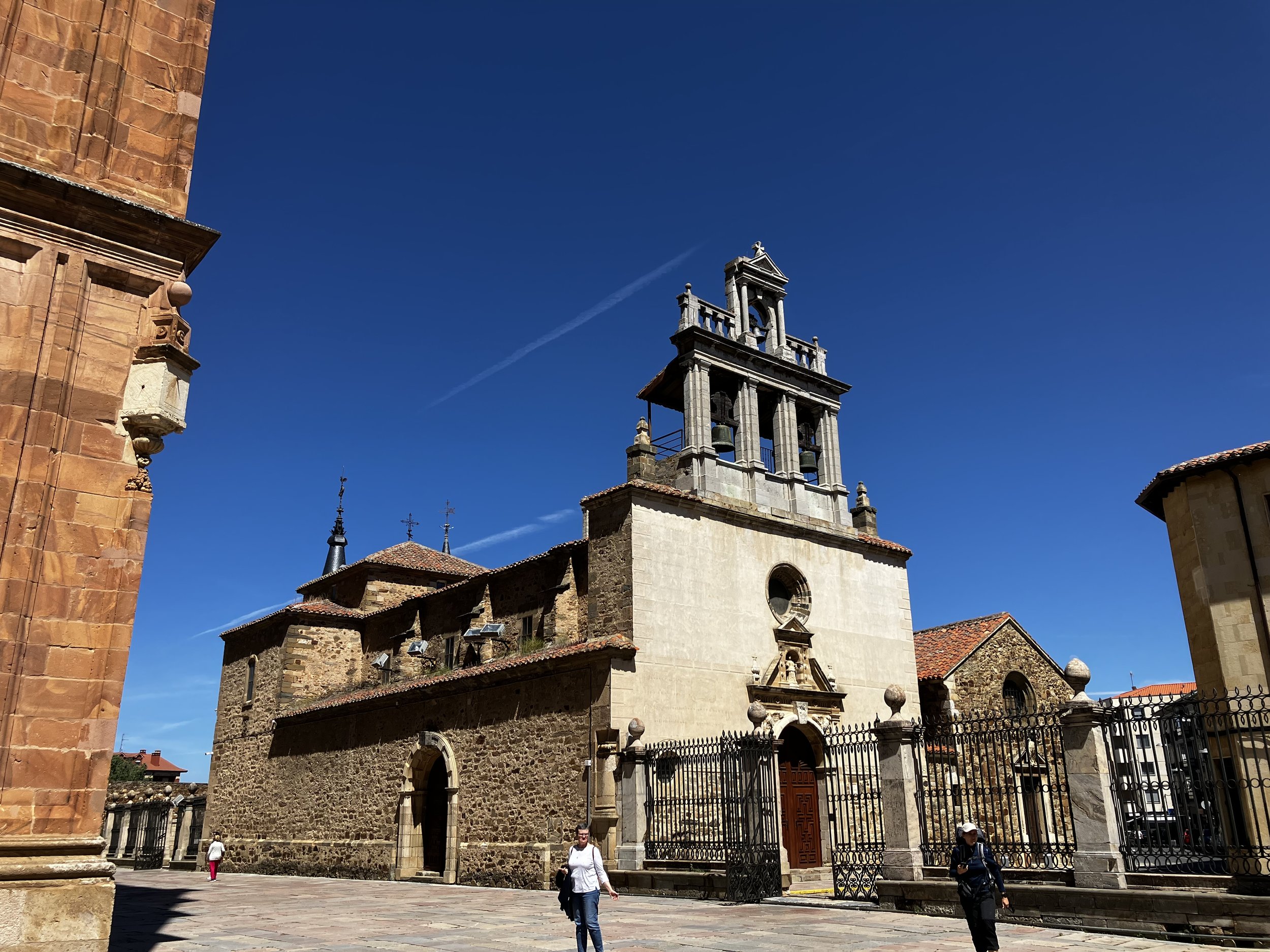
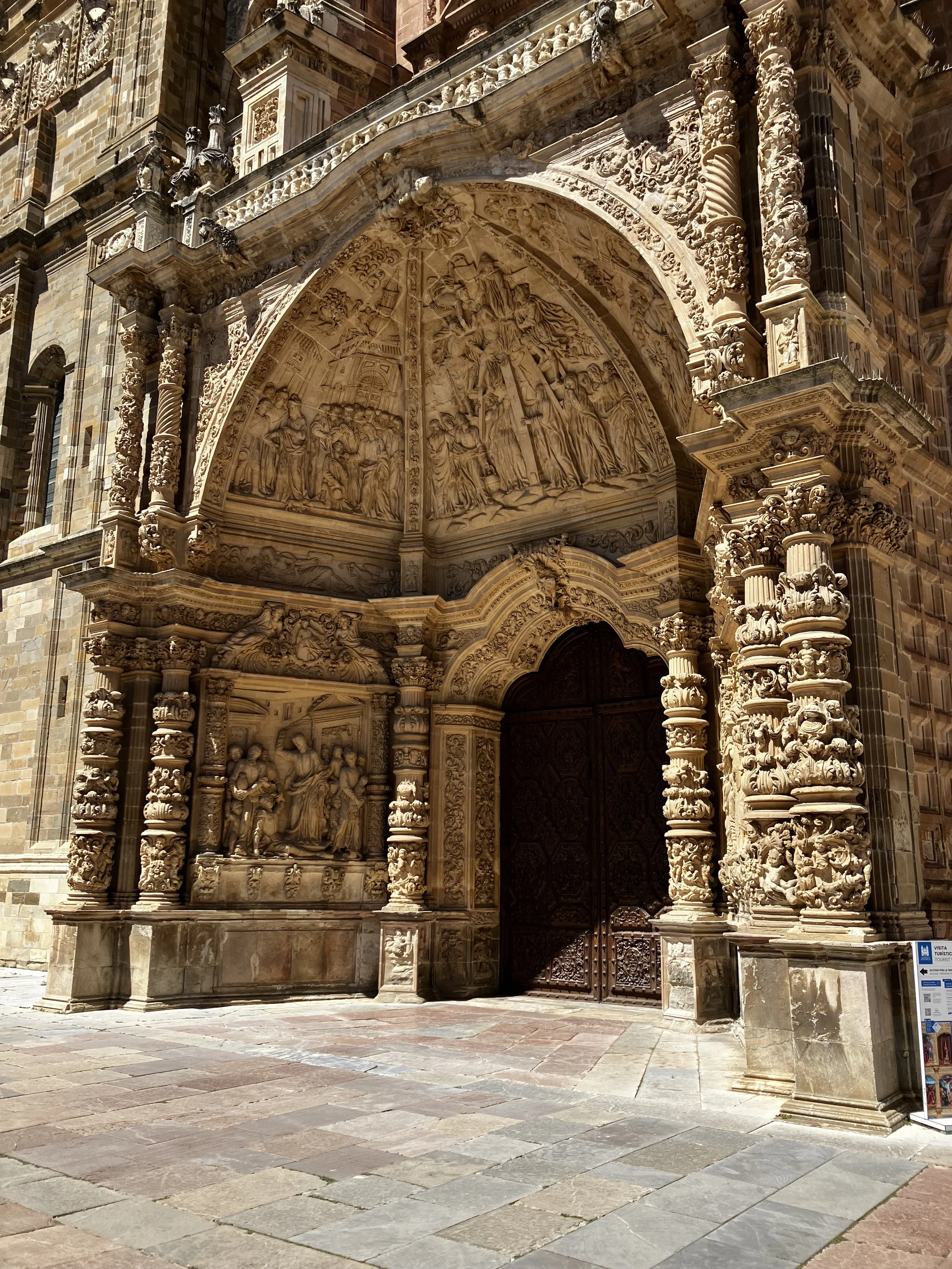
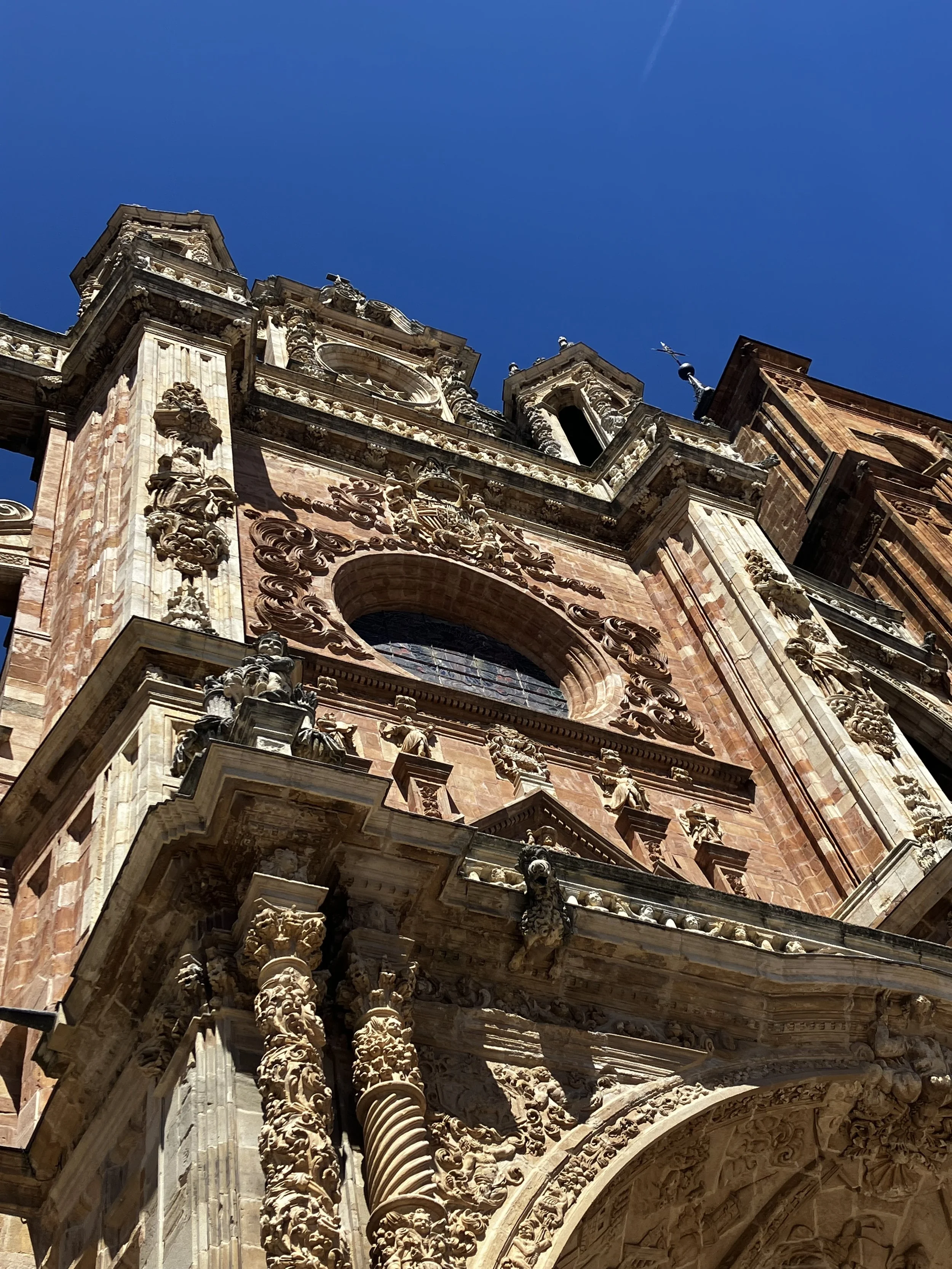
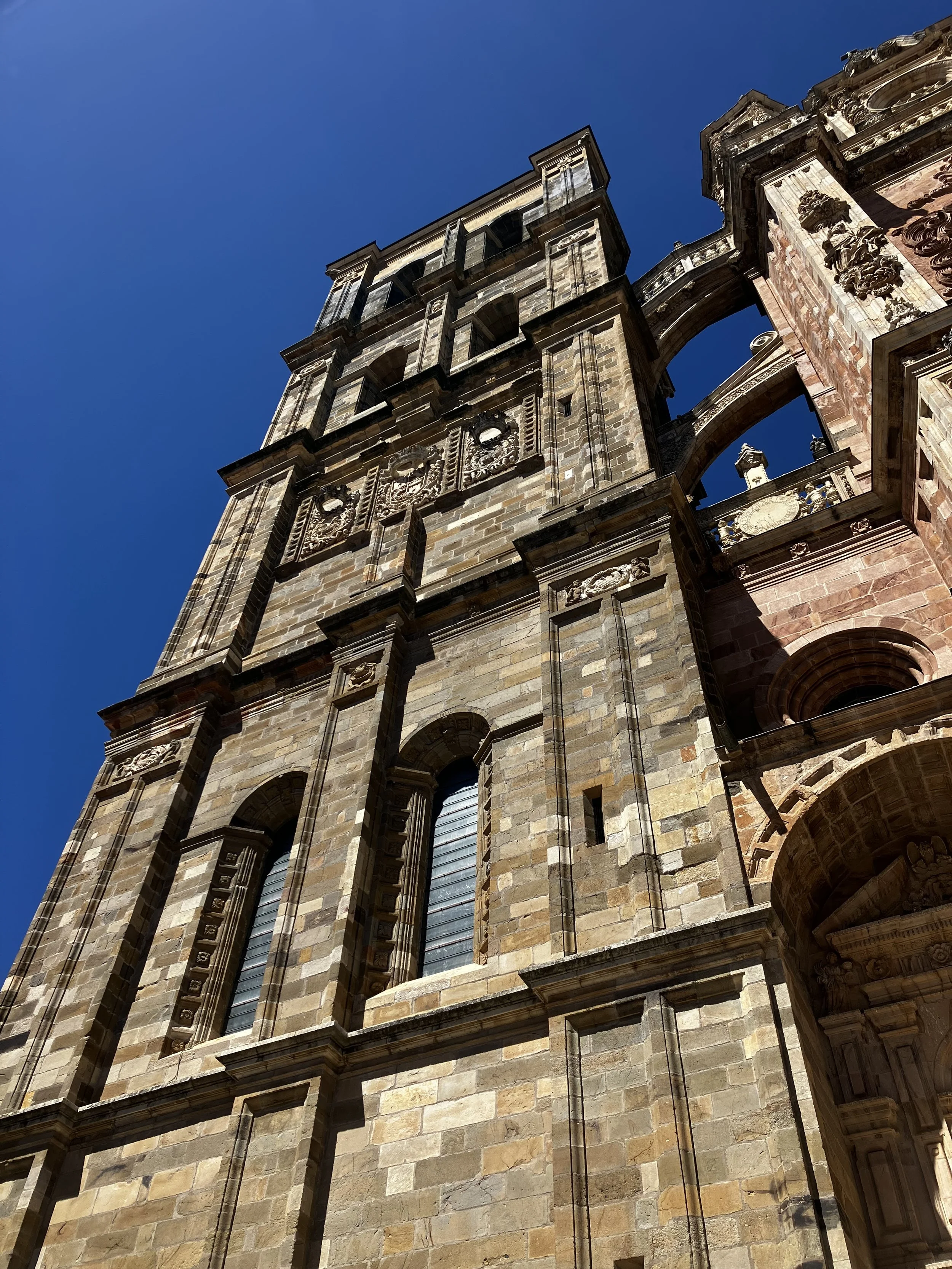
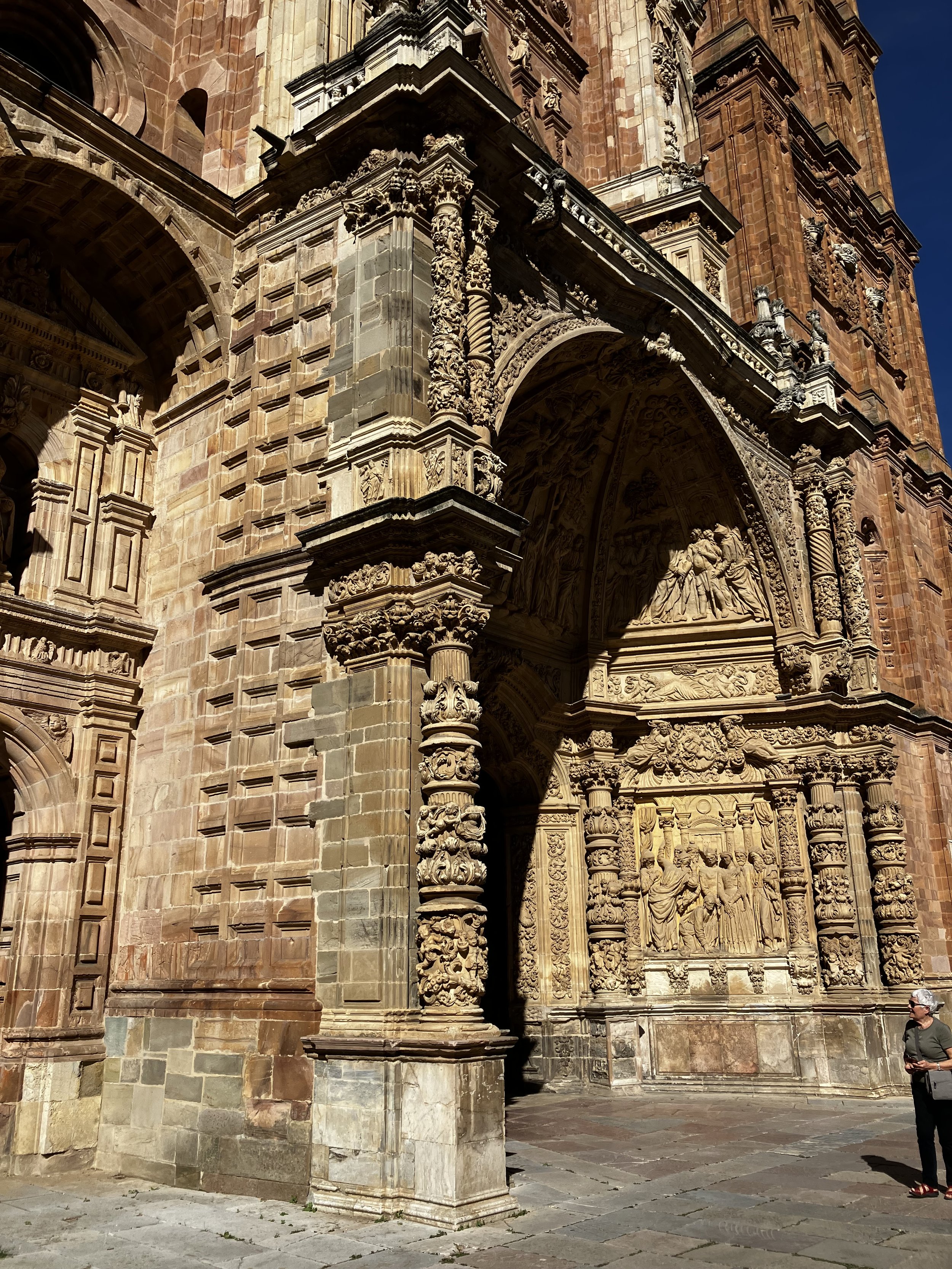
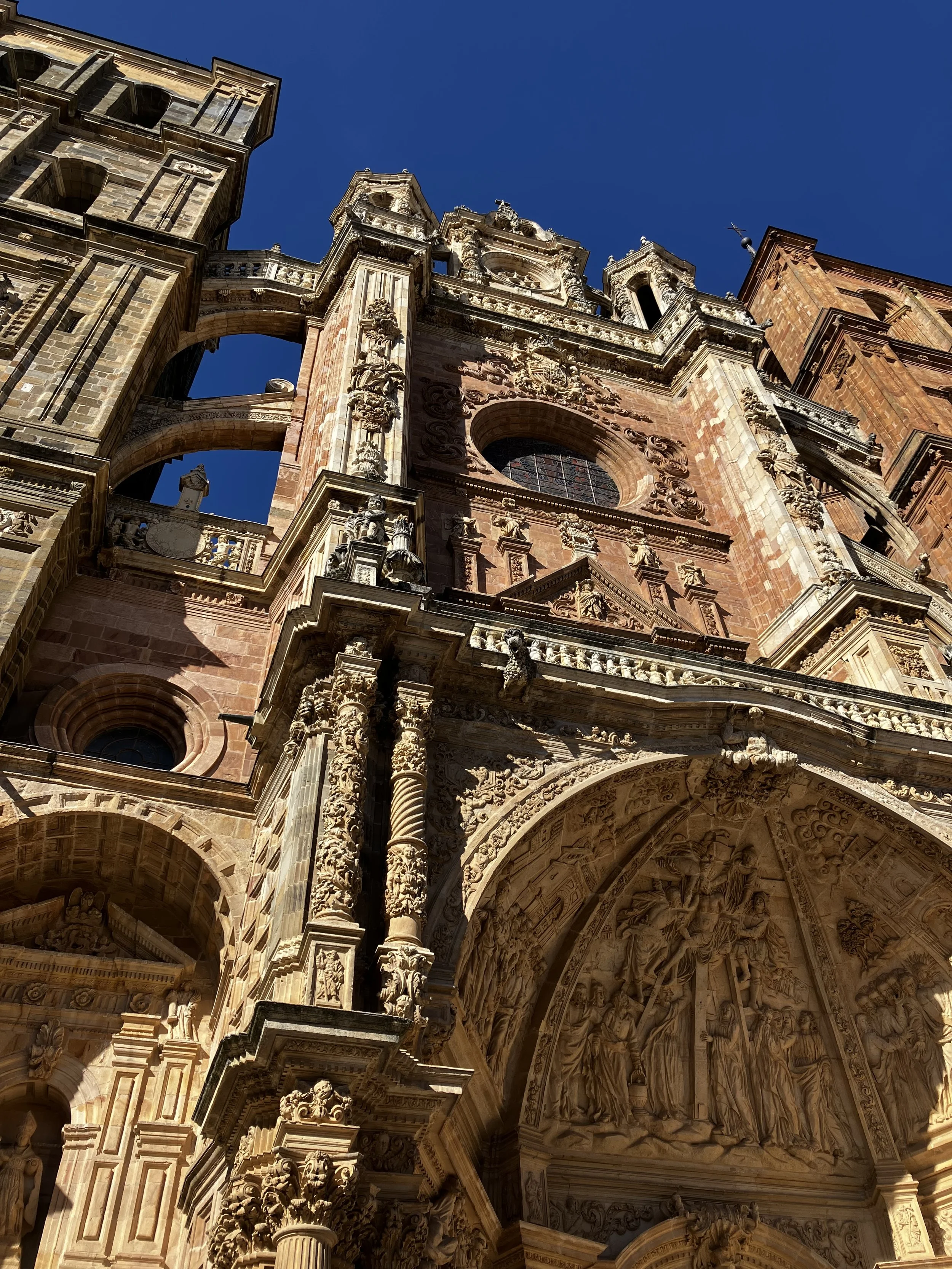
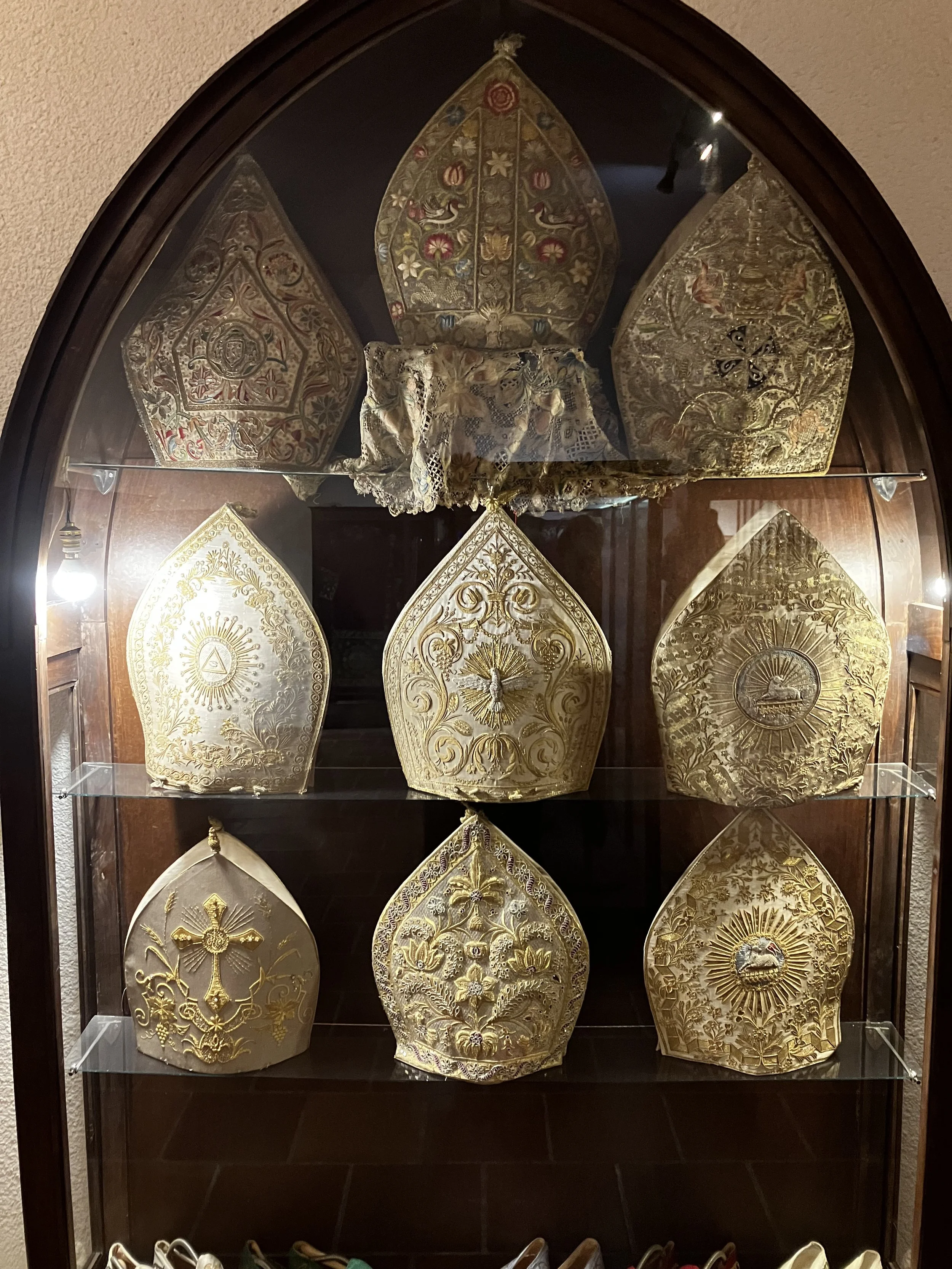
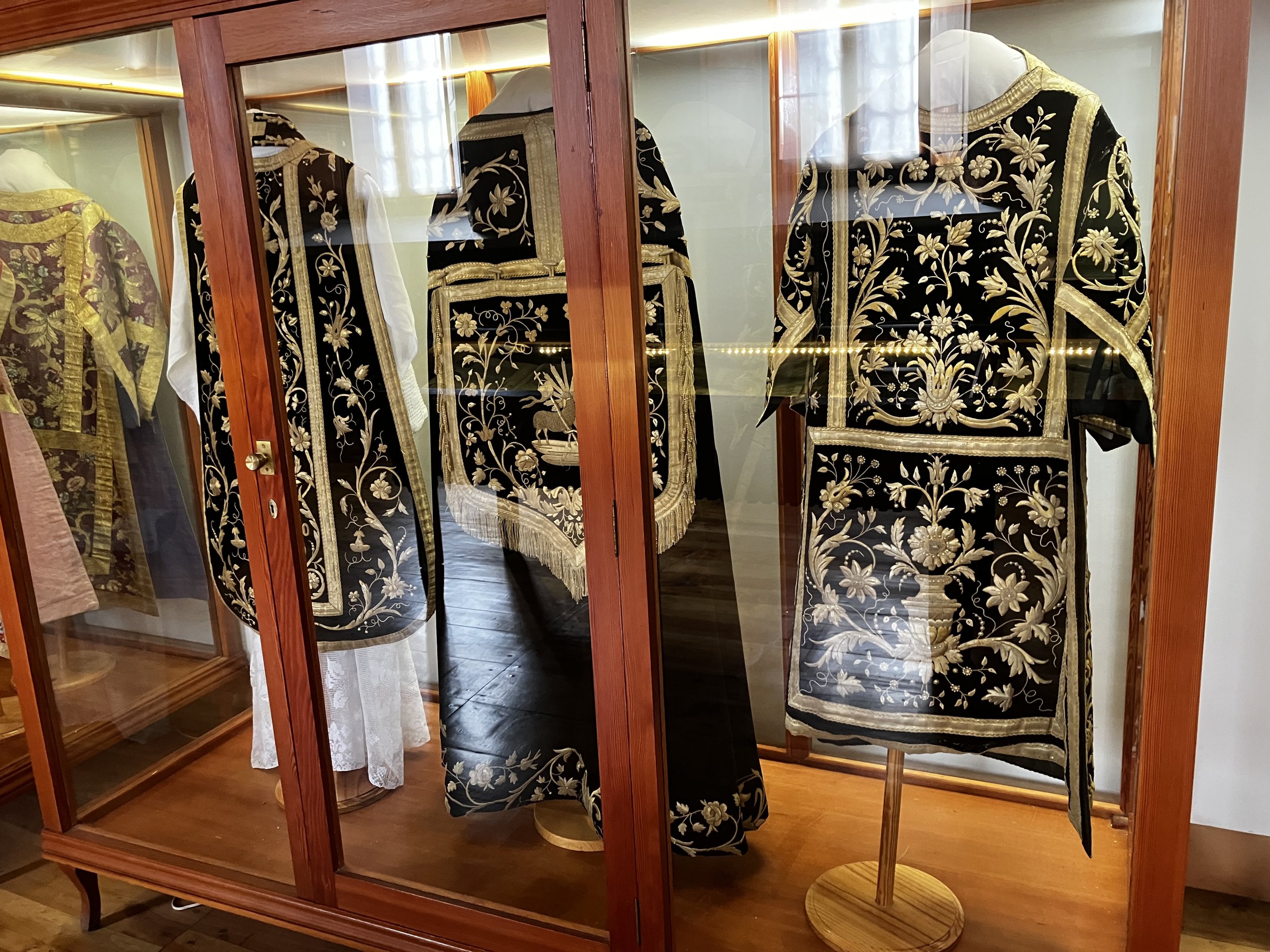
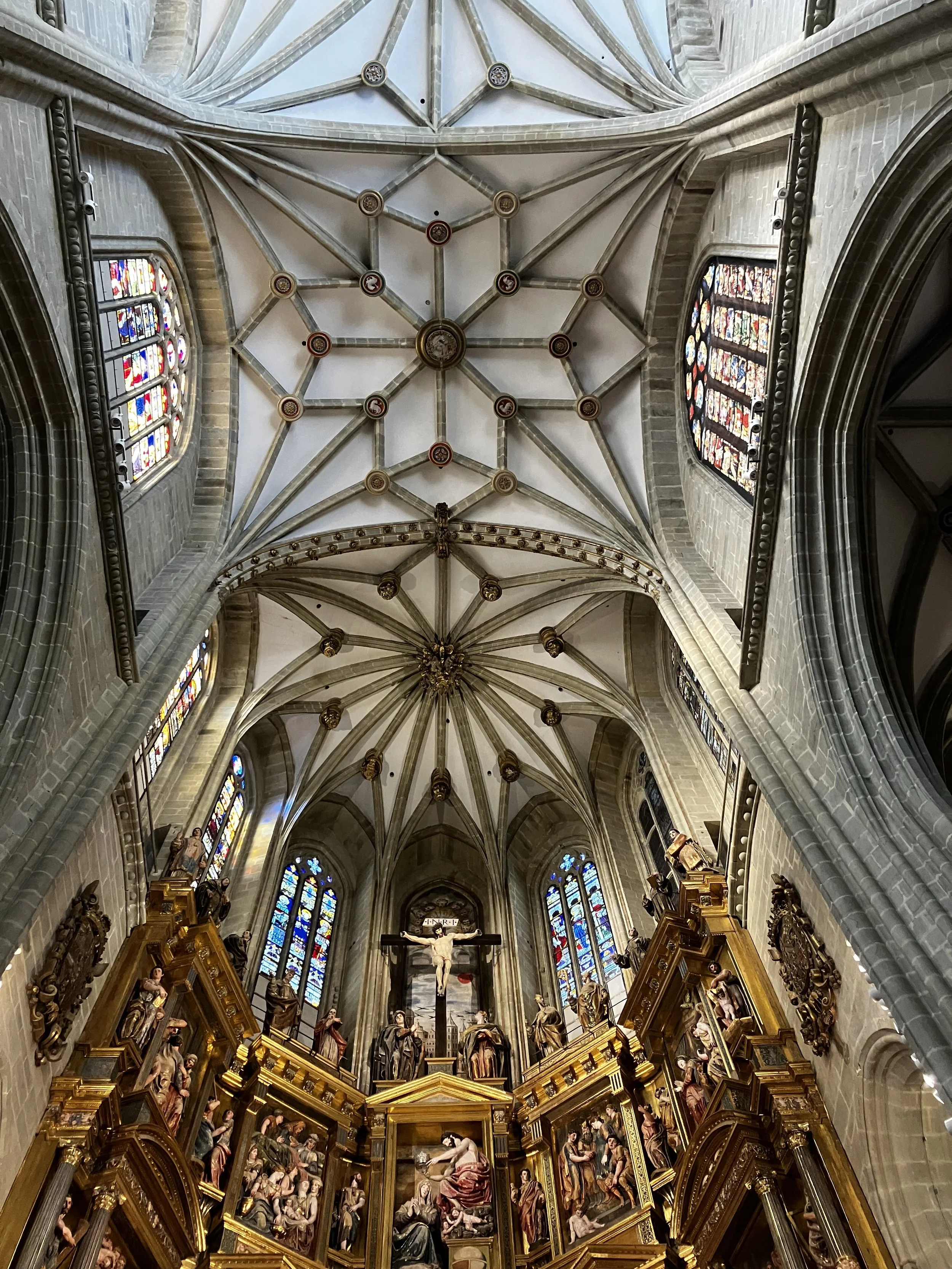
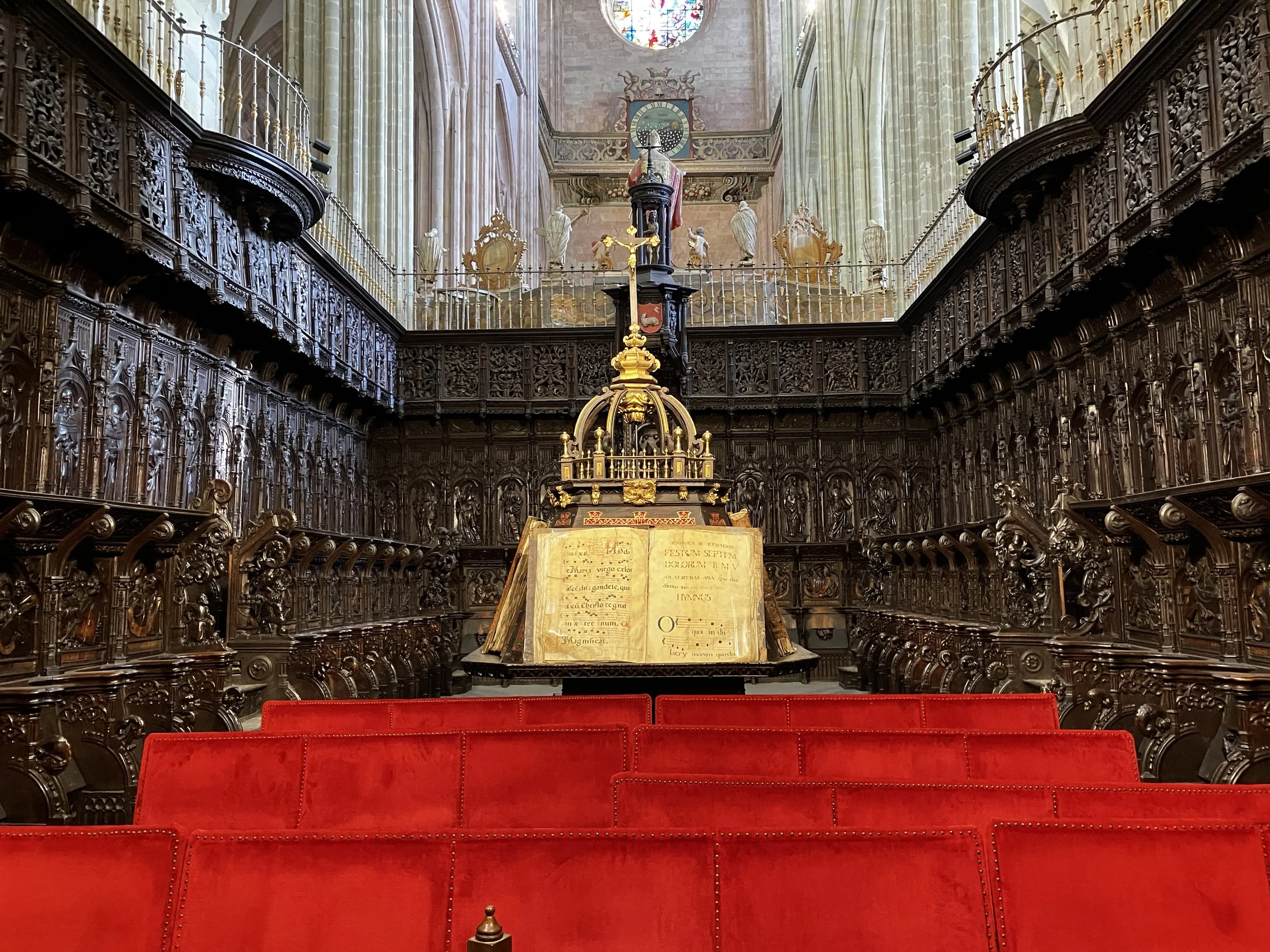
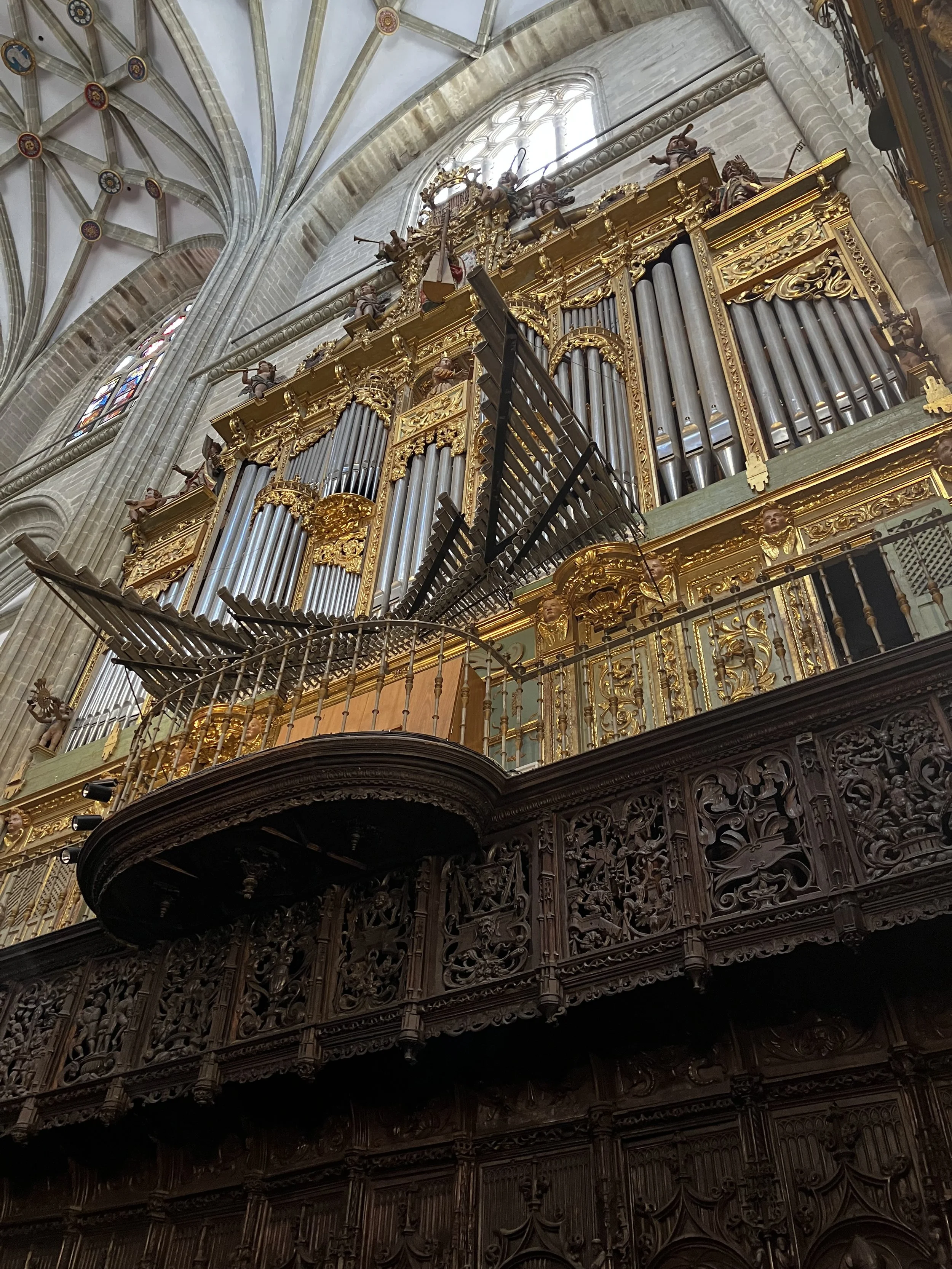
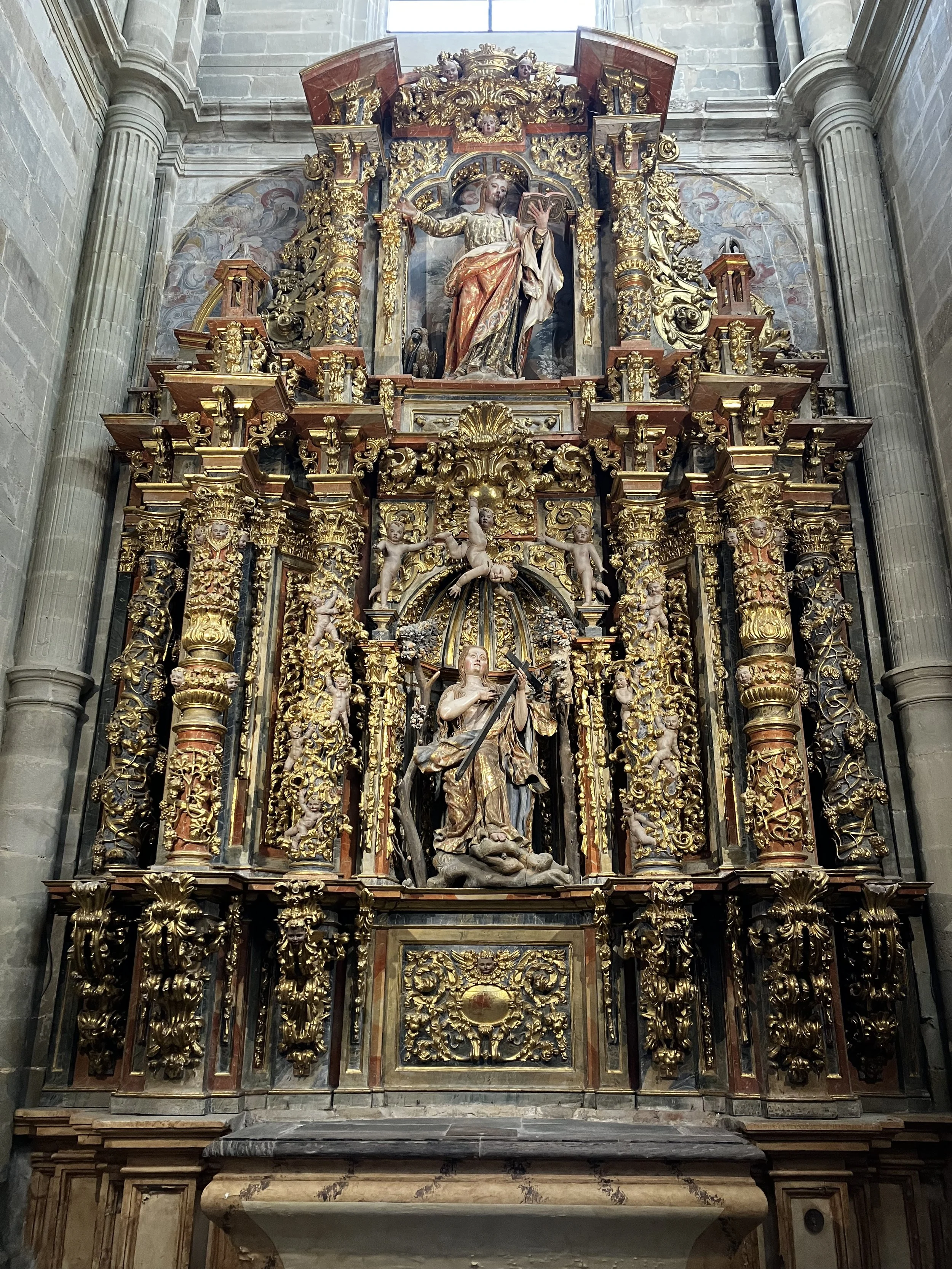
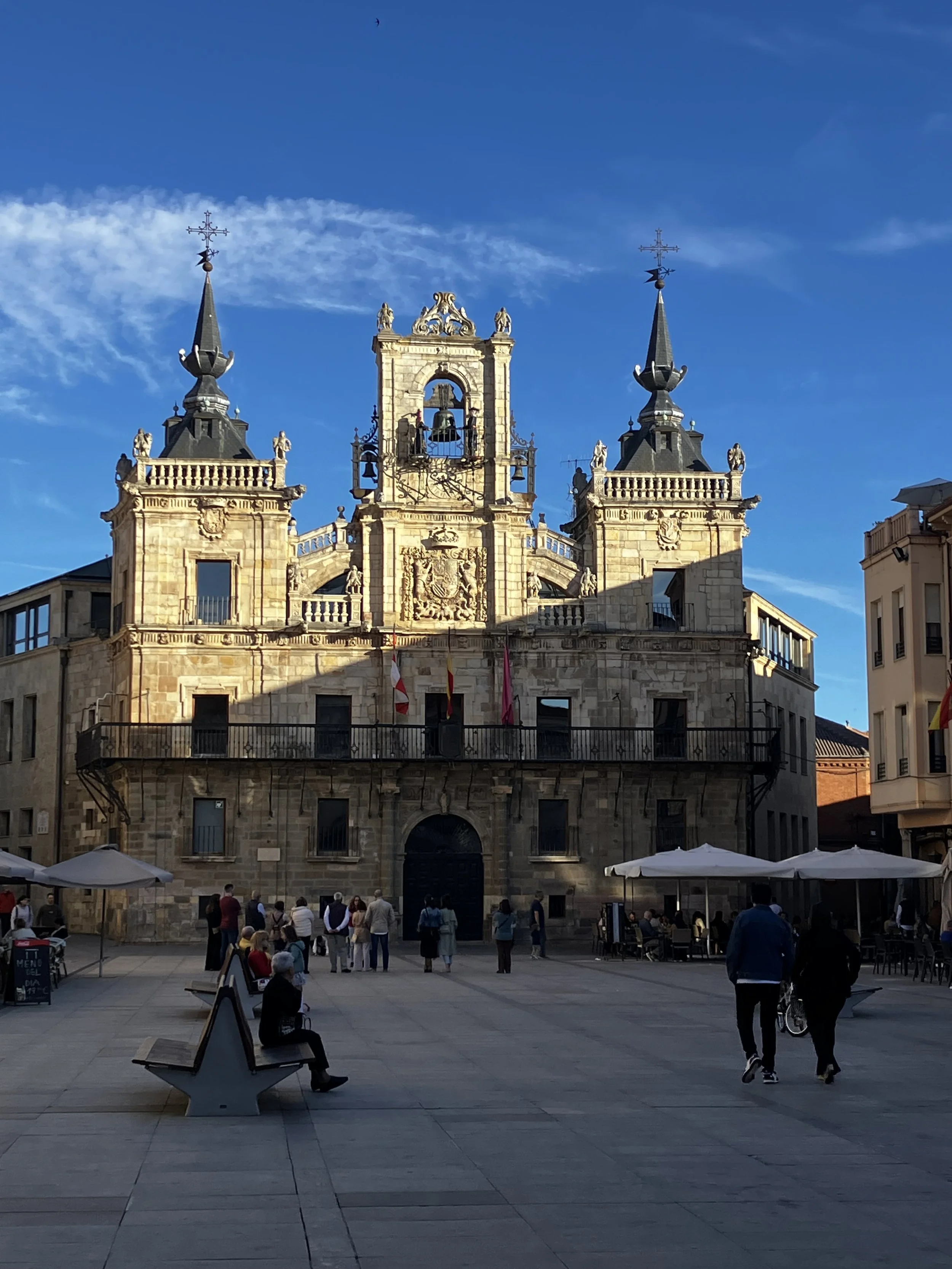
Astorga, a famous chocolatier town was next, with the main attractions architecturally being the Palacio de Gaudi and the Catedral de Santa Maria de Astorga sitting essentially back to back. The Palace as mentioned will be spoken about in the Barcelona segment, but it featured a Camino museum, with iconography of Saint James from all corners of the world, and while we spent more time there for personal reasons, the cathedral was no less stunning. The vestments and miters worn by the clergy were enough to make me as a textile artist having done an incredibly rushed facsimile of them incredibly starstruck, even pictures taken on my phone up close weren’t enough to catch the detail of the stitching, beading, and embellishments present on the garments. The interior and exterior of the cathedral were vying neck and neck for visual attention and I gave as much as I could with the time allotted.
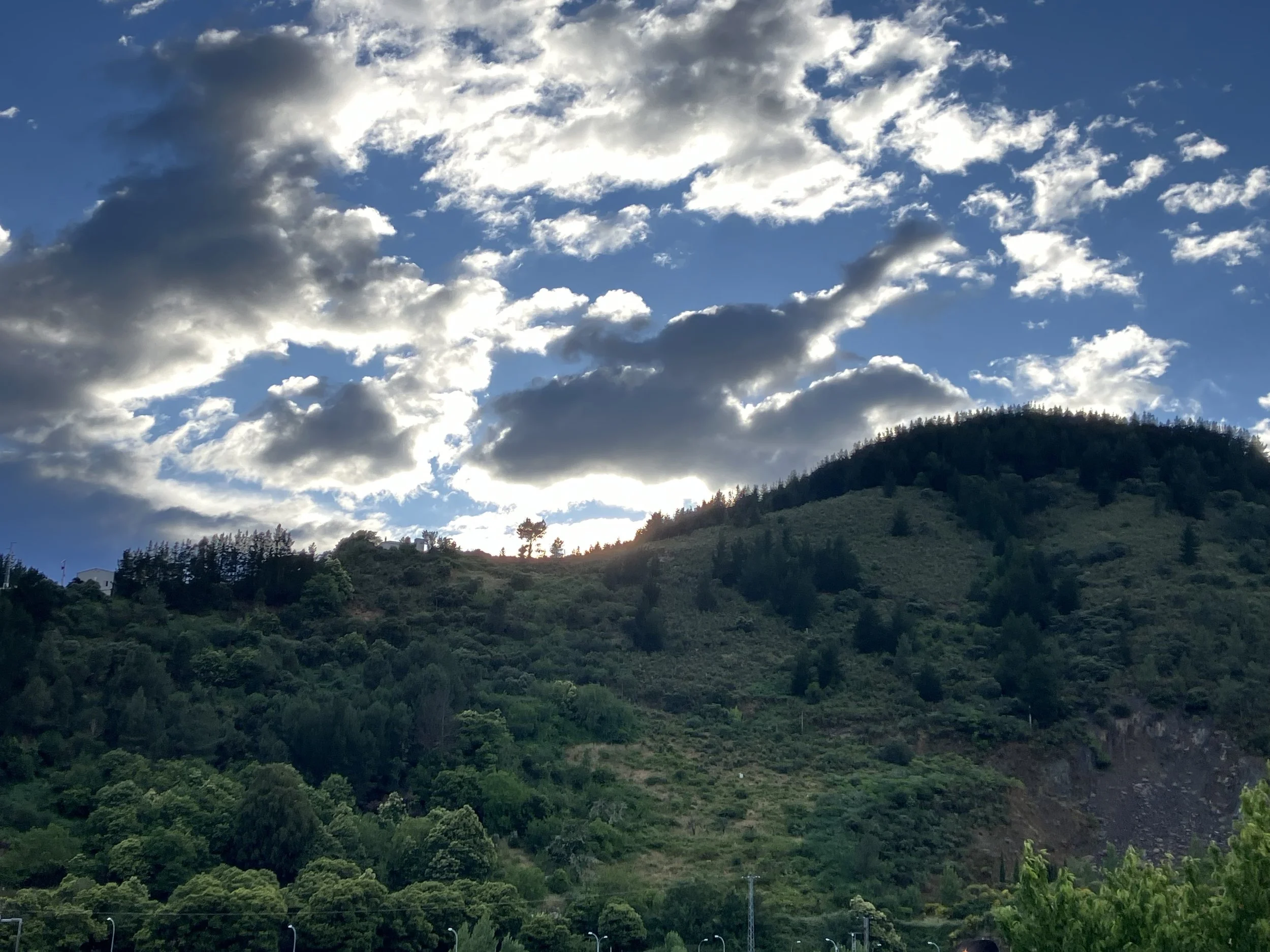
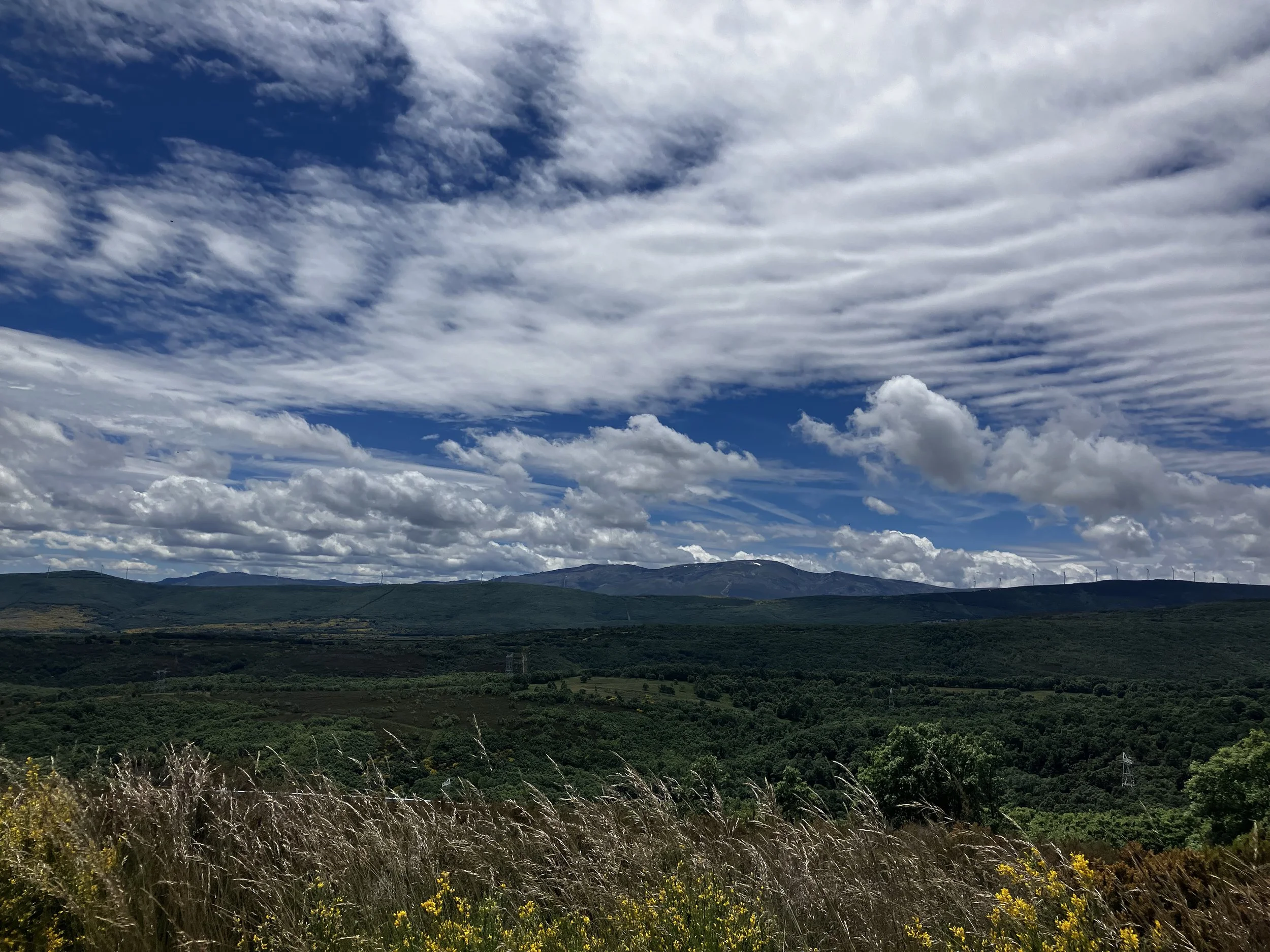
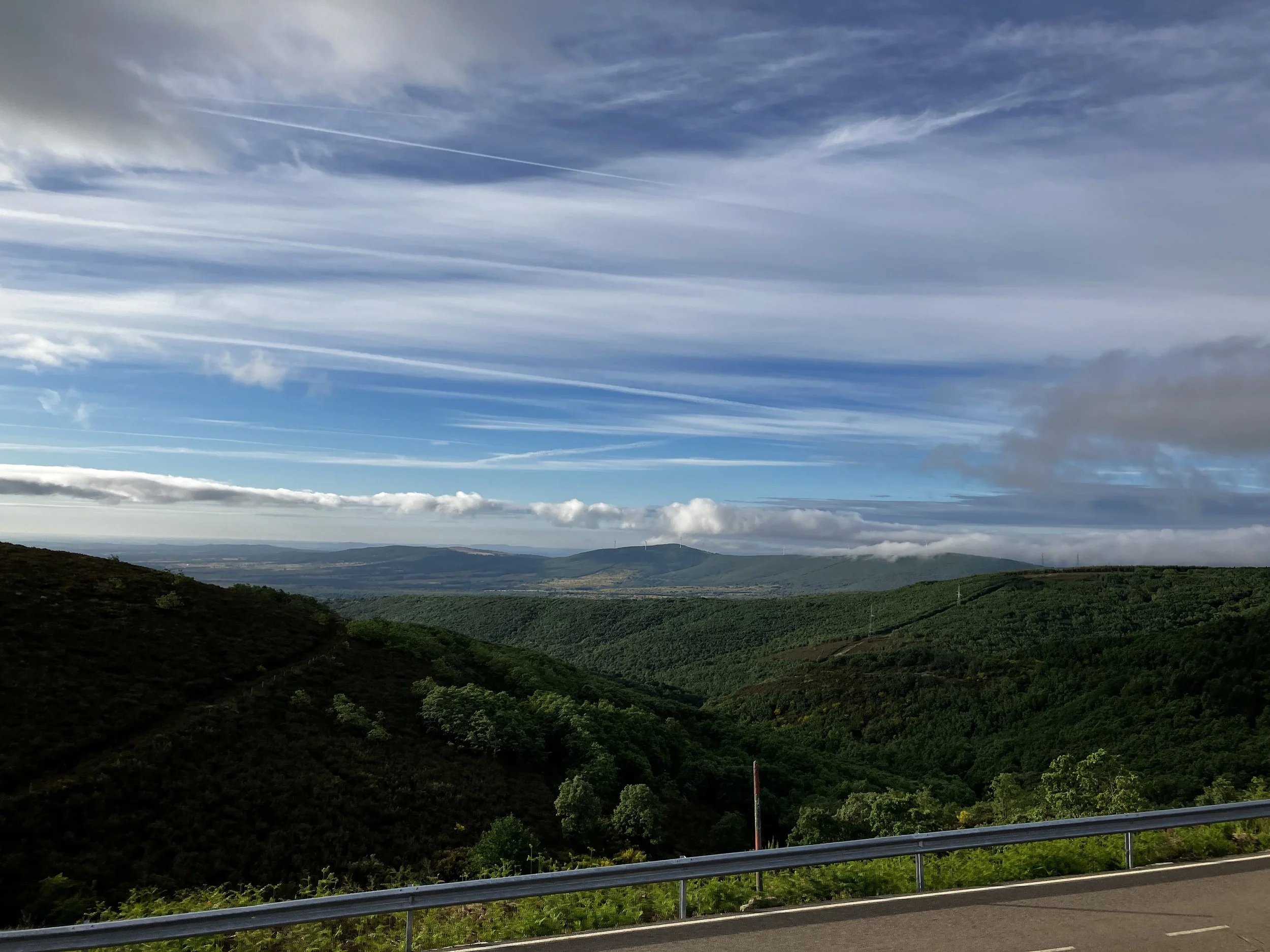
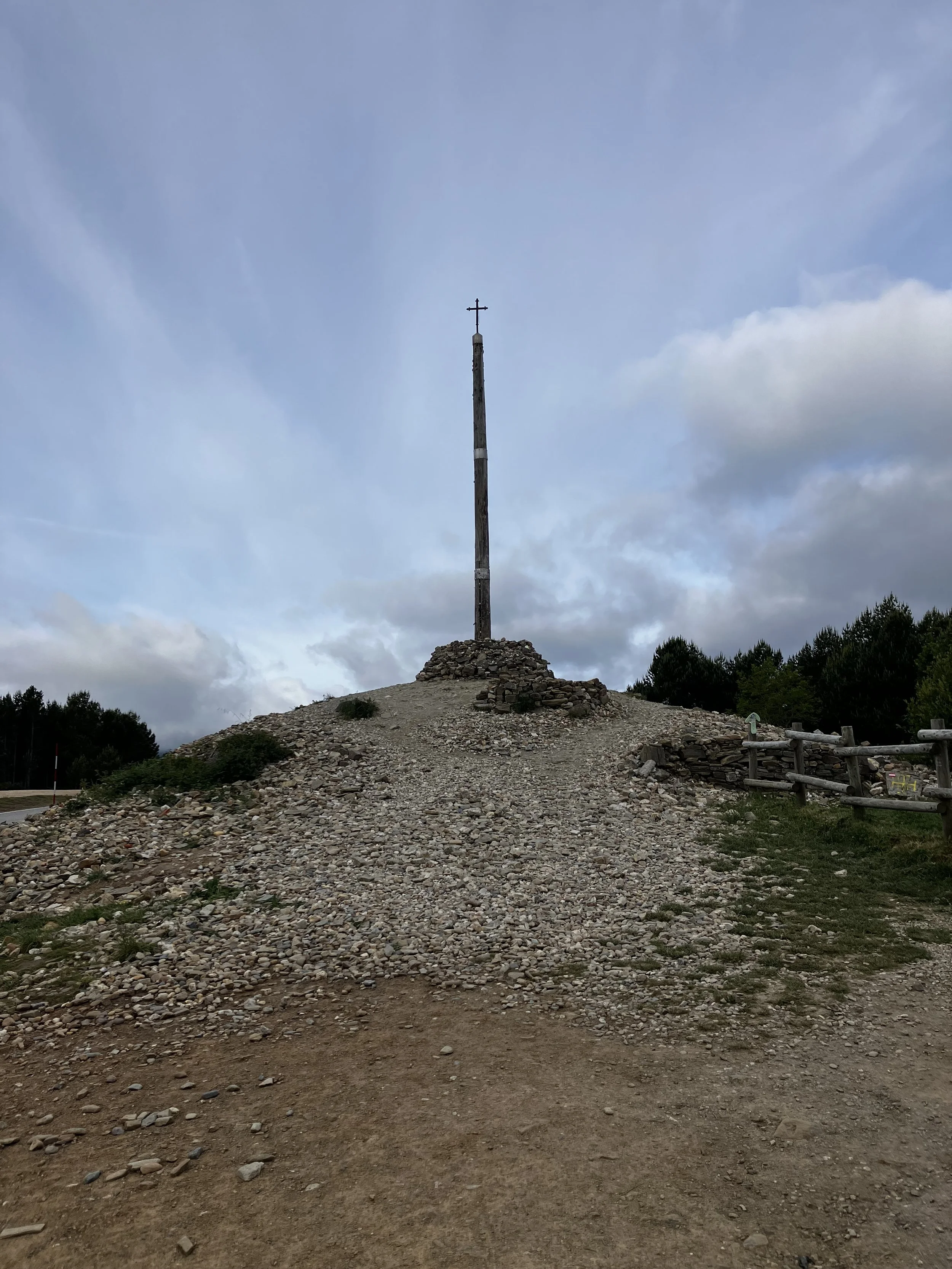
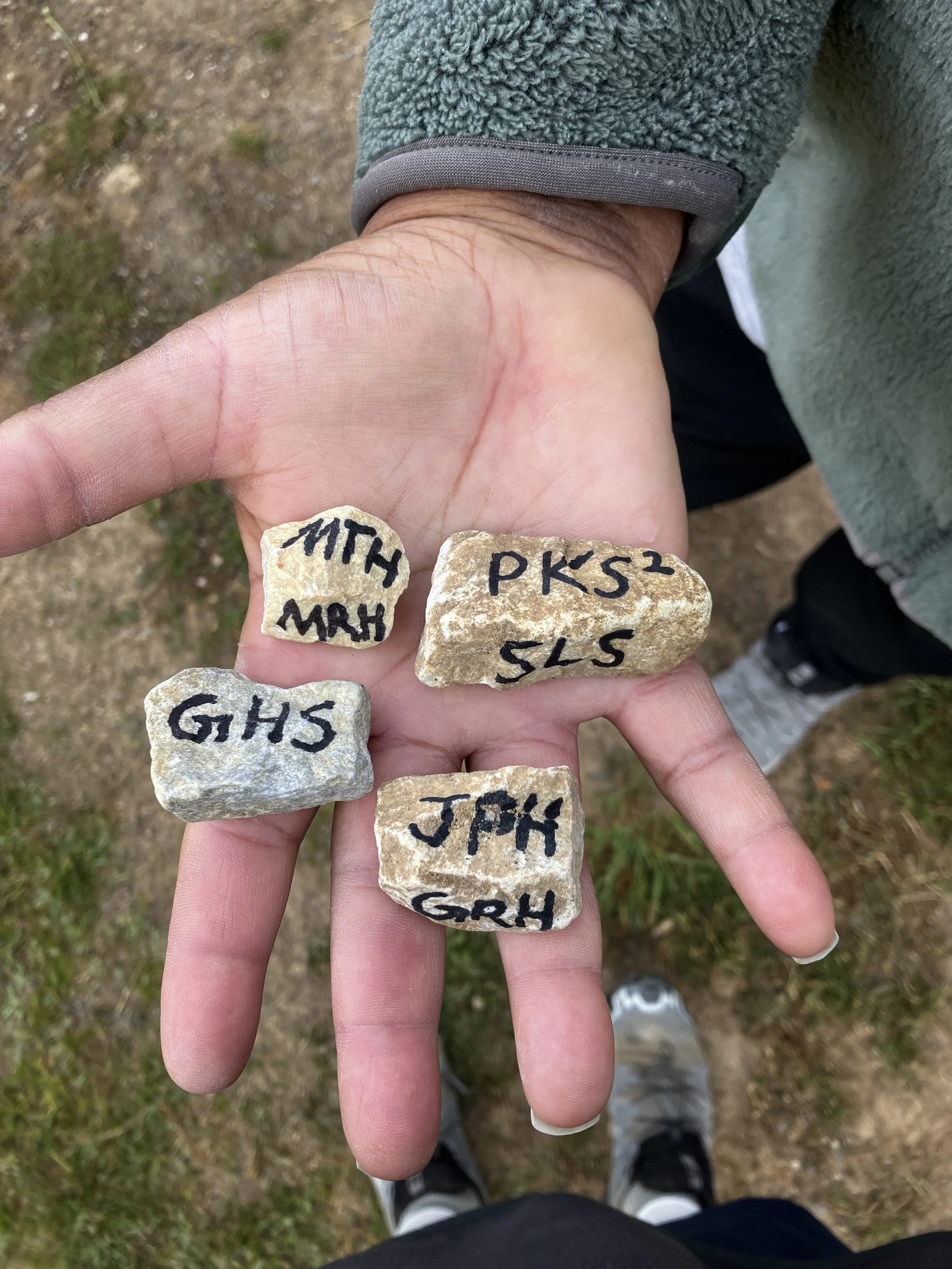
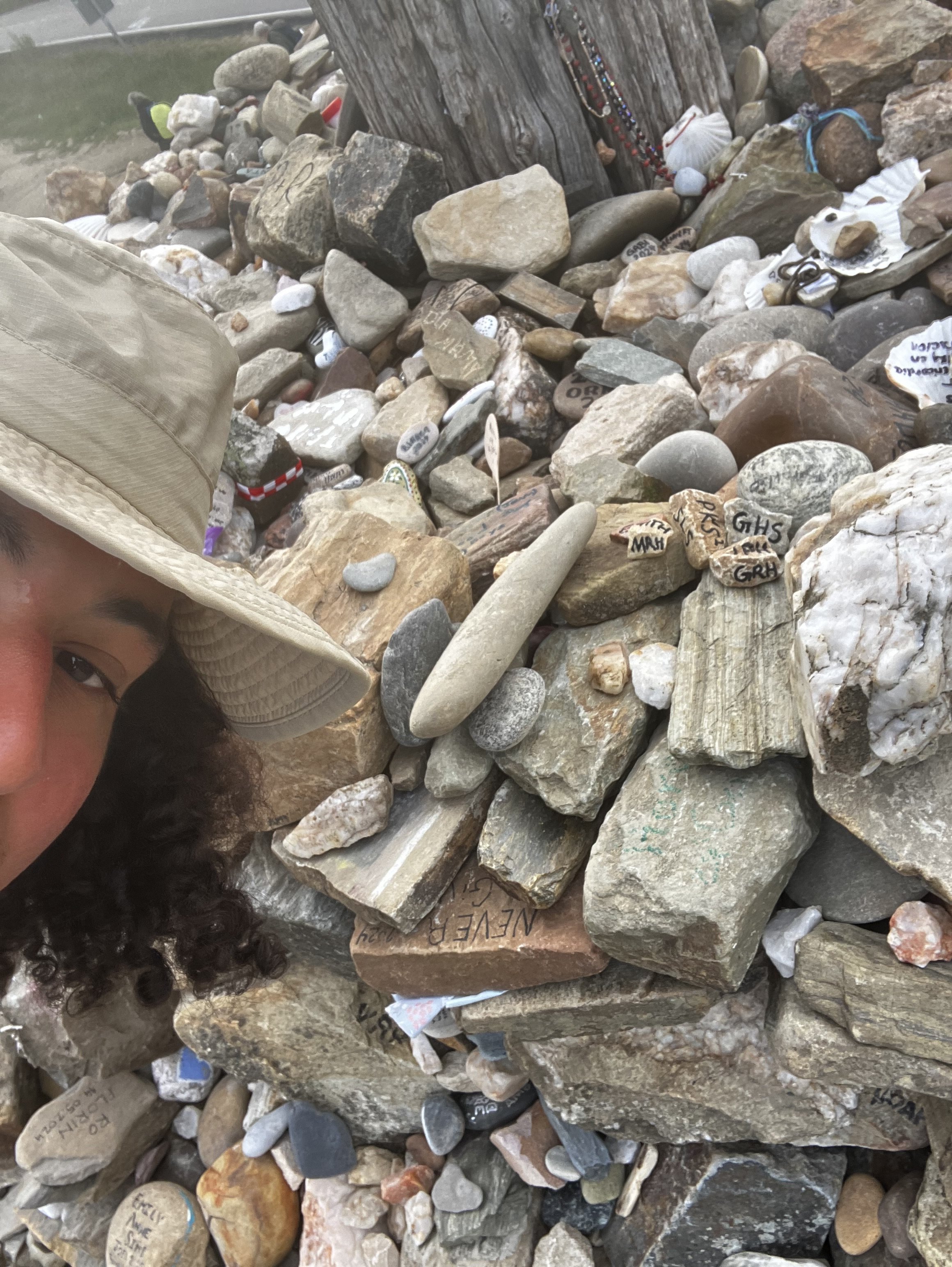
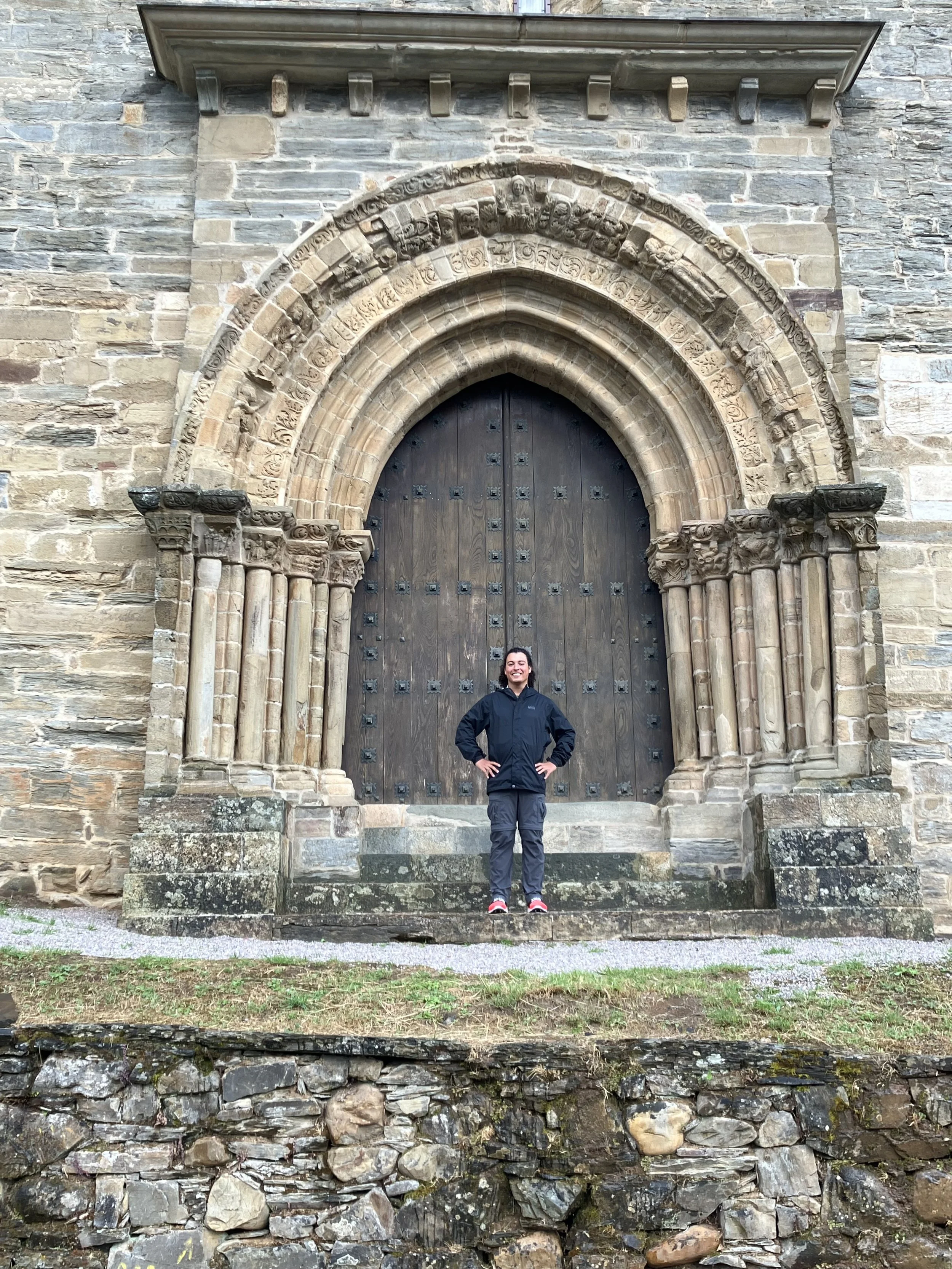
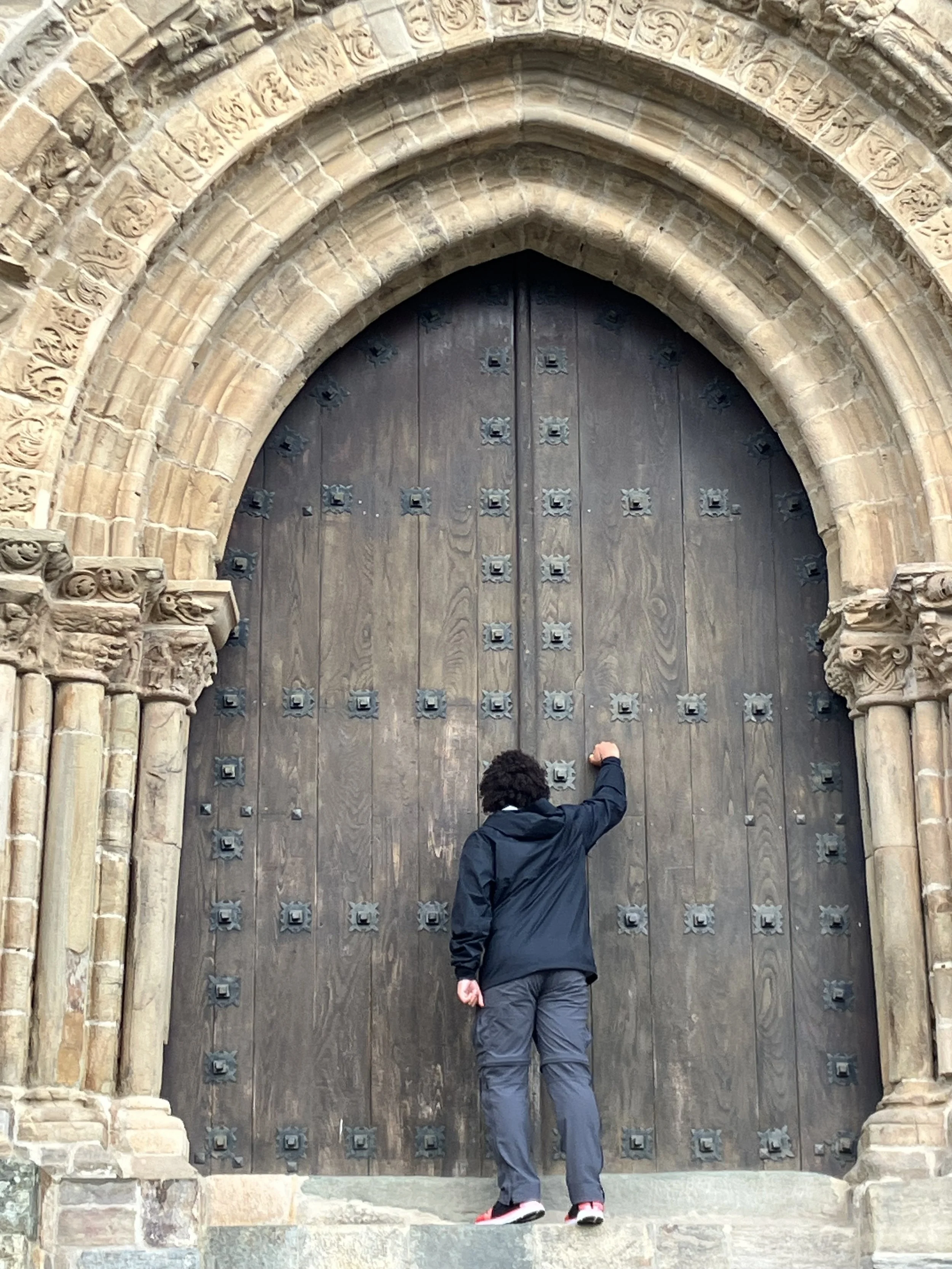
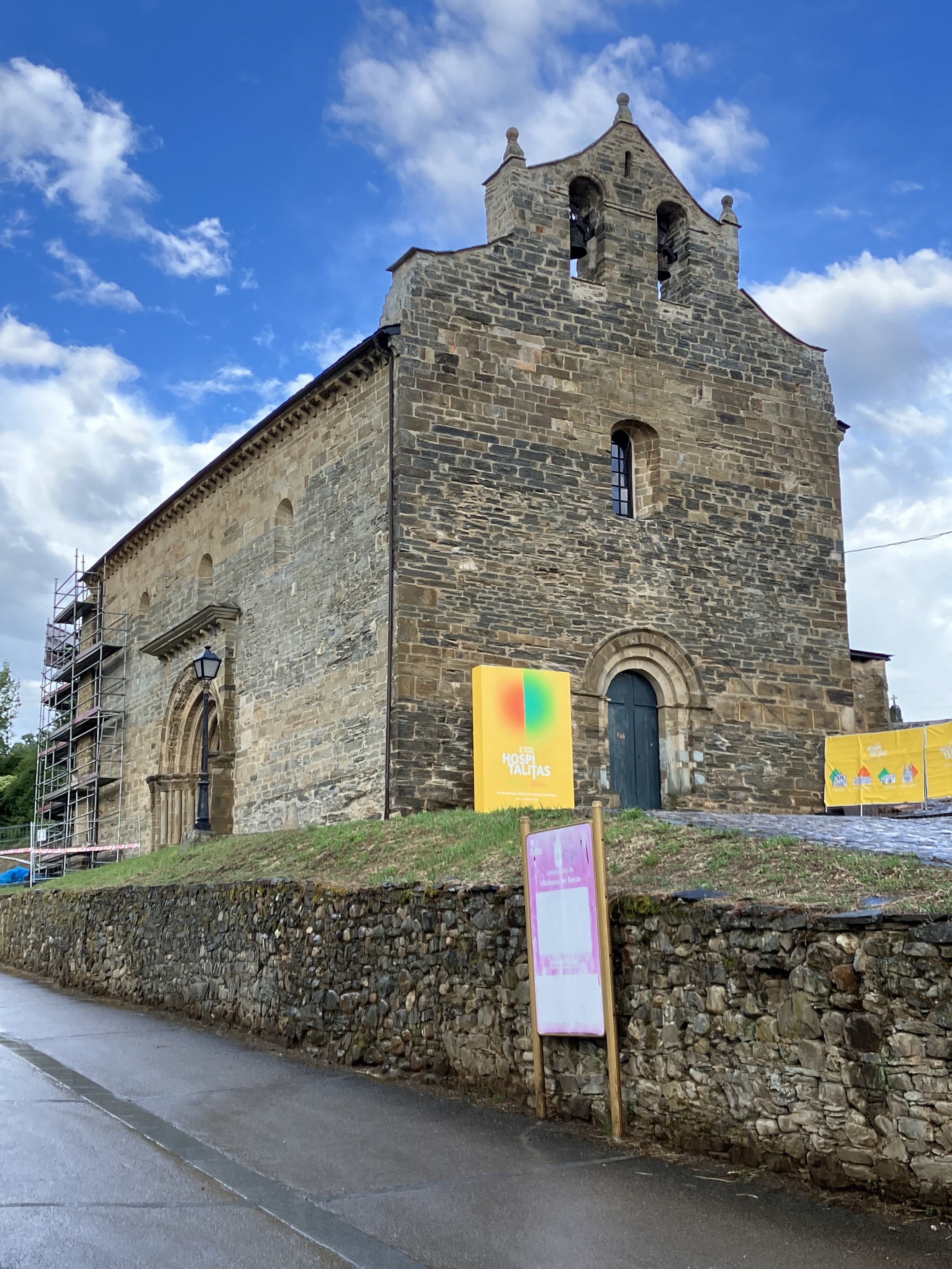
The next portion went from a rise to a fall to a rise again, with the trek from Astorga through Foncebadon to Ponferrada as essentially an uphill trajectory culminating in our arrival at the Cruz de Ferro (Iron Cross) the highest point on the entire Camino de Santiago (and by extension, the closest to Heaven), where it is customary to leave rocks or tokens with the names of your loved ones or yourself to be close to Heaven as well. We left our tokens (Rocks collected from my Maternal Grandfather’s Grave) and from Tuskegee, Alabama, at the cross and began our descent to Villafranca del Bierzo. There sits “El Puerto del Perdon” the spot in which those physically unable to make the journey fully to Santiago de Compostela can be granted their Credentials, and while it would’ve been funny to end there, I posed in front of it instead performing a mock-knock. From there it was up and away as we went toward O Cebriero into the misty mountains of Galicia, where it’s said that Witches dwell and trolls traverse (Though the closest we came to either were other Peregrinos).
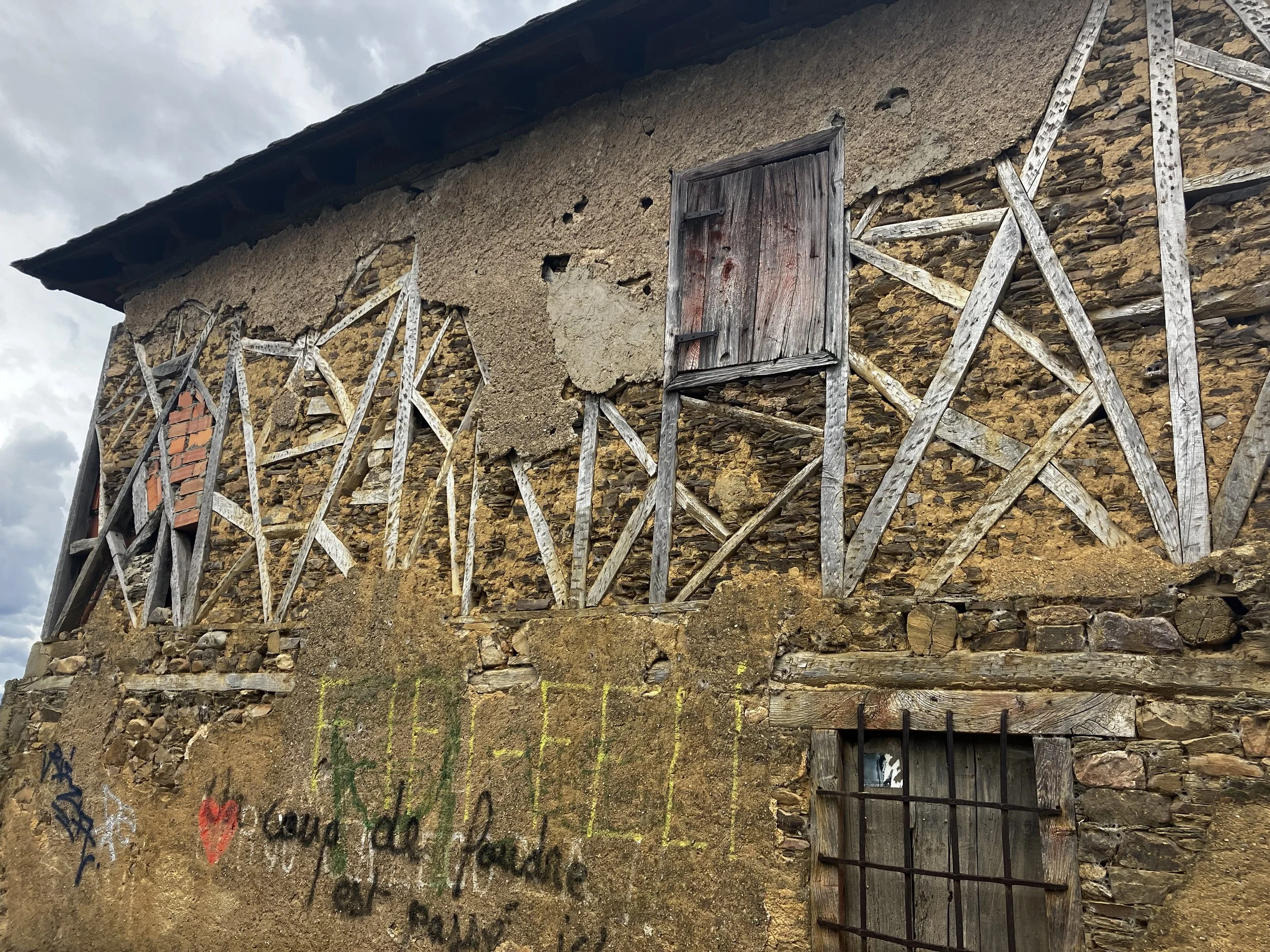
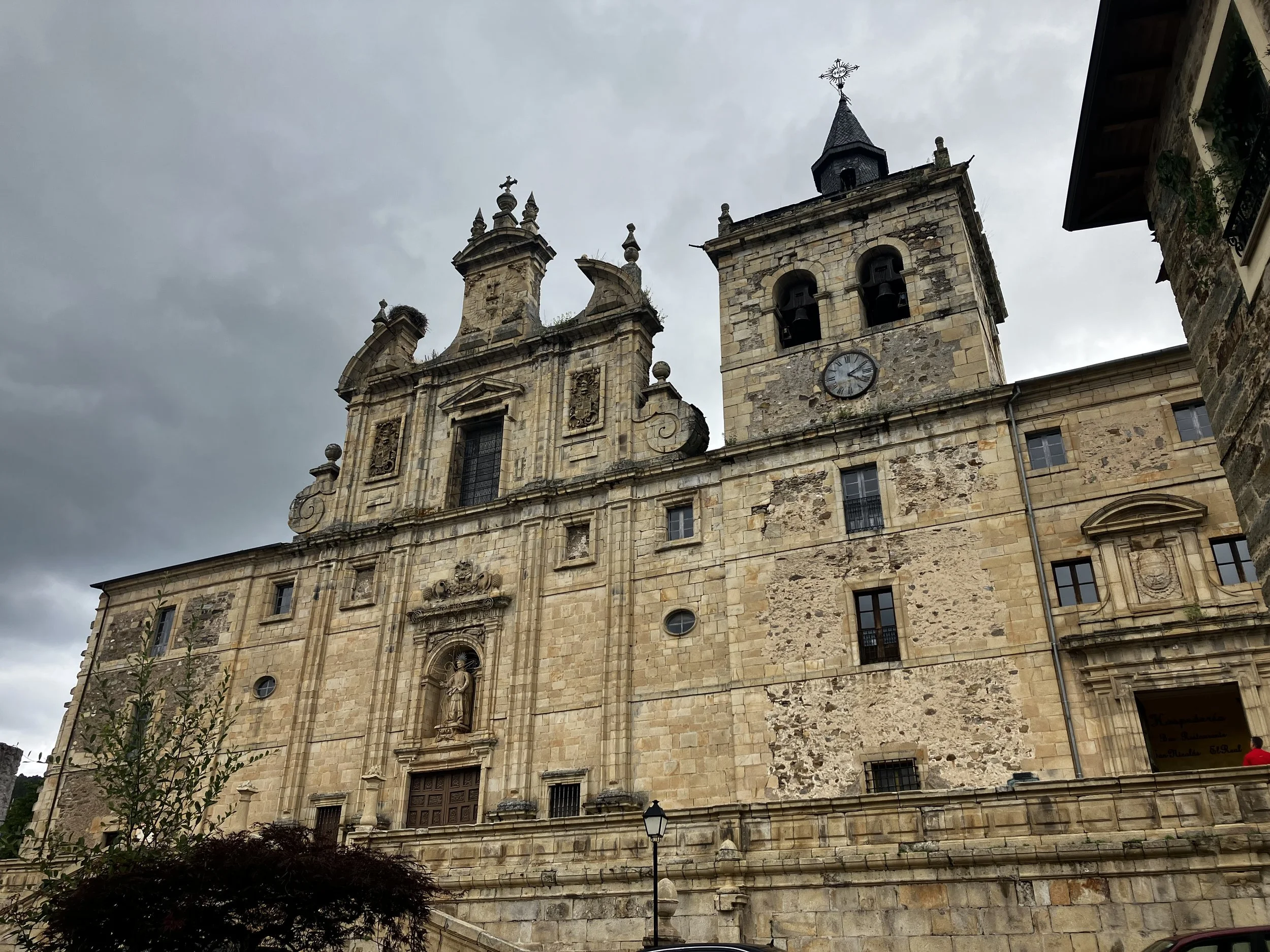
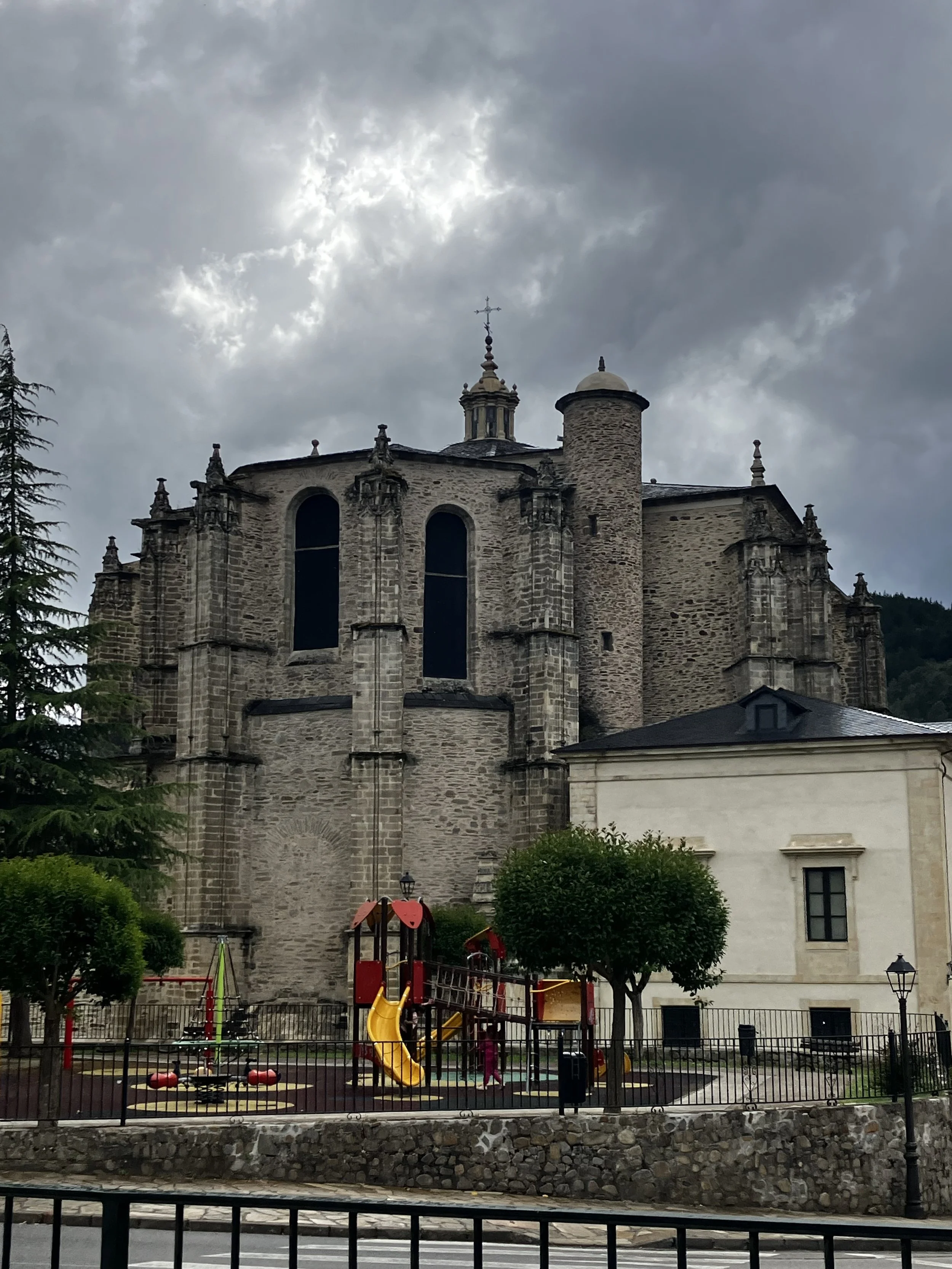
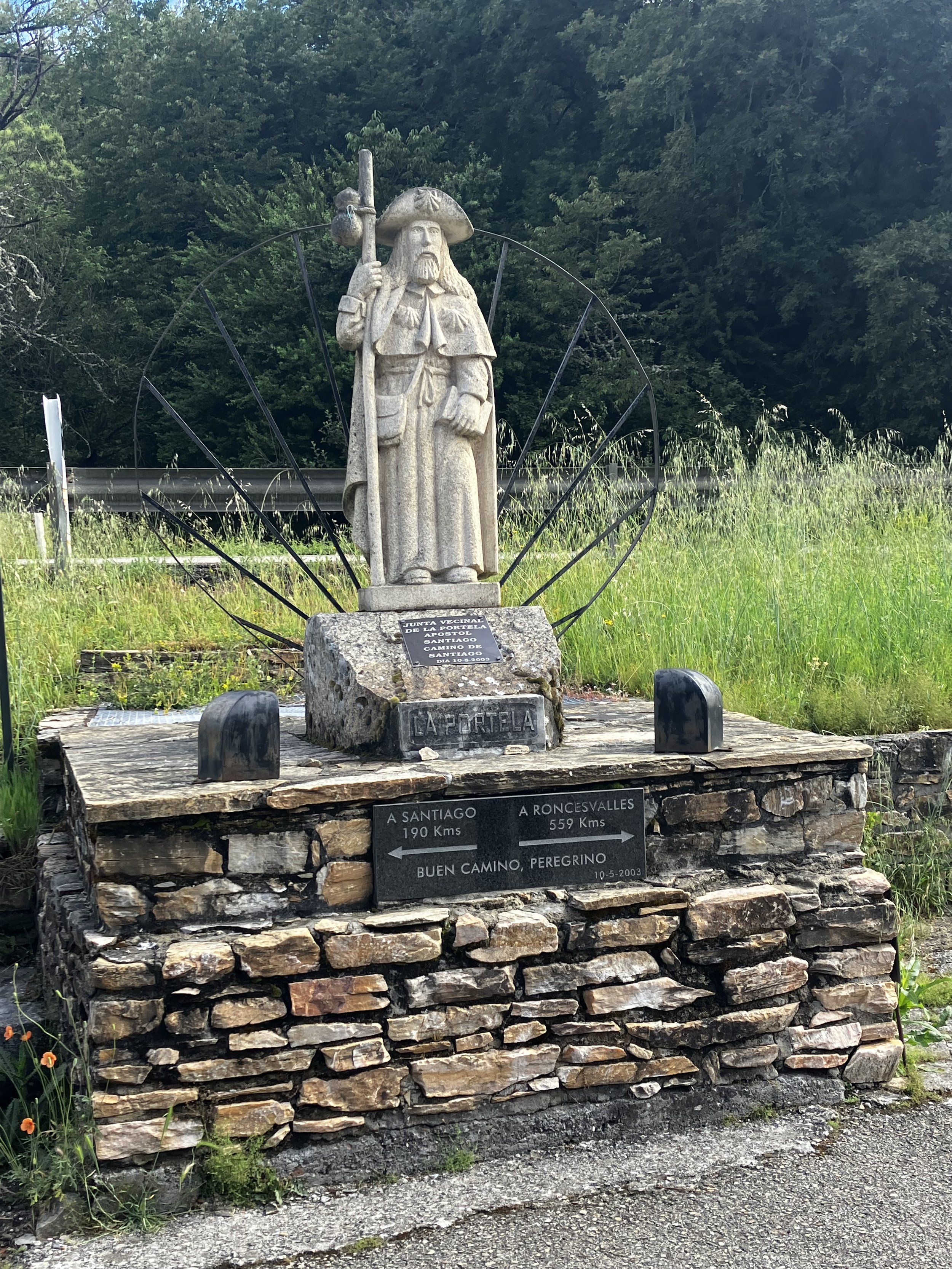
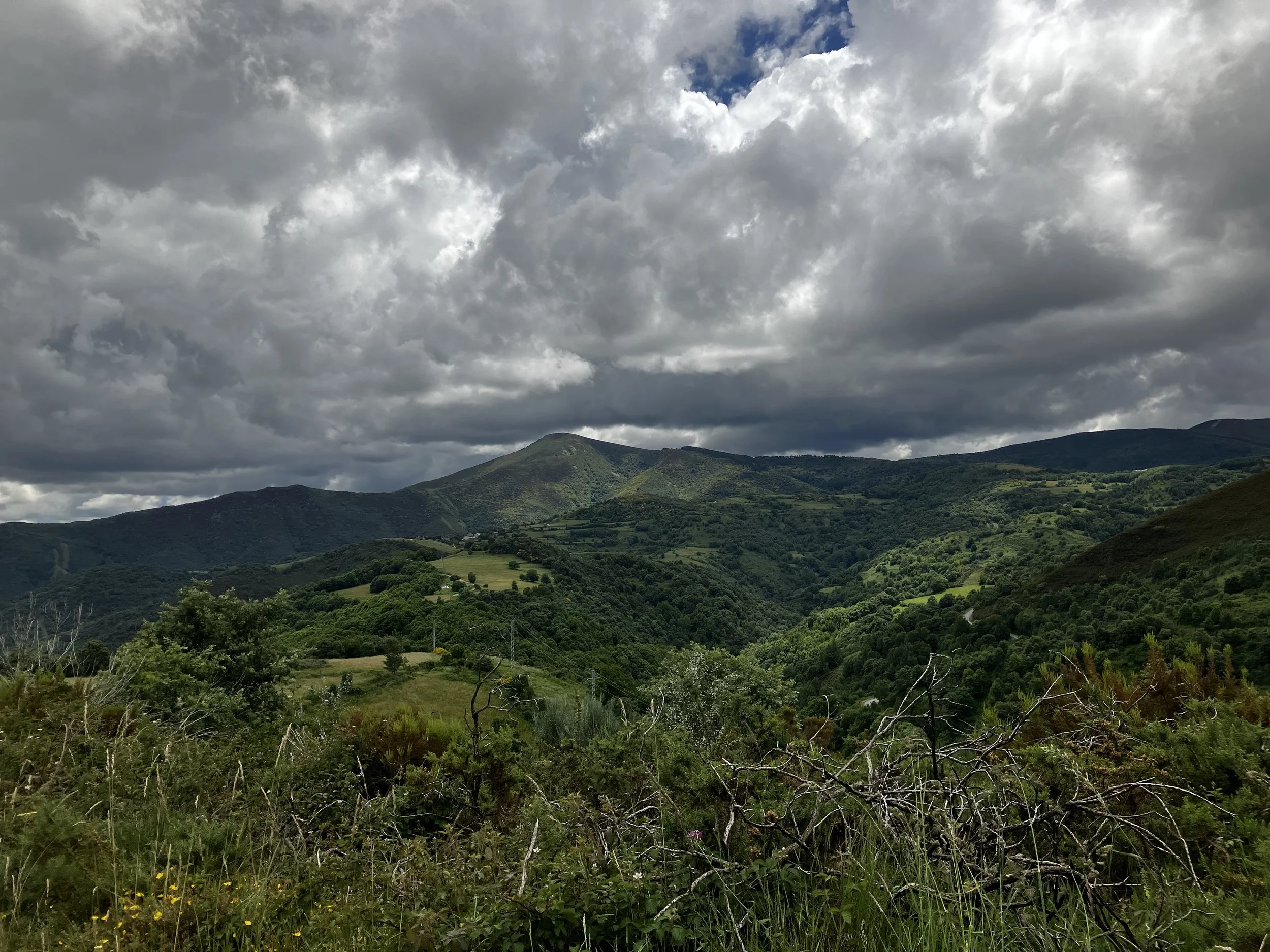
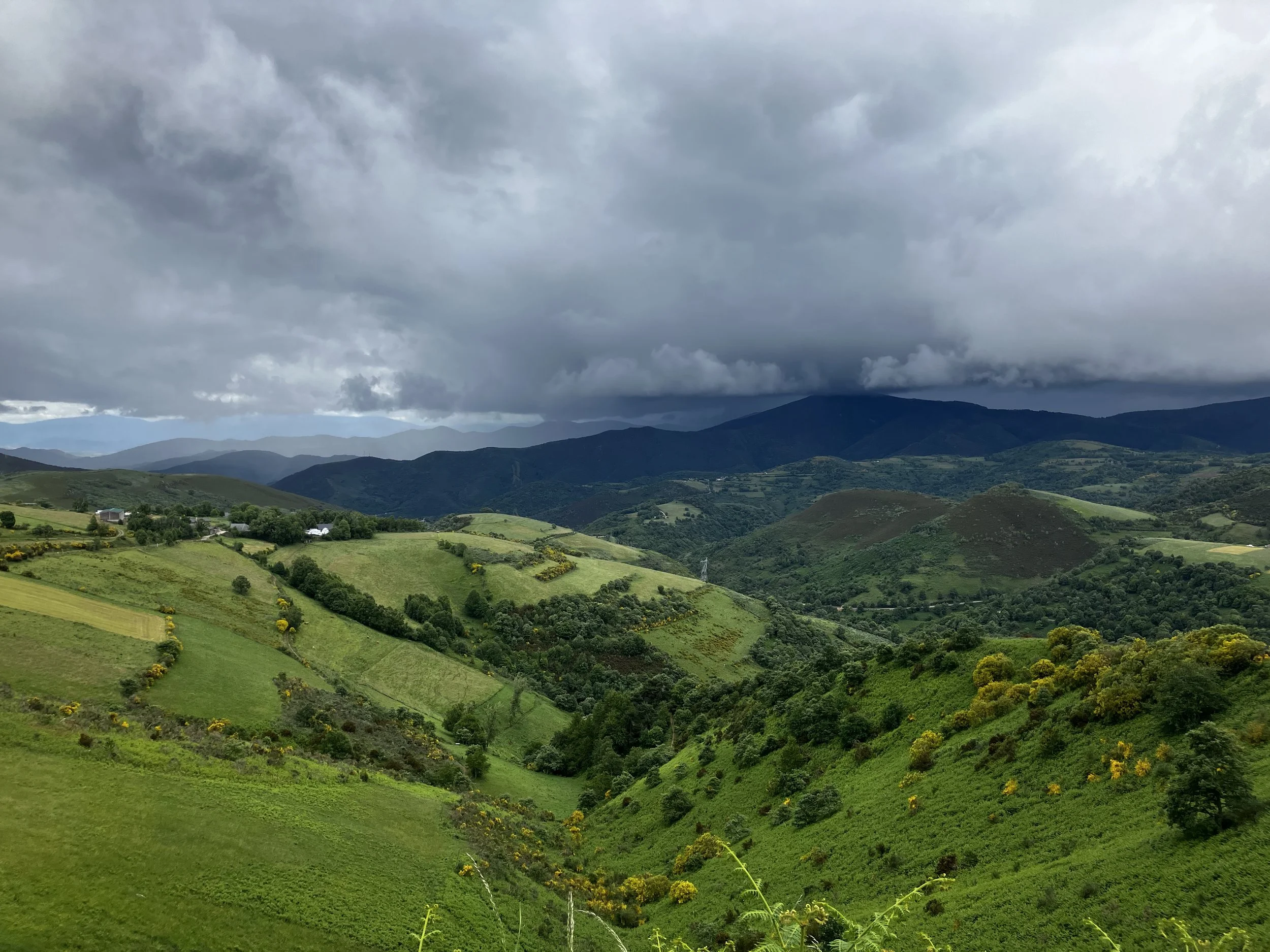
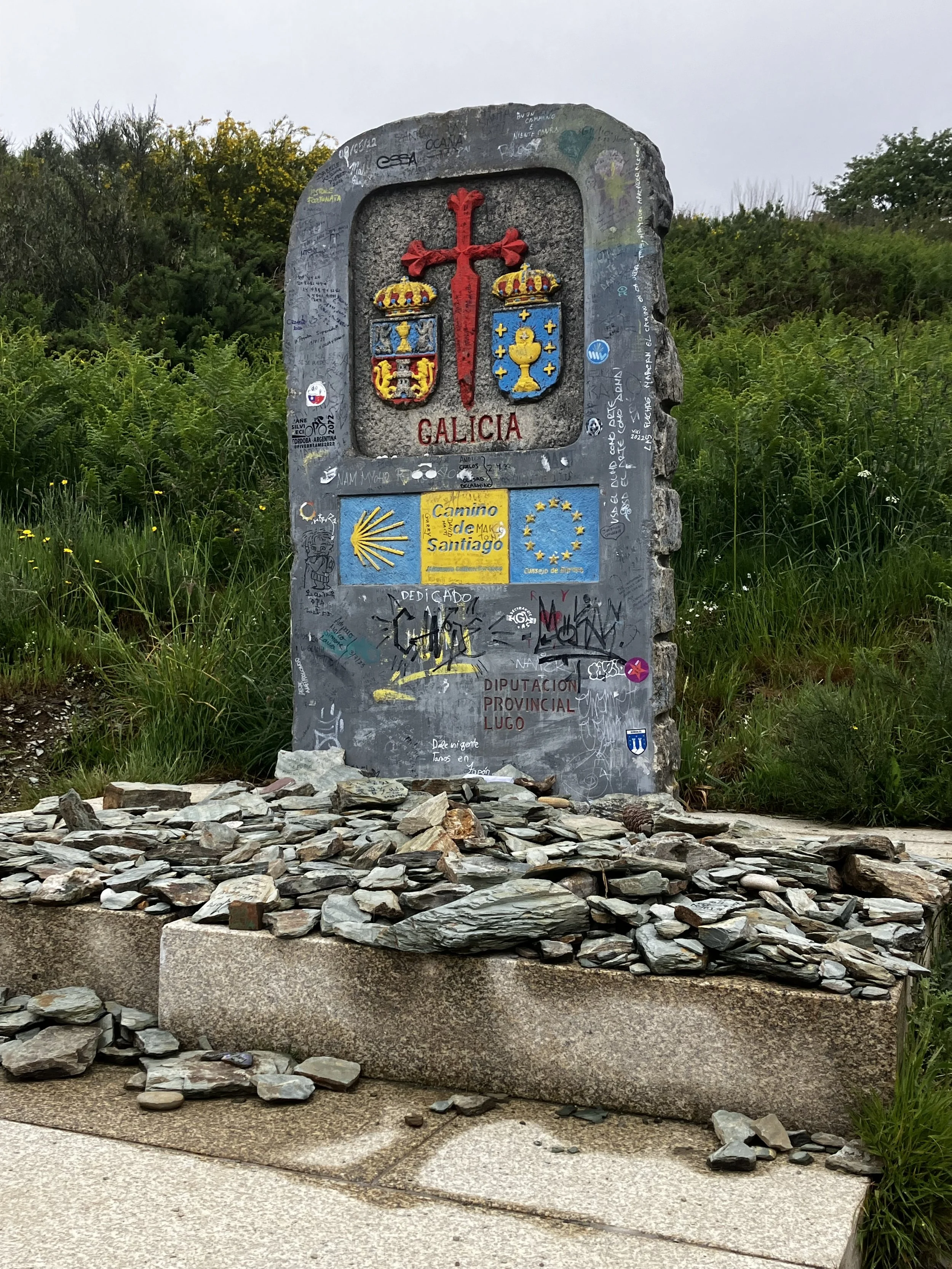
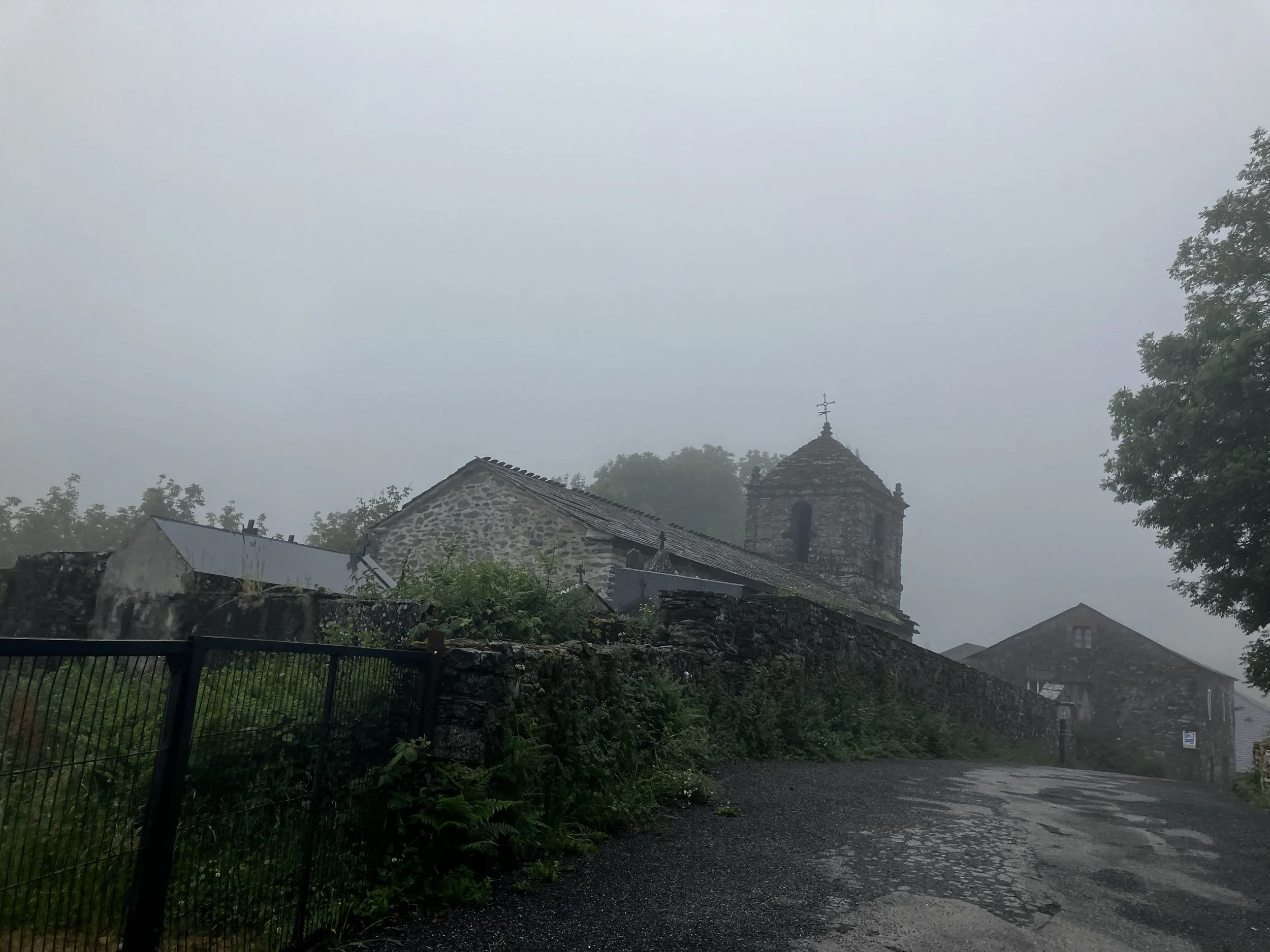
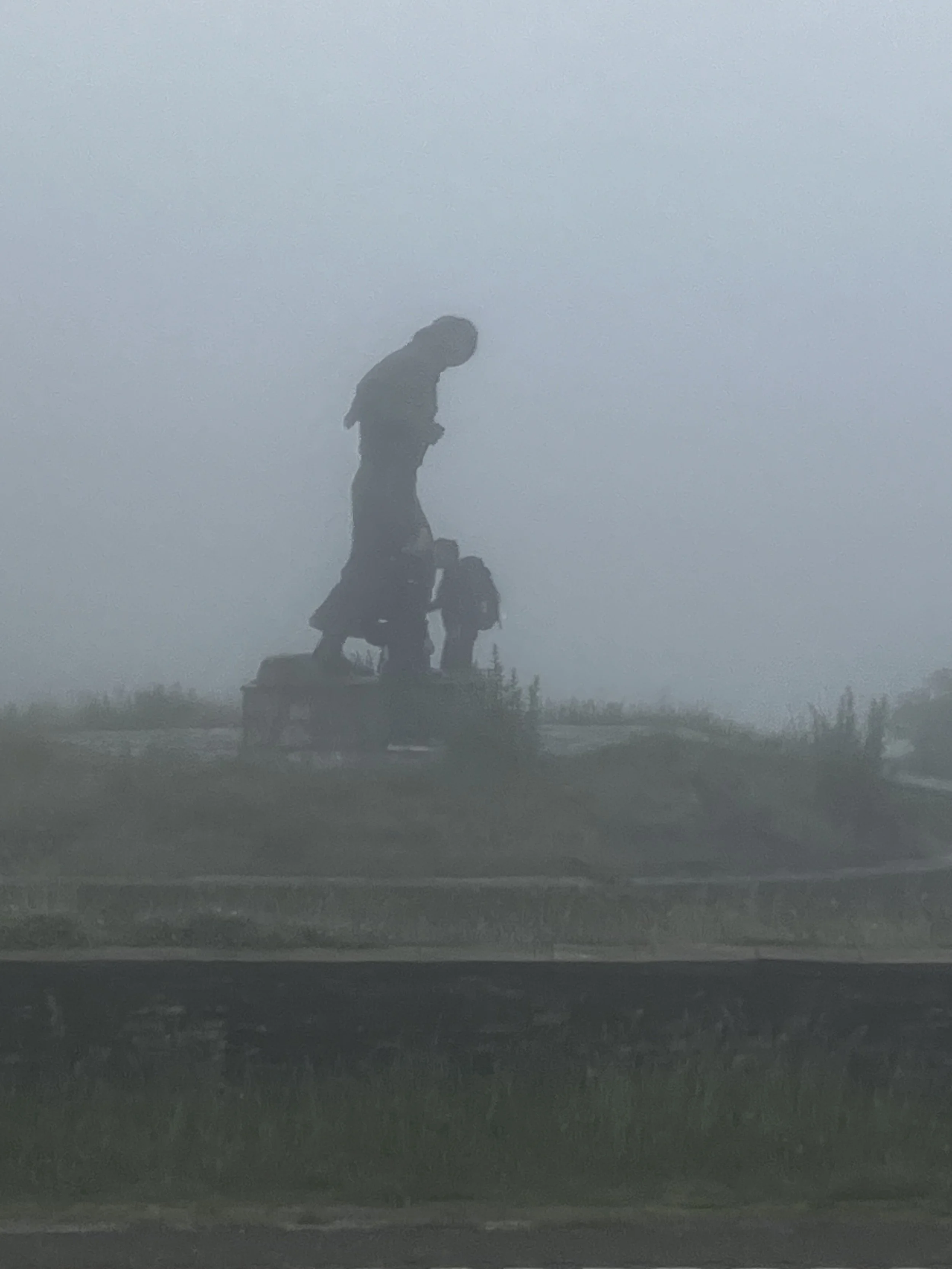
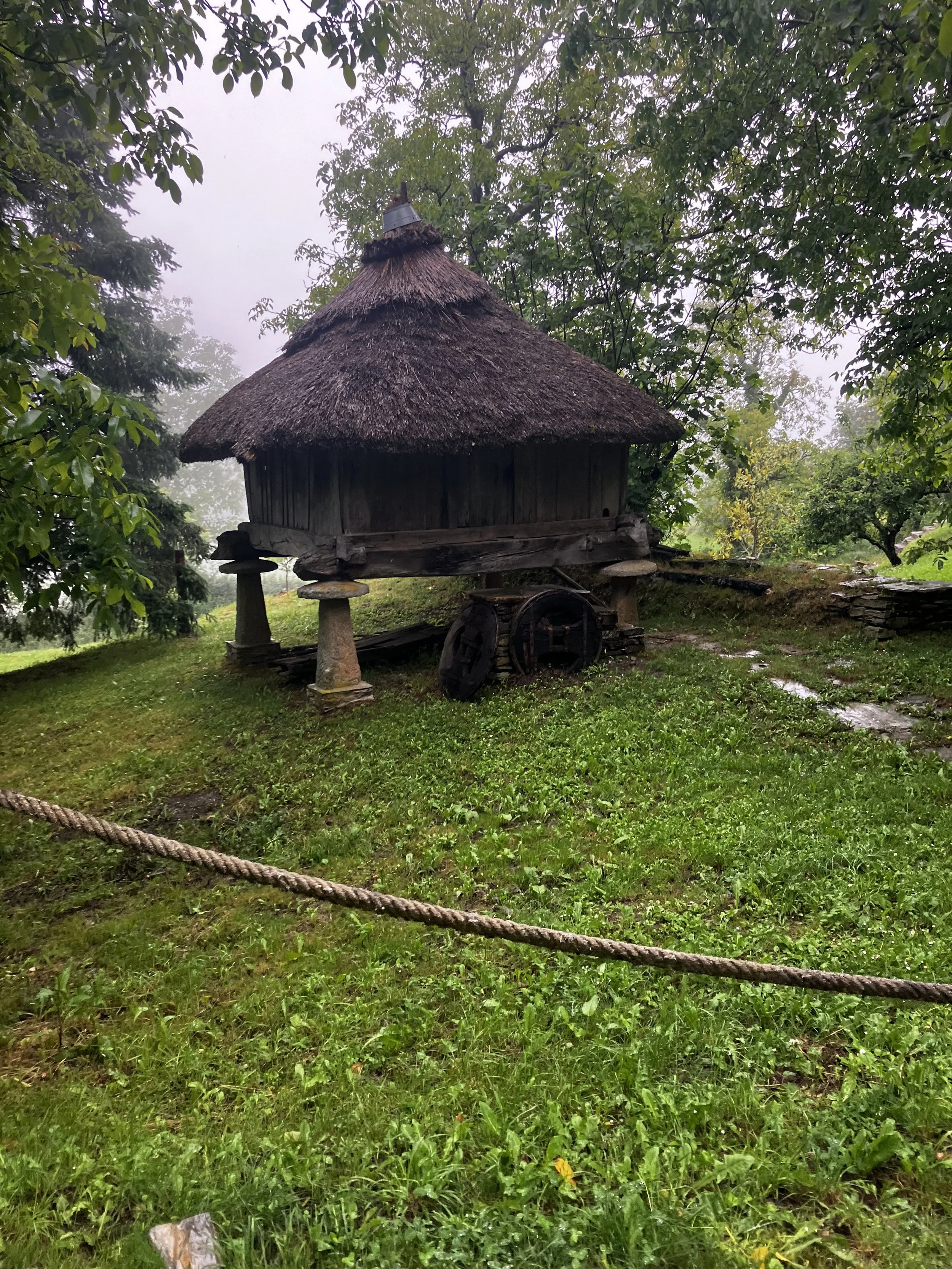
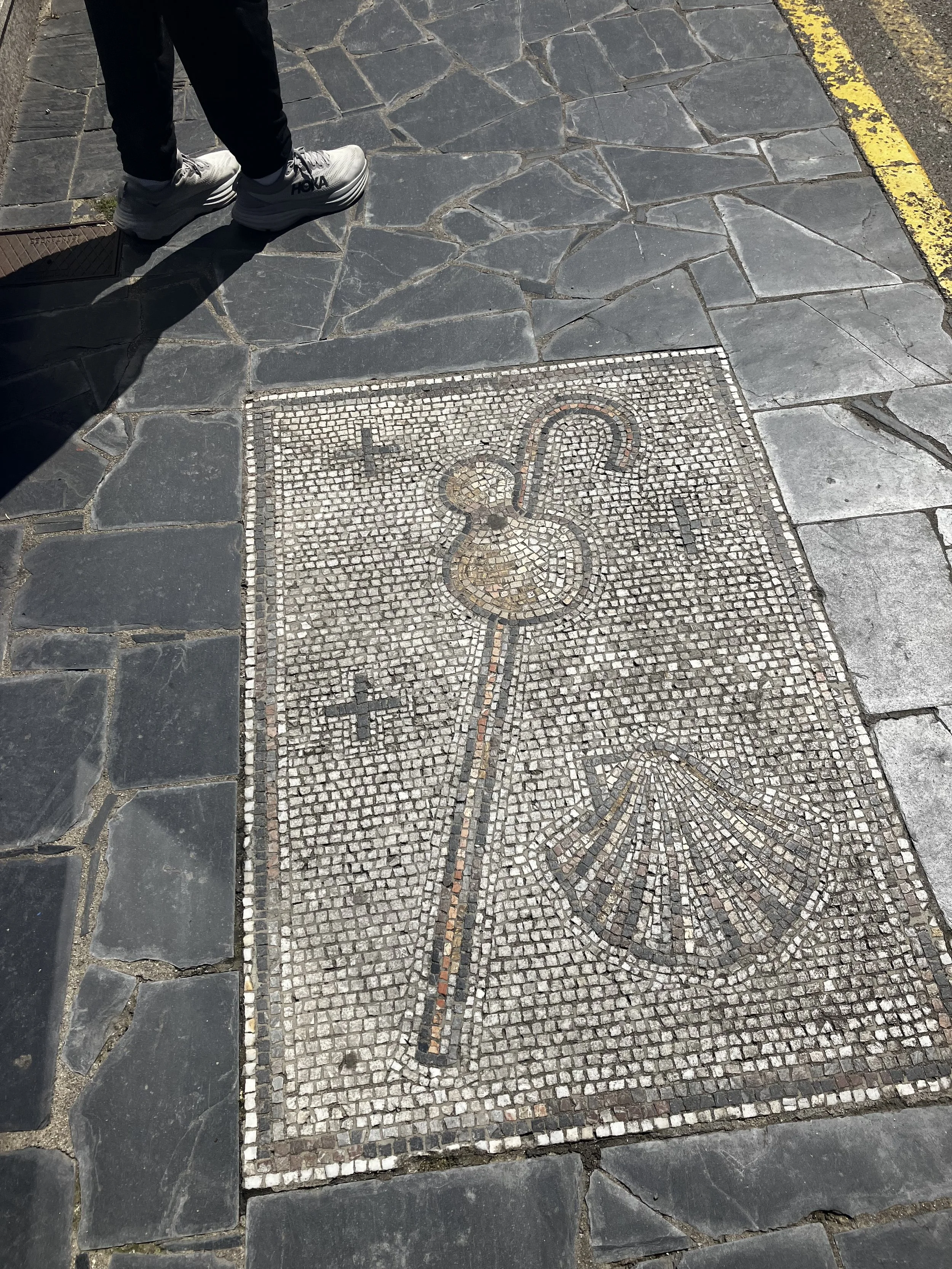
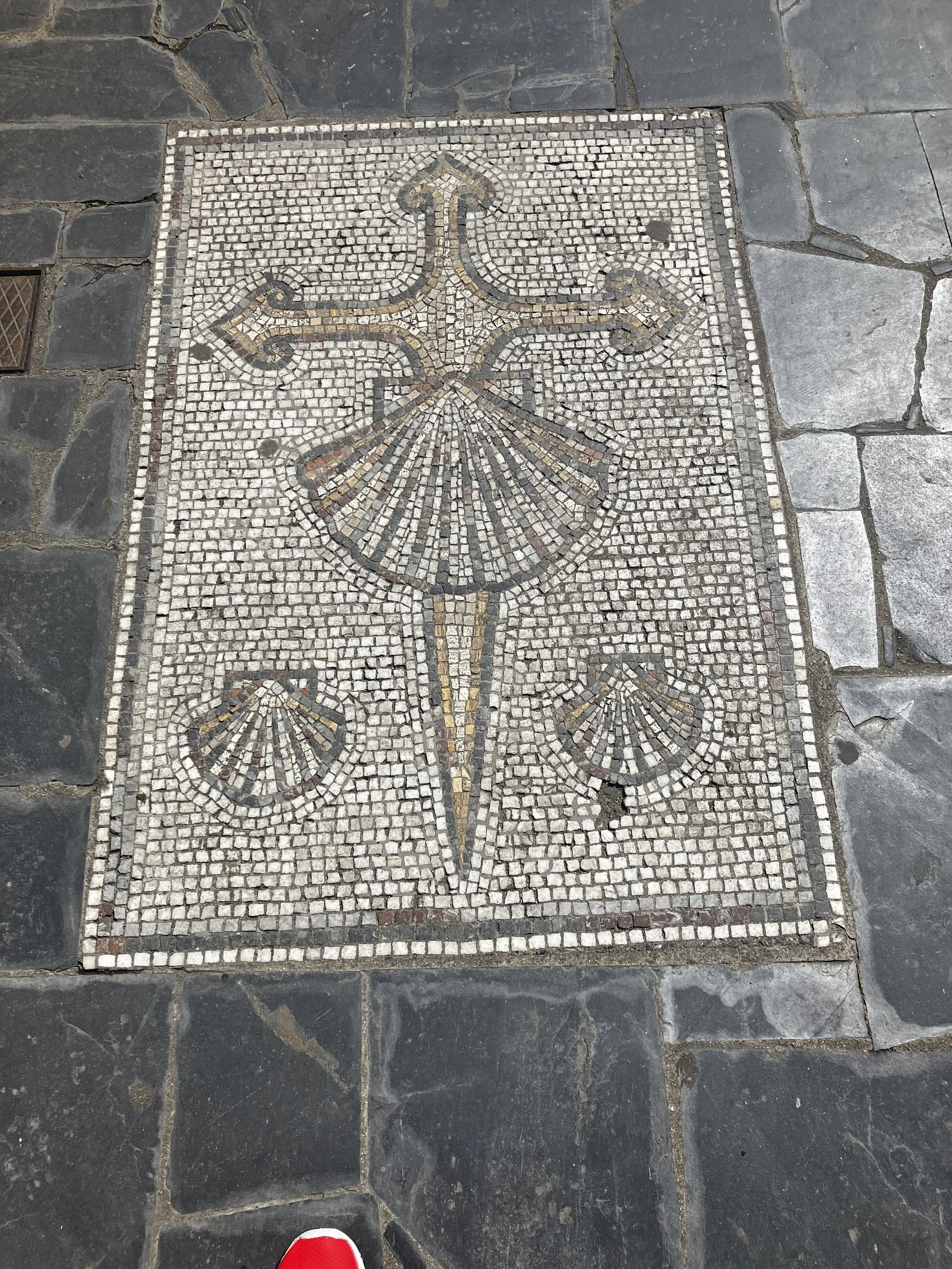
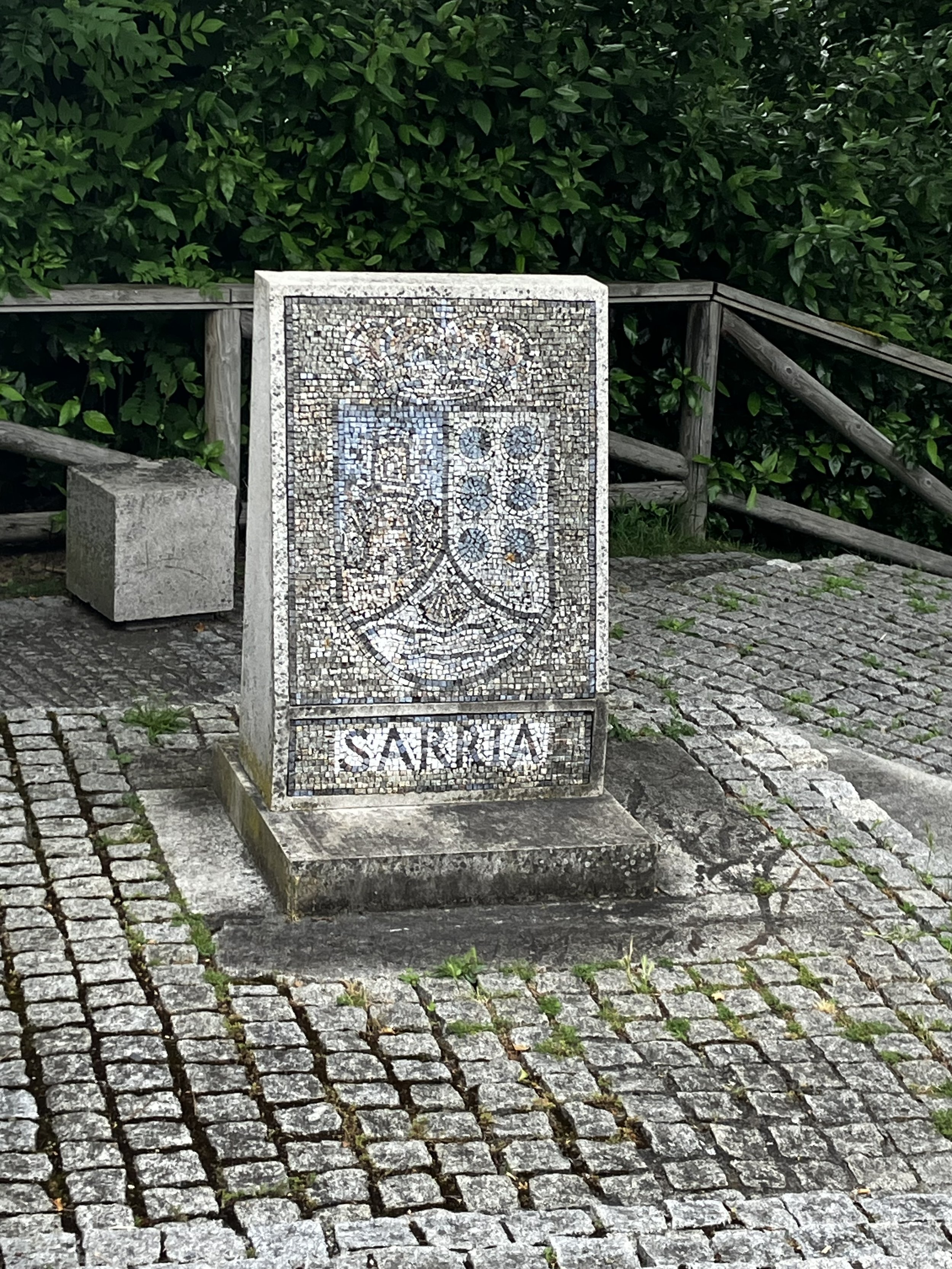
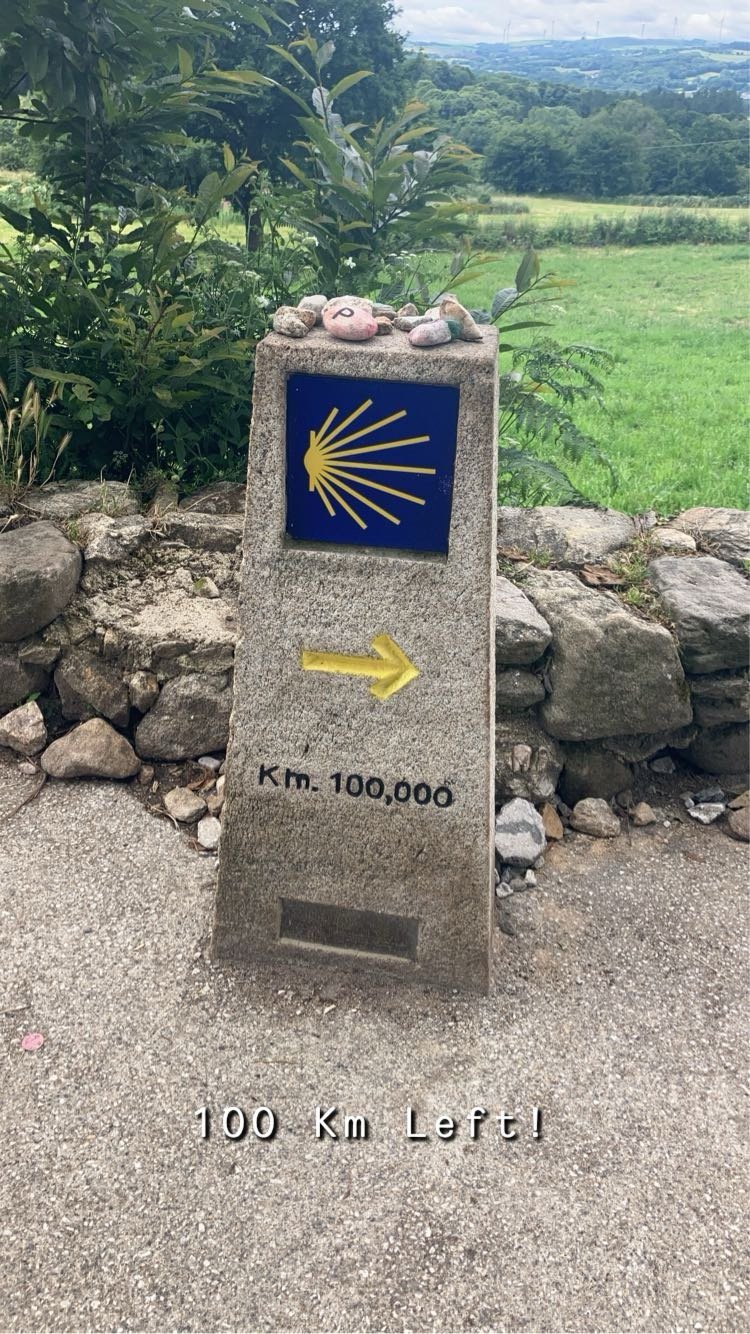
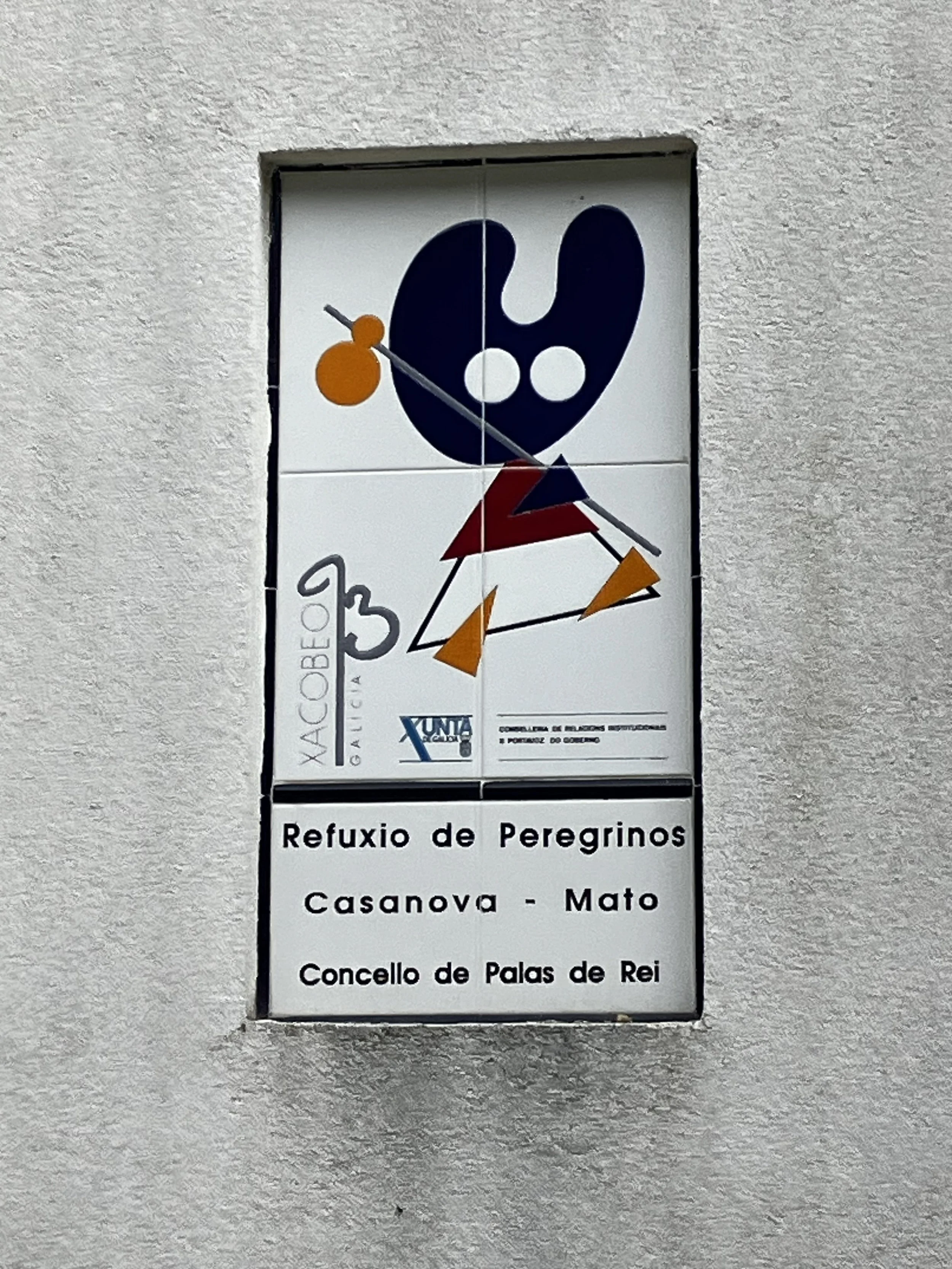
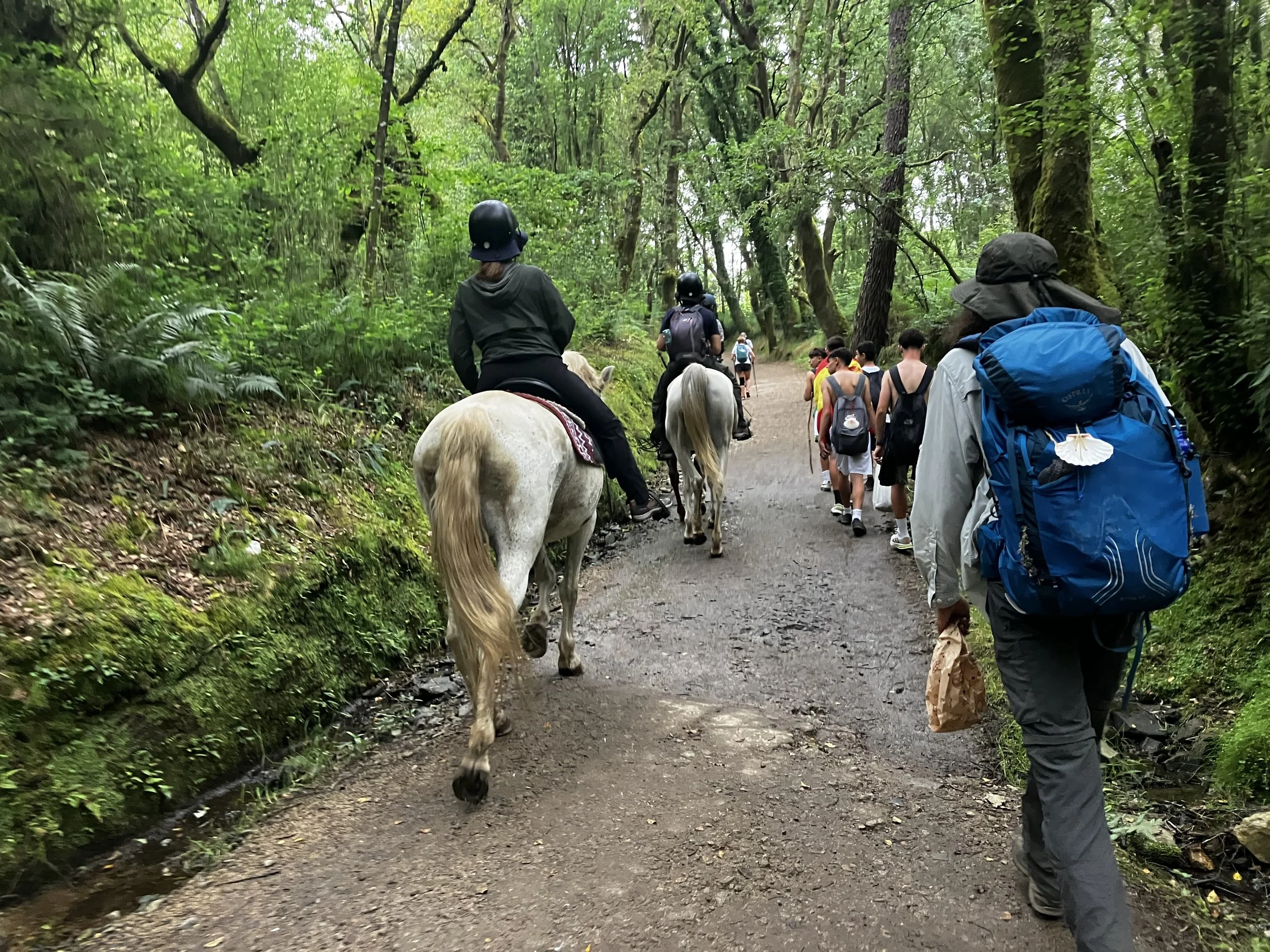
Sarria marks the final 100km of the Camino and is the shortest distance necessary to achieve your full Pilgrim’s Credentials, and as a result the number of people we had found ourselves walking beside grew by several orders of magnitude. This was also where all method of pilgrimage converged, with pilgrims travelling by foot, by bike, and on horseback coming together to get to our shared destination as the scallop shell depicts. While it may have been noisy, the next 4 days went by in a flash and before either of us noticed 100km became 10km and dwindled to 1km as we crossed the threshold into the boundaries of Santiago de Compostela.
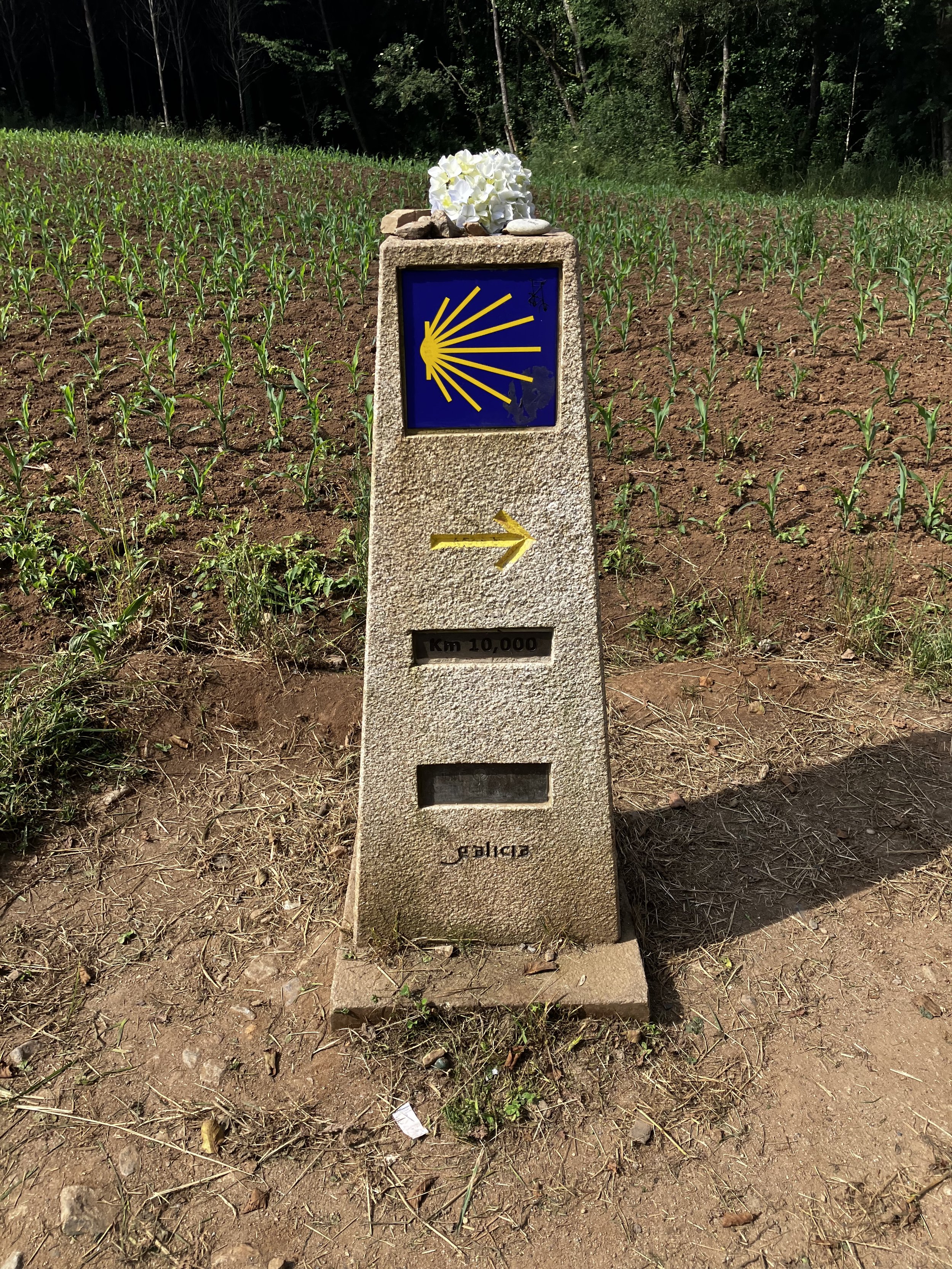
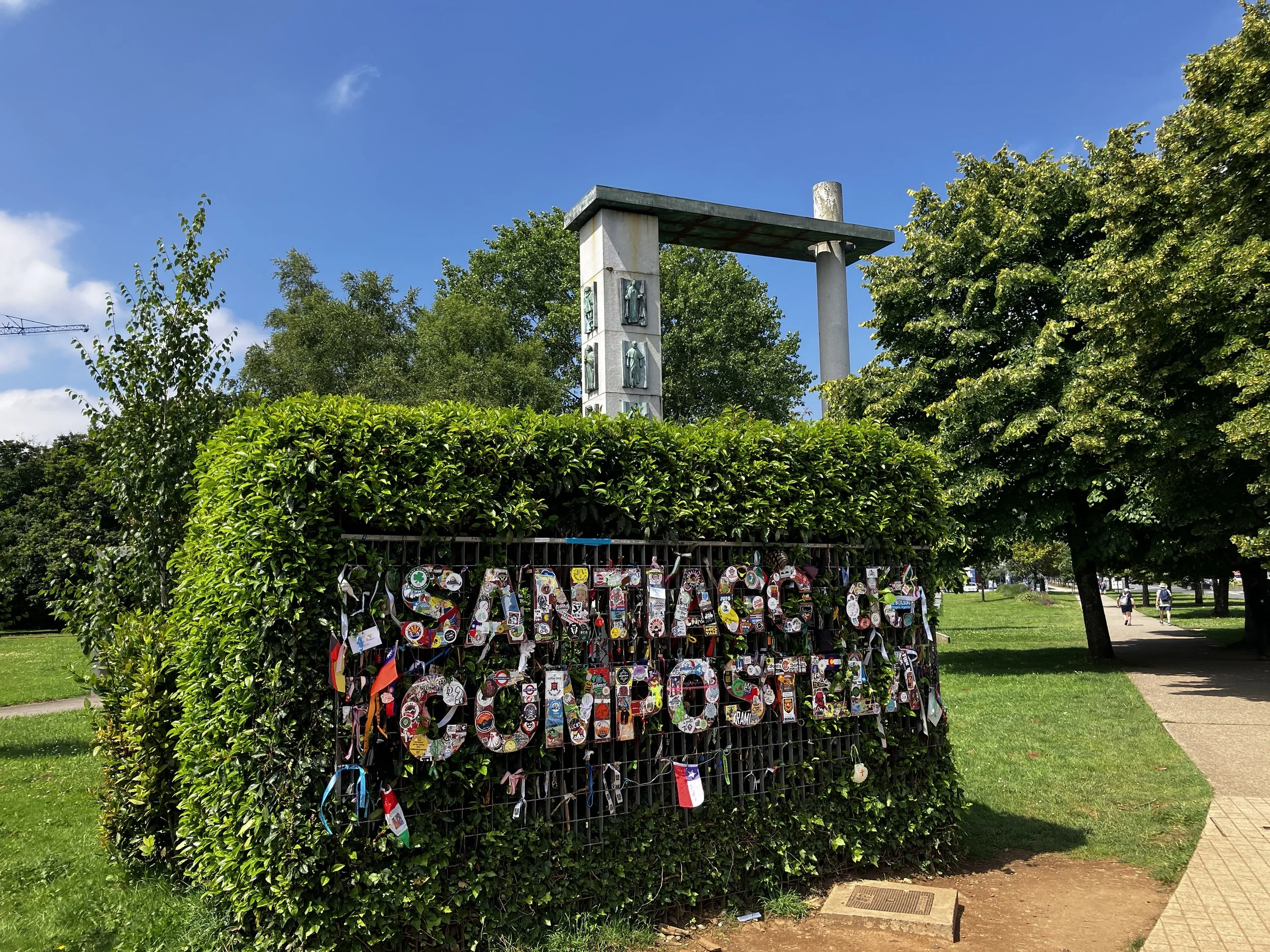
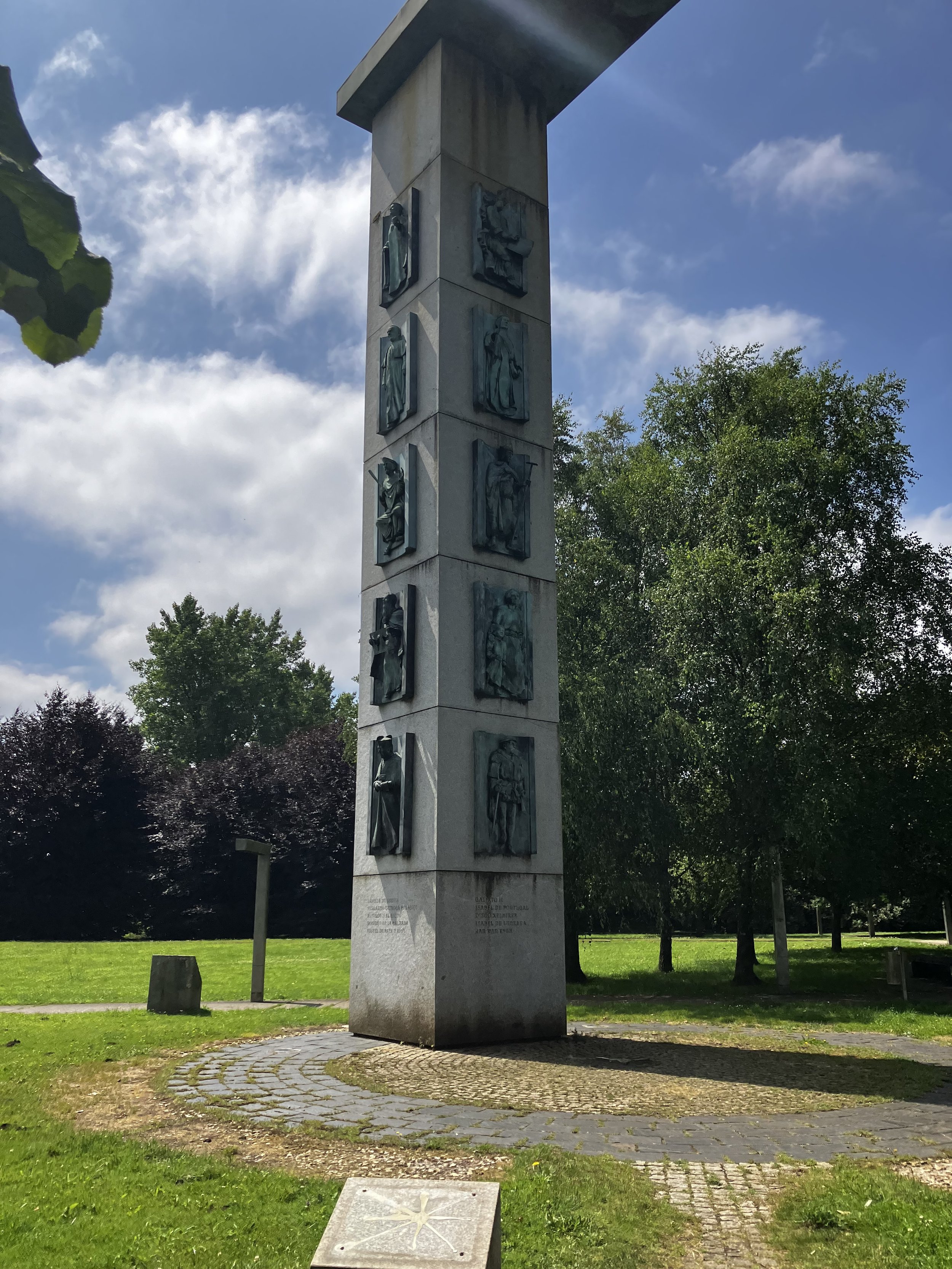
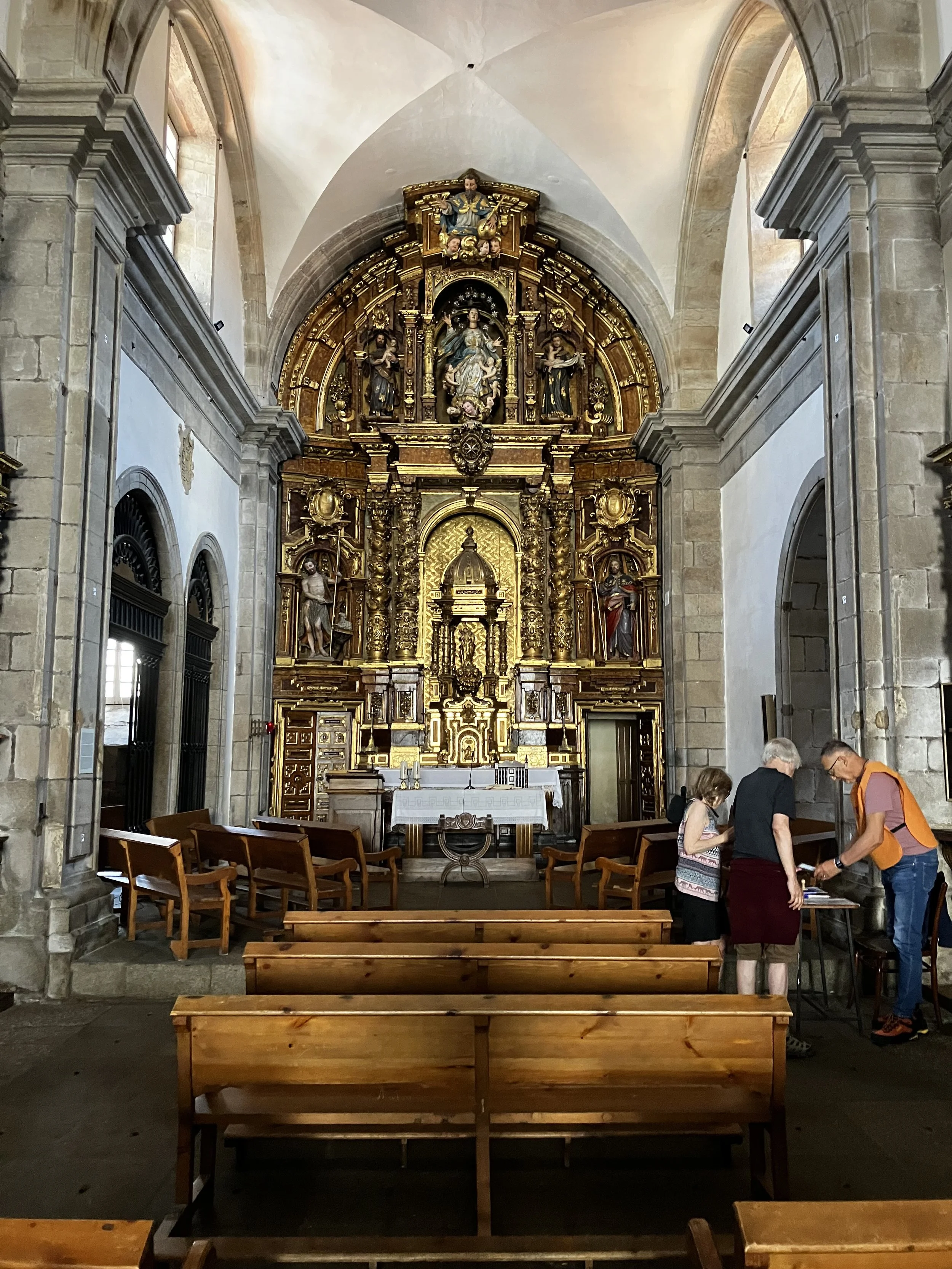
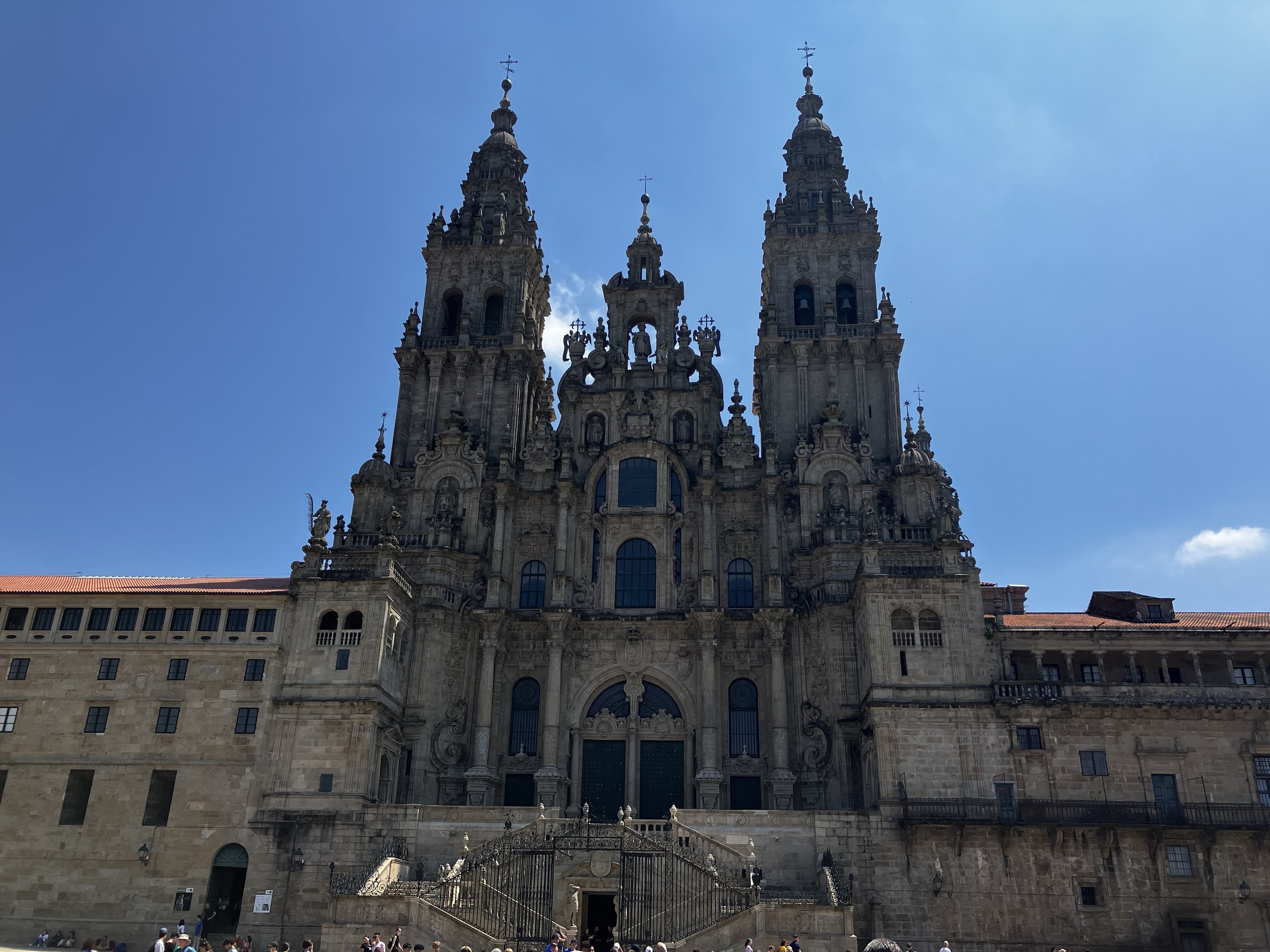
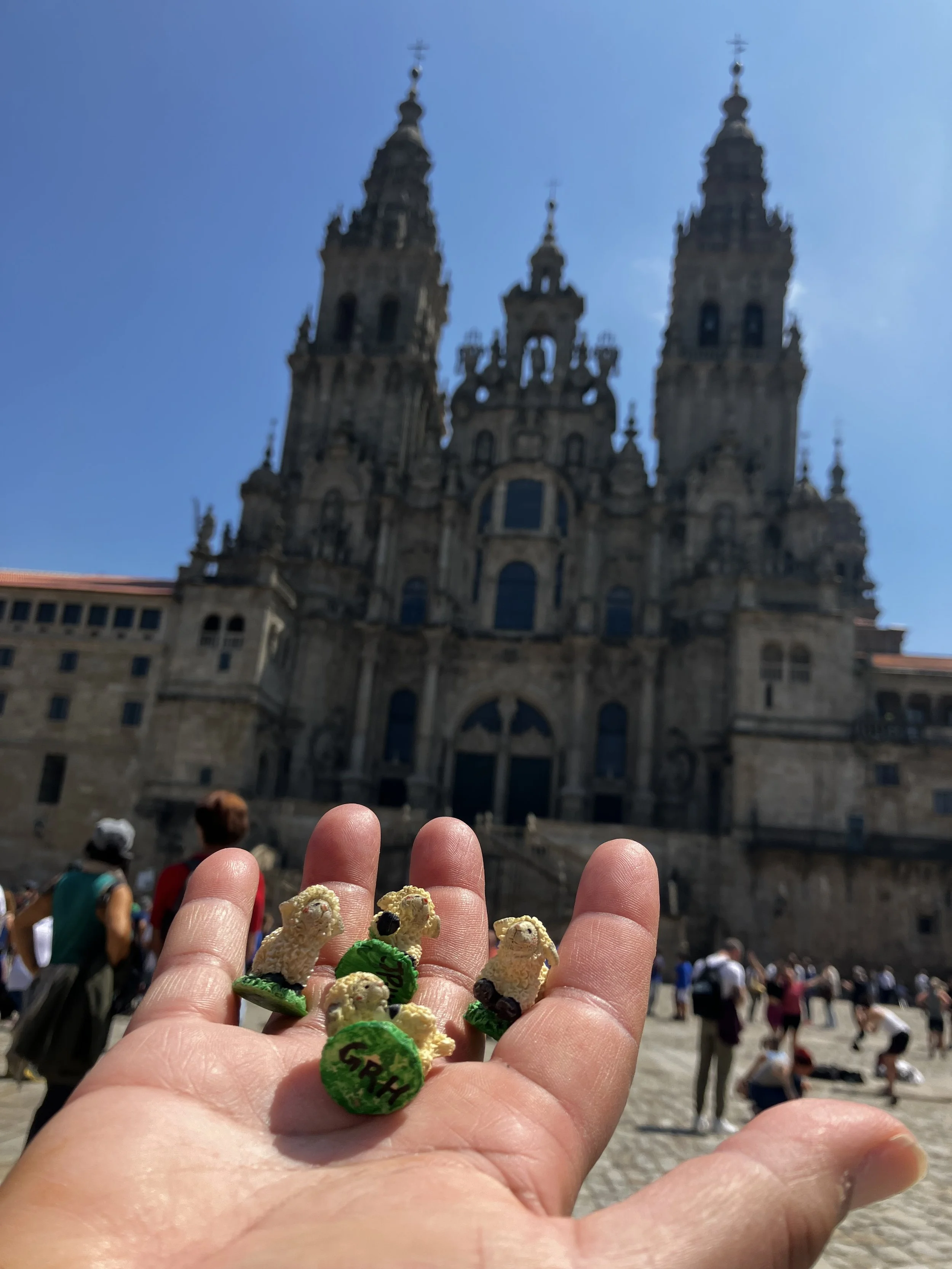
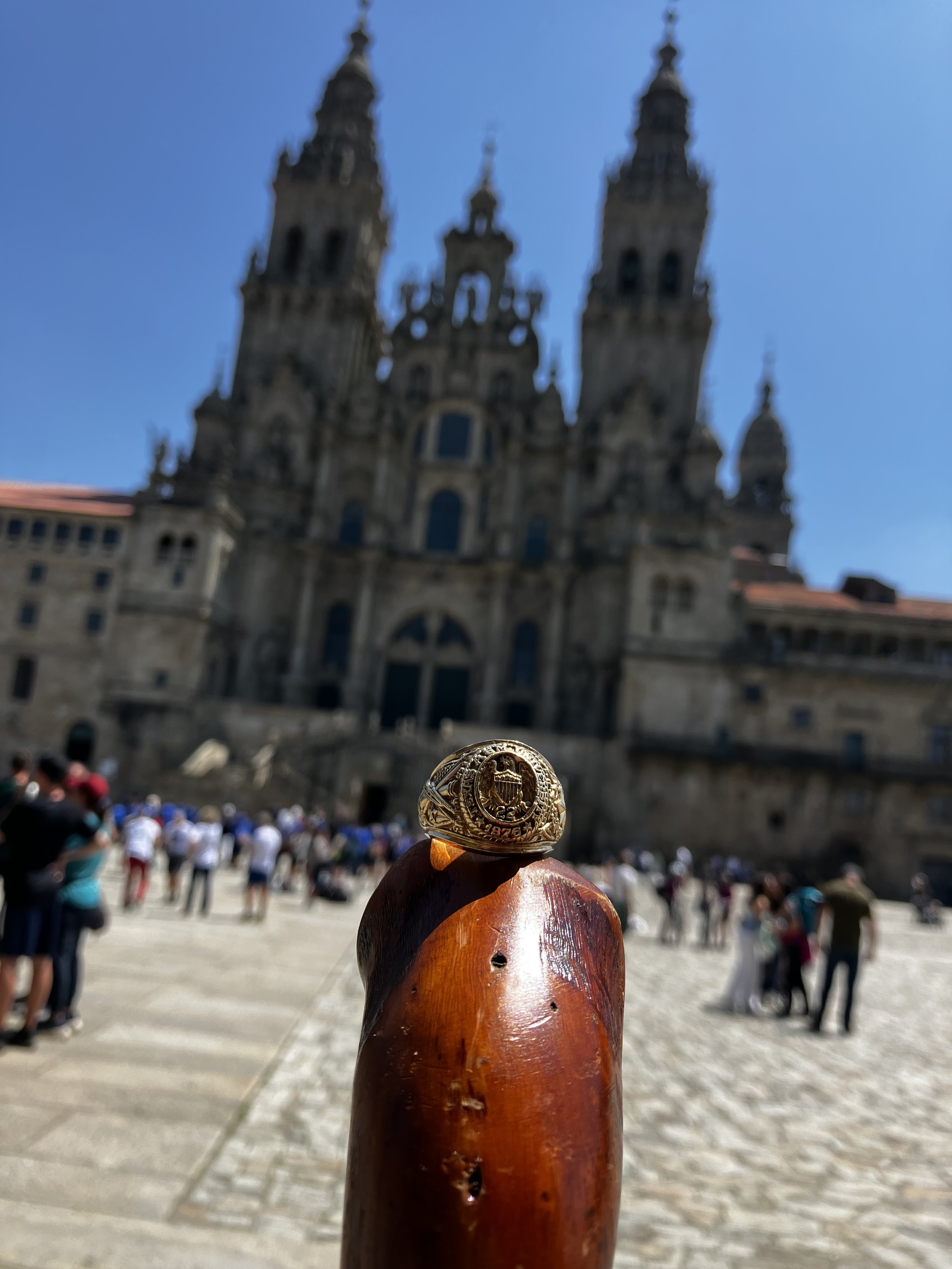
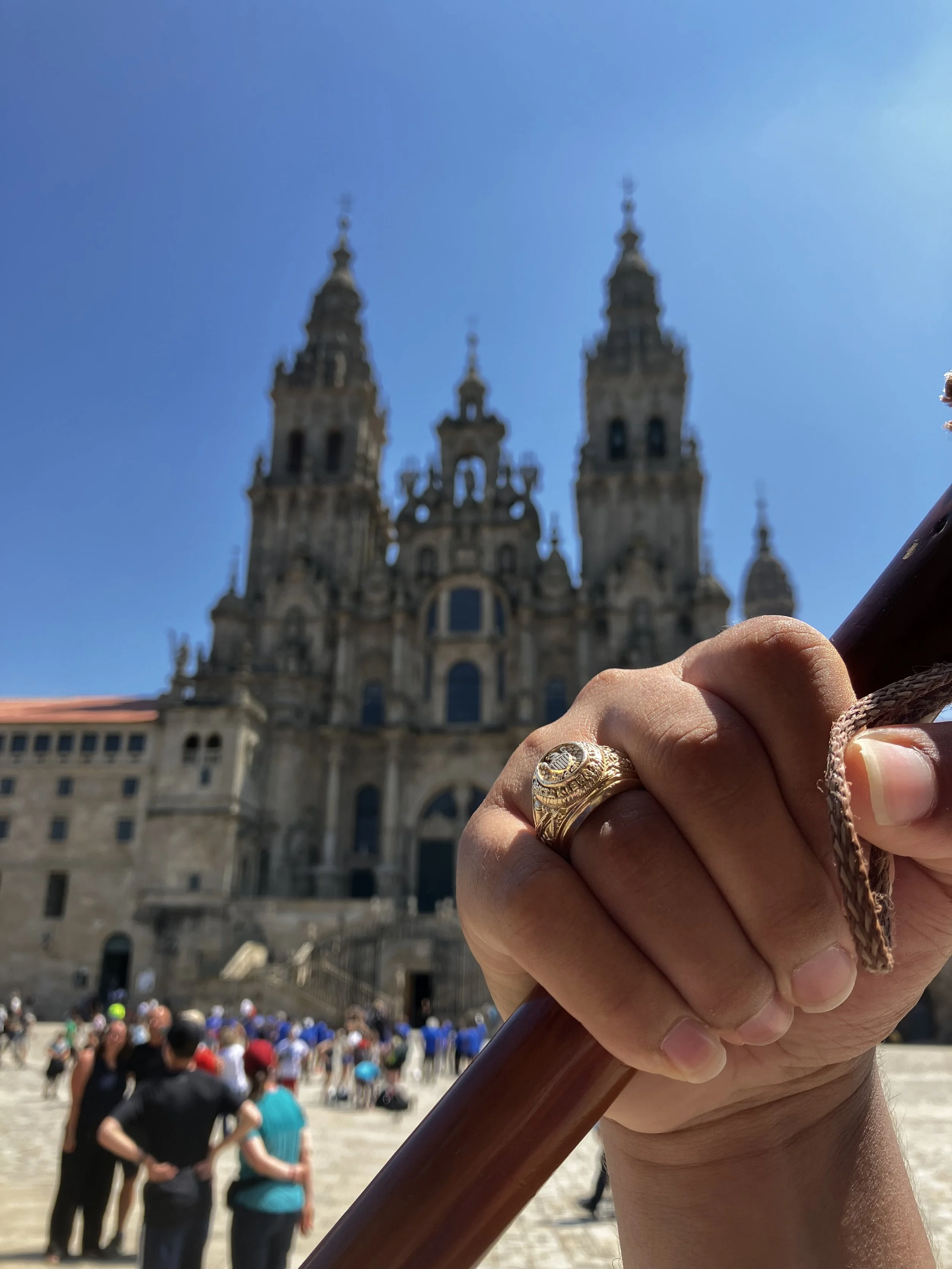
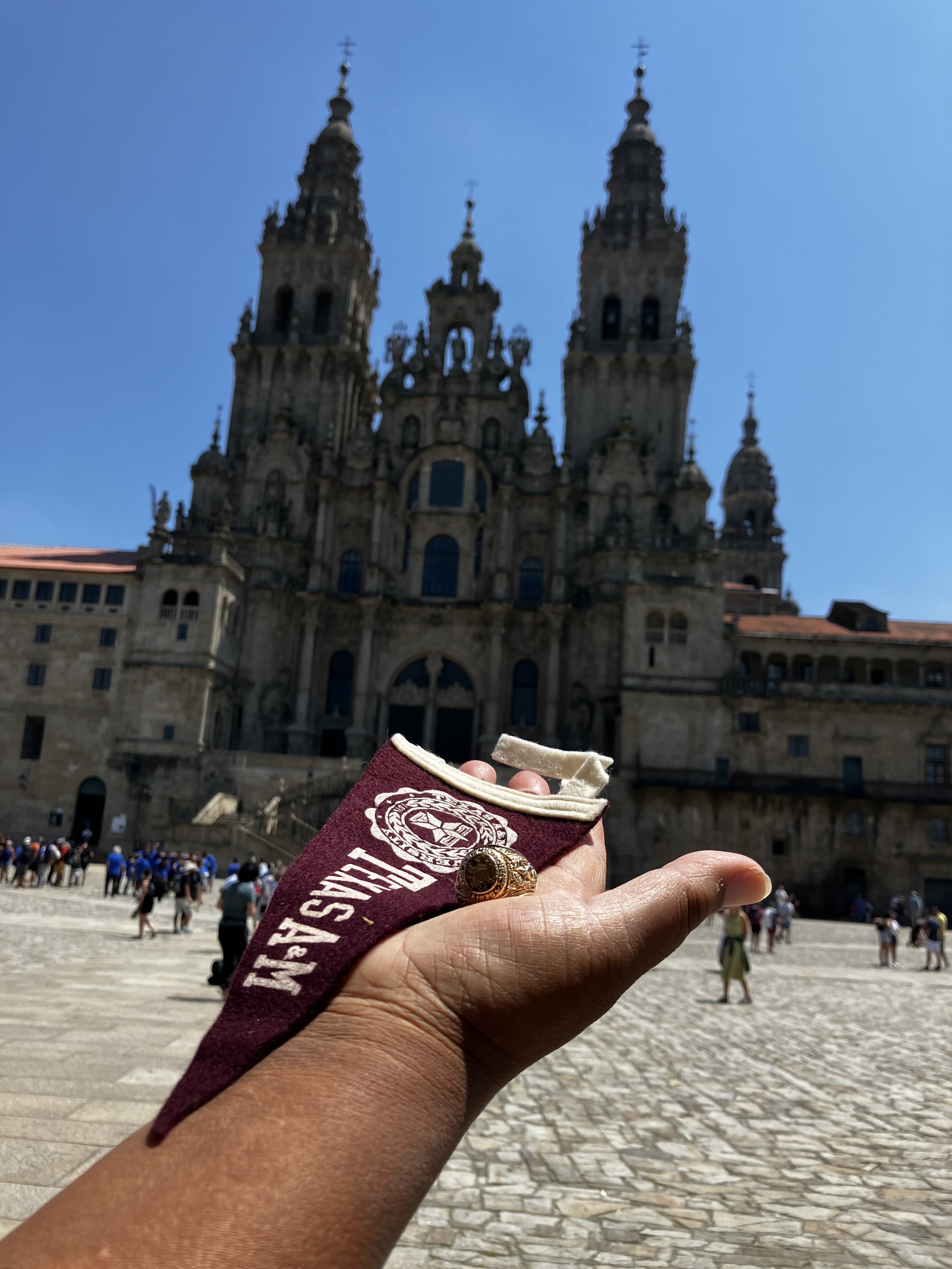
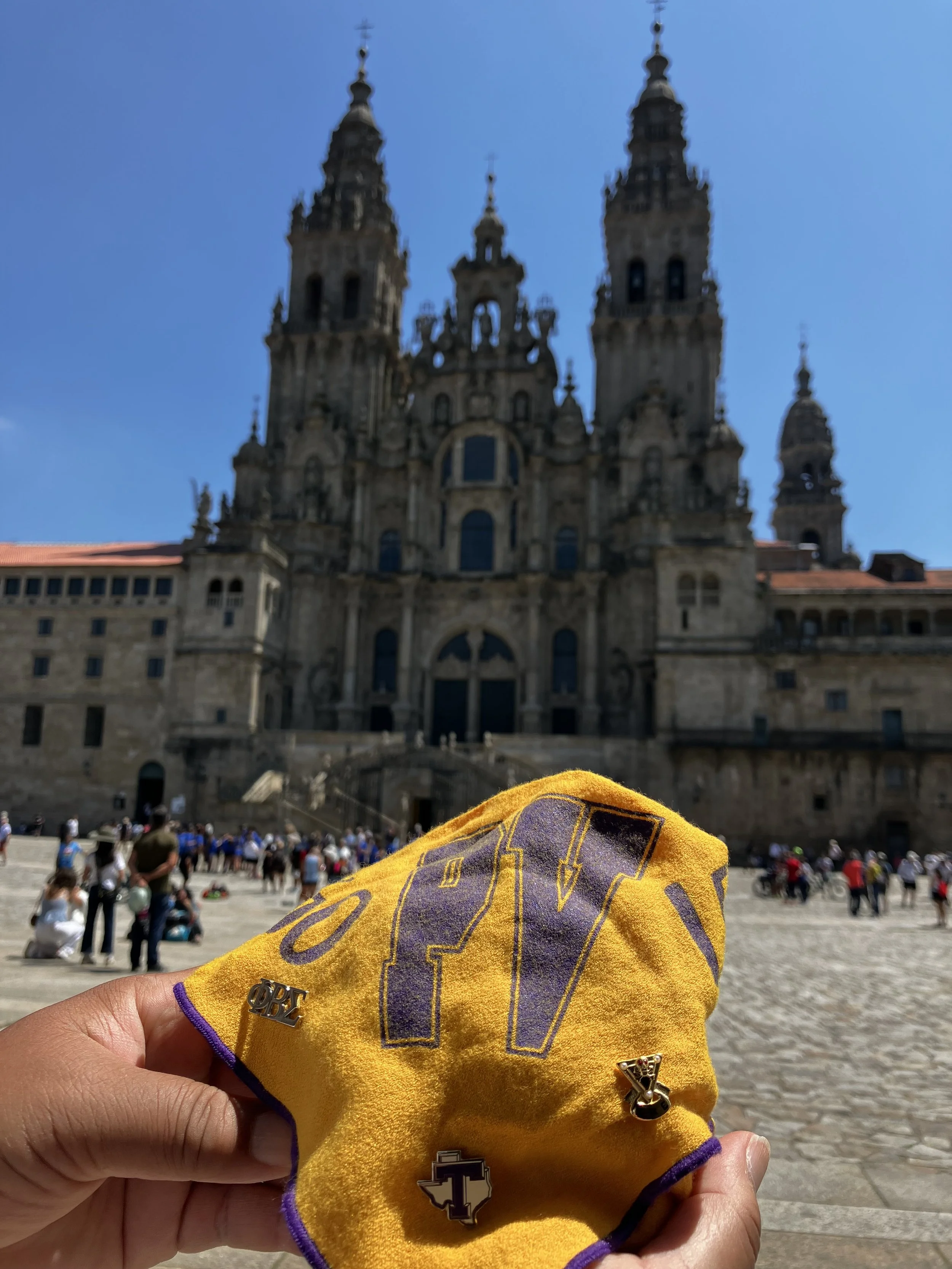
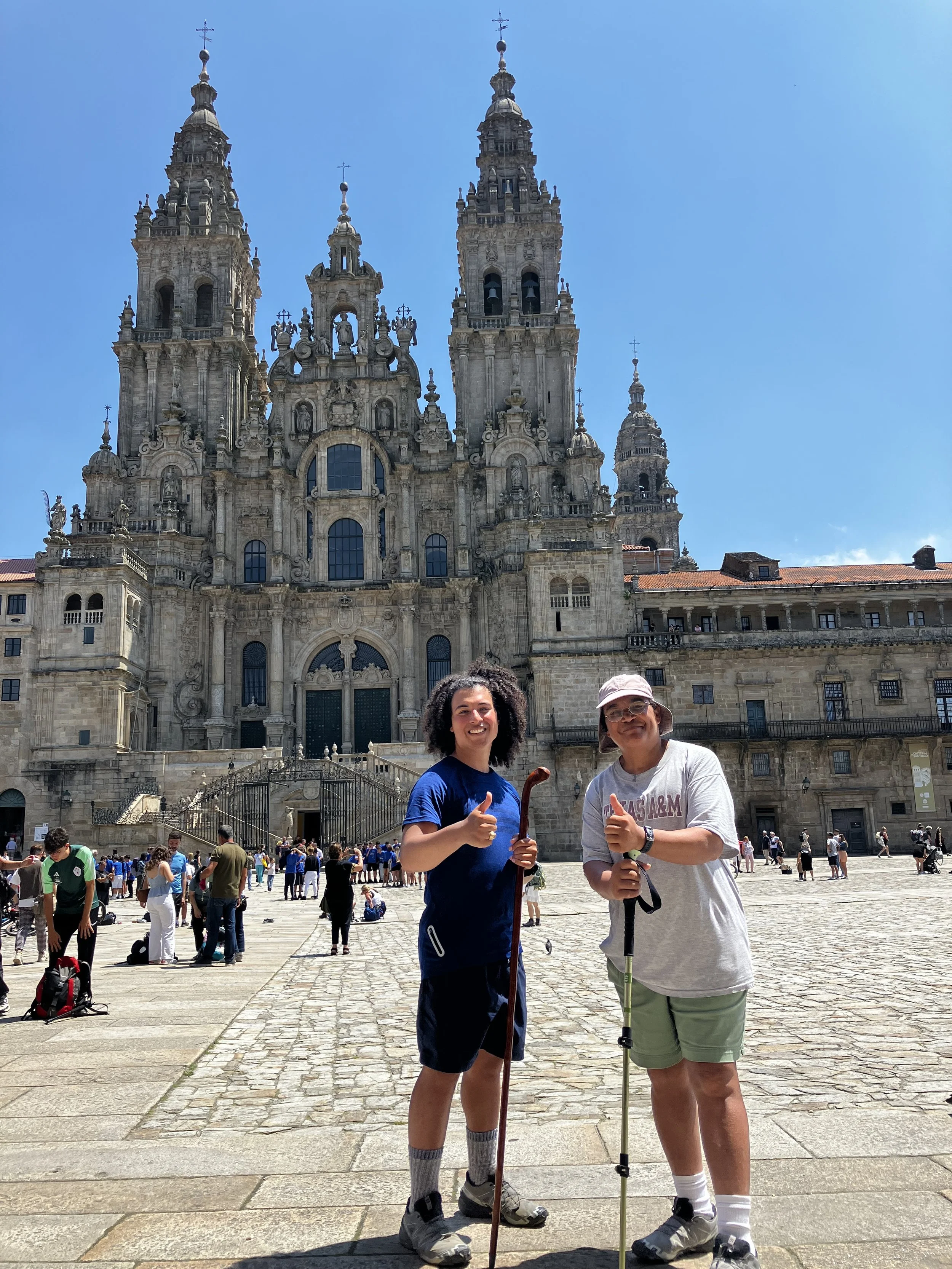
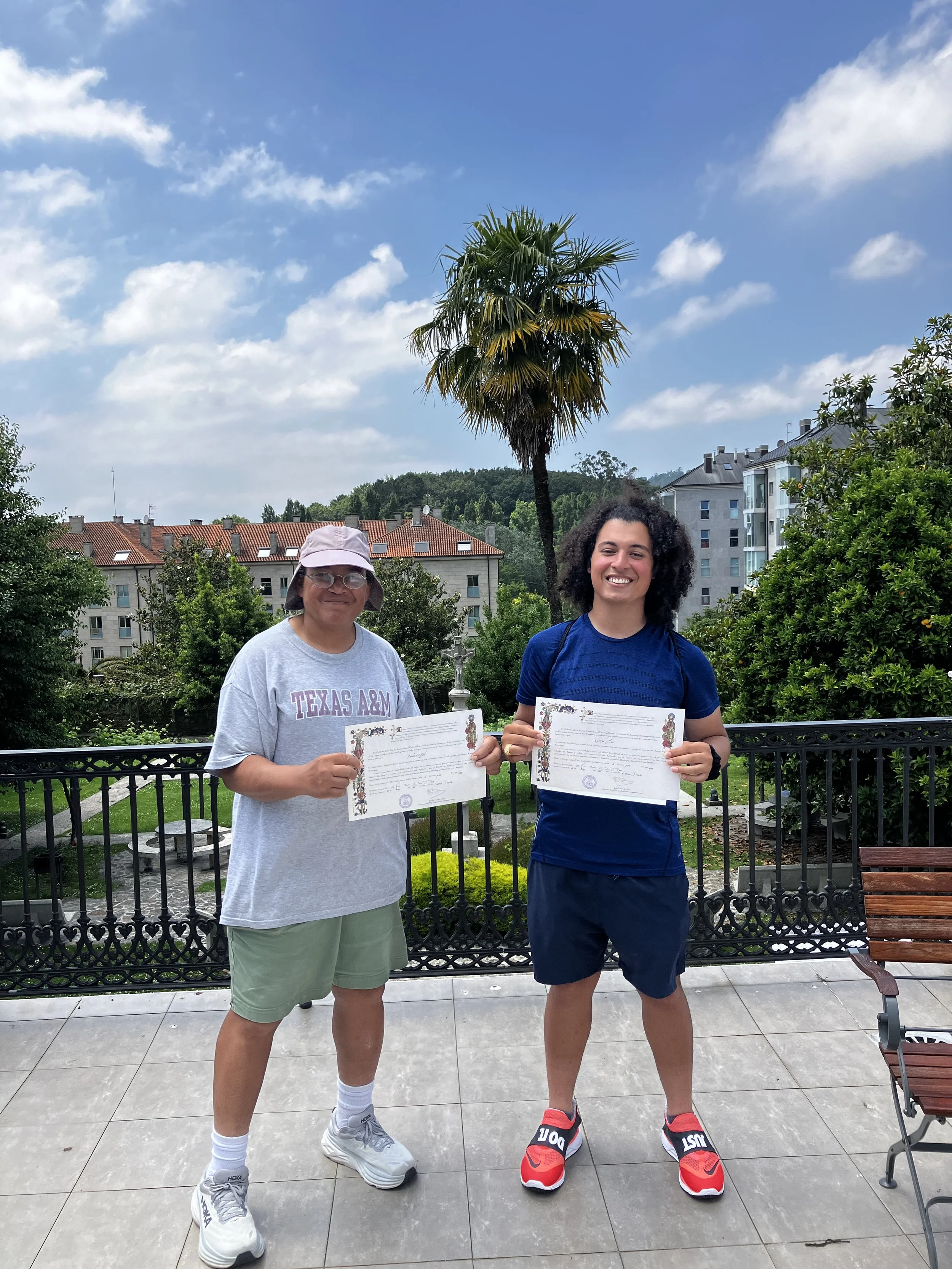
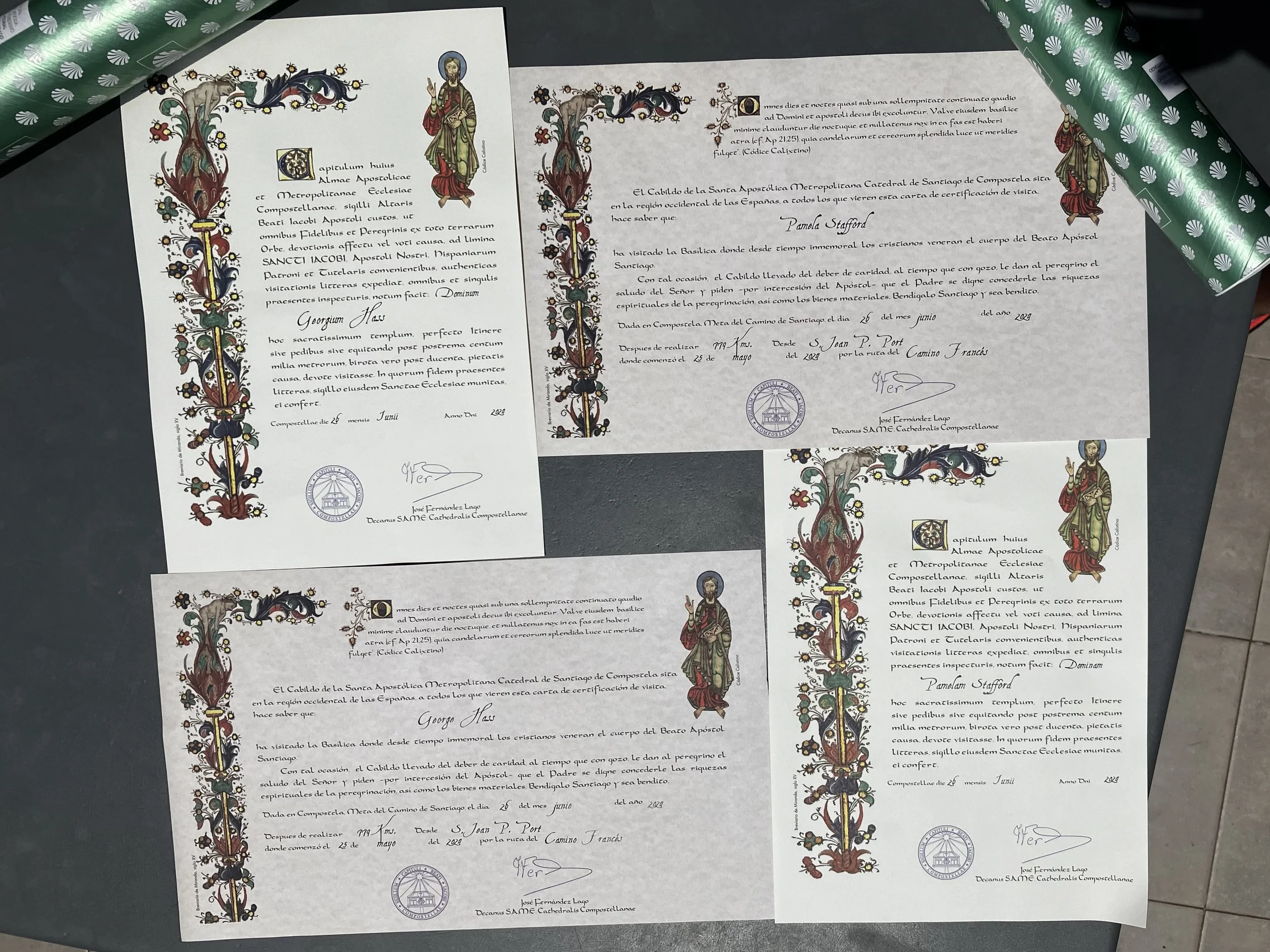
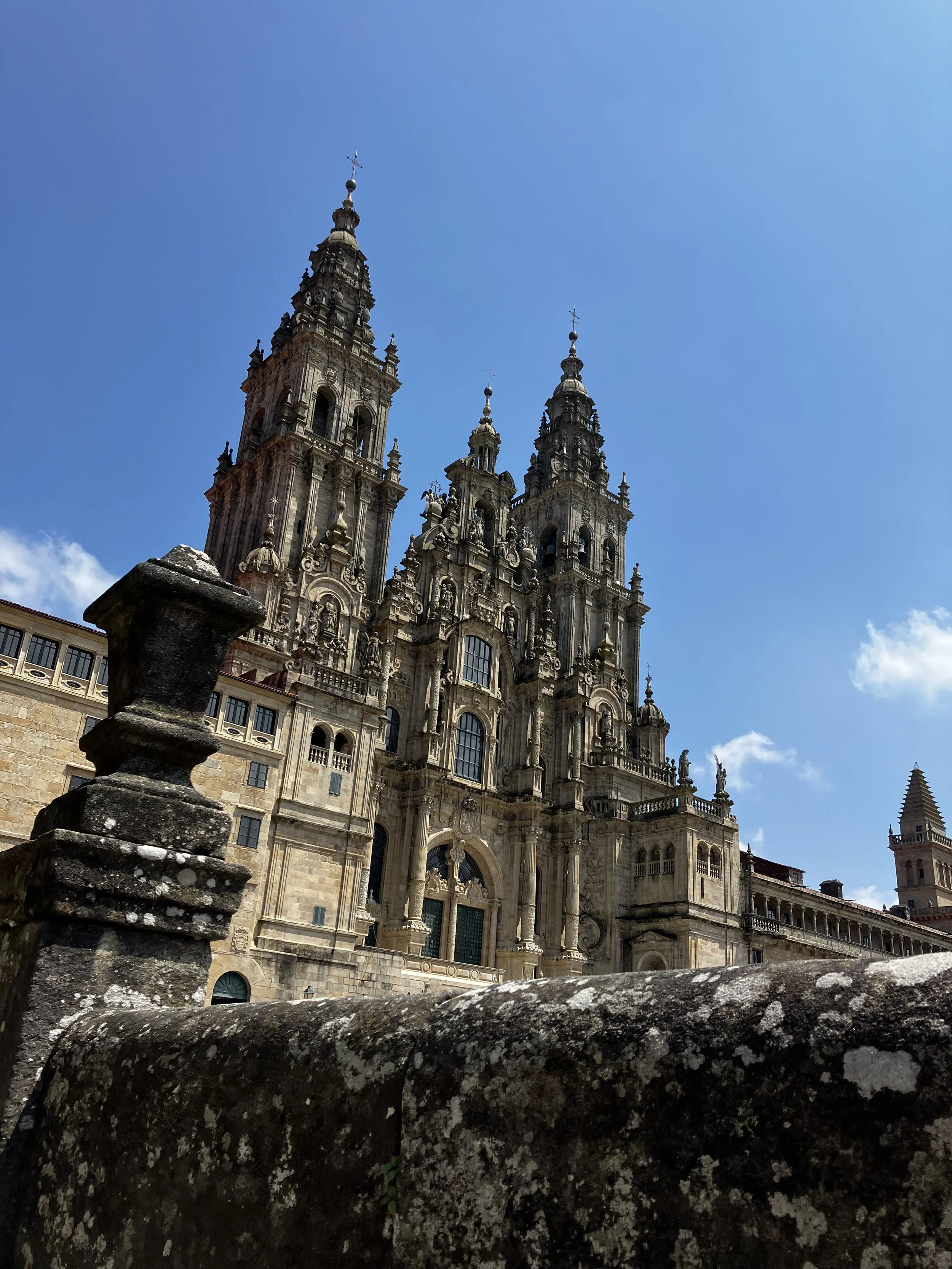
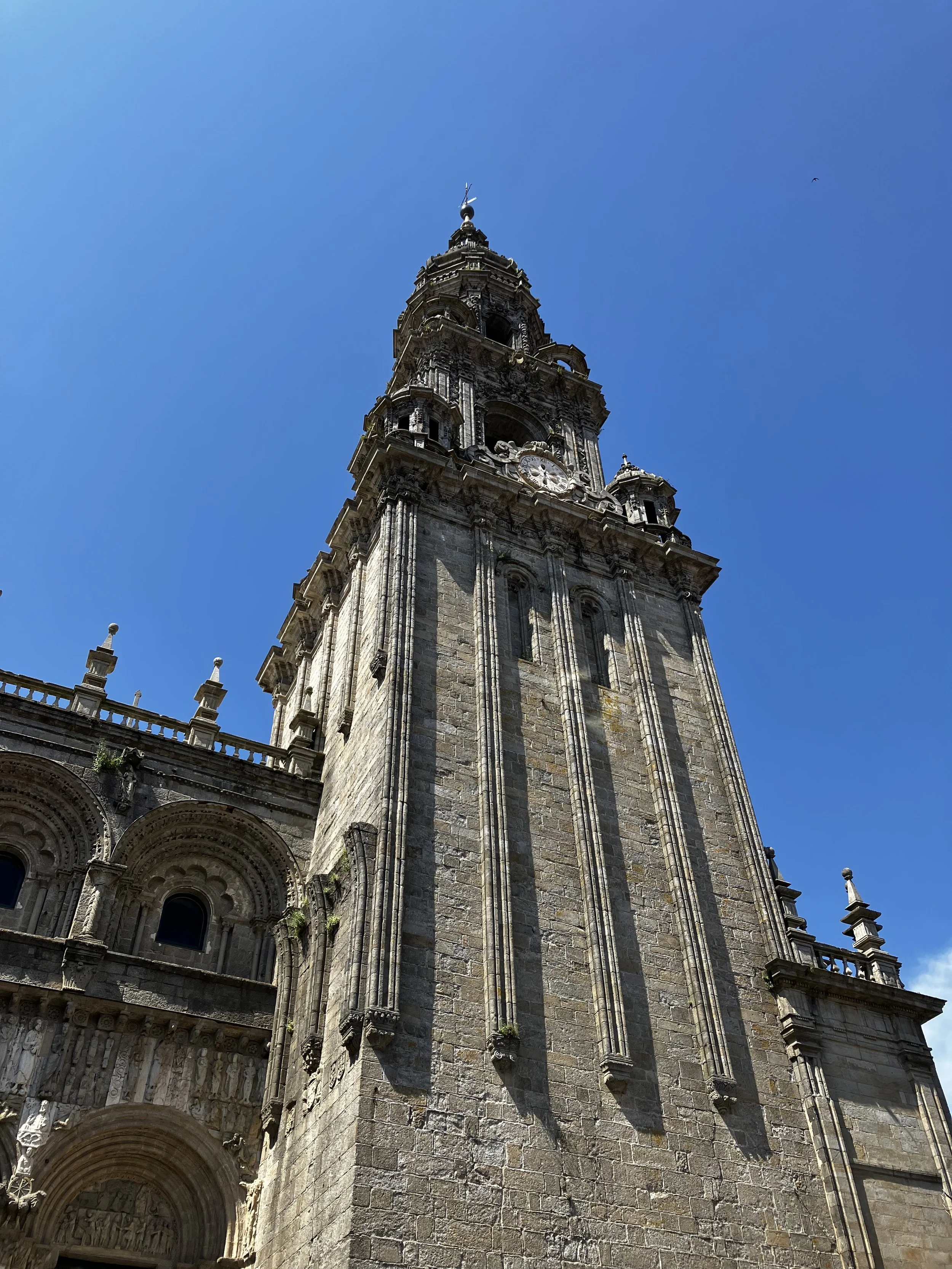
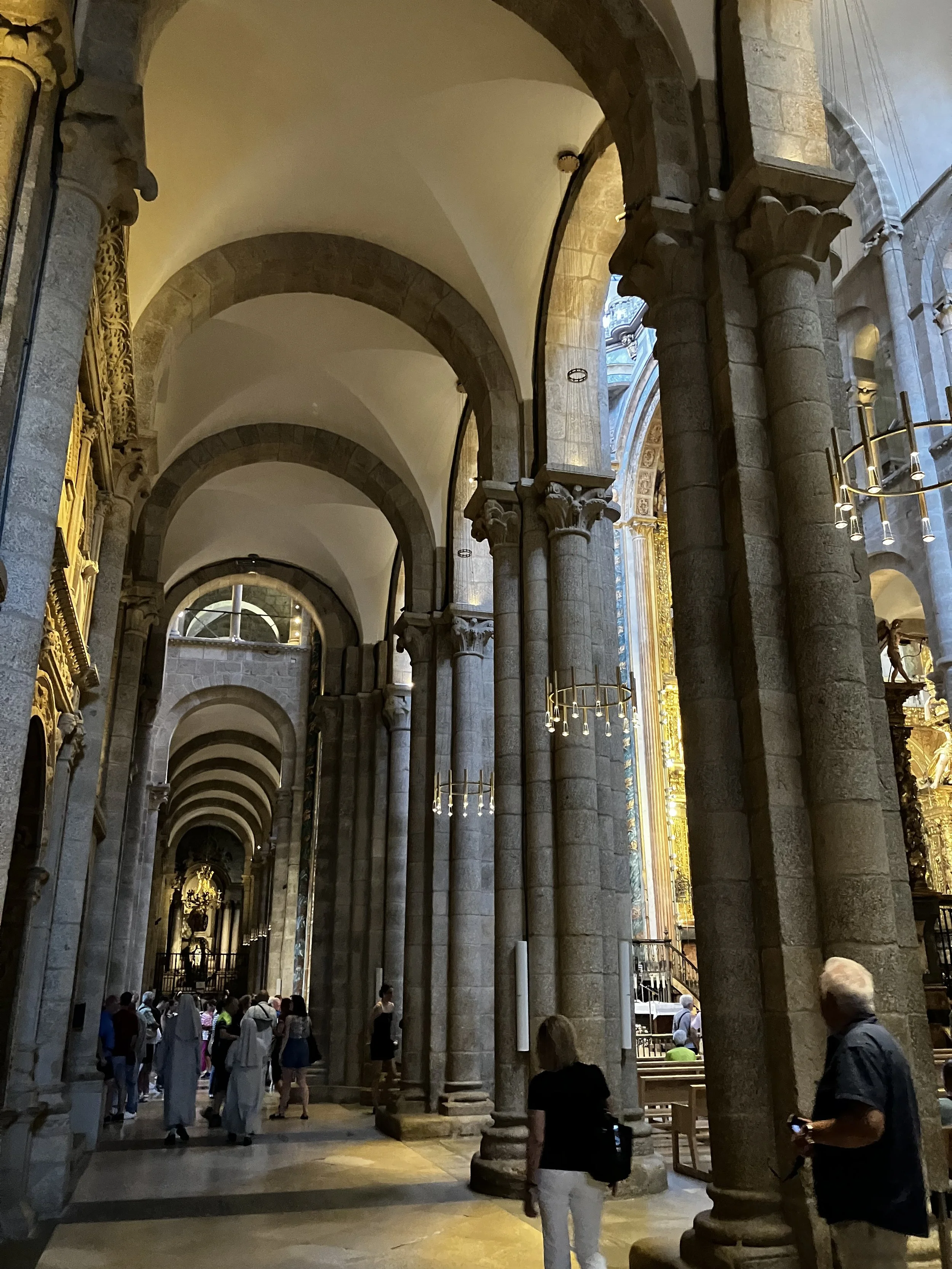
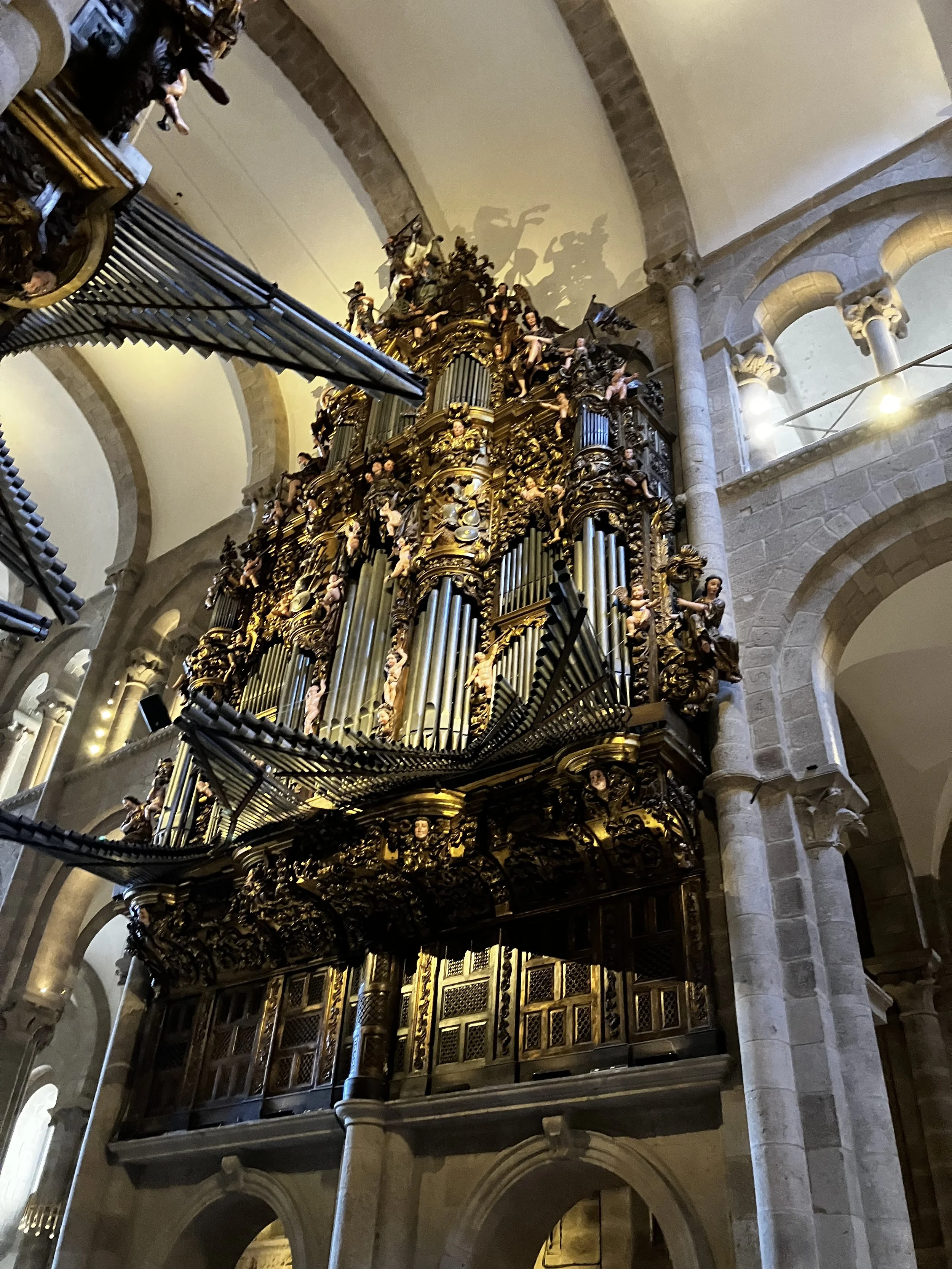
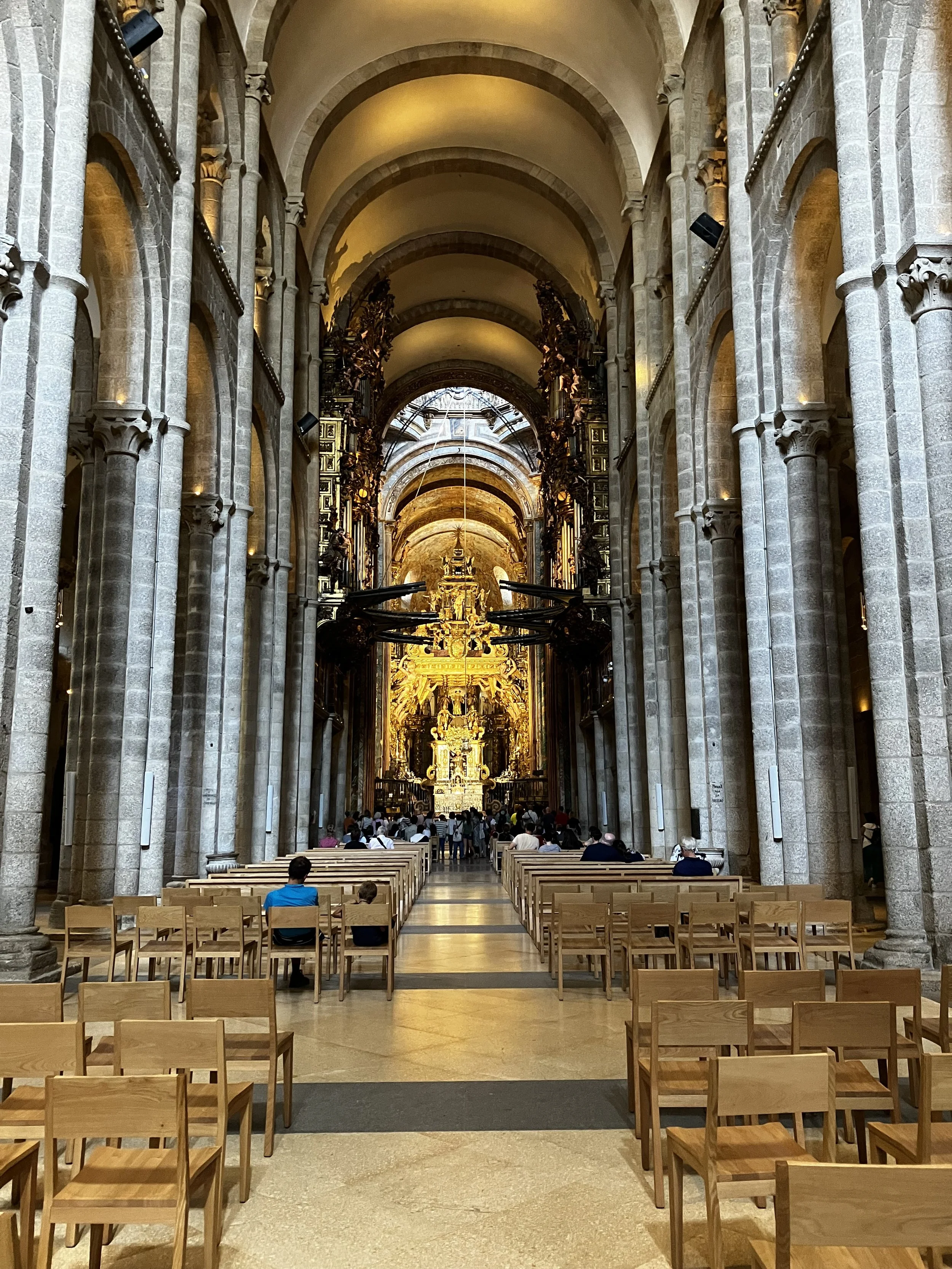
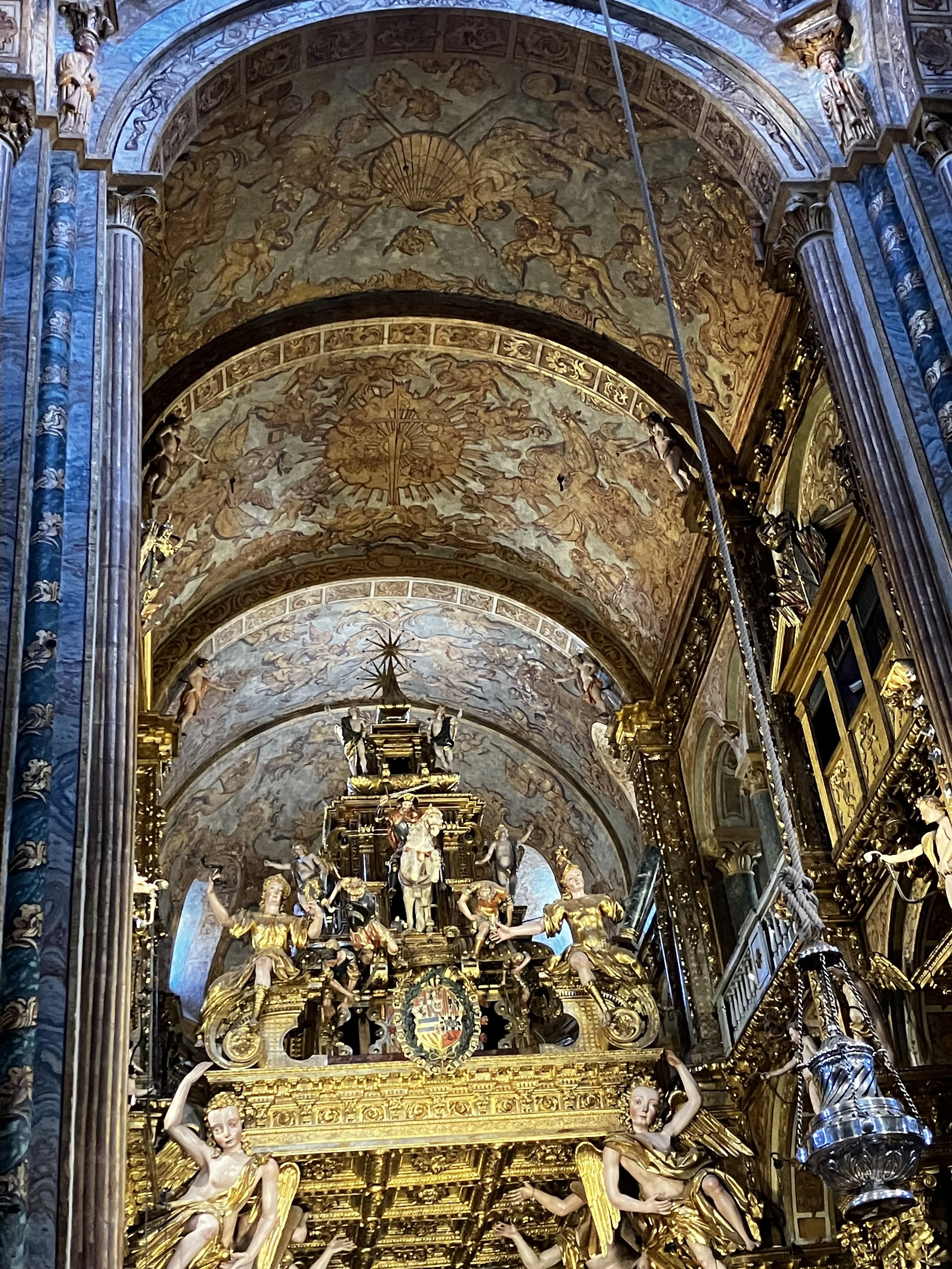
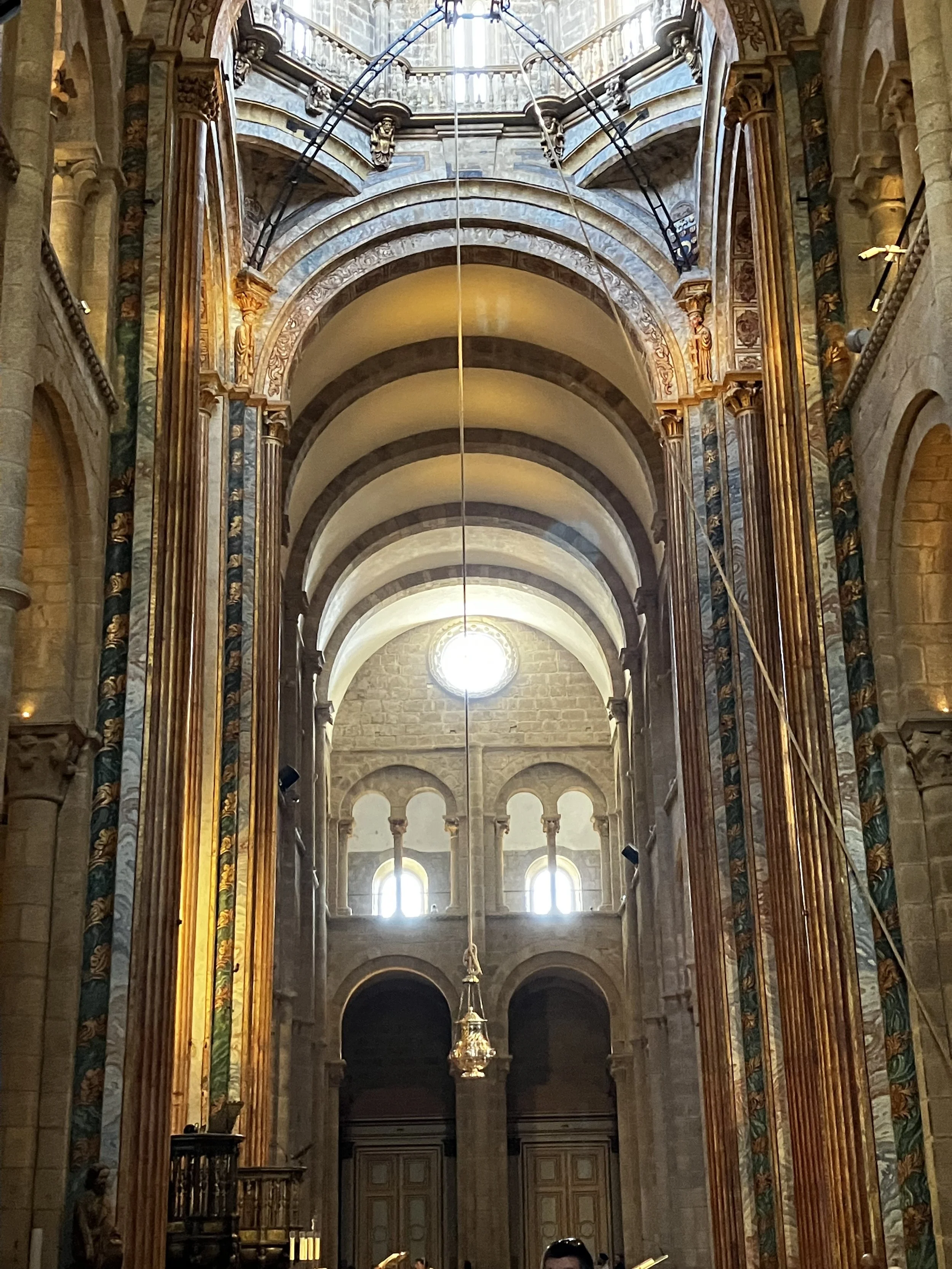
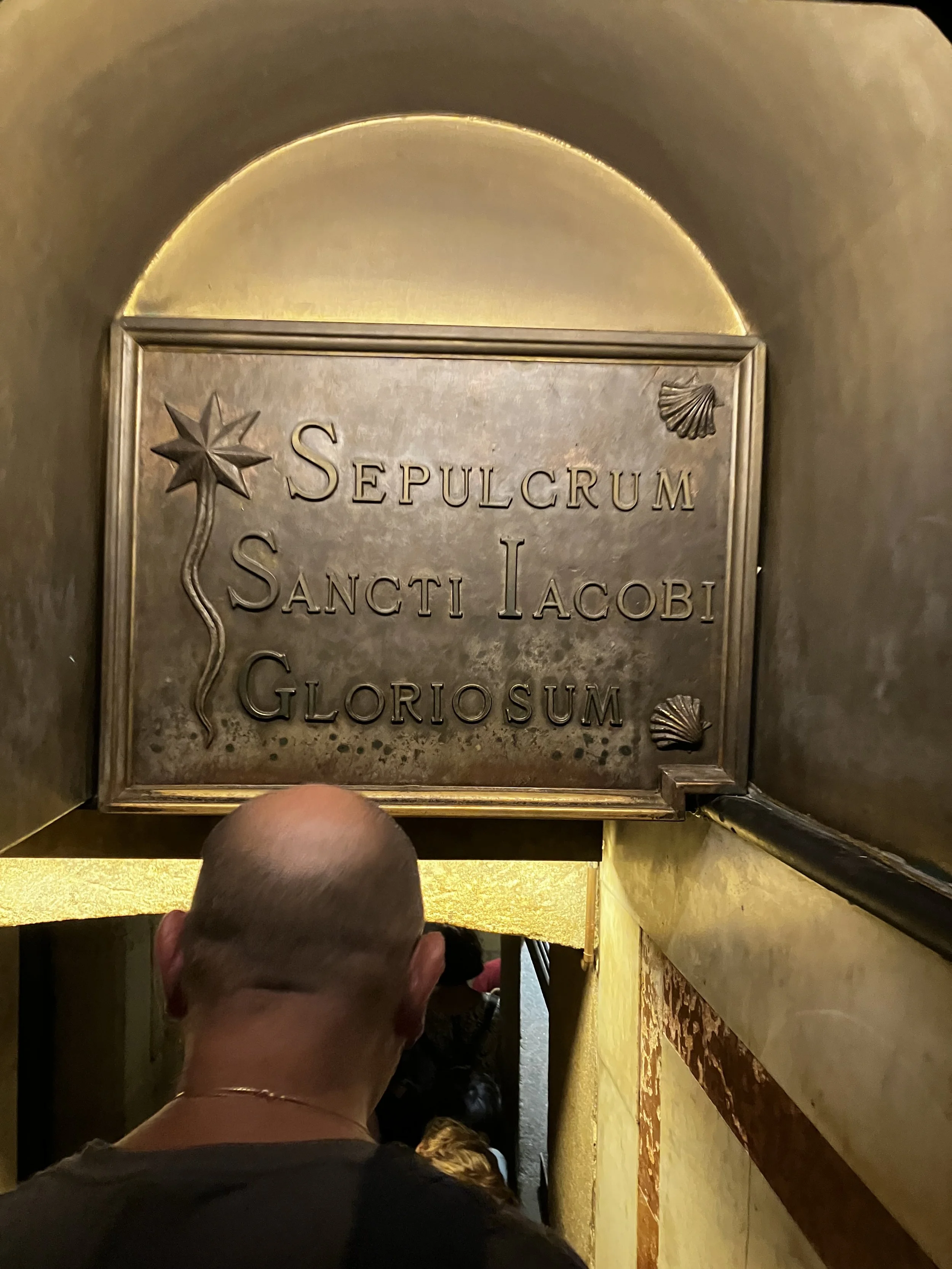
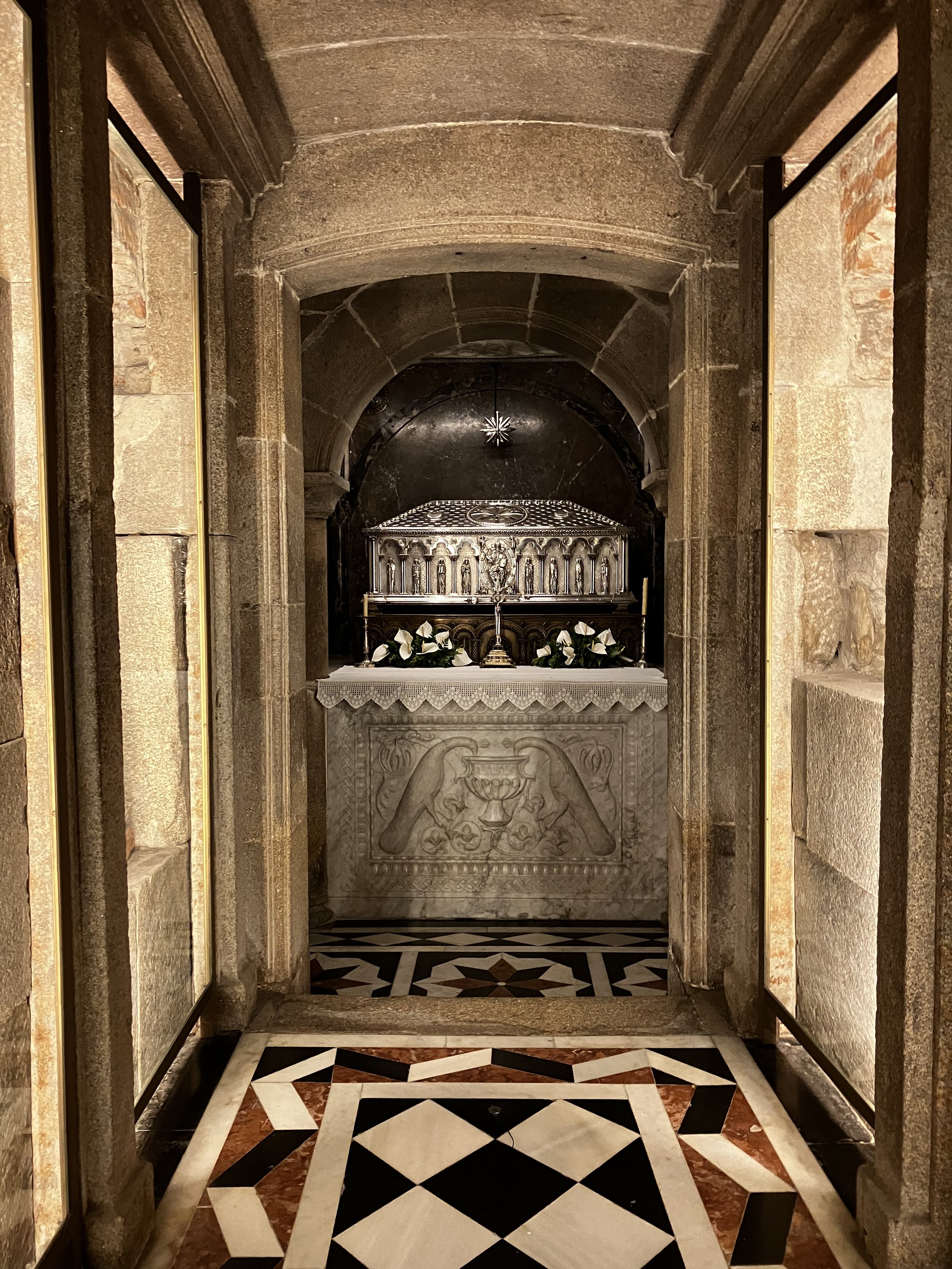
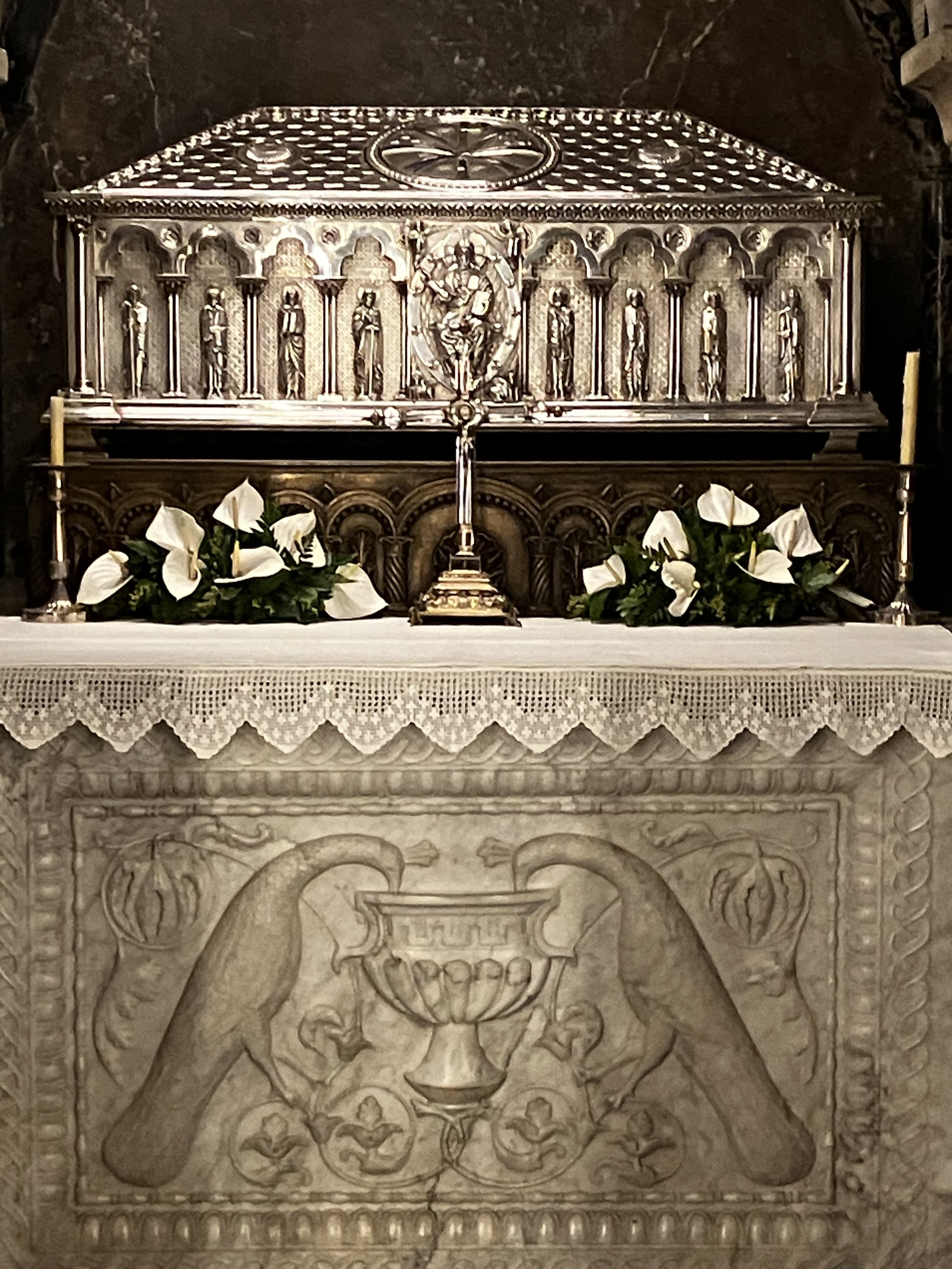
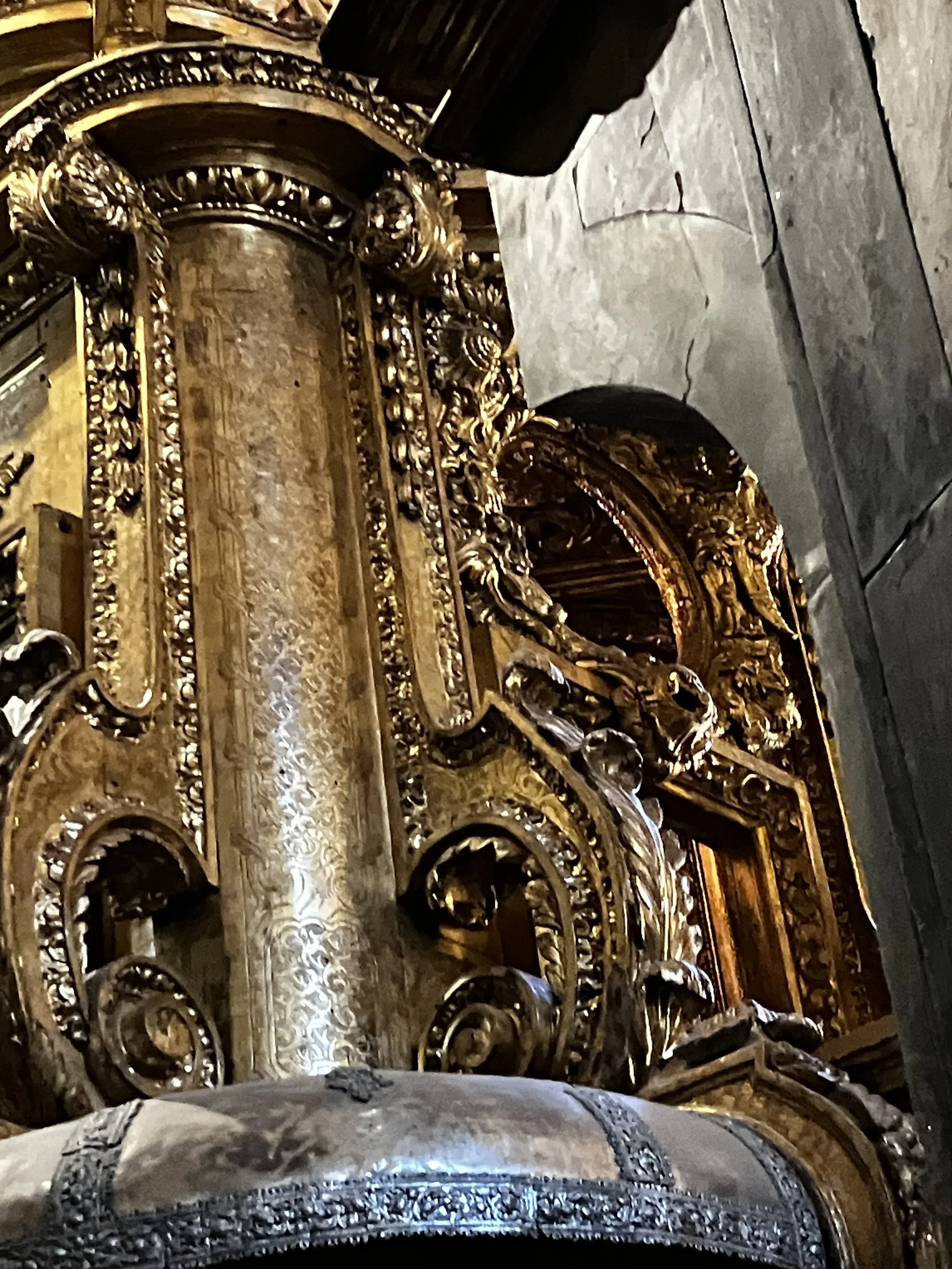
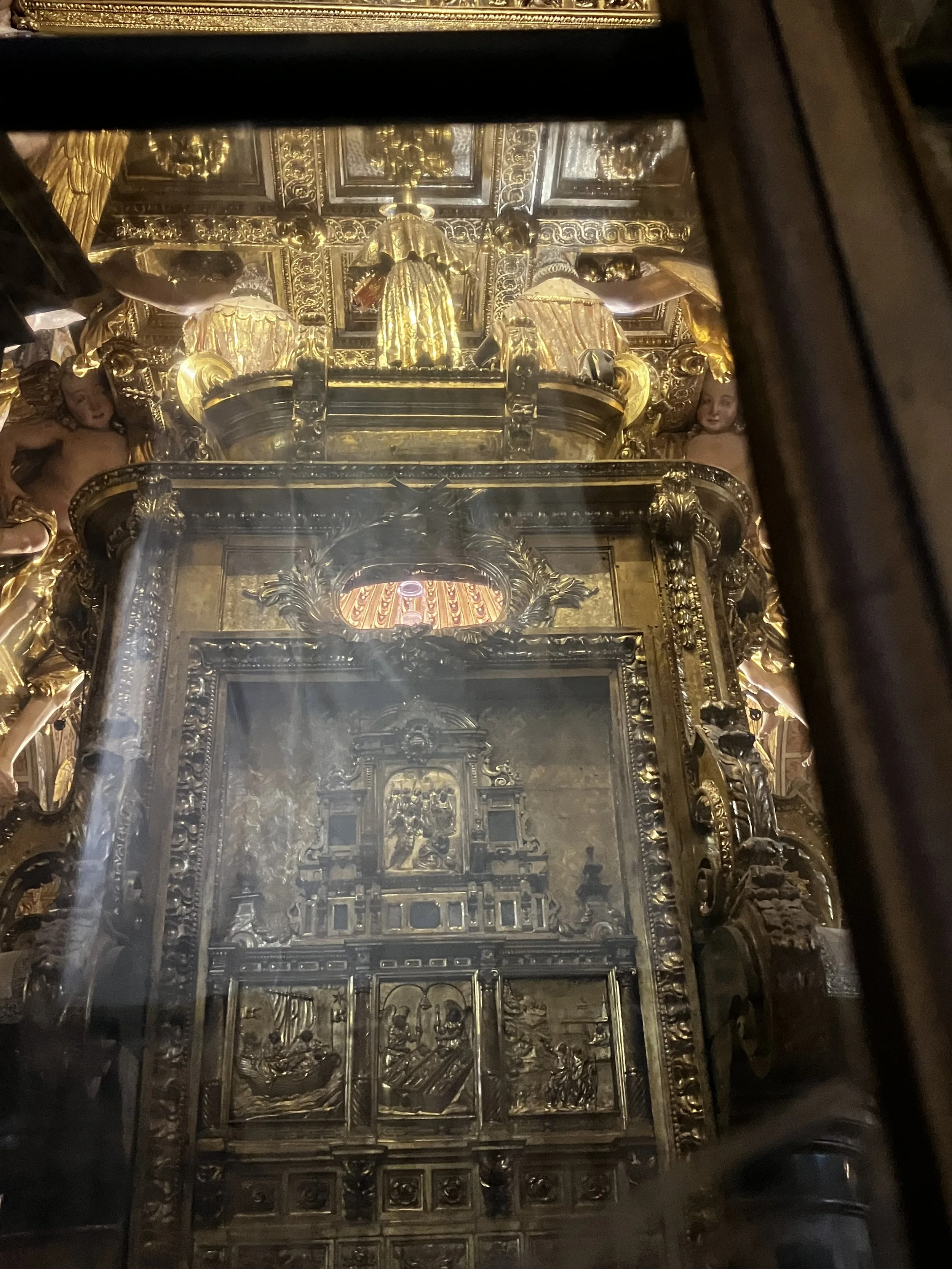
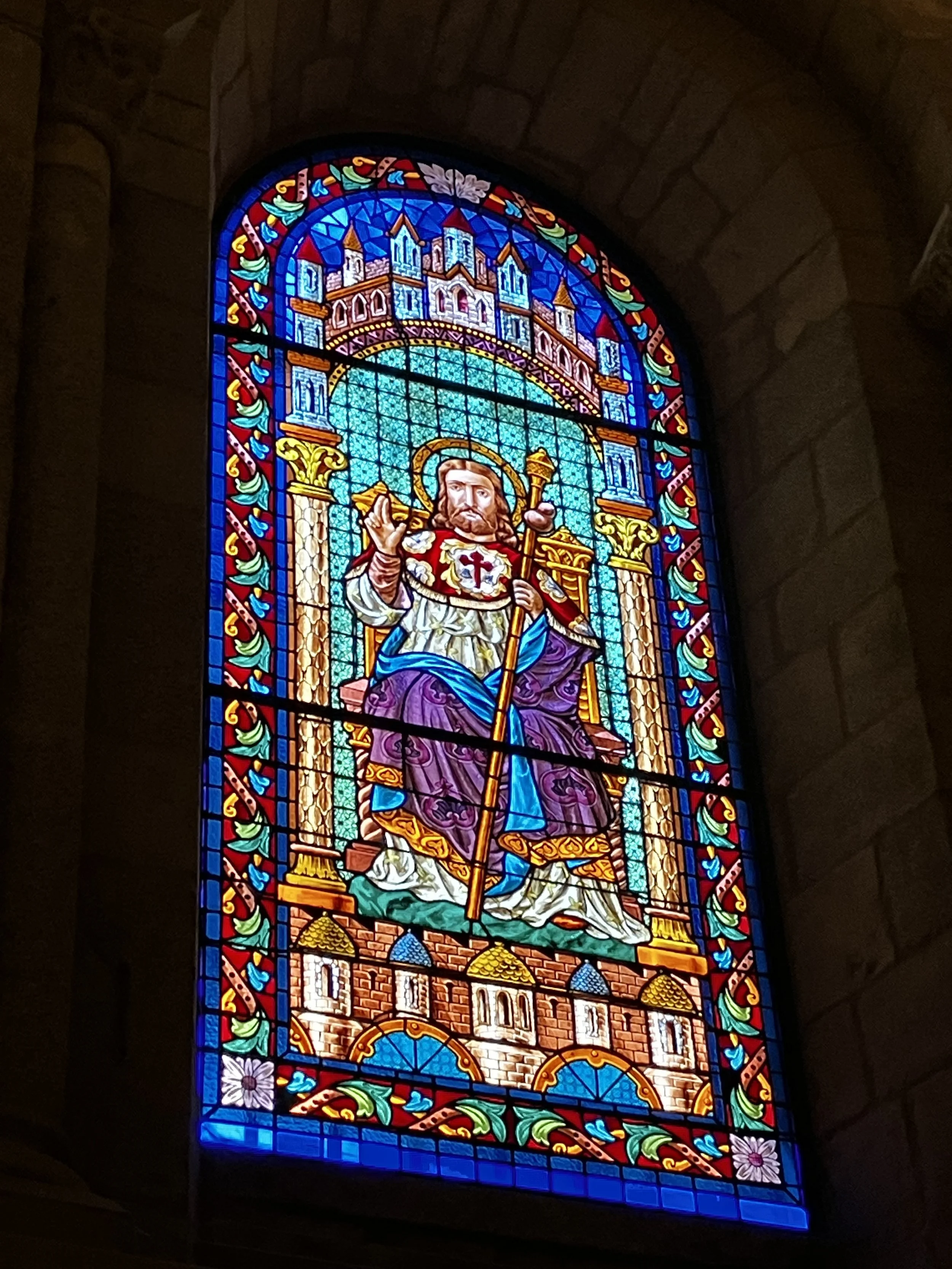
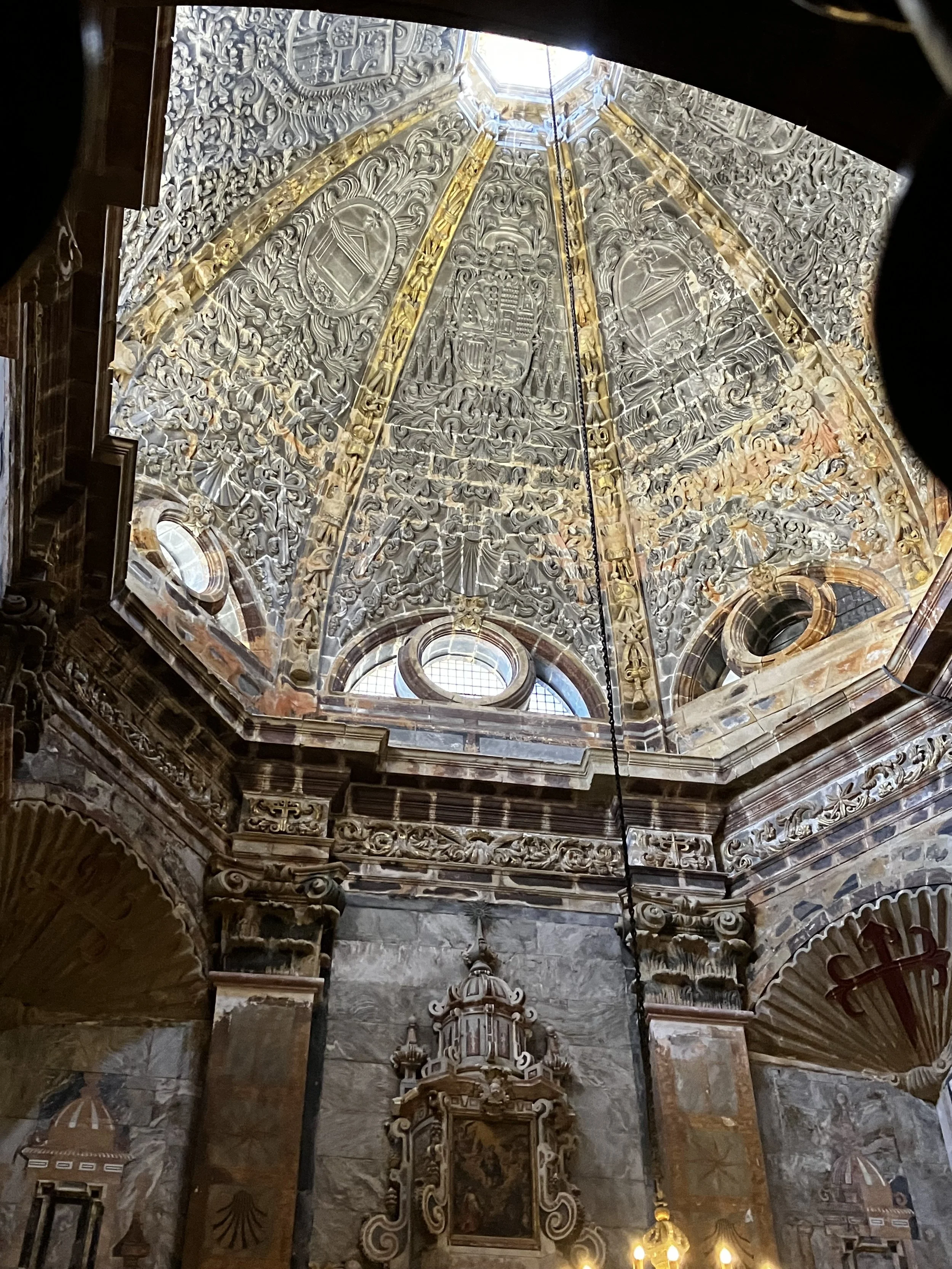
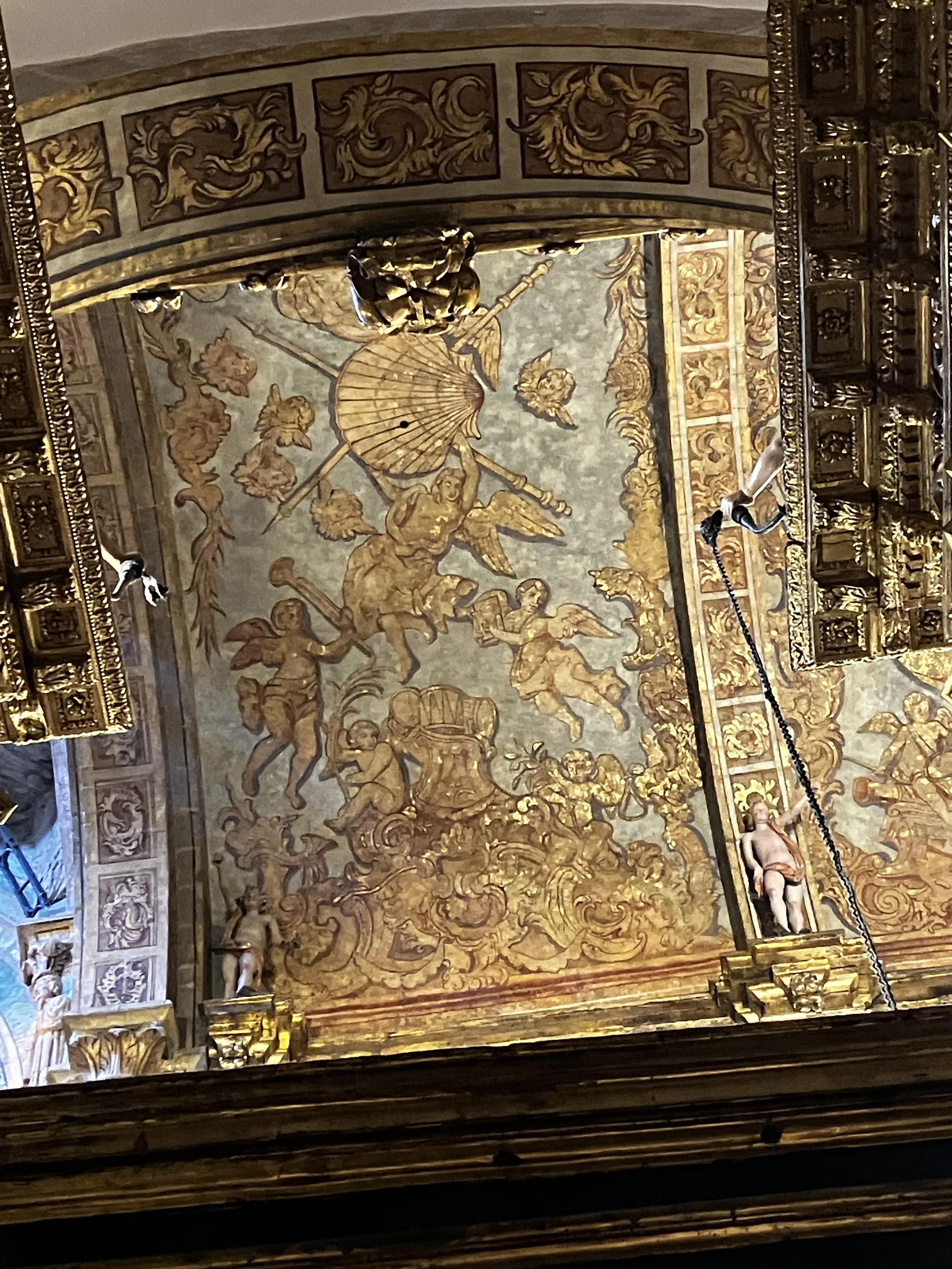
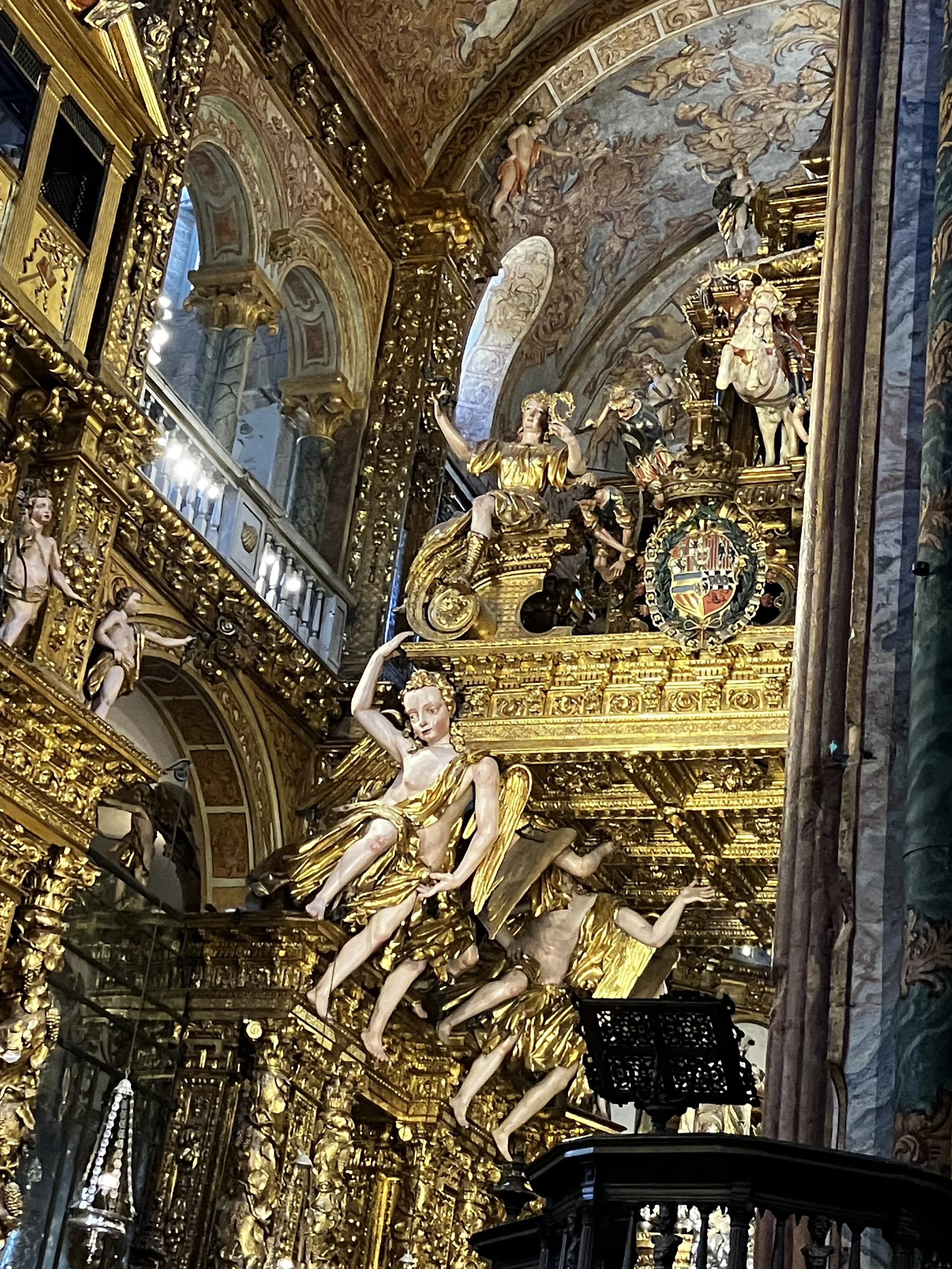
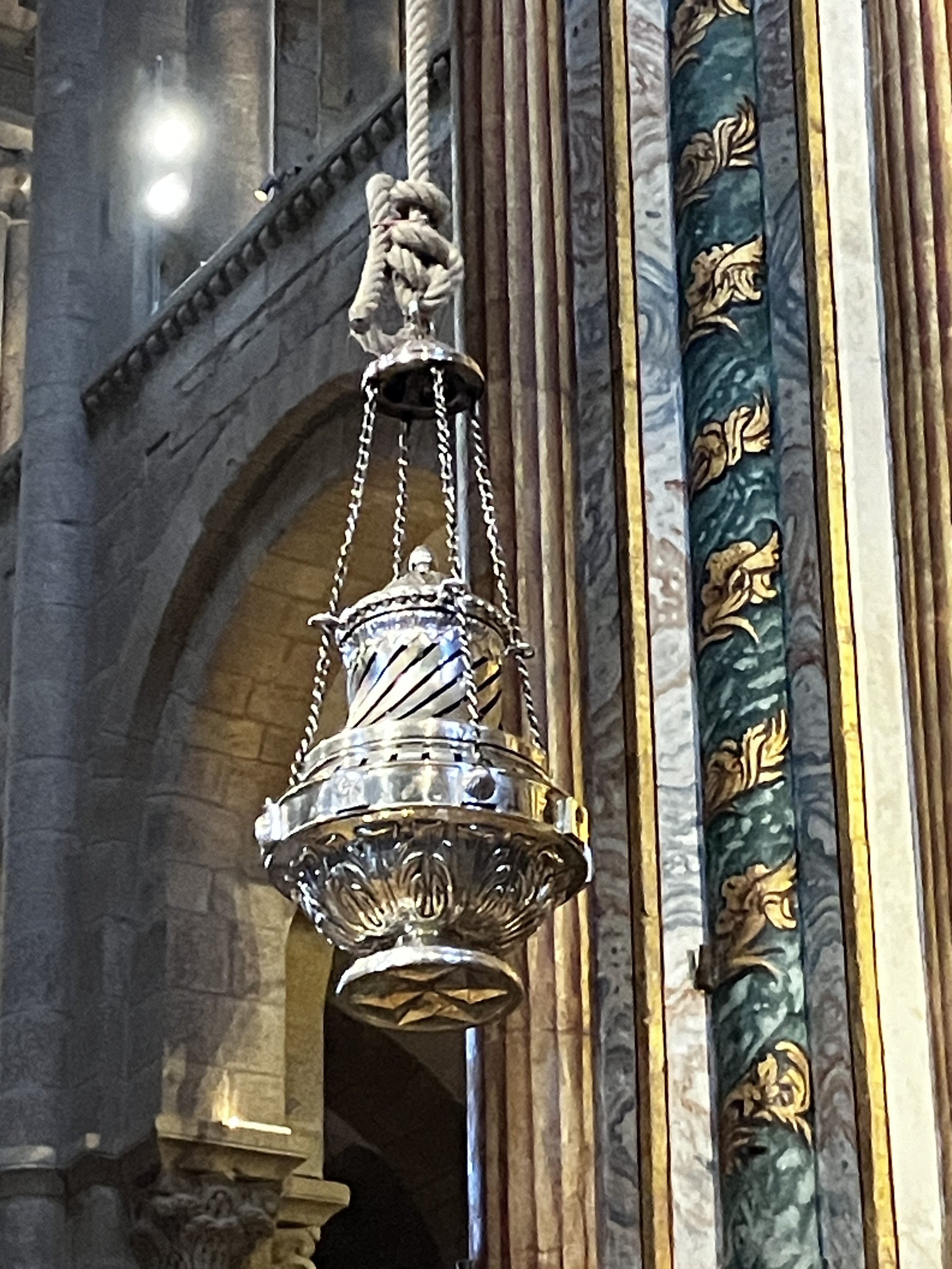
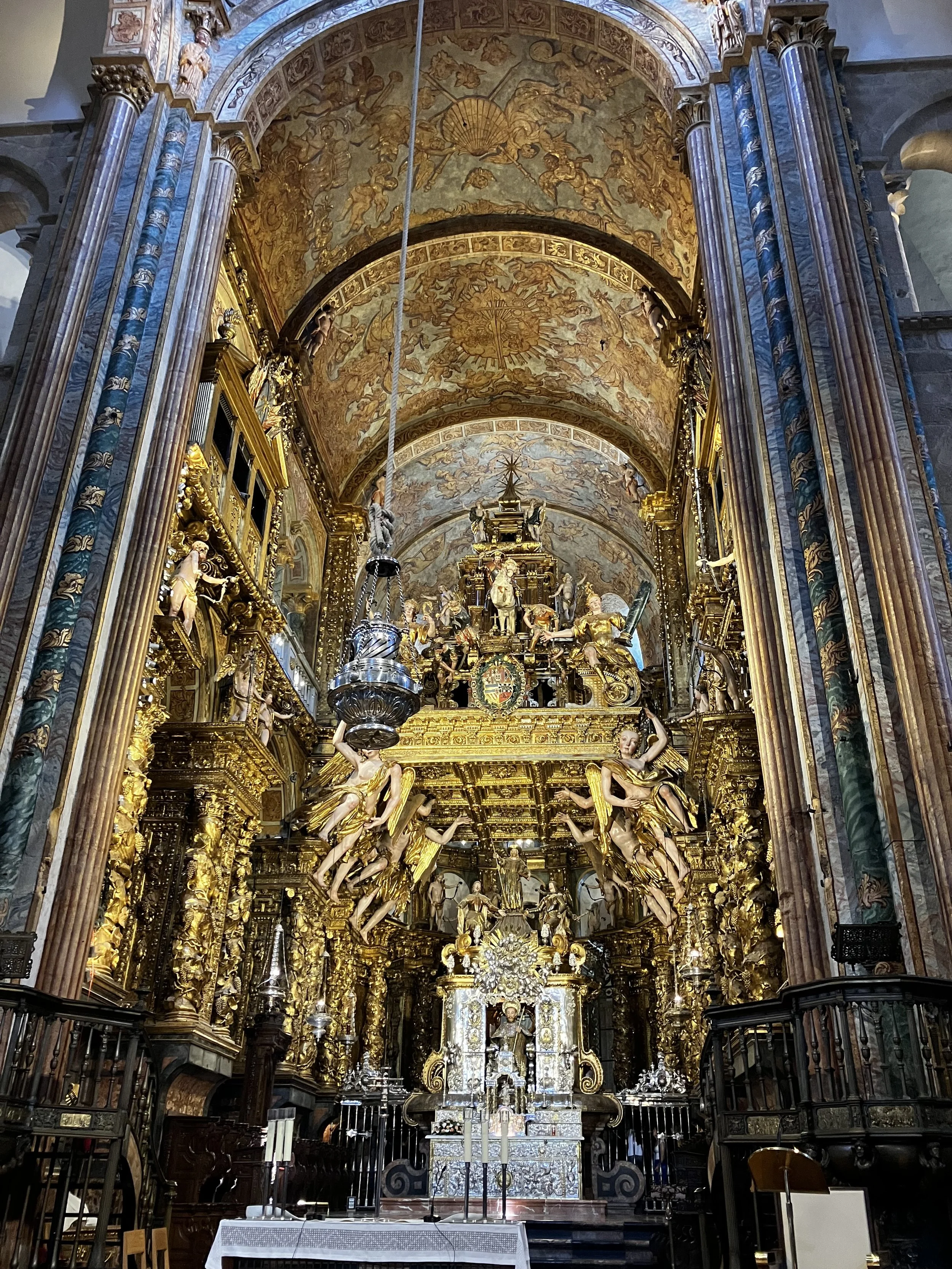
This was a culmination of an idea 8 years in the making for us, and in true gestural fashion, we had a to take pictures of our items that made the trek with us. For my siblings and myself, my mother had packed small lamb figures from our baptism/confirmation, and a Pennant Flag/Bandana from Texas A&M and Prairie View A&M respectively, pinned with a few organizations and entities that made the Journey with Us. We dropped by the Pilgrim’s Office and got our official certificates of completion (The Venerated Compostela), making us 2 of the 499,239 pilgrims to have received it in 2024. The interior of the Catedral de Santiago de Compostela was even more awe-inspiring than I could’ve imagined, with each pillar, tile, altar, and arch intentionally placed and decorated. It was an amazing culmination, having ended exactly 31 days after when we started in Saint Jean Pied de Port, (June 26th). There are several other routes we could have taken, like the Primitivo, the Ingles, or Del Norte, but one we are interested in is the Portuguese way, same destination but up Portugal’s coast, and luckily for both of us, eu fala portugues tambem, so it should be a walk in the park (or several).
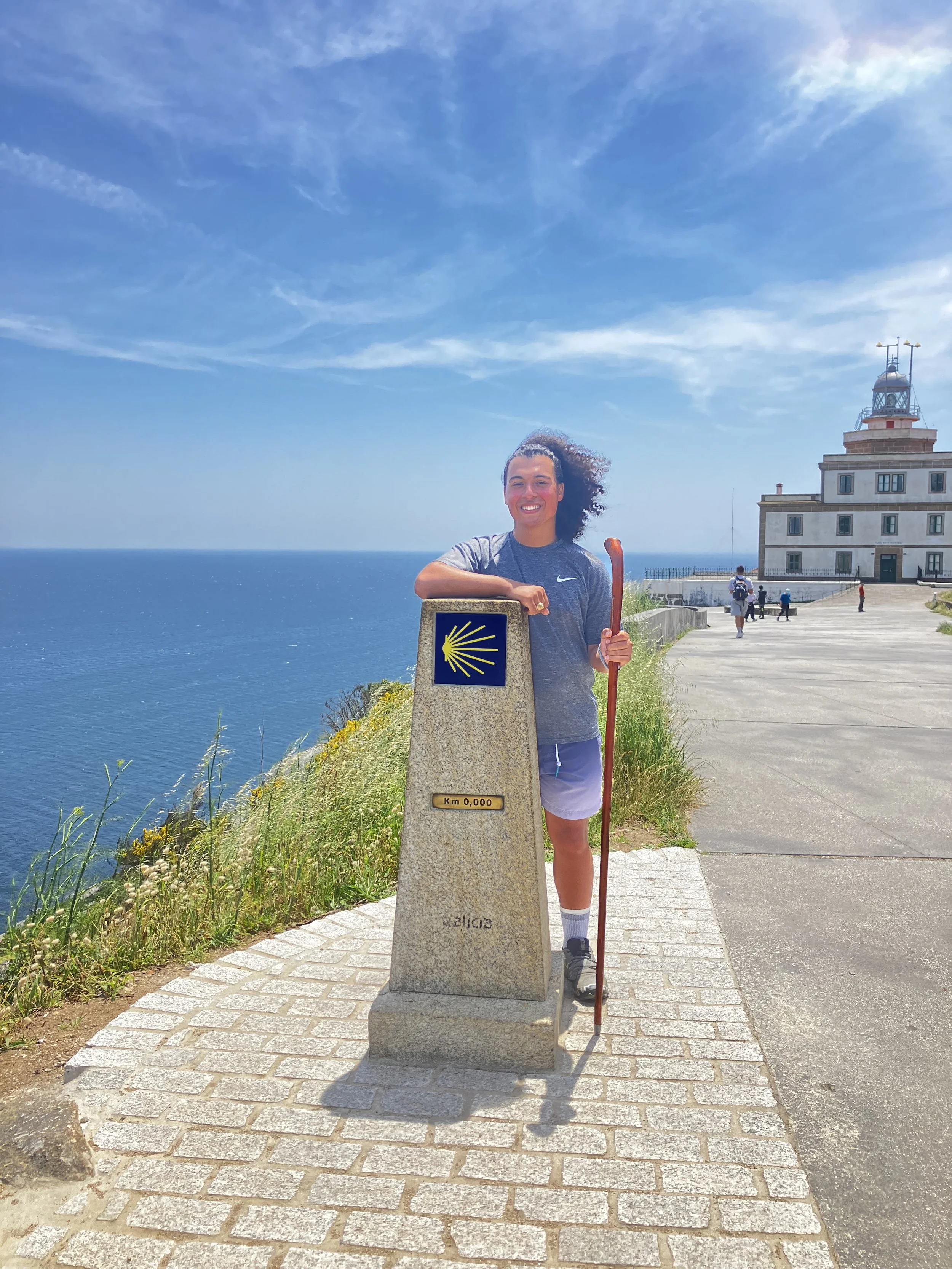
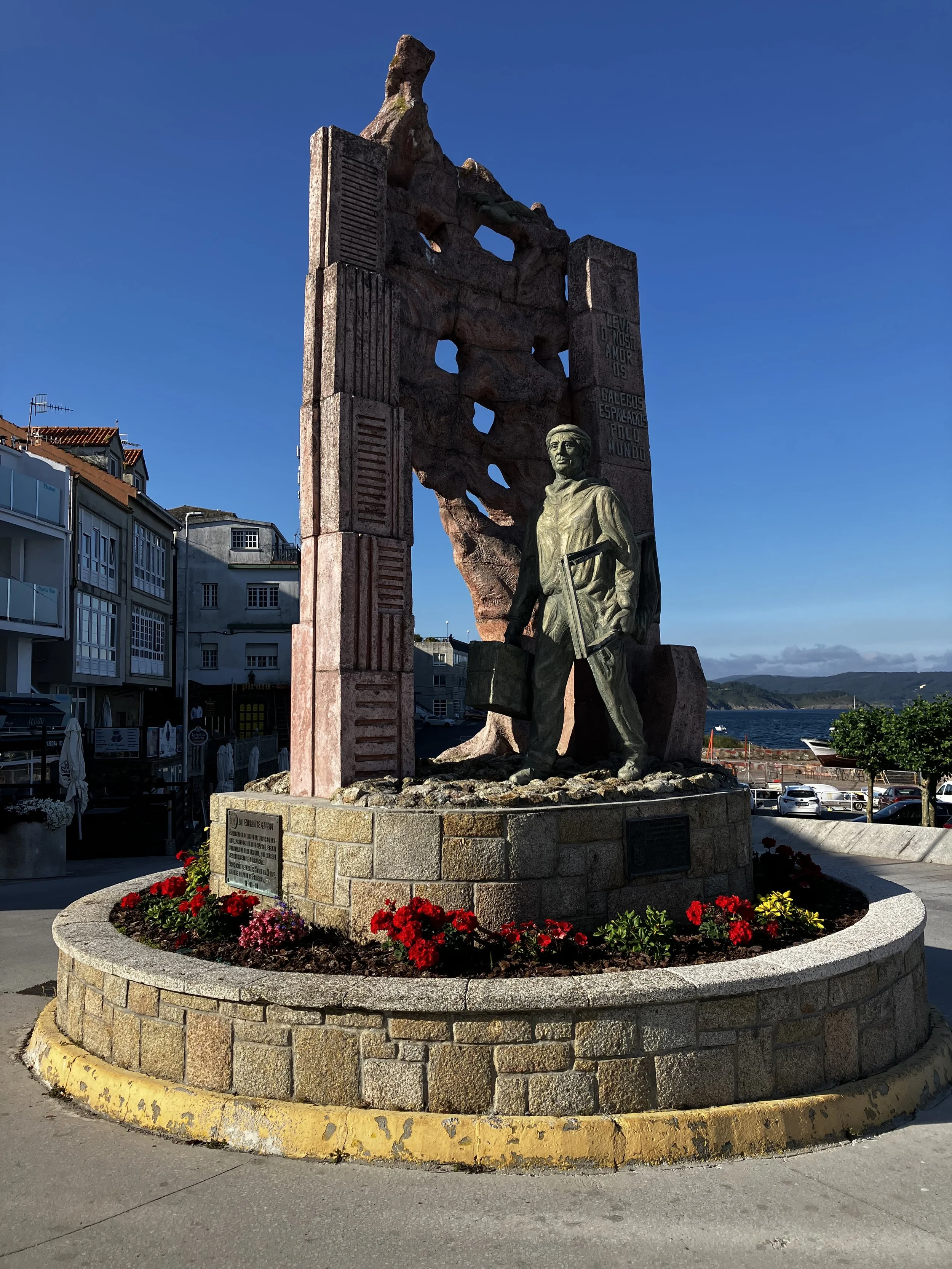
We had one more destination to reach after this as a Camino milestone, and that was Muxia or Fisterre/Finisterra, “The End of the World”.
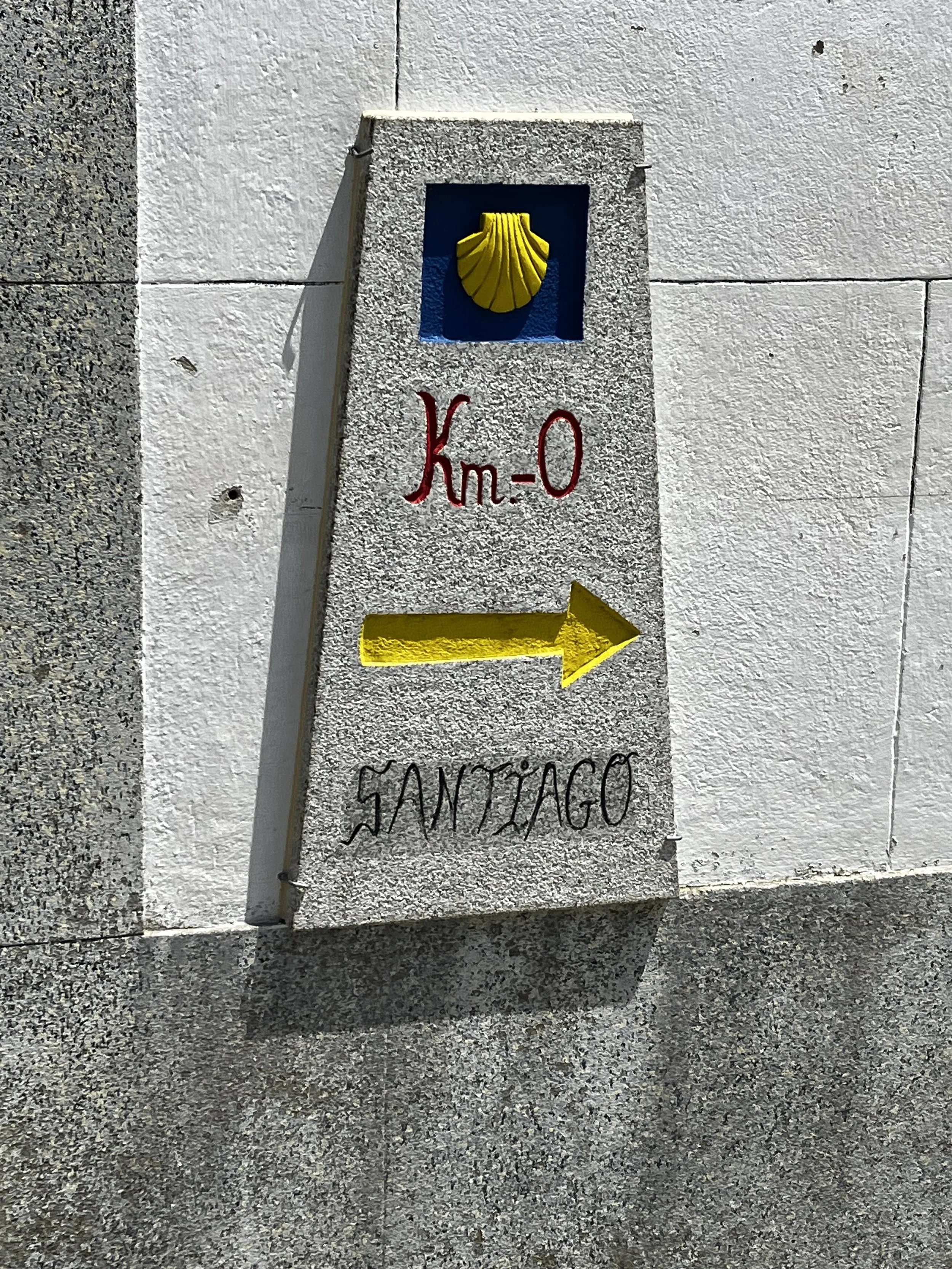
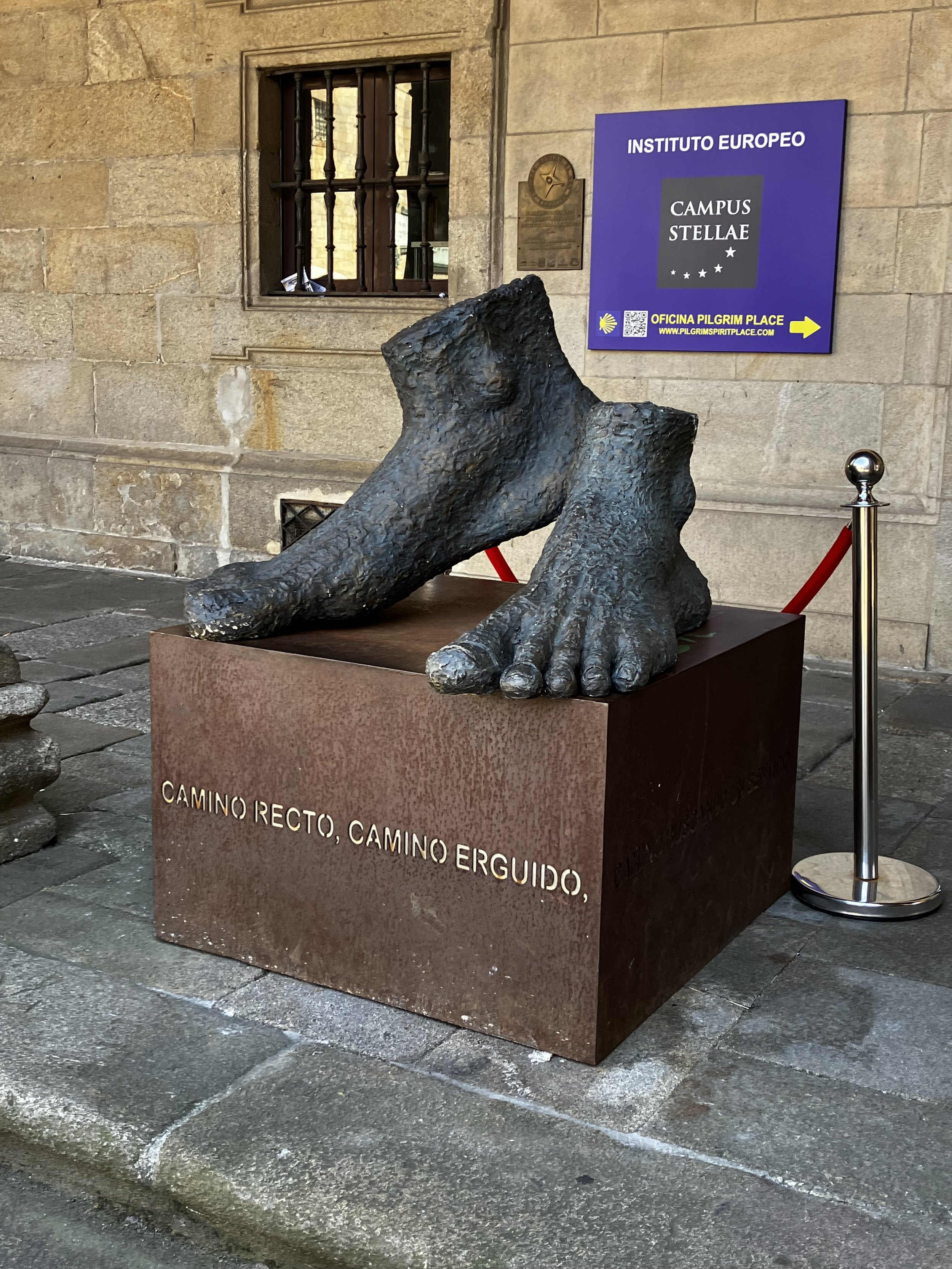
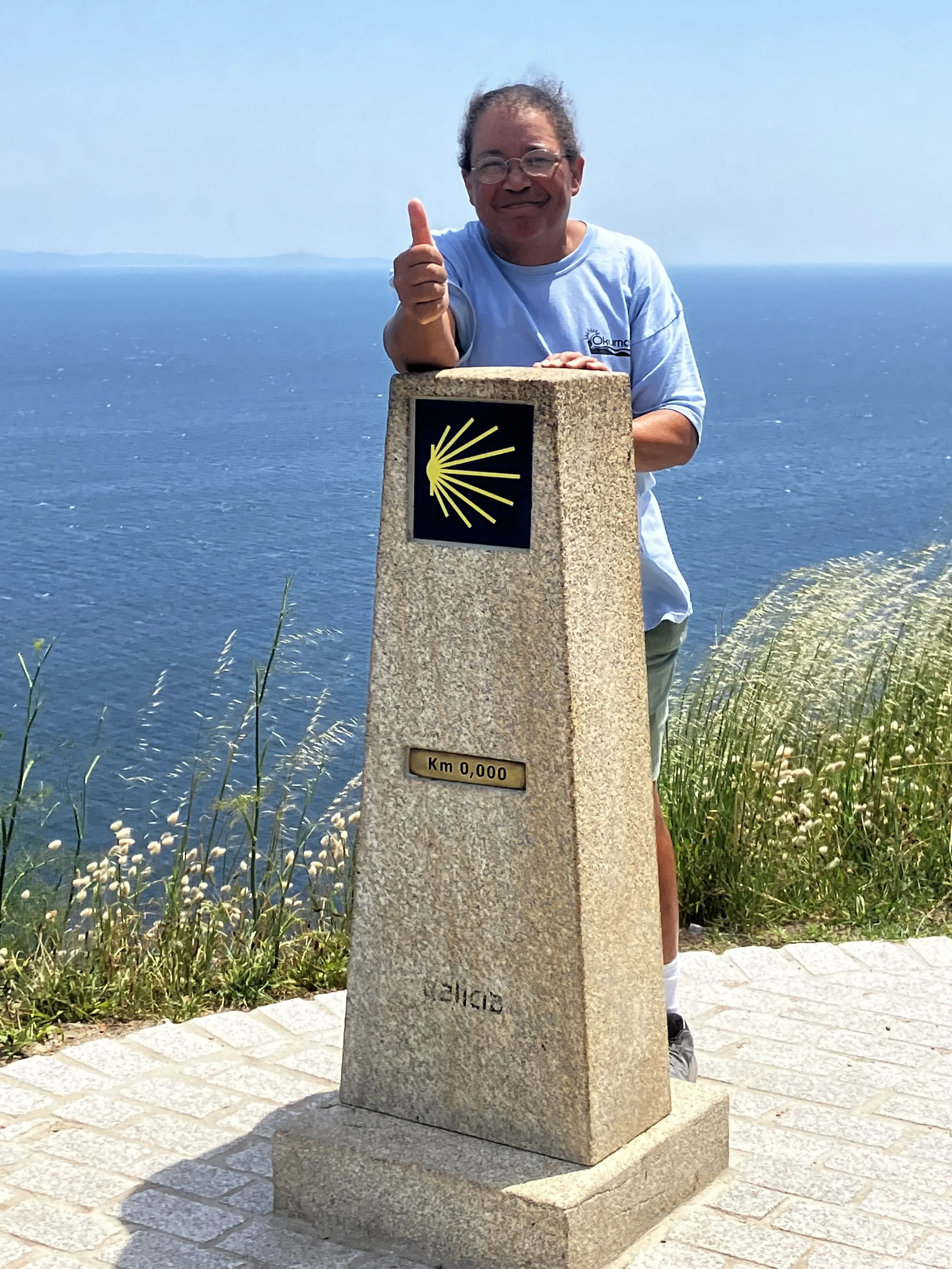
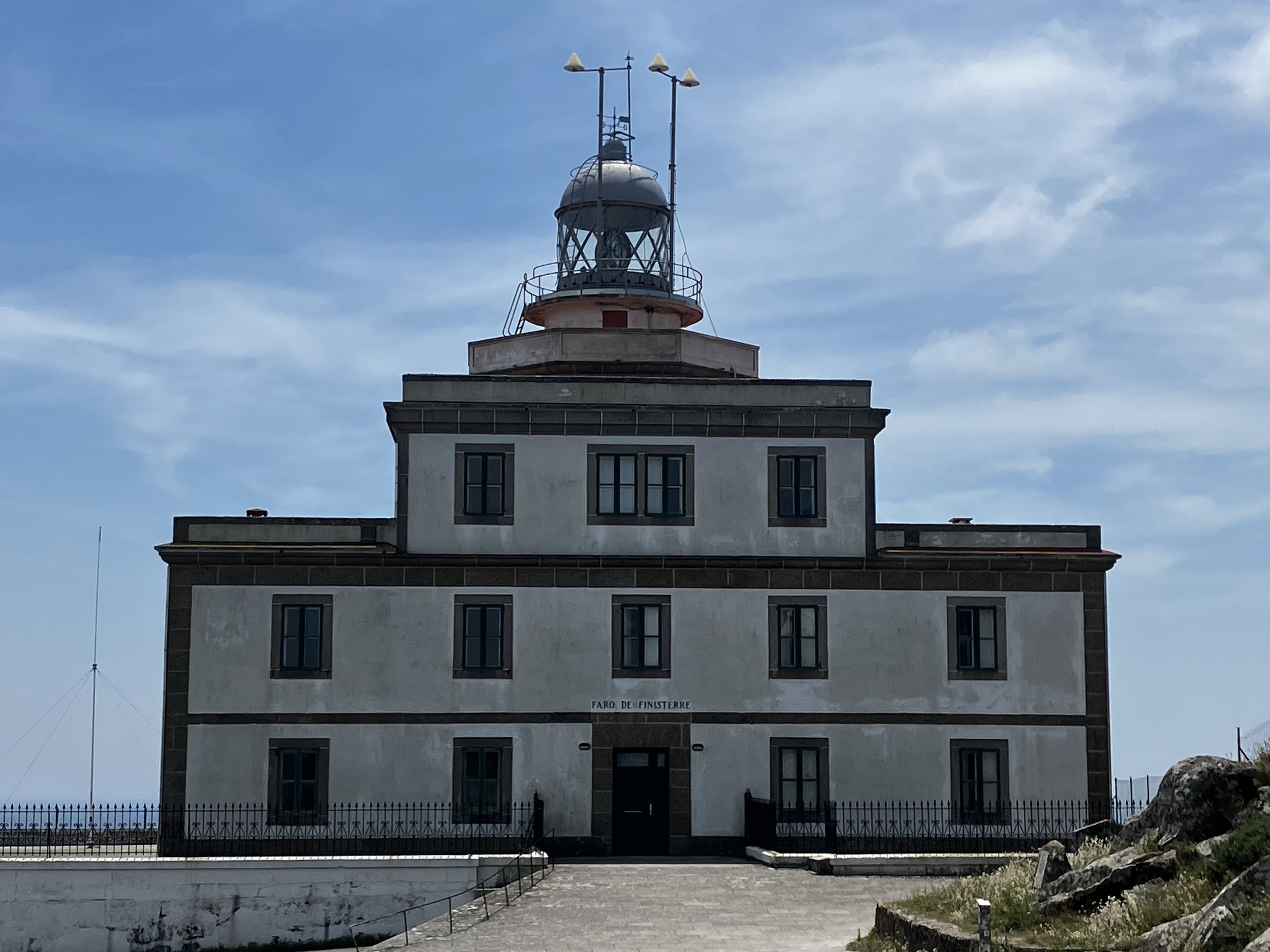
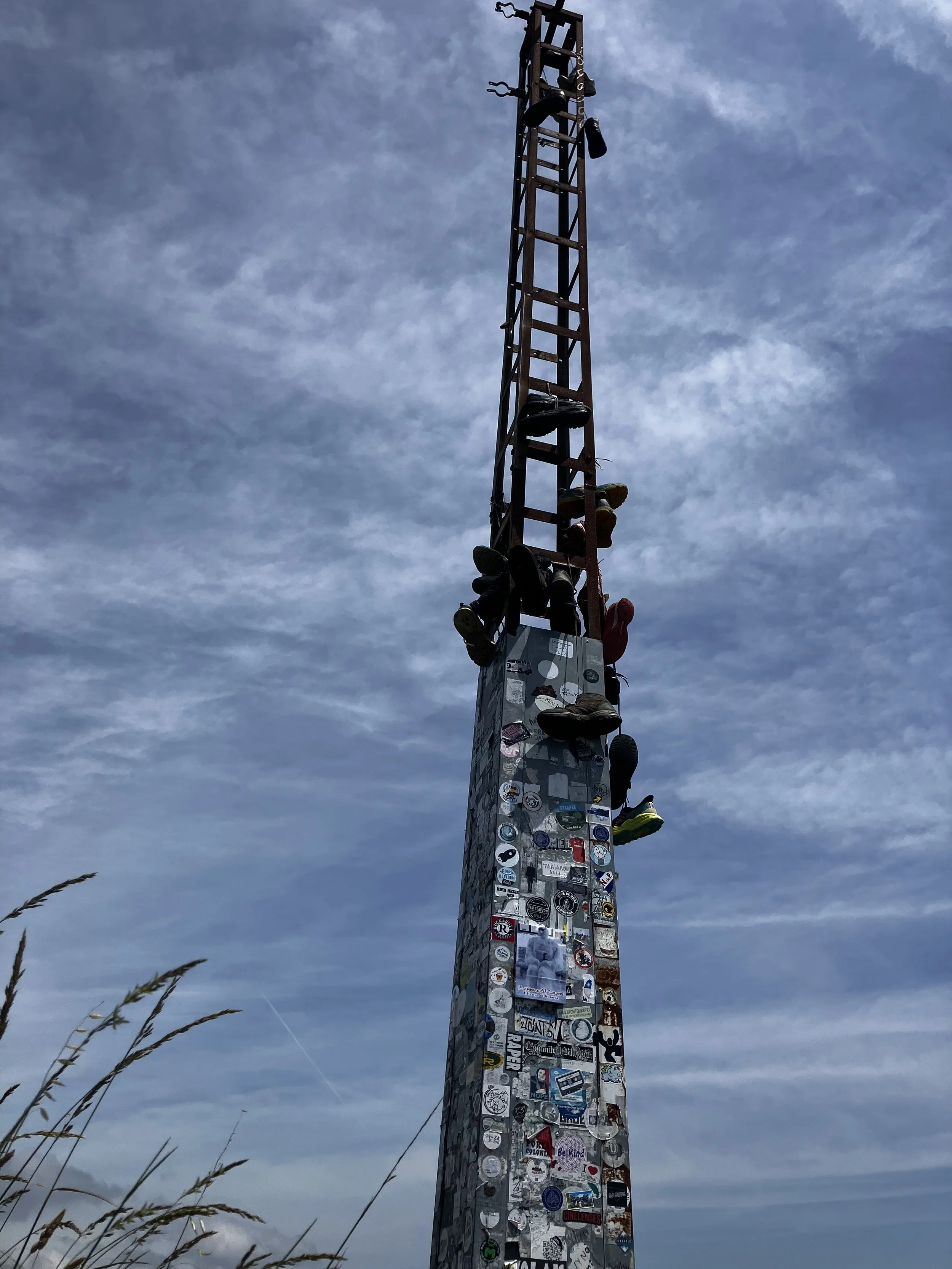
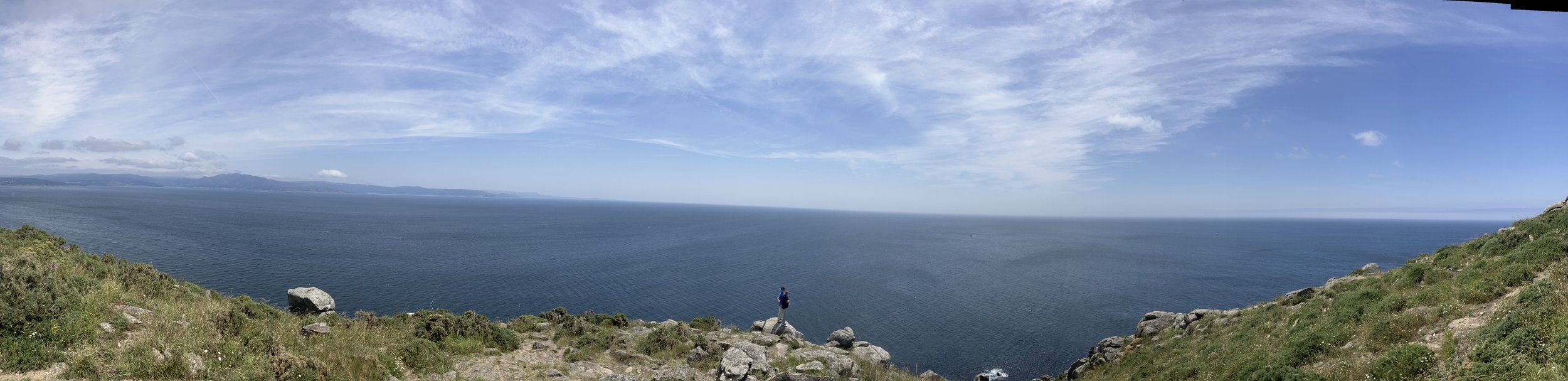
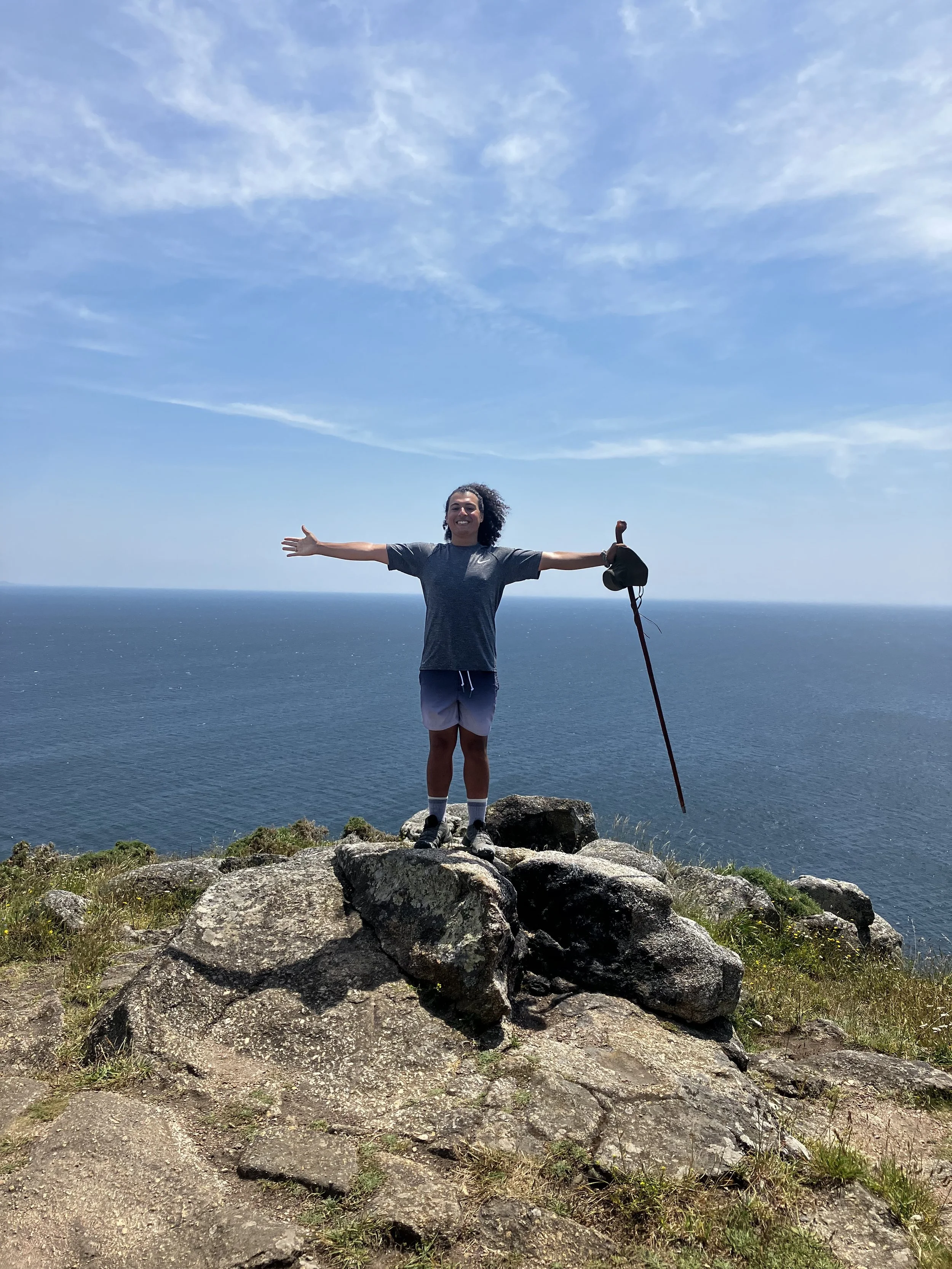
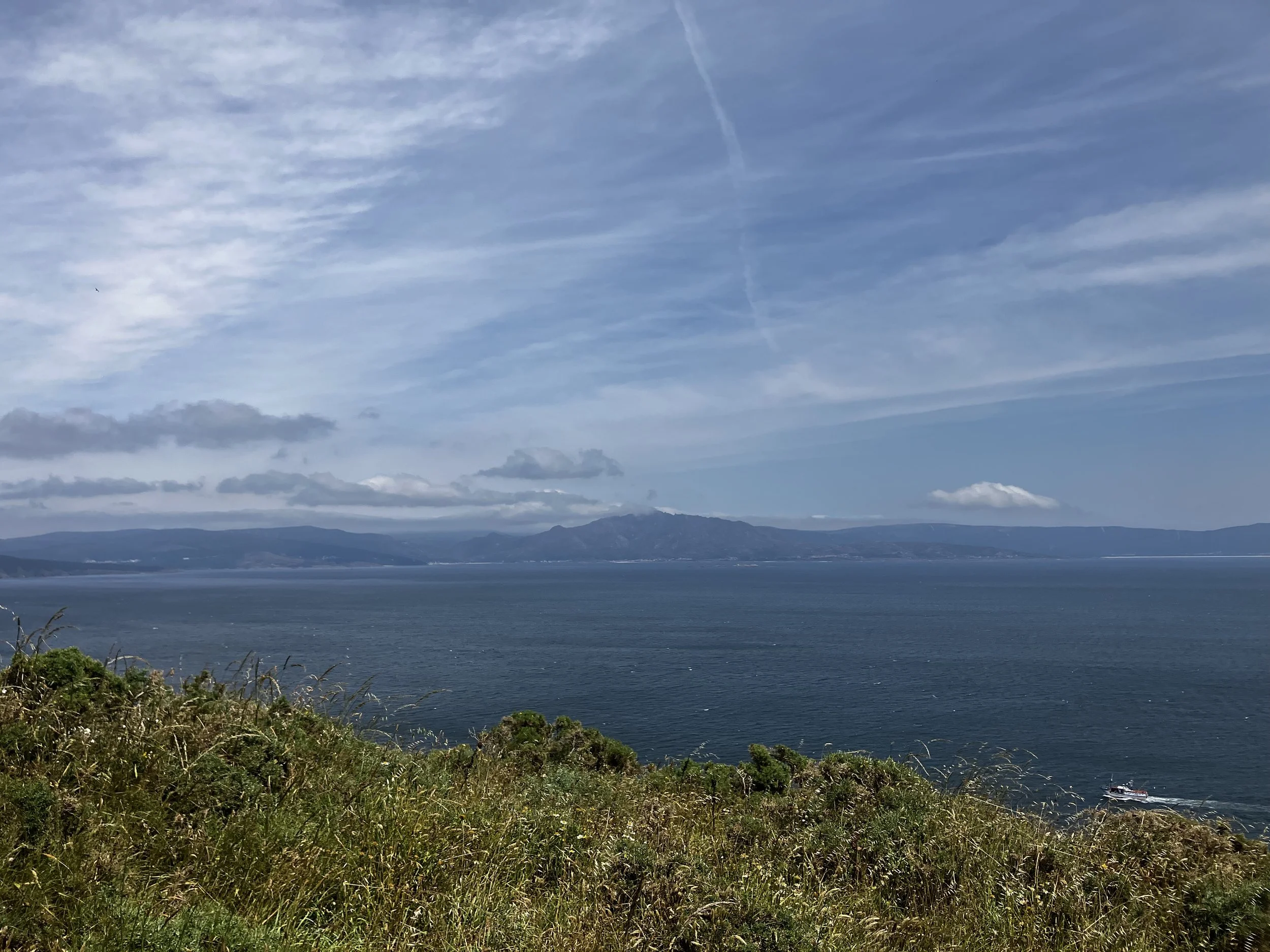
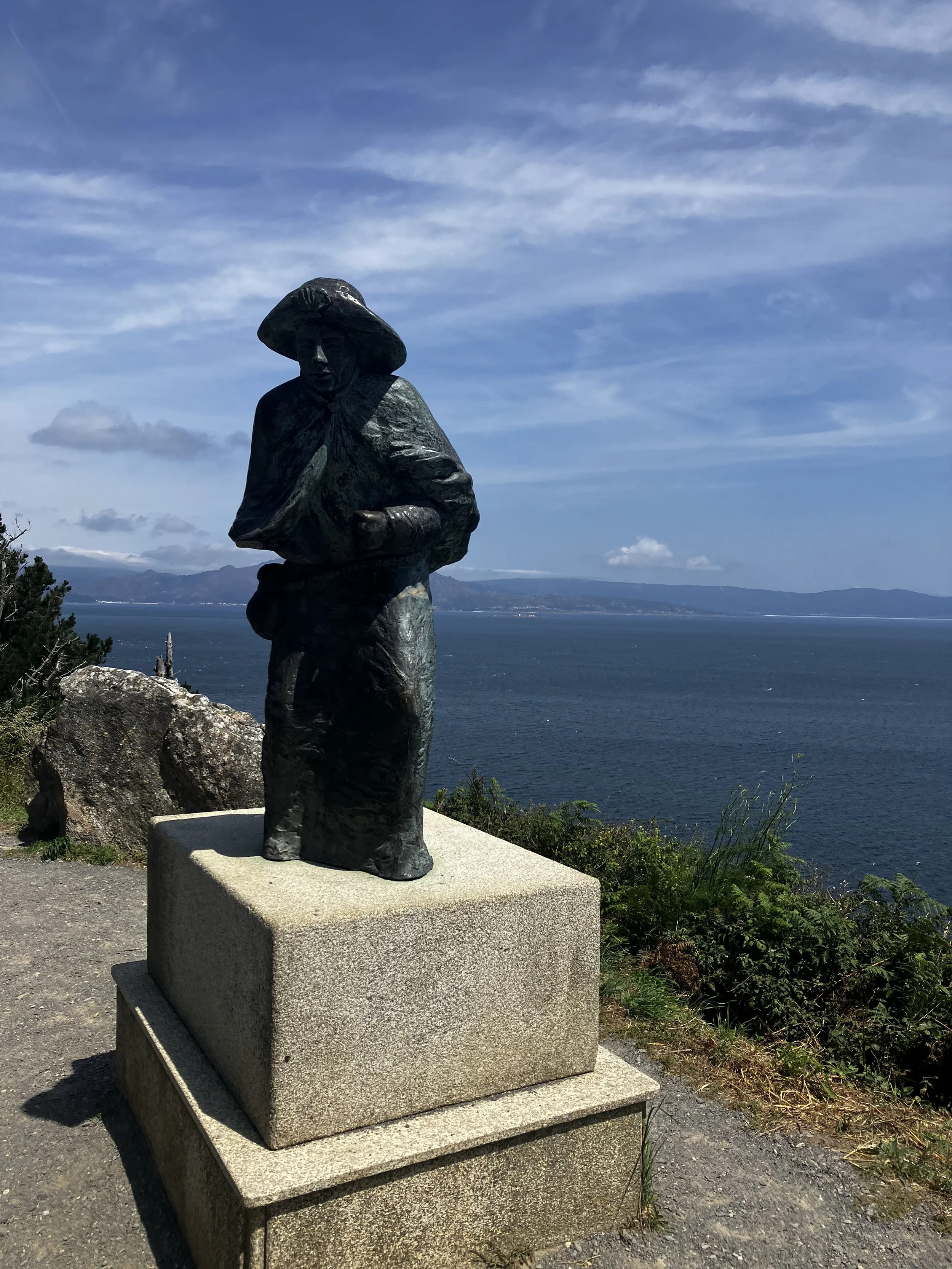
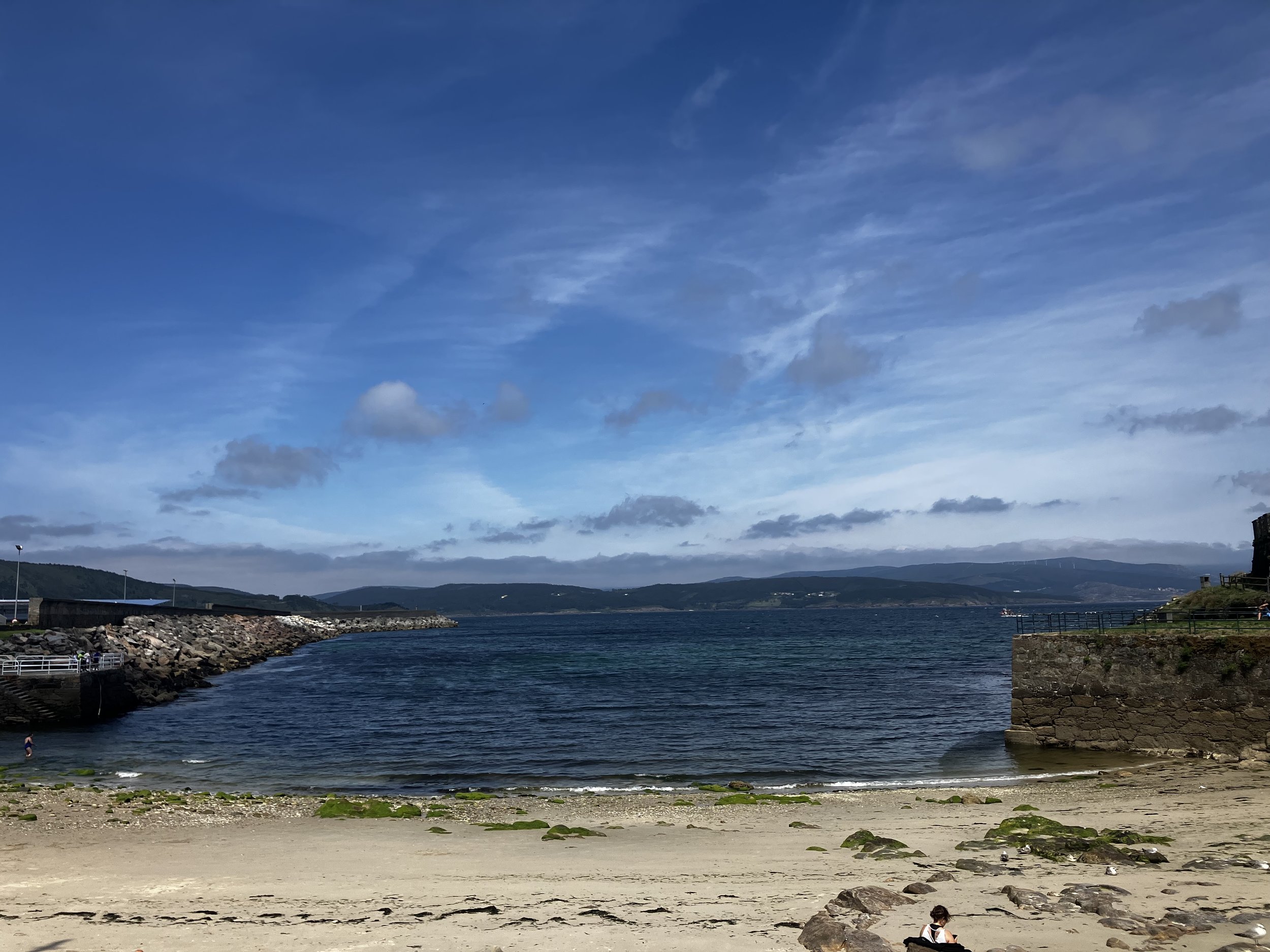
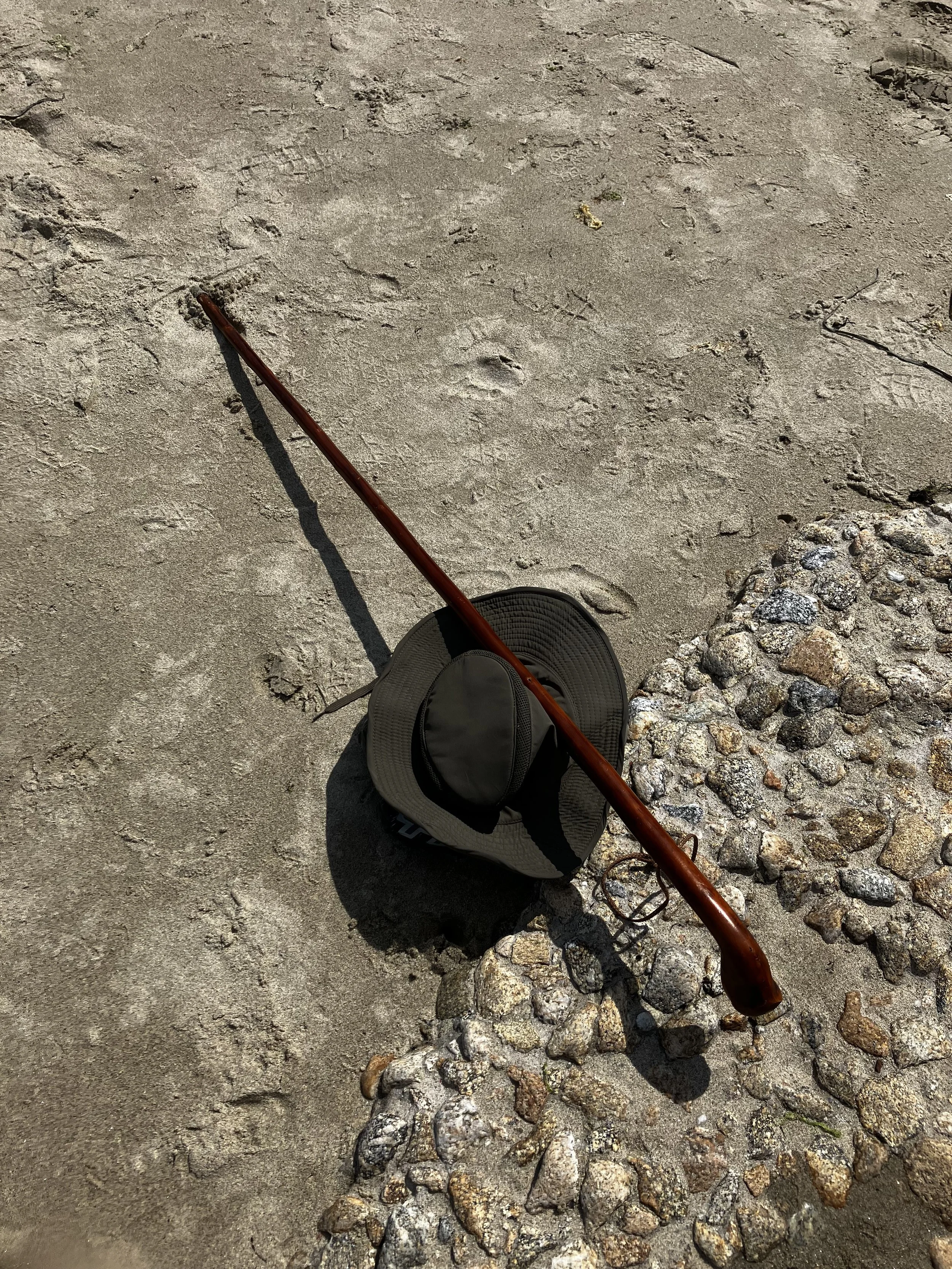
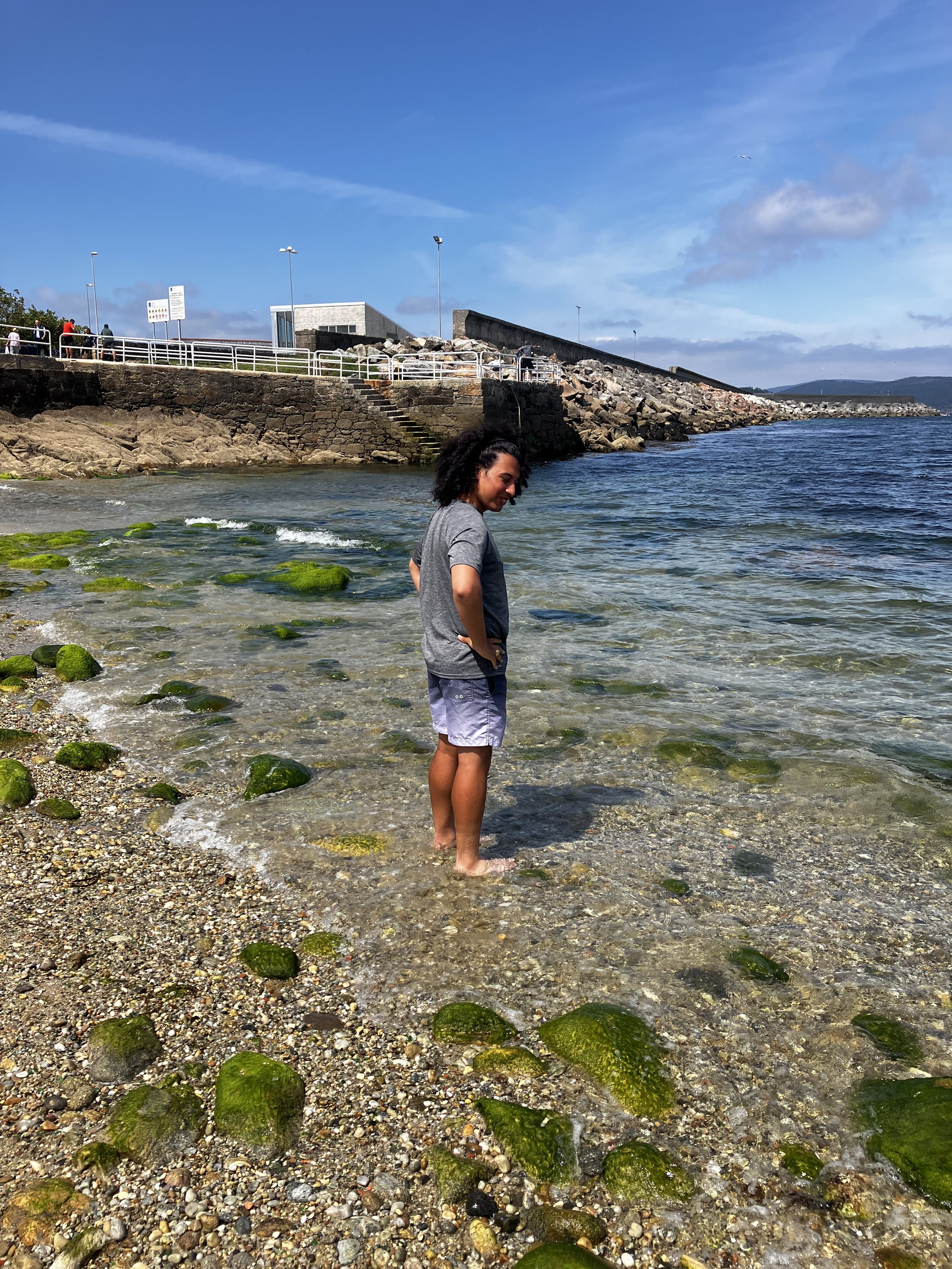
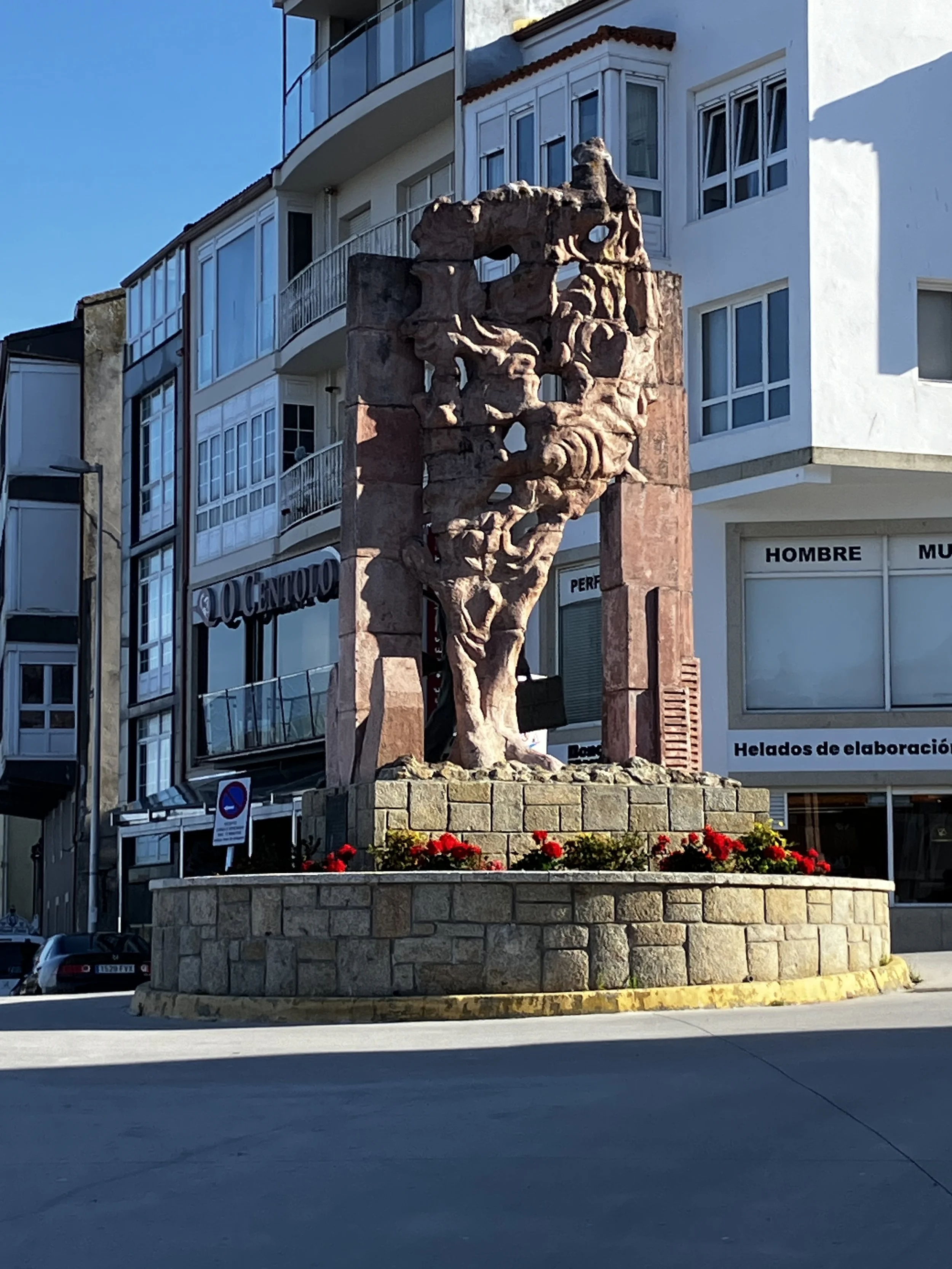
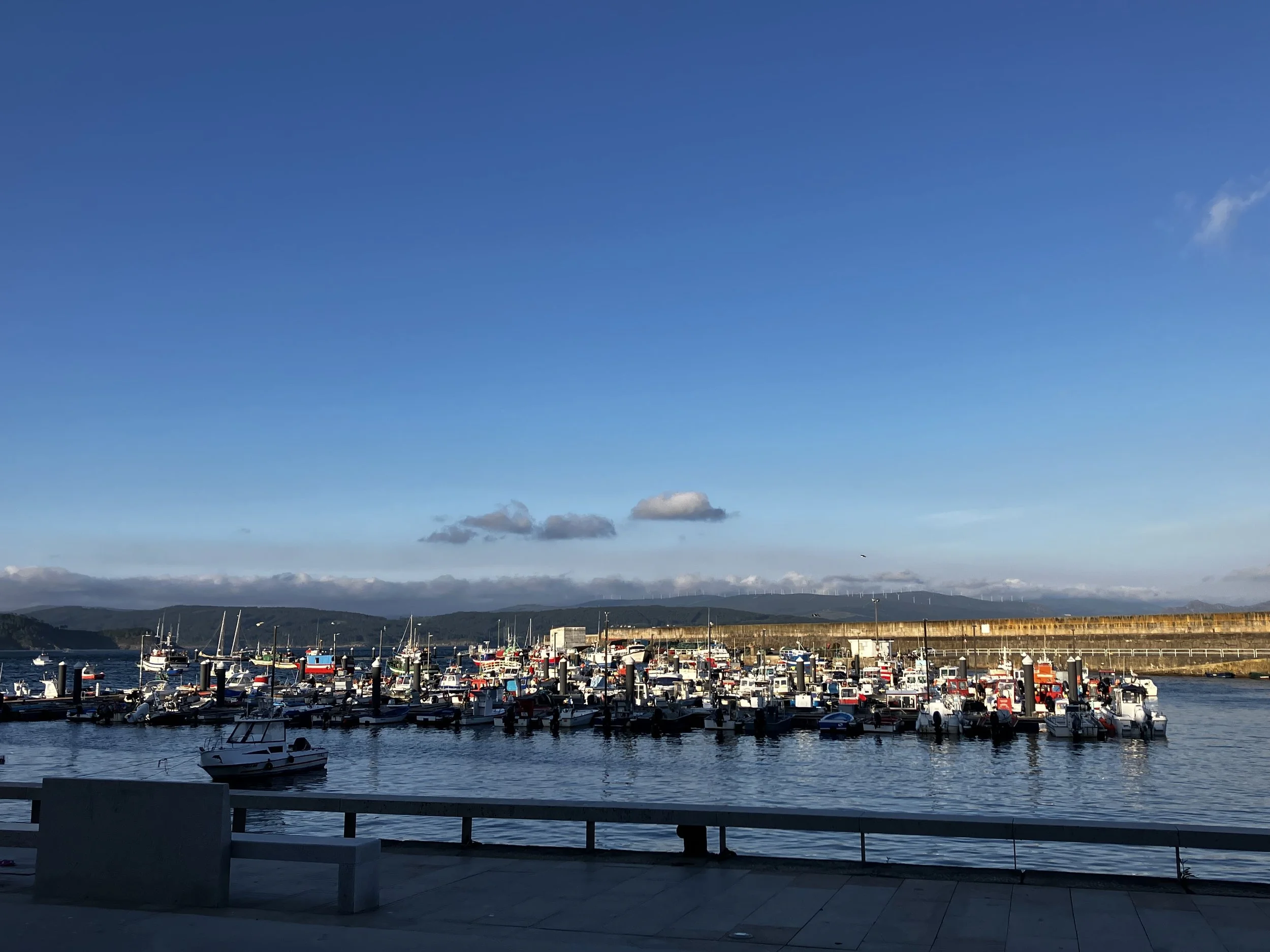
The seaside was a welcome change to the mountains and the meseta that we had to walk through on our journey to St. James. We made our way up the path to get to our true 0.00km mark, reaching the supposed “End of the World”. We saw the lighthouse, we got to the point where others customarily leave their shoes (we left ours in the American Pilgrim’s Refuge in Santiago after this) and we took a panorama of the edge of the world. Upon our return to the port, I dipped my toes in the water and let my walking stick have a rest. On we would go to Barcelona and then back to the States, Fully Stamped Pilgrims’ Passports and Official Certificates in Tow.