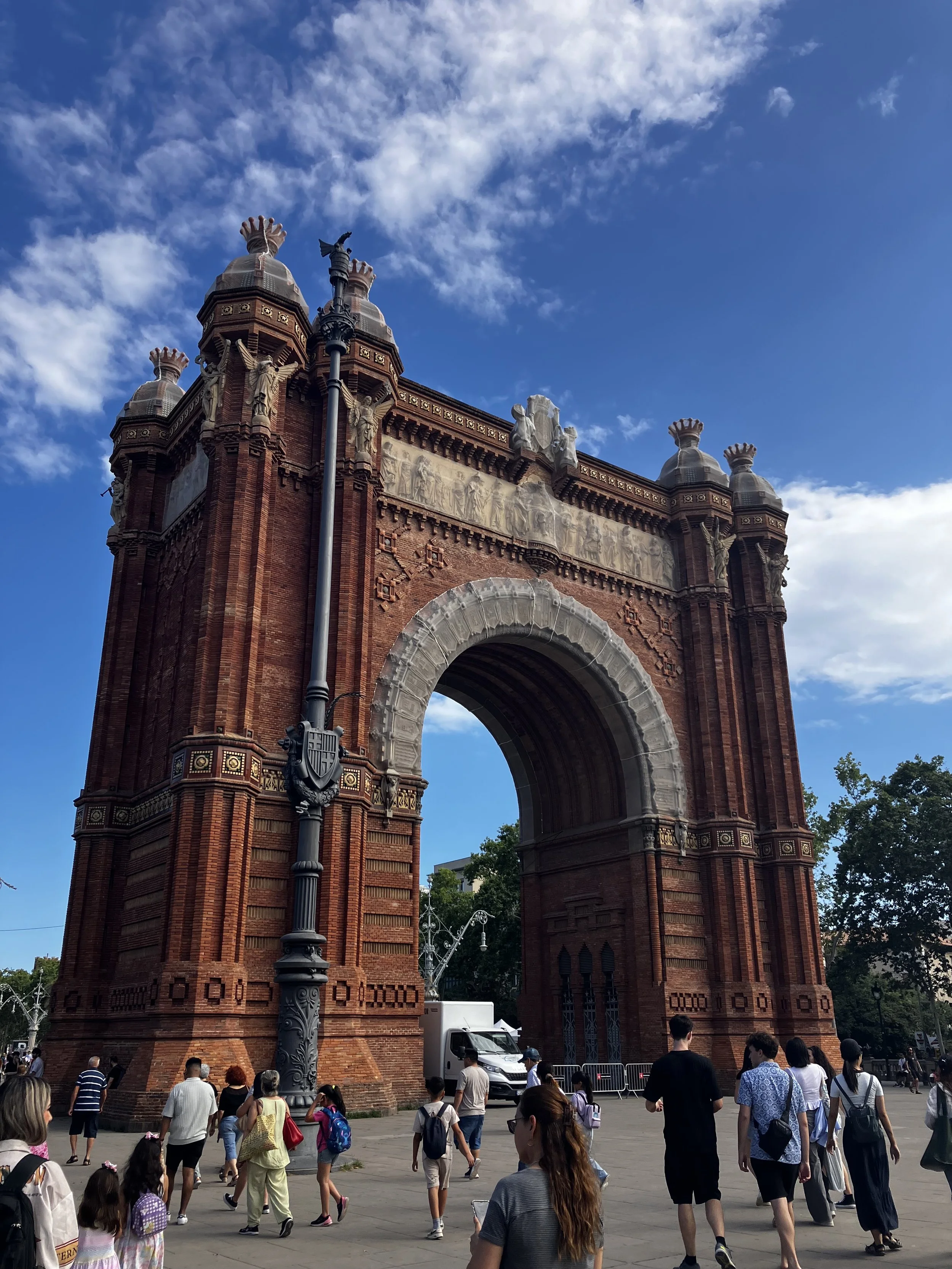
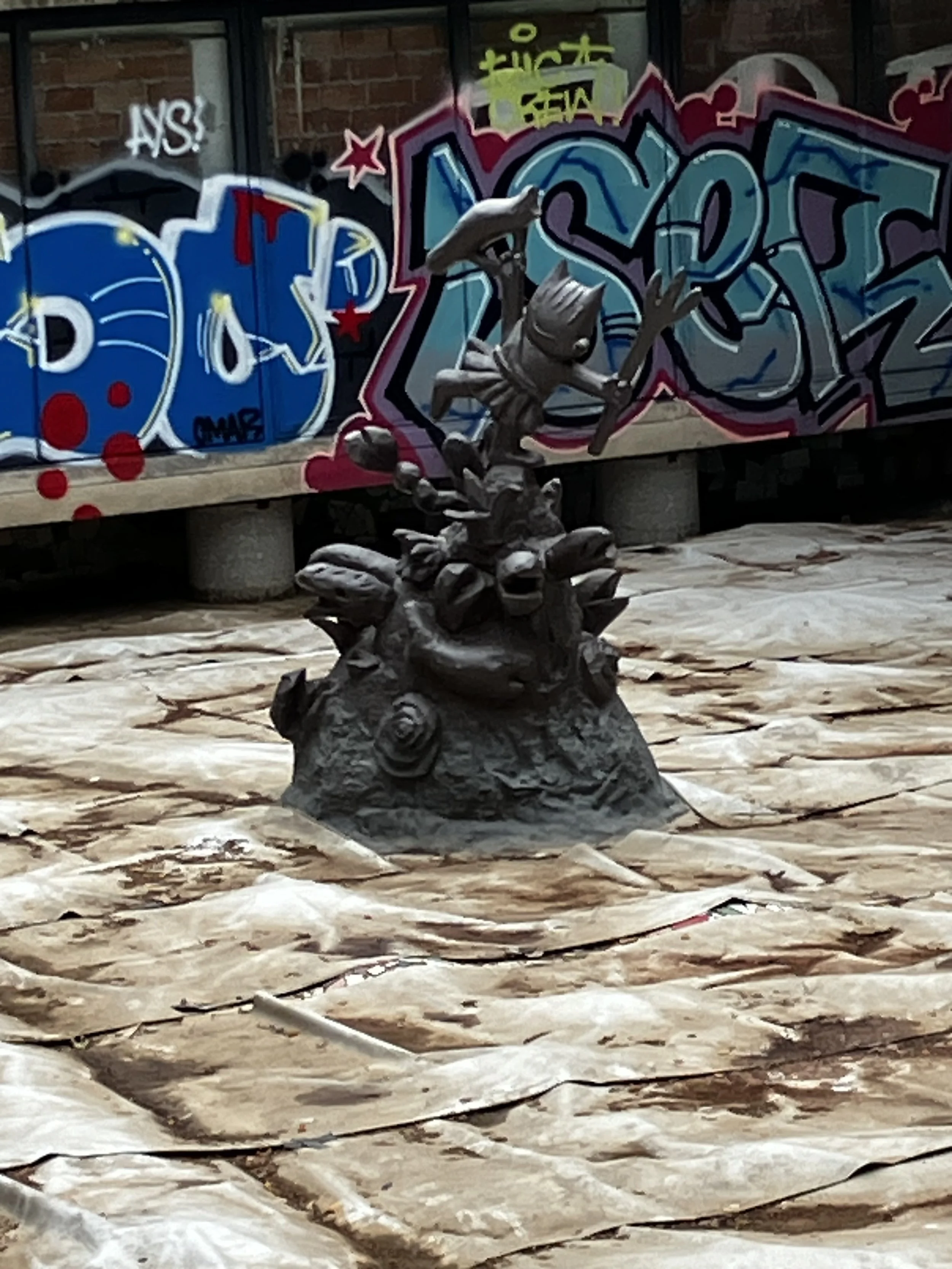
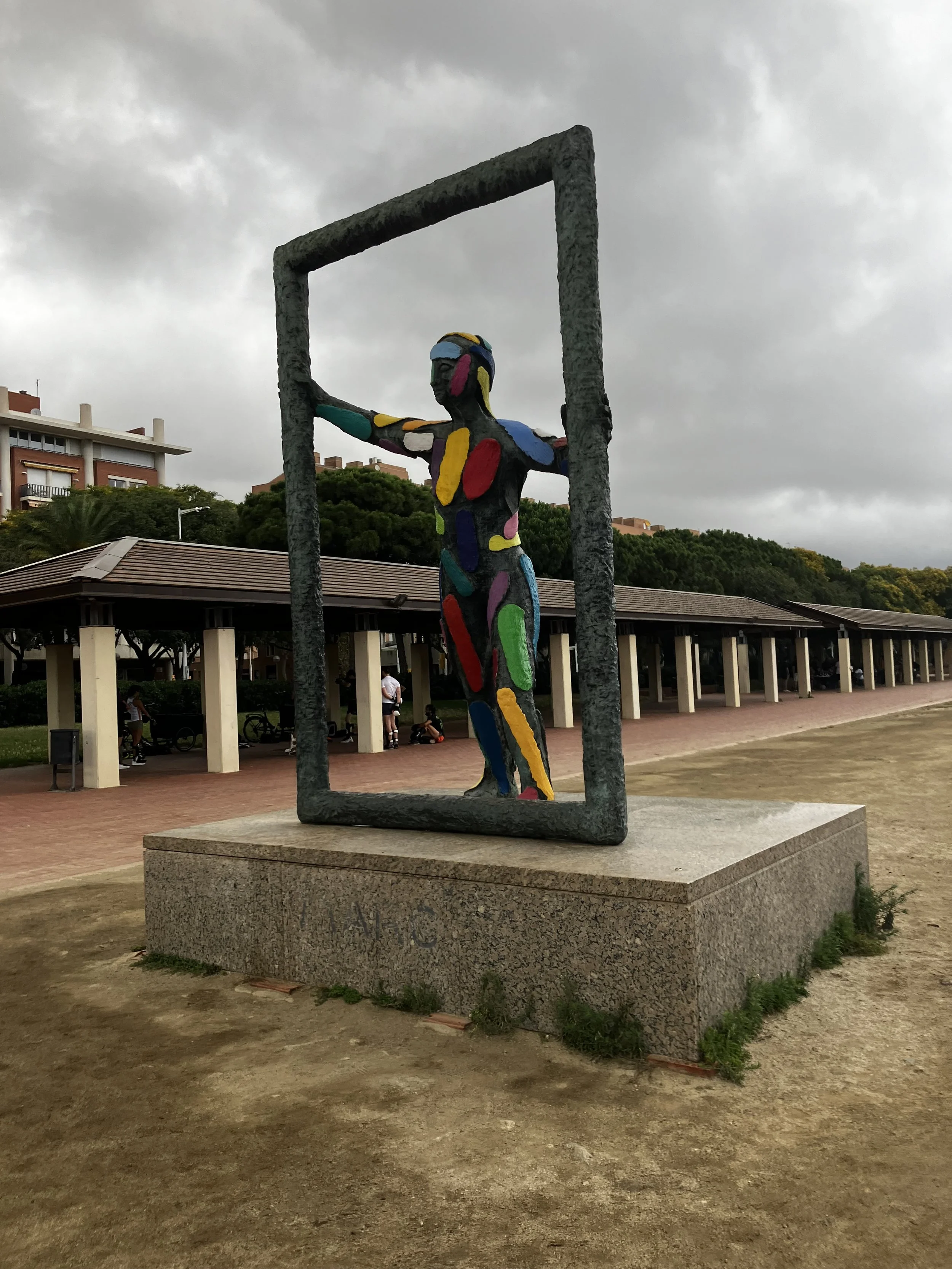
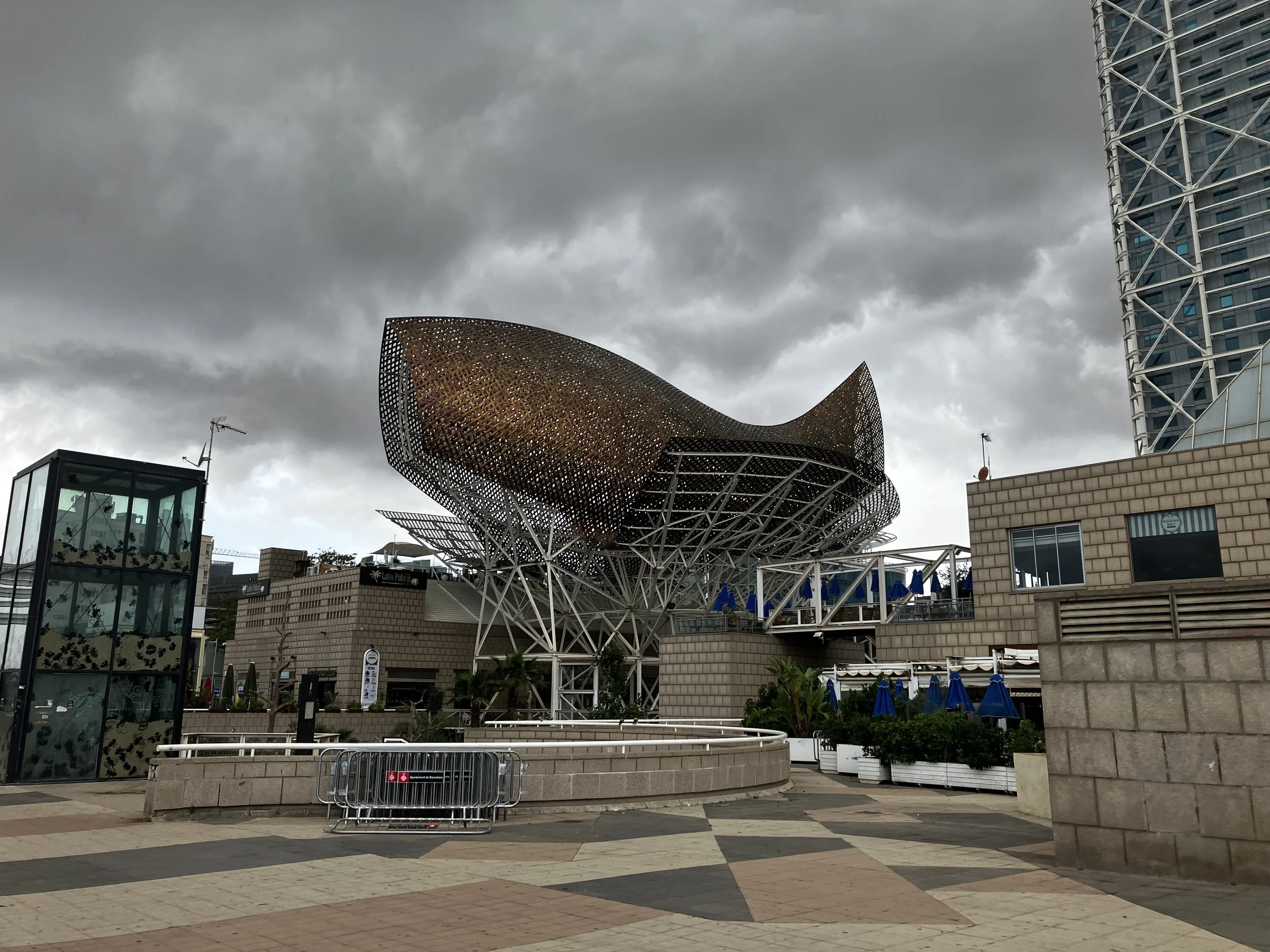
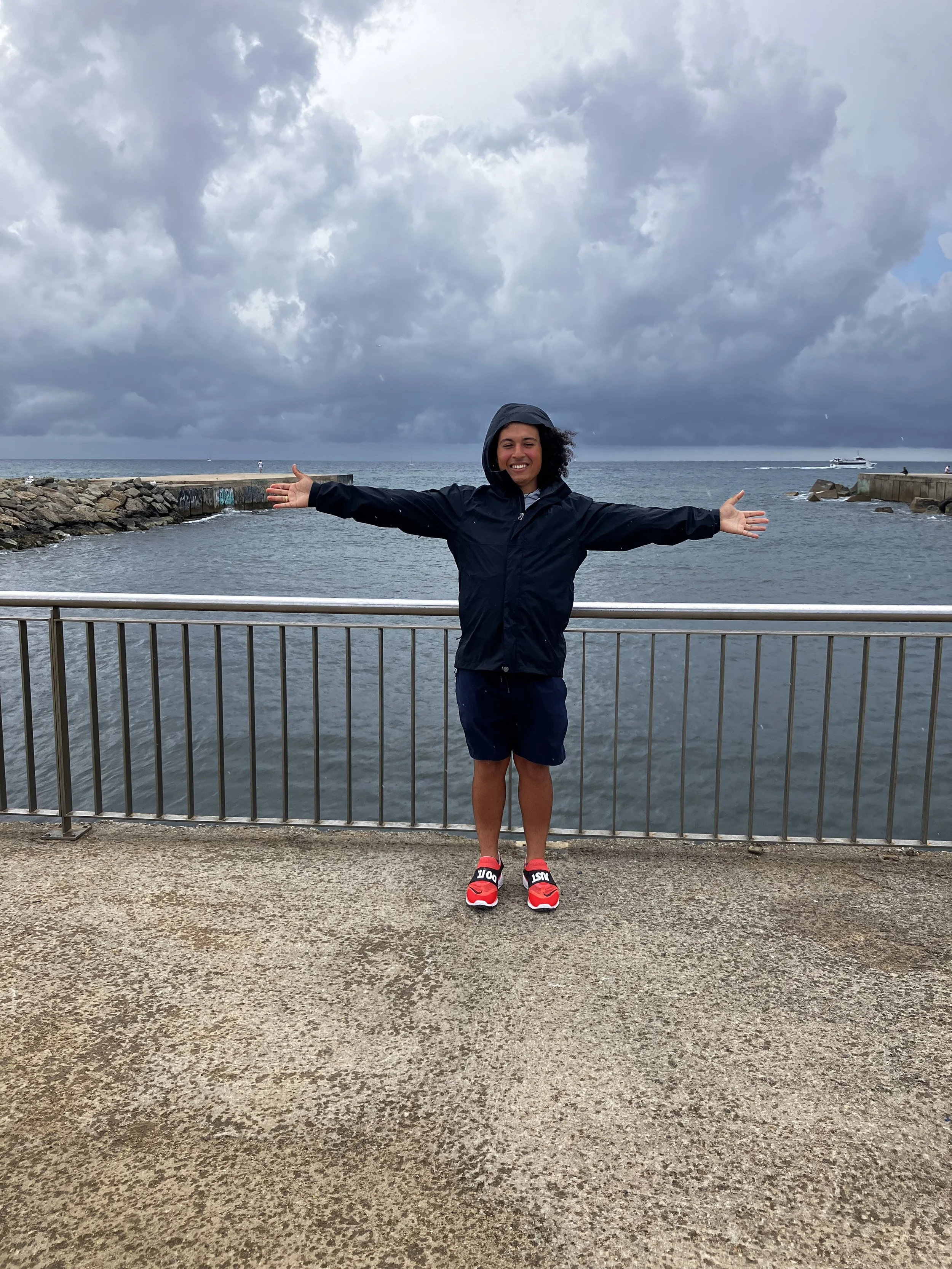
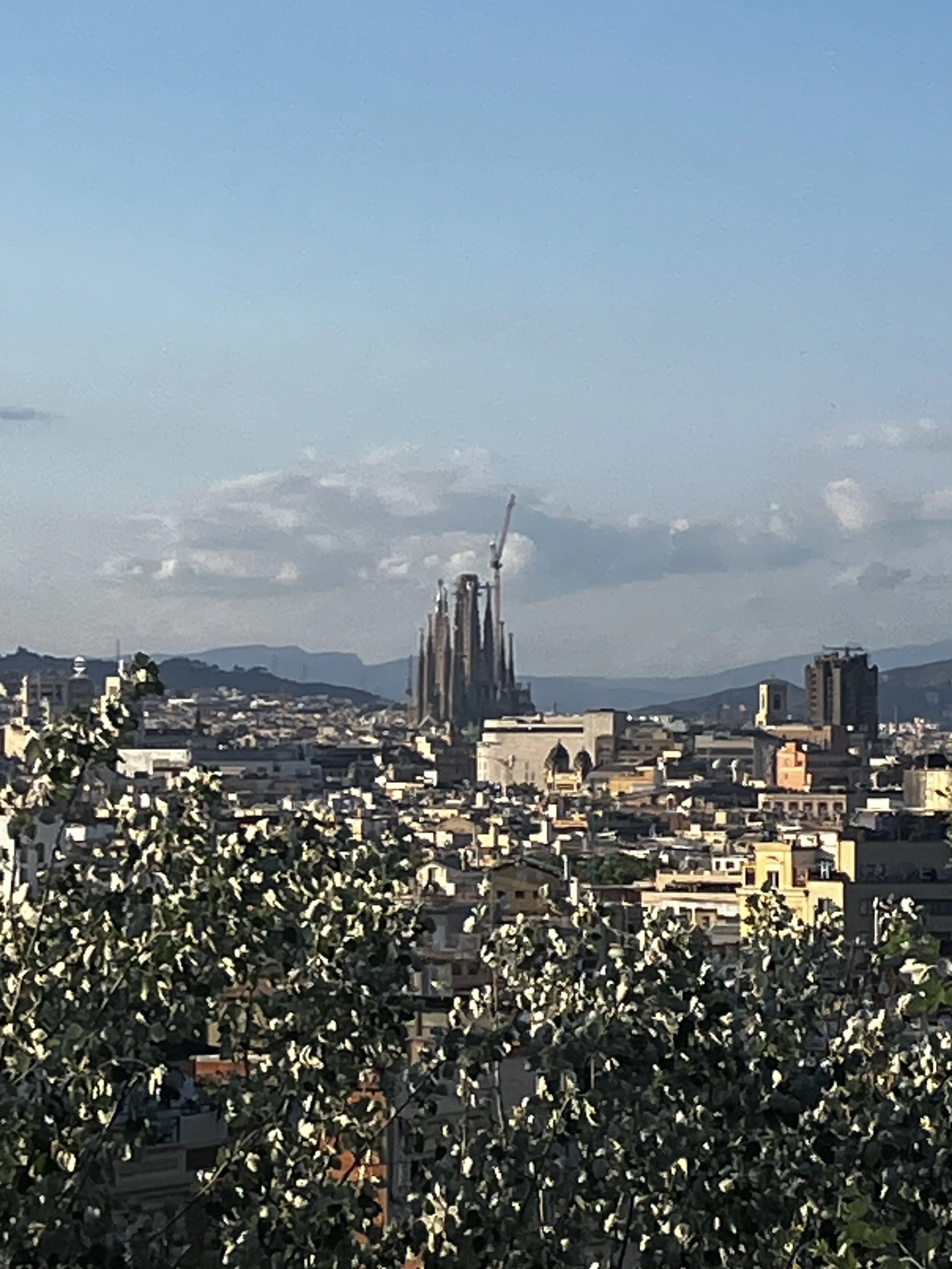
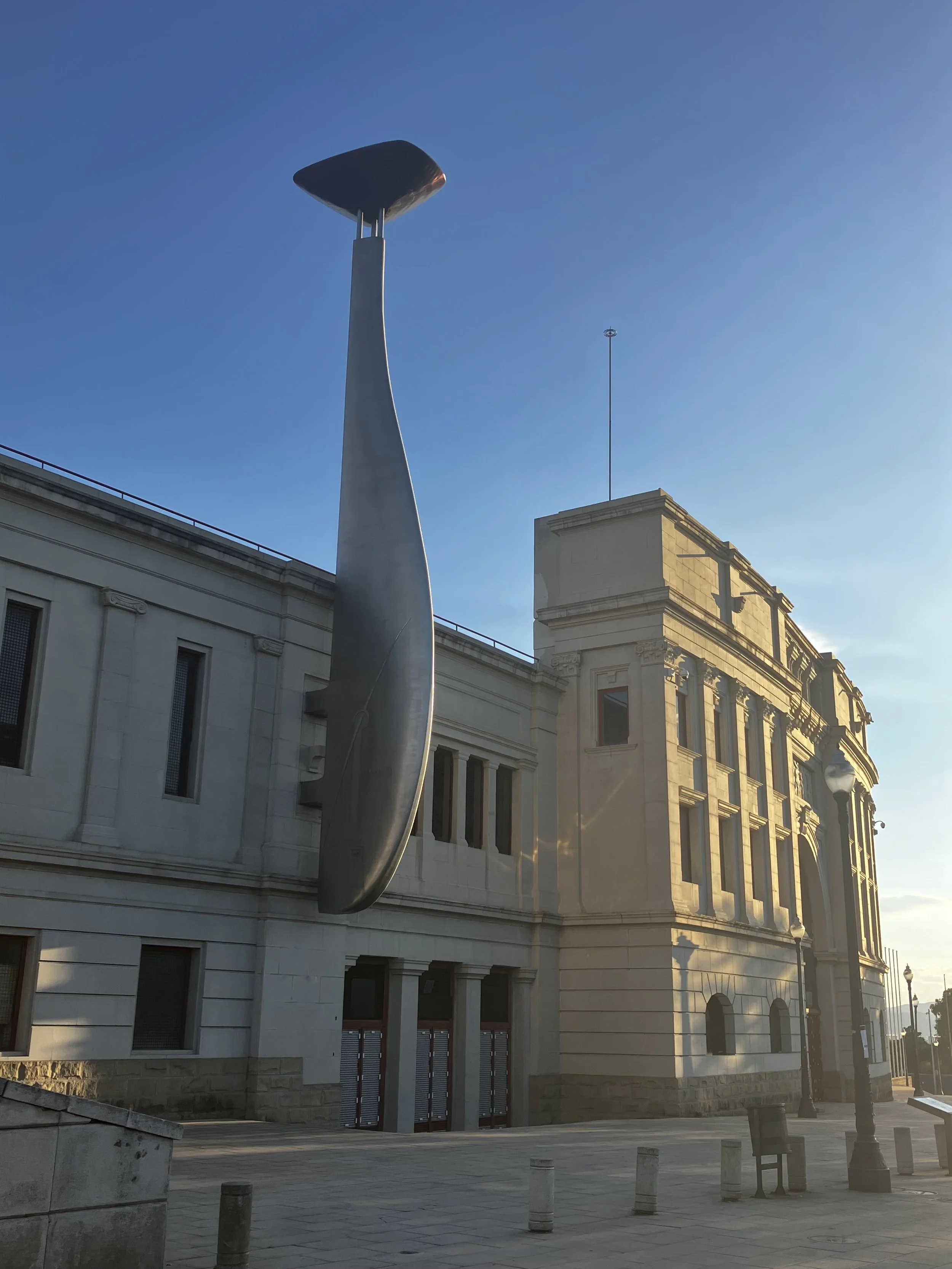
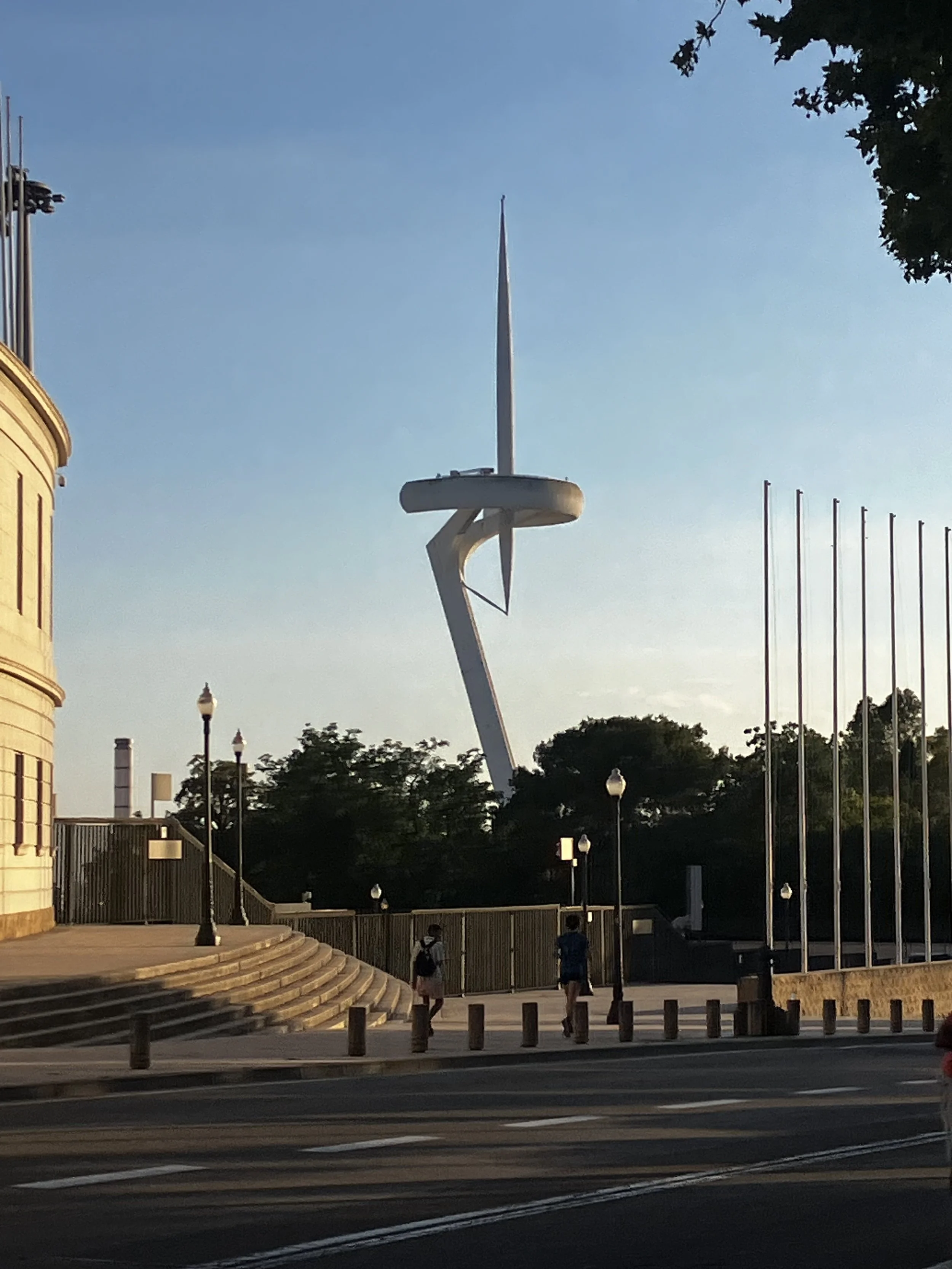
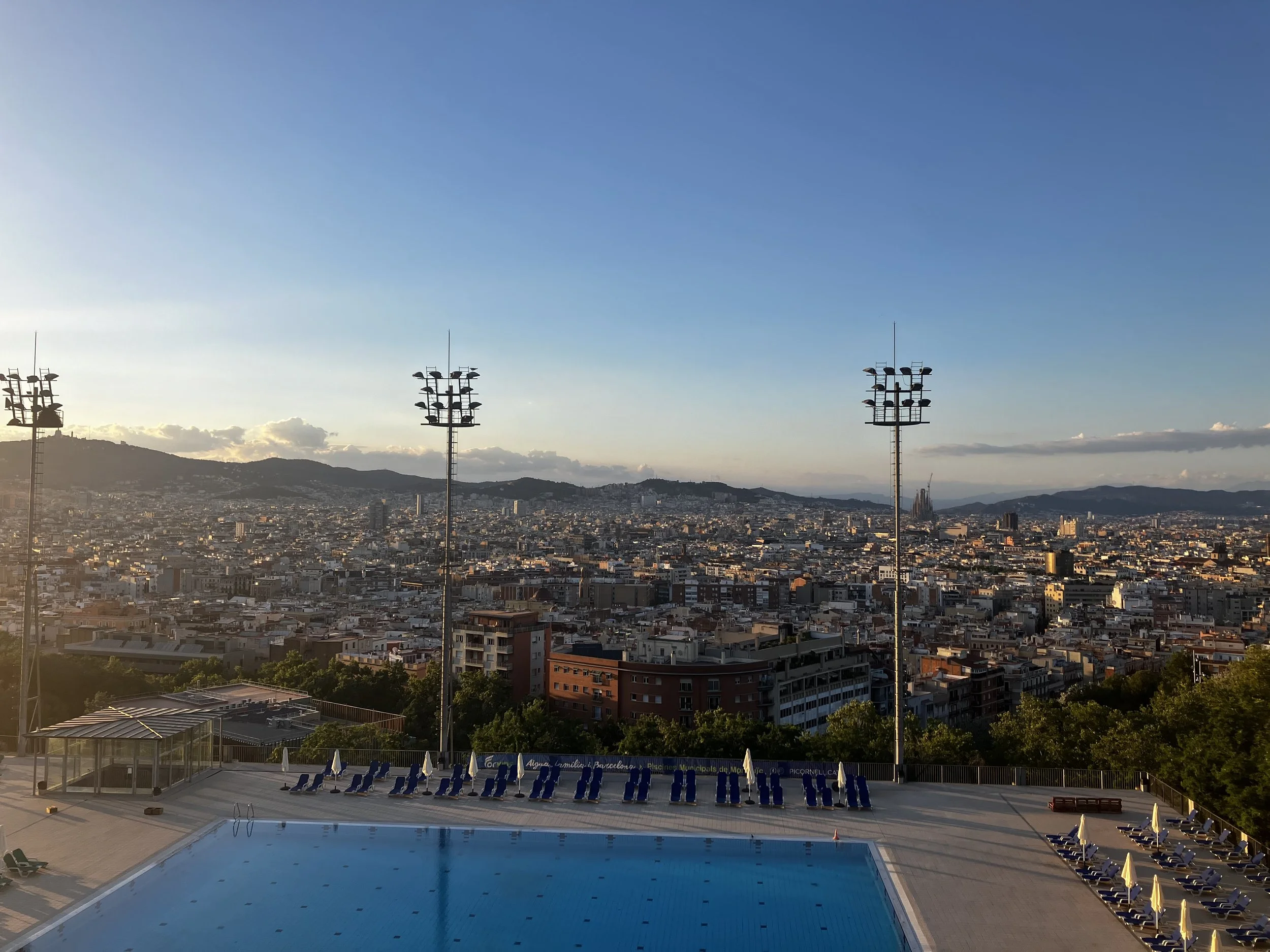
Barcelona has been a destination I have wanted to visit since well before even hearing about the Camino de Santiago. (Chalk it up to Cheetah Girls 2 premiering in 2006 and the song “Strut” being the spark to years of wishing to make the visit happen, which is ironic considering Parc Guell was one of Gaudi’s spots we didn’t have time to visit, but there’s always next time) The other reason for wanting to visit was that I felt it was owed to me for the way the world worked in 2020/2021. Prior to the Pandemic, Texas A&M Architecture was known to have study abroad take place during Junior year, either for a semester here in Barcelona at the BAC (Architecture College of Barcelona) or in Florence Italy. That didn’t happen as the world shut down, with Architecture being one of the last schools to eventually back out of sending us abroad, a stab in my traveler’s heart to be sure. But arriving here I still went to the site of our virtual study abroad project in Barceloneta, I got to stand in front of the BAC, and I got to experience the Eixample Plan as we went around the city, mimicking what it would’ve been like had I gotten the chance to be there as a student. We also saw the 1992 Olympic Village with Coby the Cat, as well as the Torch and Stadium atop Montjuic, watching the sunset from the high-diving platform with La Sagrada Familia visible on the skyline.
What Study Abroad Could’ve Been
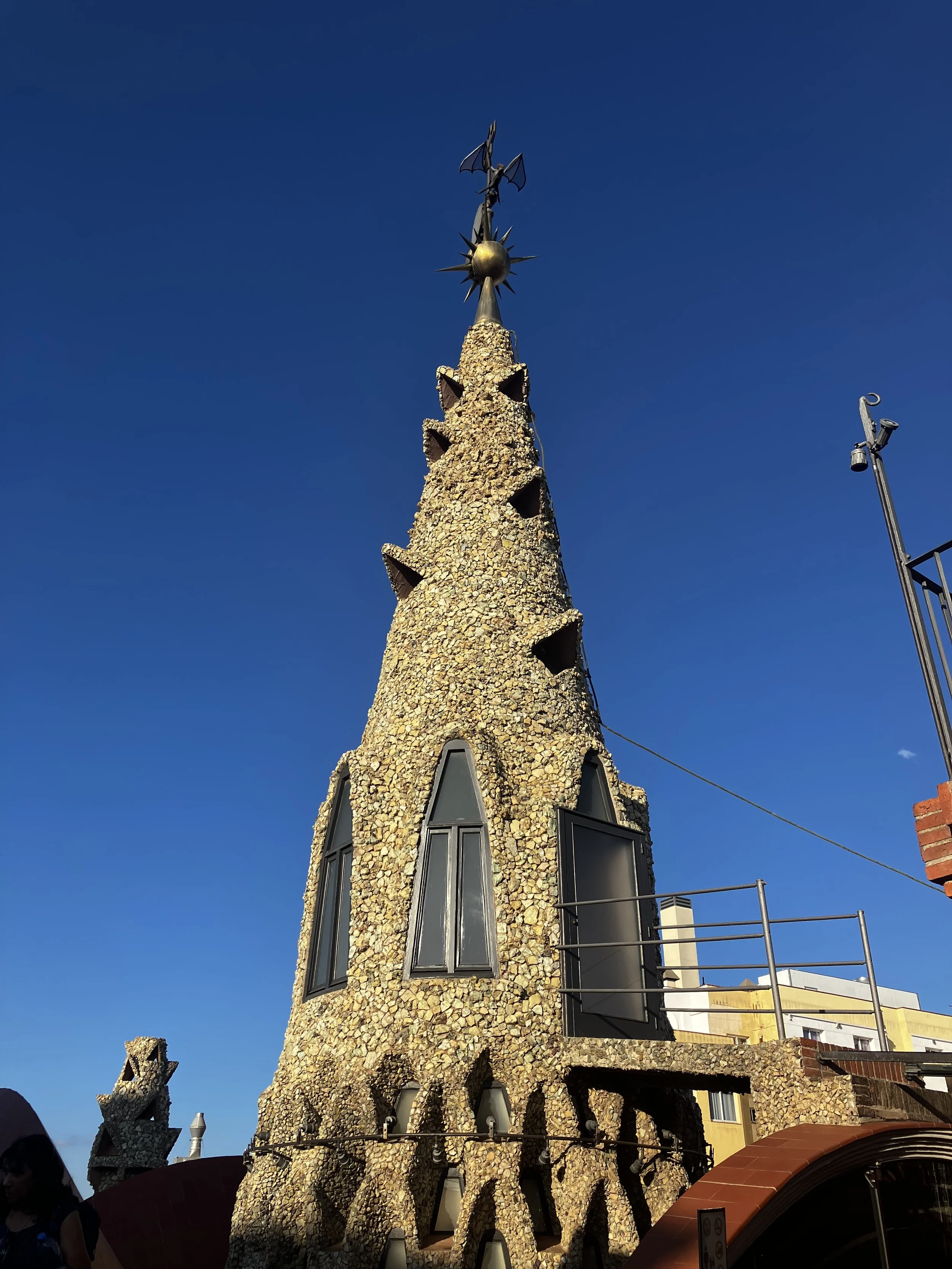
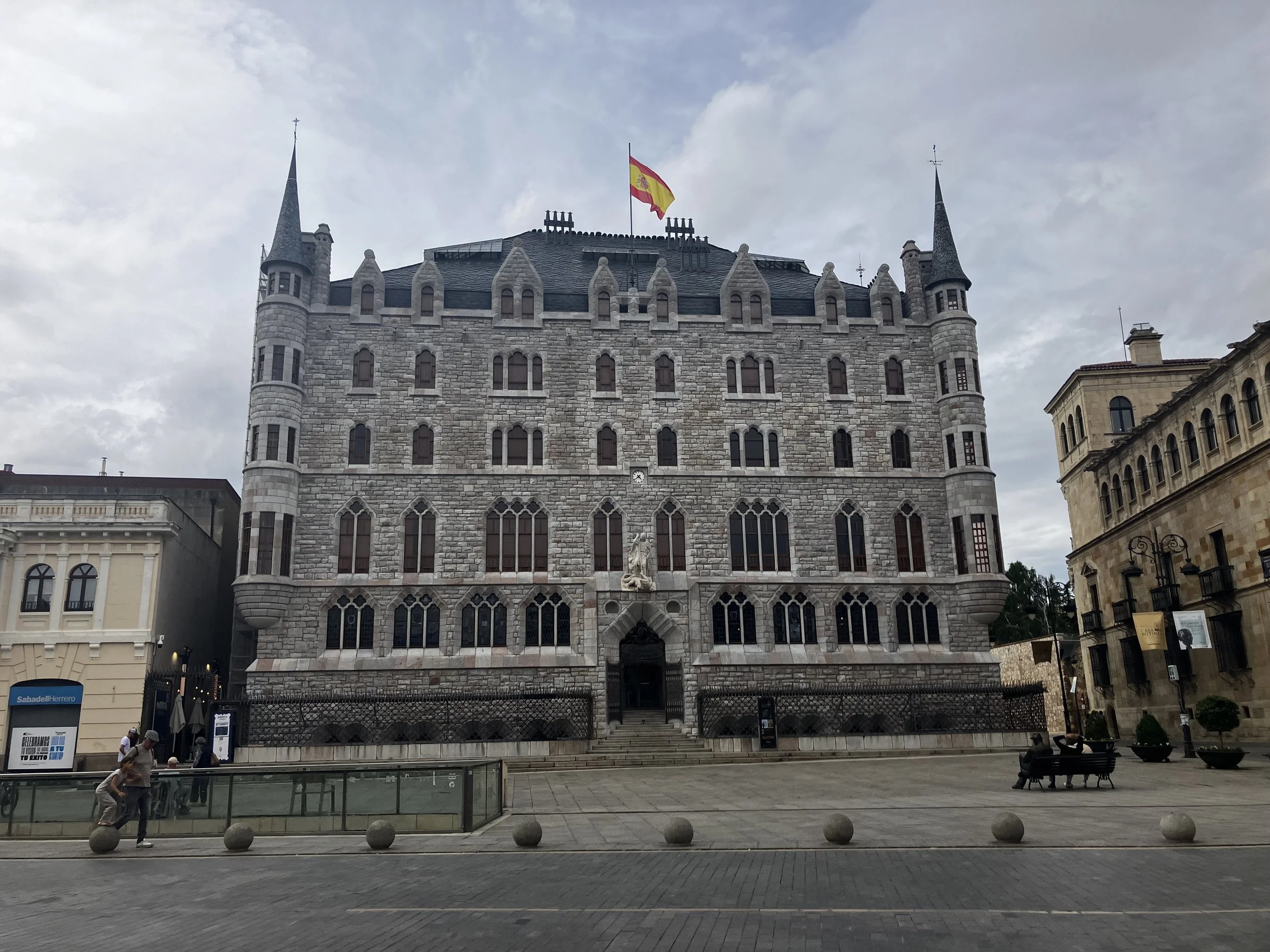
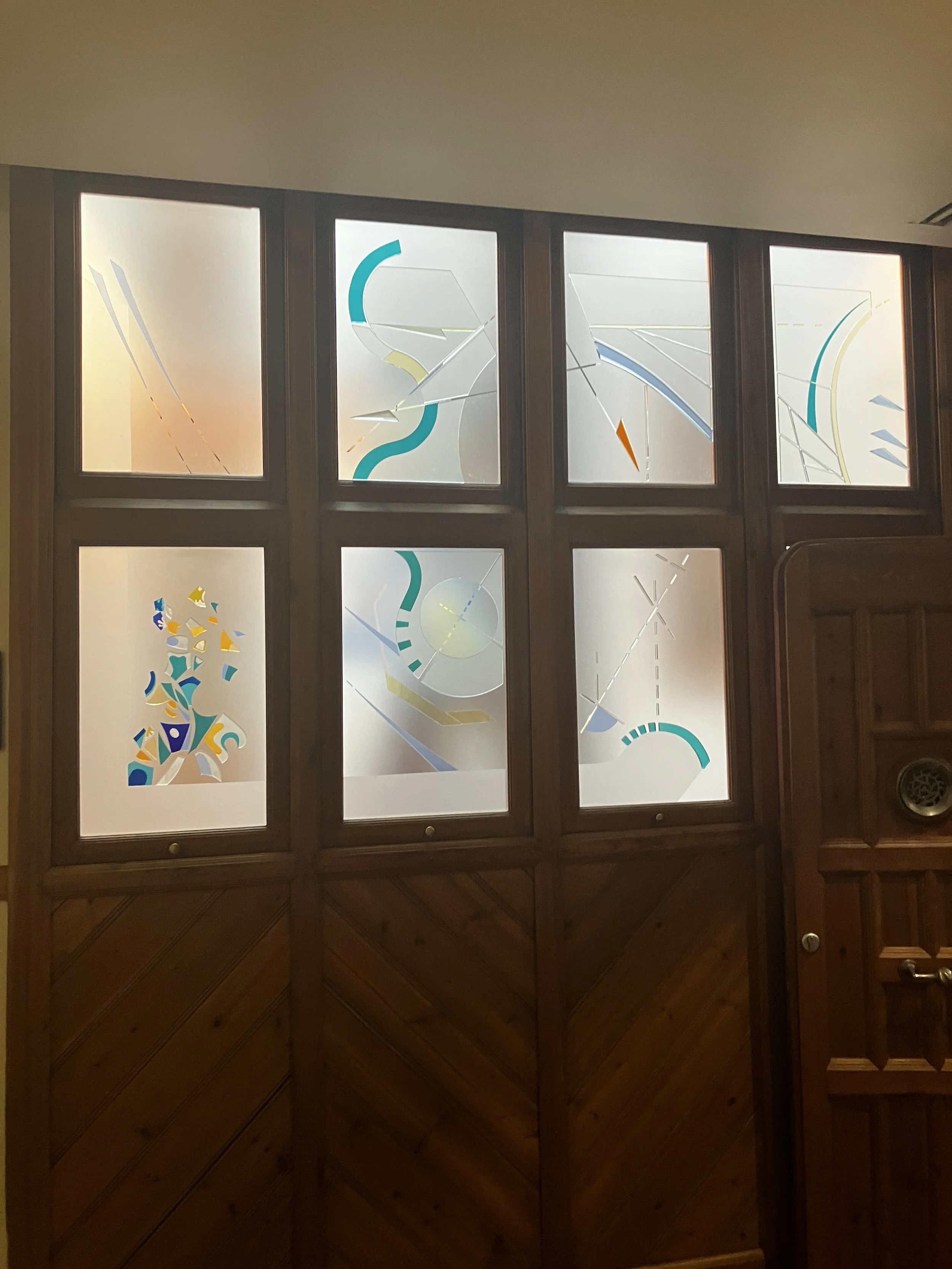
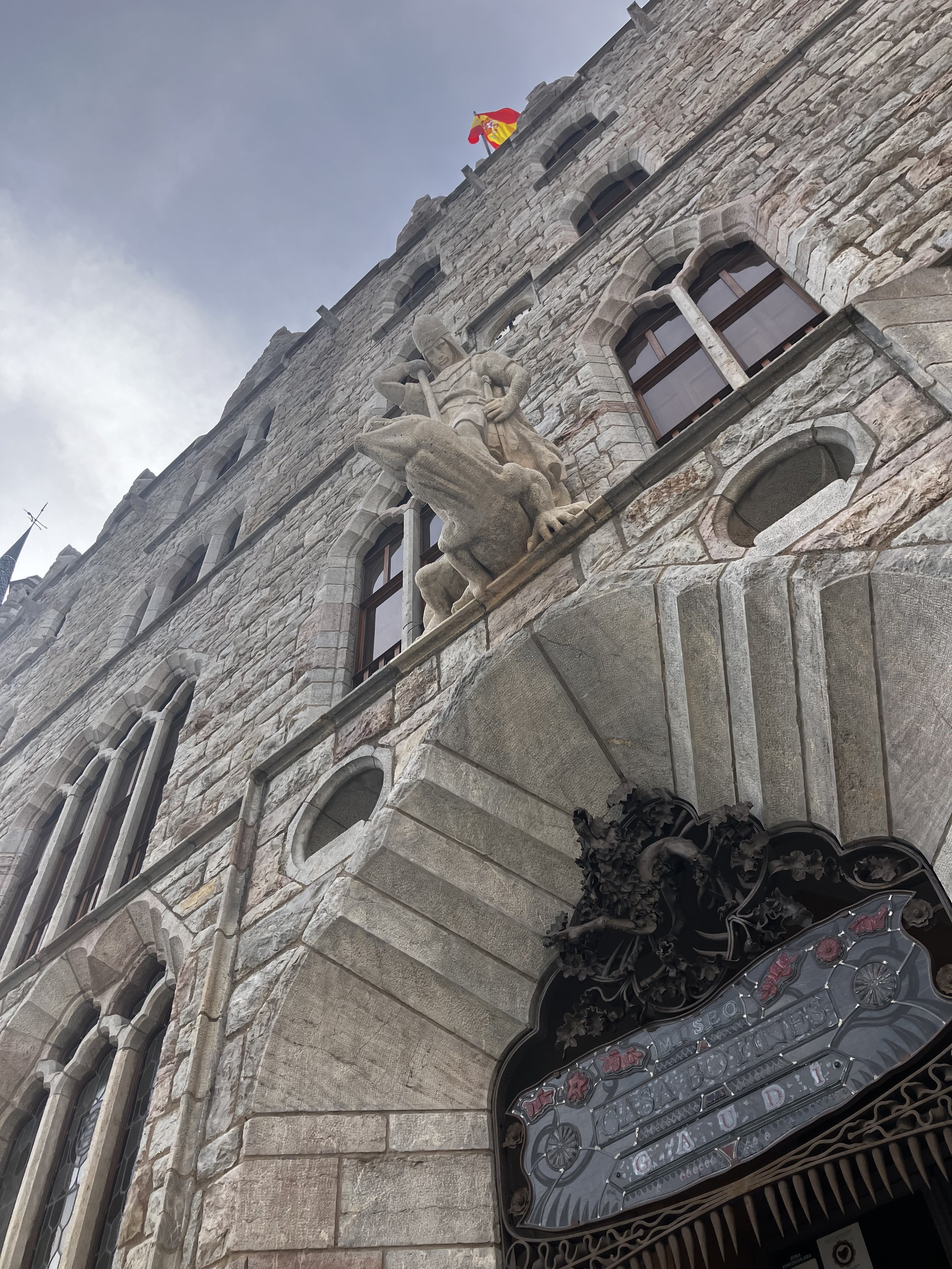
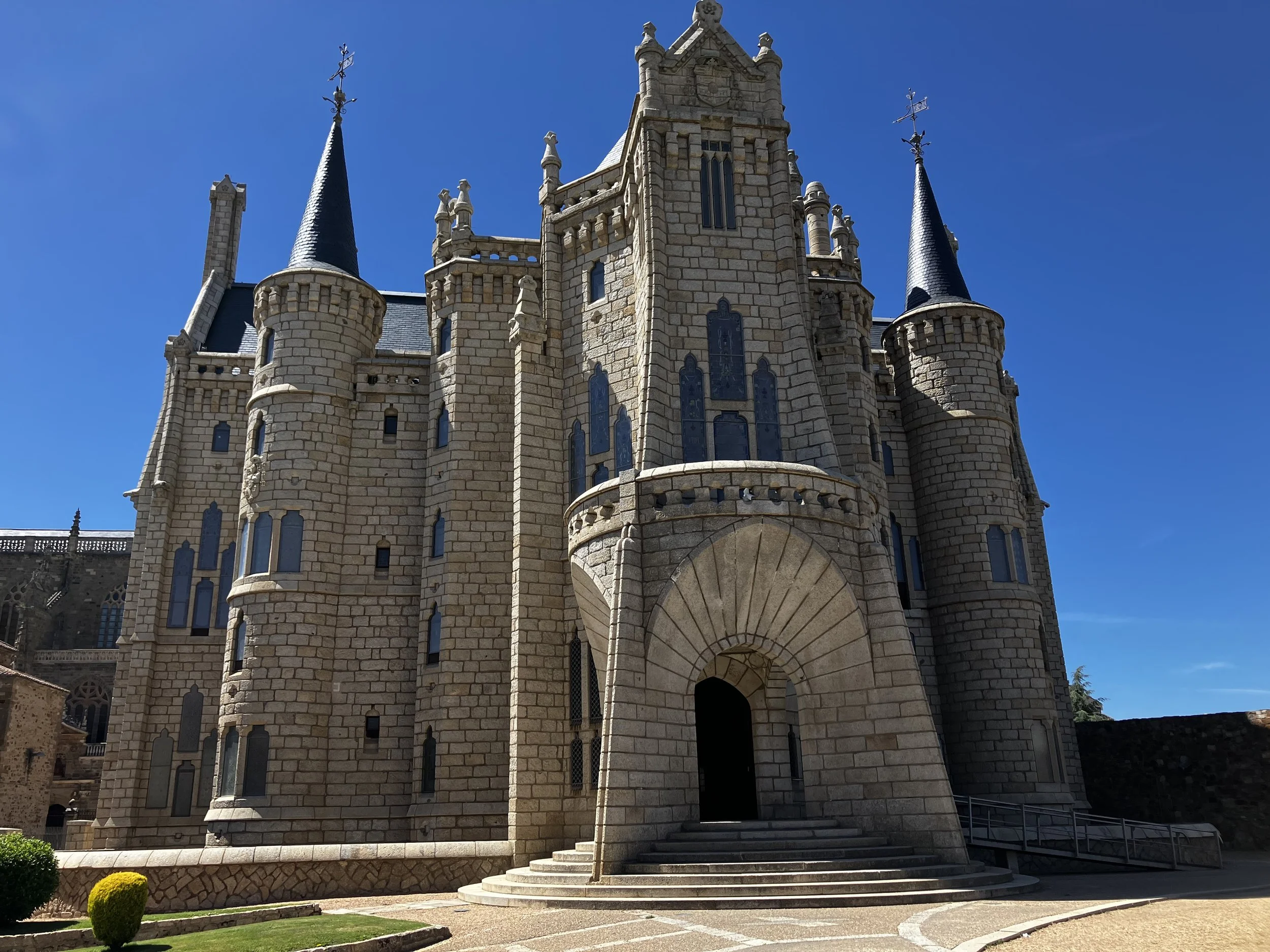
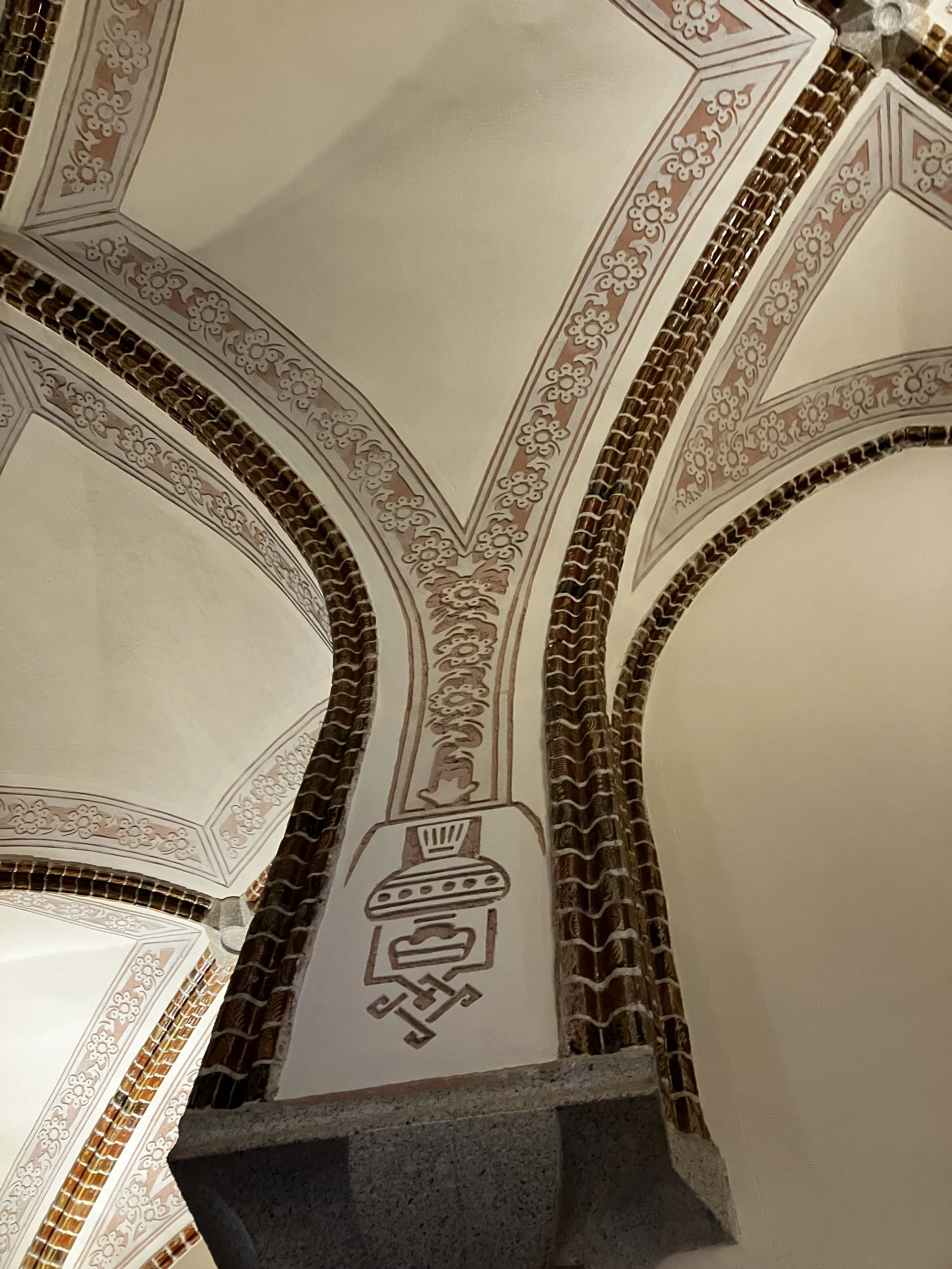
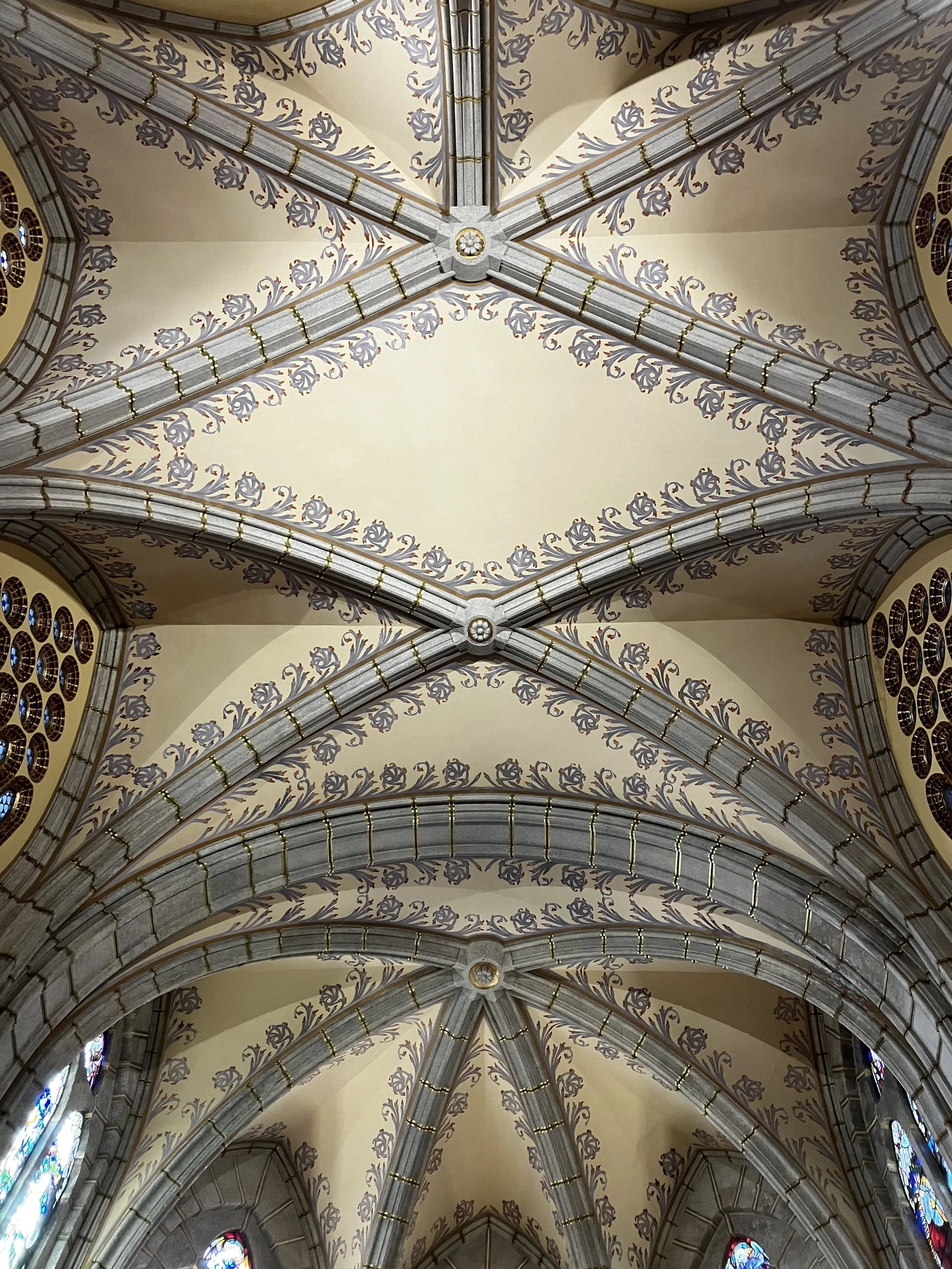
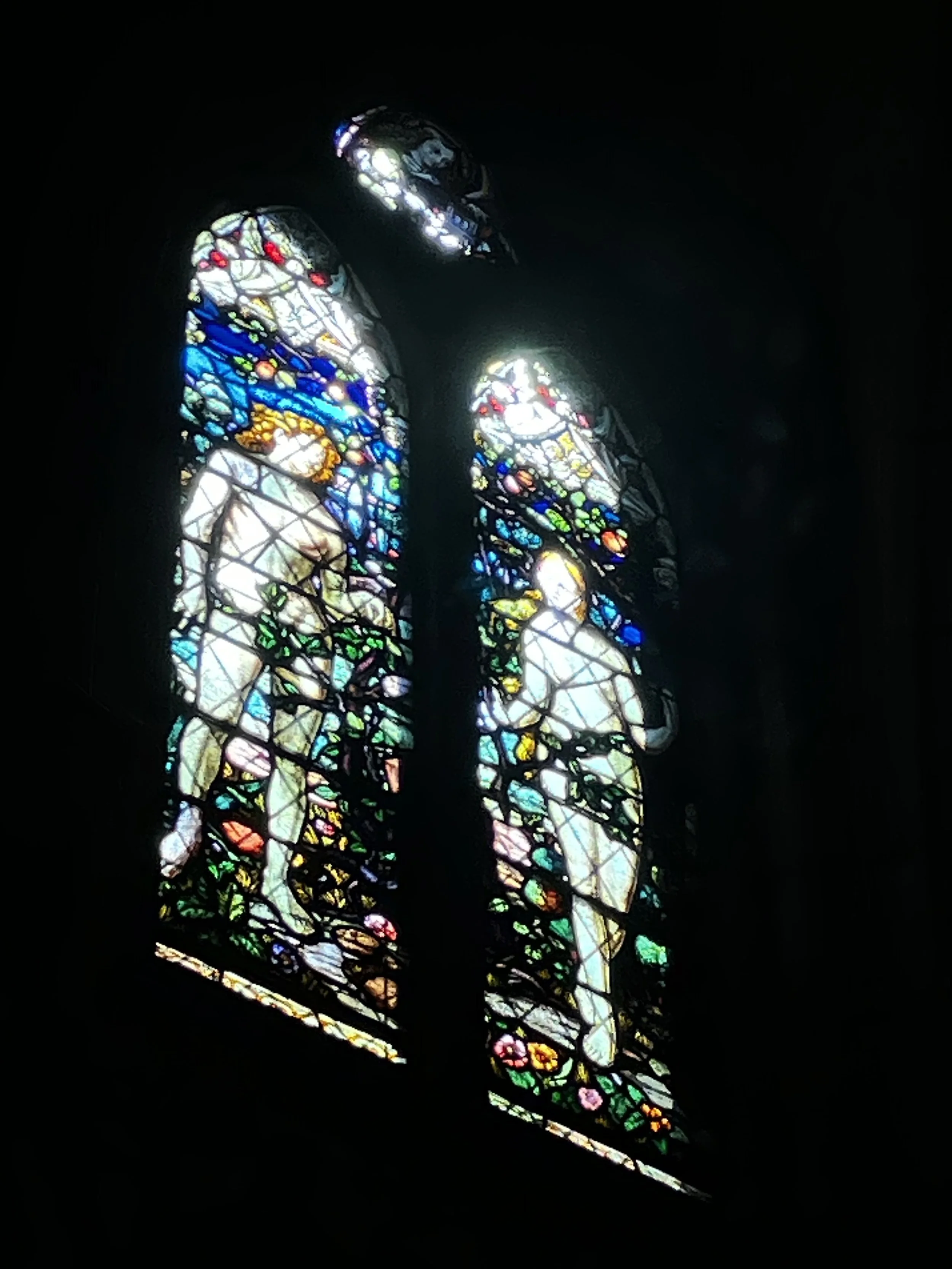
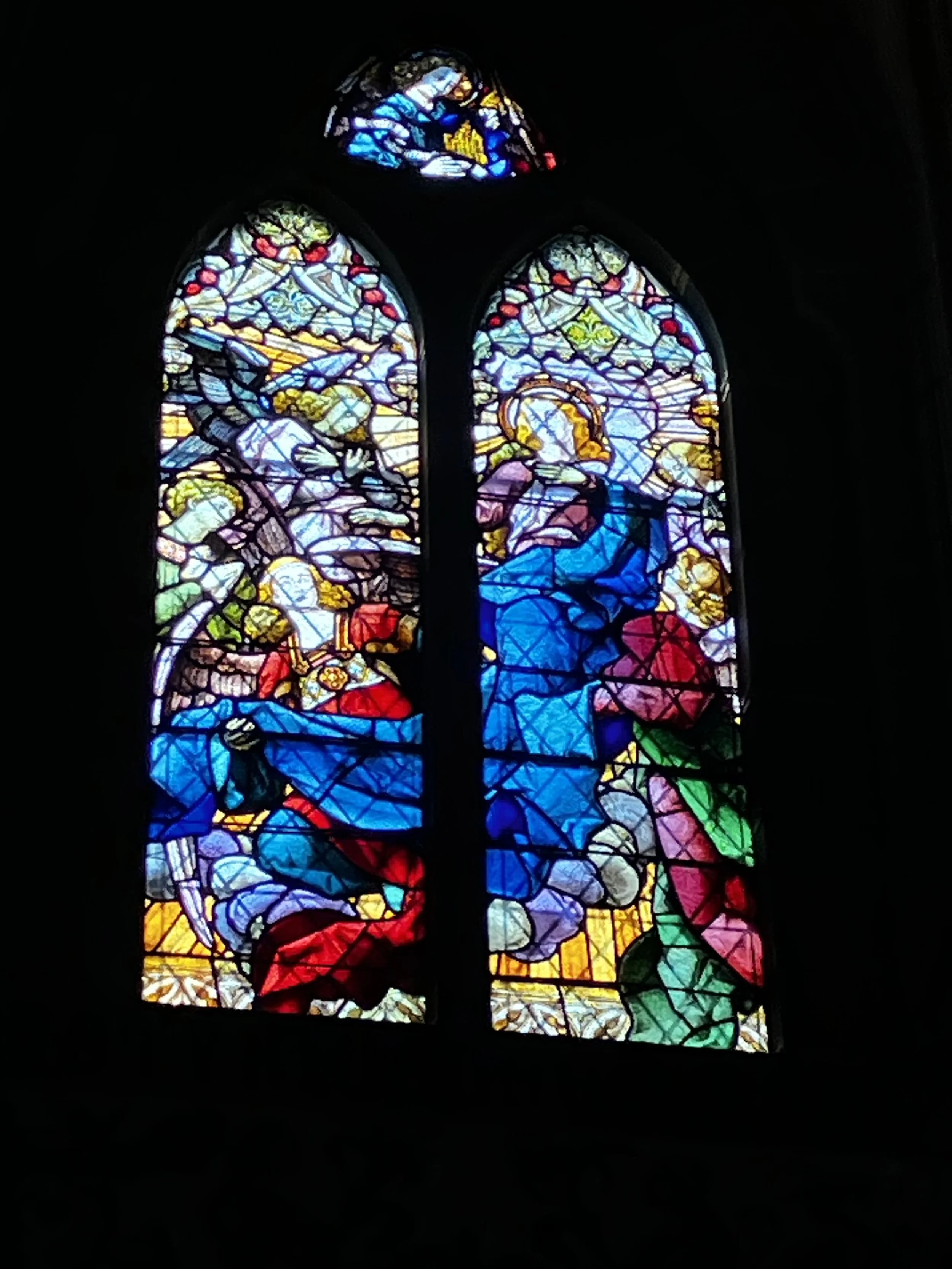
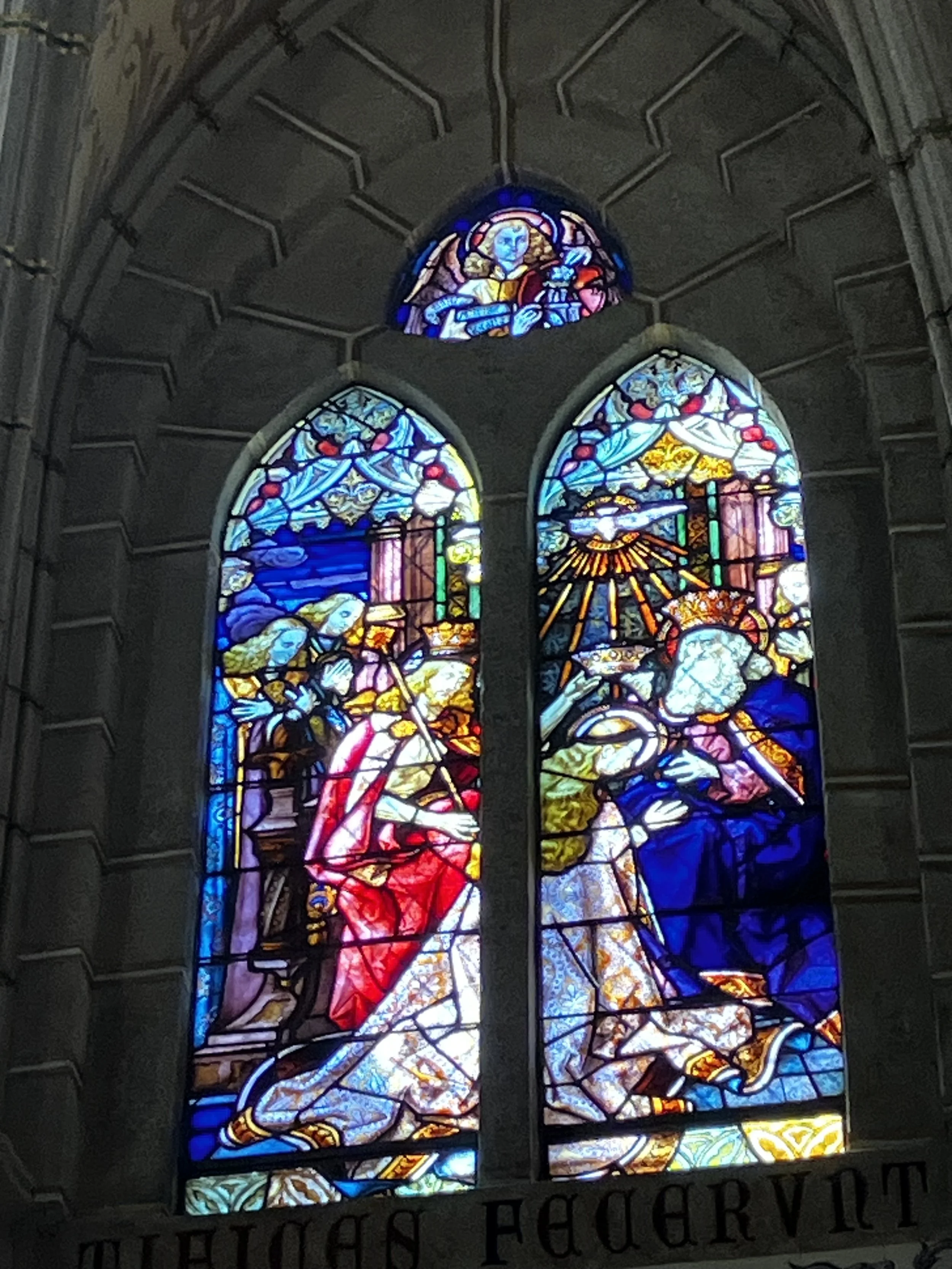
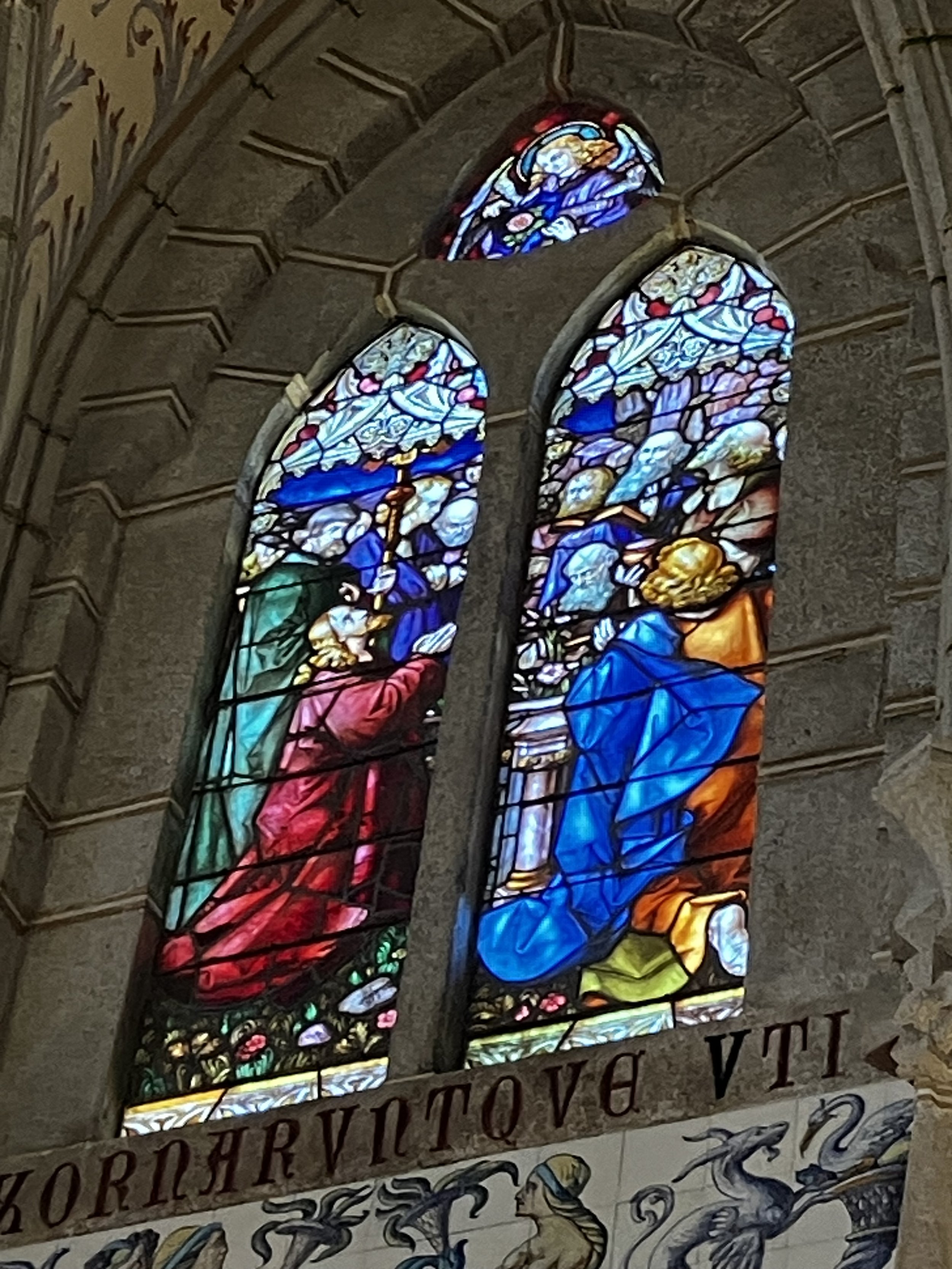
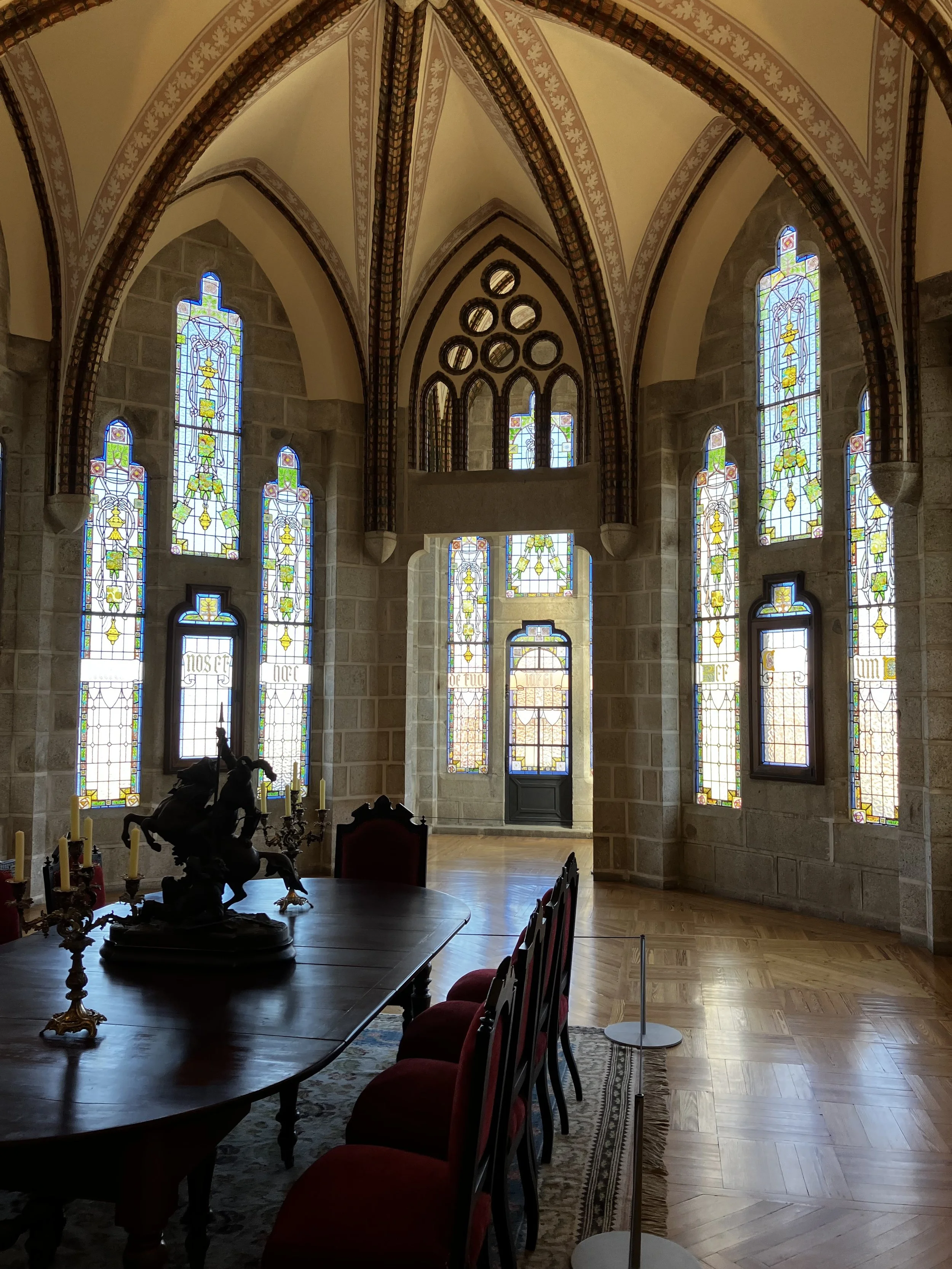
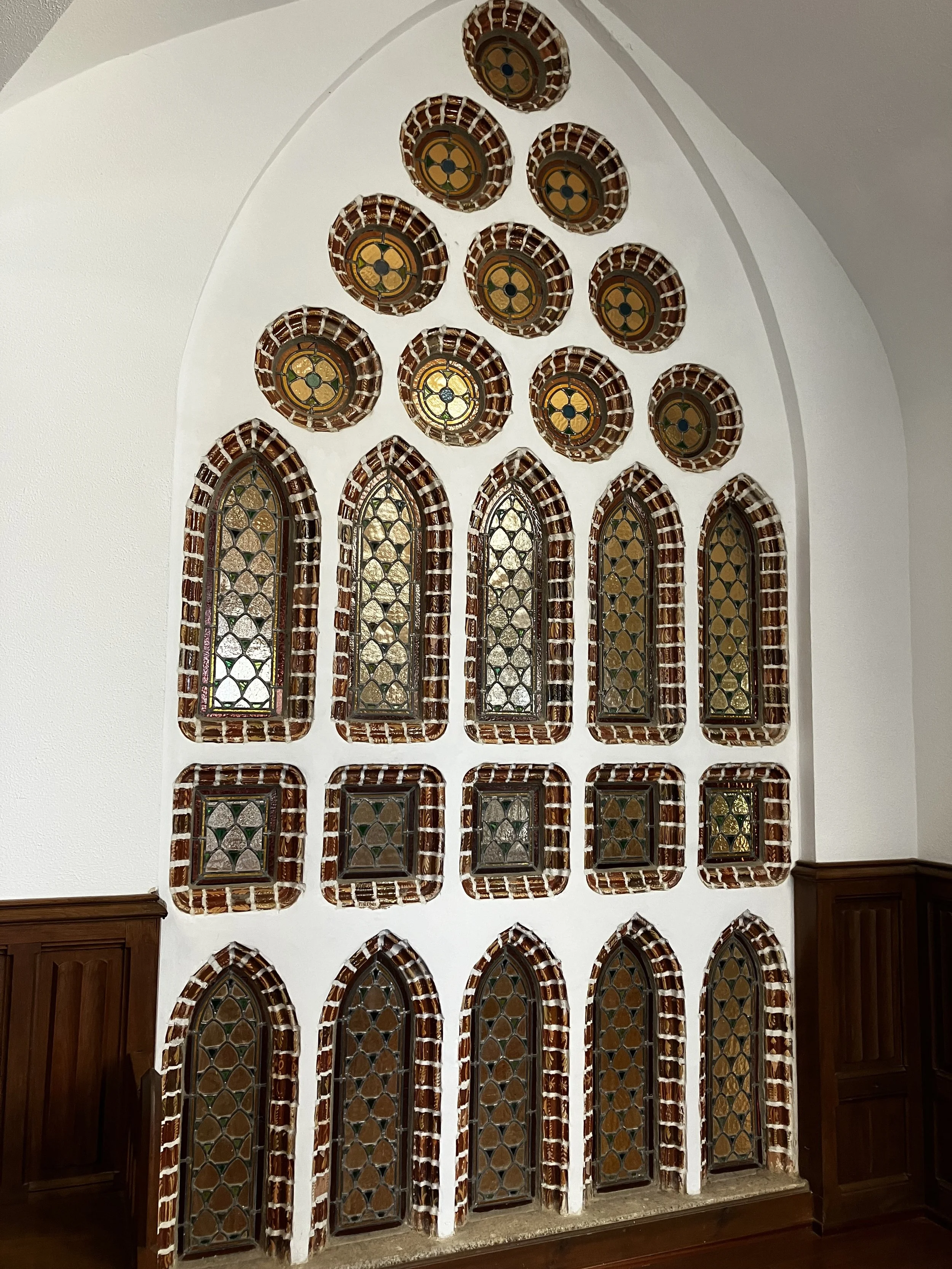
Antoni Gaudi is one of my Architectural inspirations in numerous ways, whether it be his intentionality when having crafted spaces, his dedication to sacred geometries in his work, or his reliance upon the local artistry and industry of others finding value in spaces yet to be discovered. Along our path on the Camino de Santiago we were lucky enough to have seen two of Gaudi’s earlier works, namely the Casa Botines in Leon (Often called the House of Dragons) and the Palacio de Gaudi (or the Bishop’s Castle) in Astorga. As someone whose Architectural Thesis dealt with church architecture, garment making, and the conveying messages in different ways, I cannot help but draw so much fervor for architecture from his works. After we completed the Camino we had a few days to visit Barcelona, where Gaudi, through the gracious patronage of Eusebi Guell, was able to make some of his most enduring works, and his Magnum Opus. These are just a few pictures taken that showcase what I hope to be able to capture one day in my works.
Casa Botines and Palacio de Gaudi
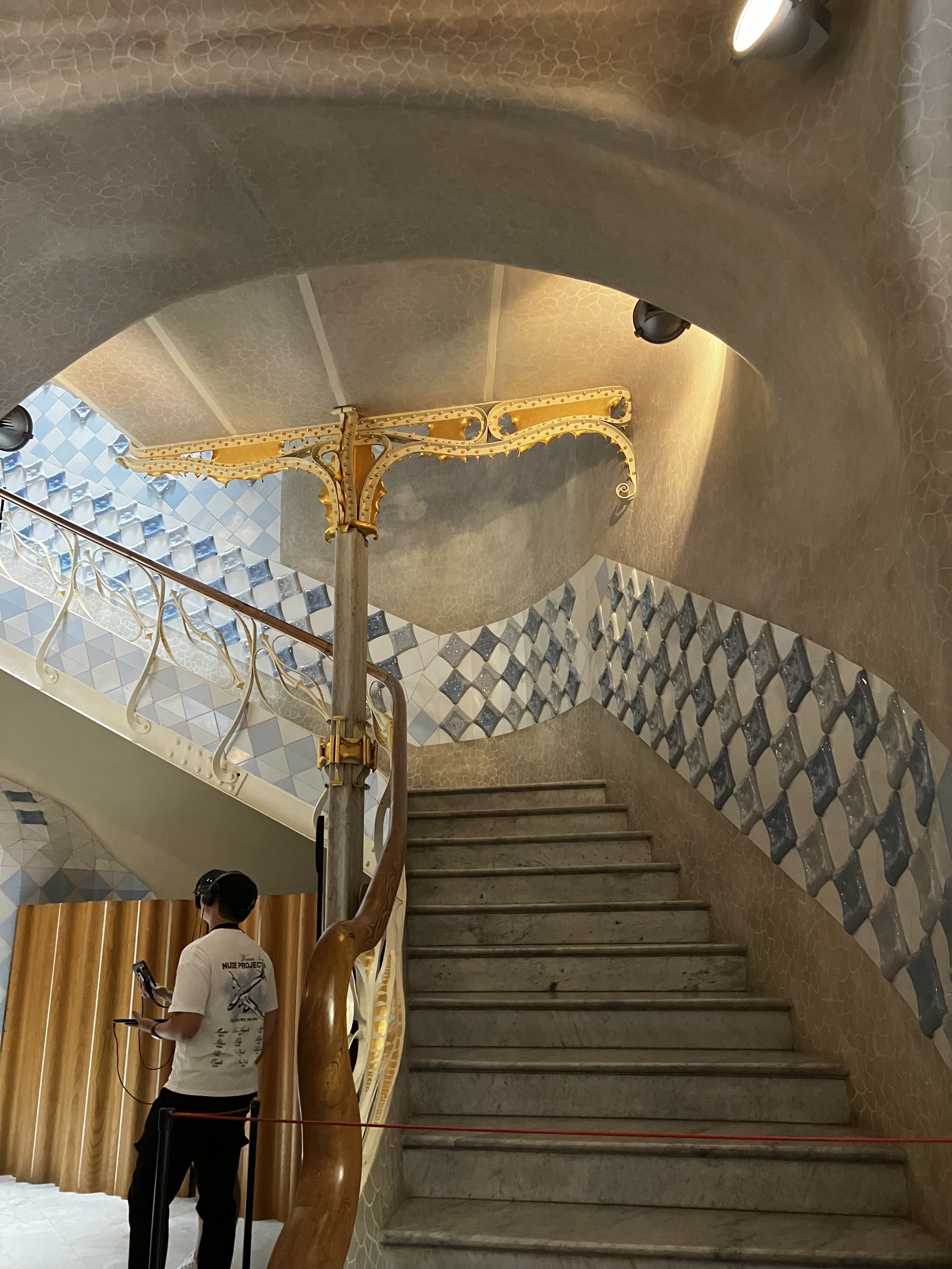
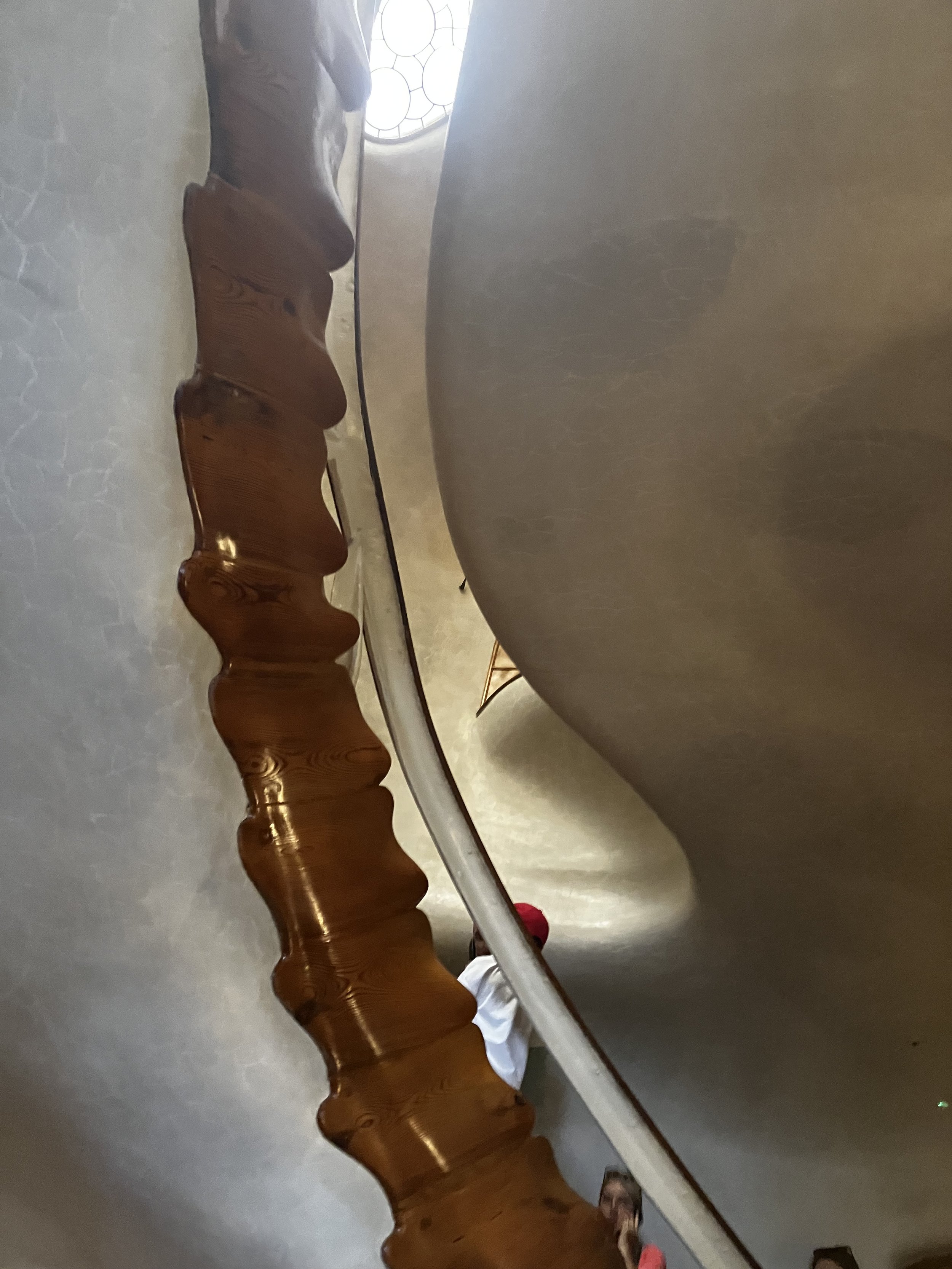
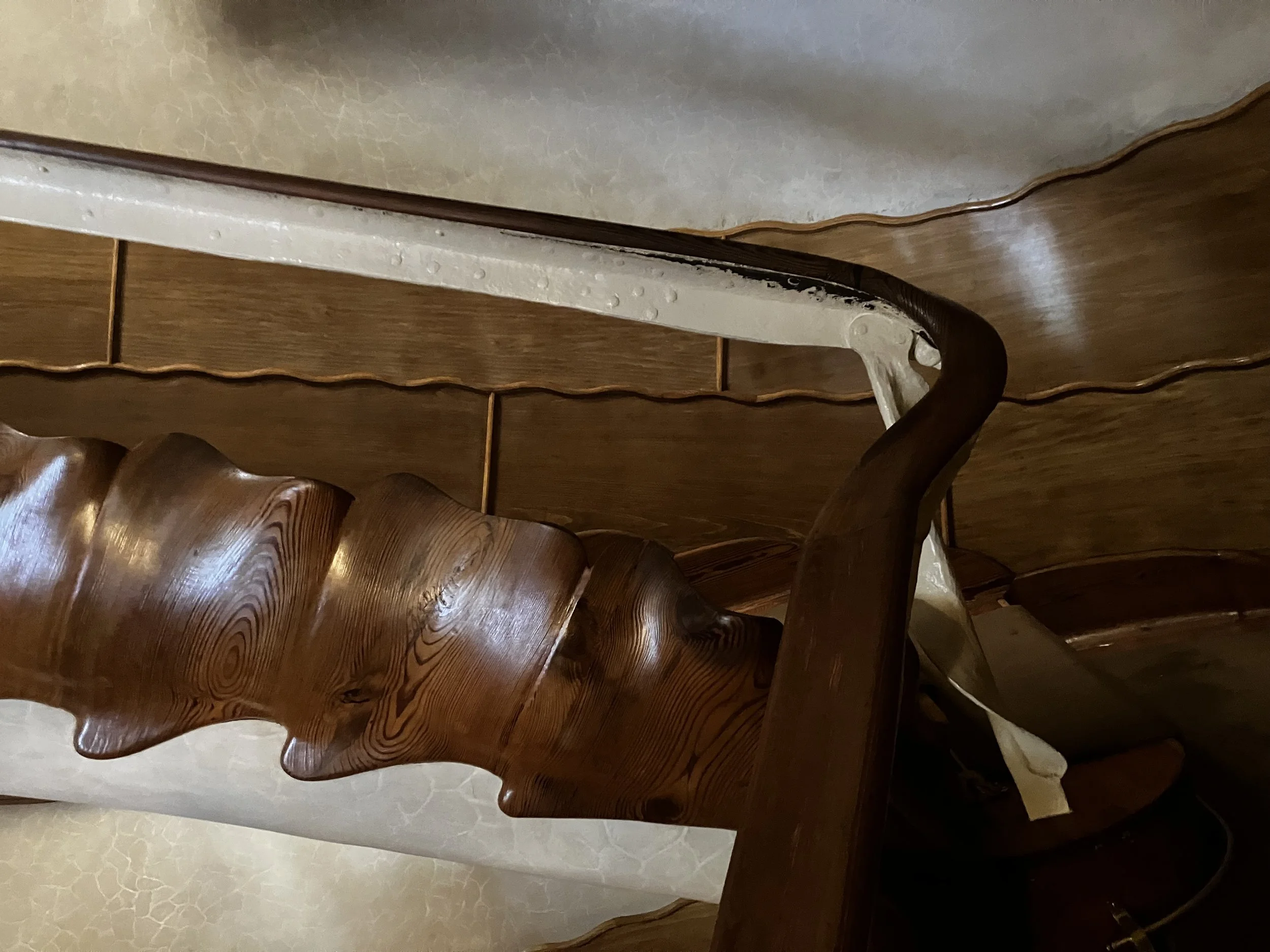
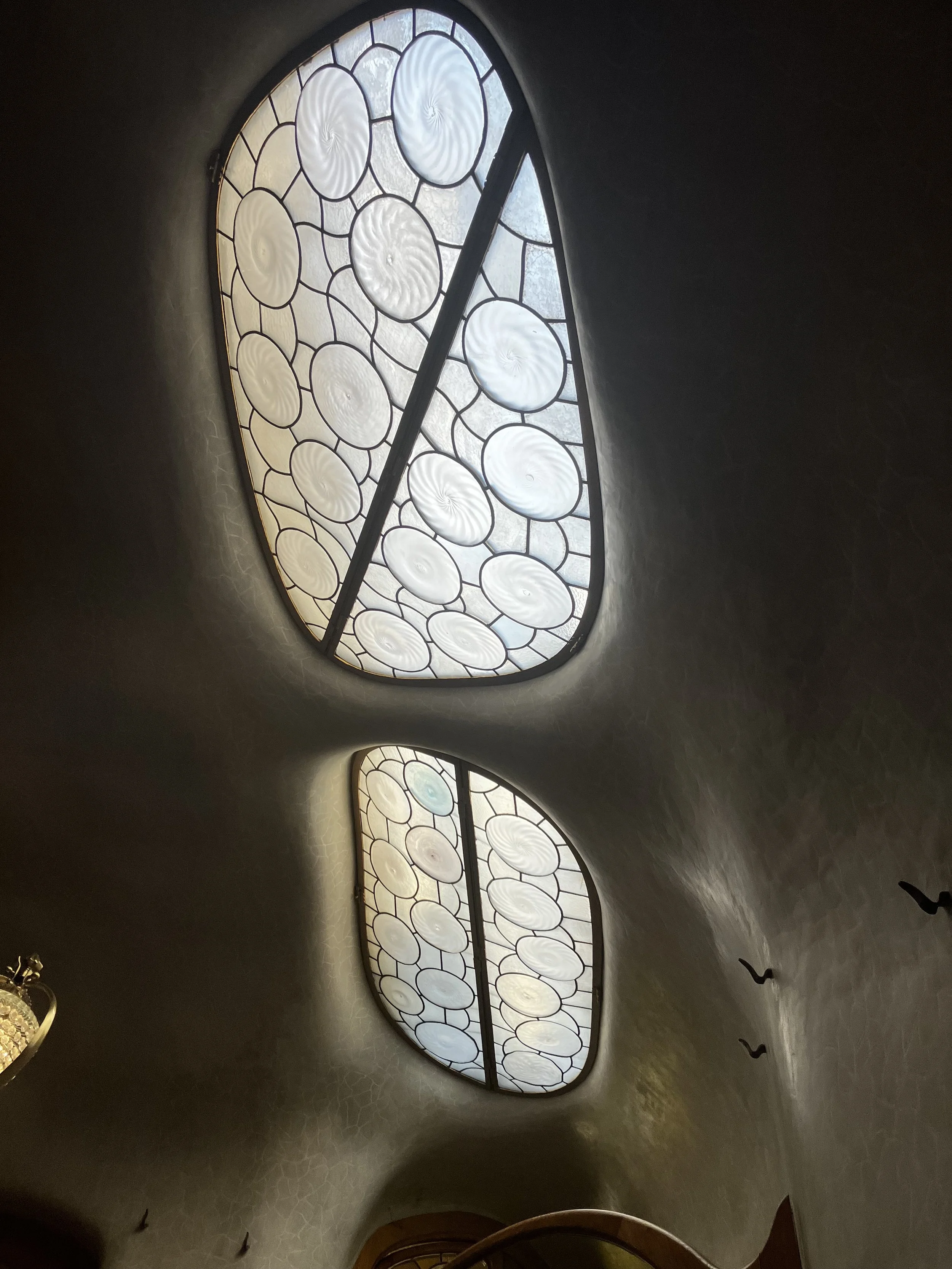
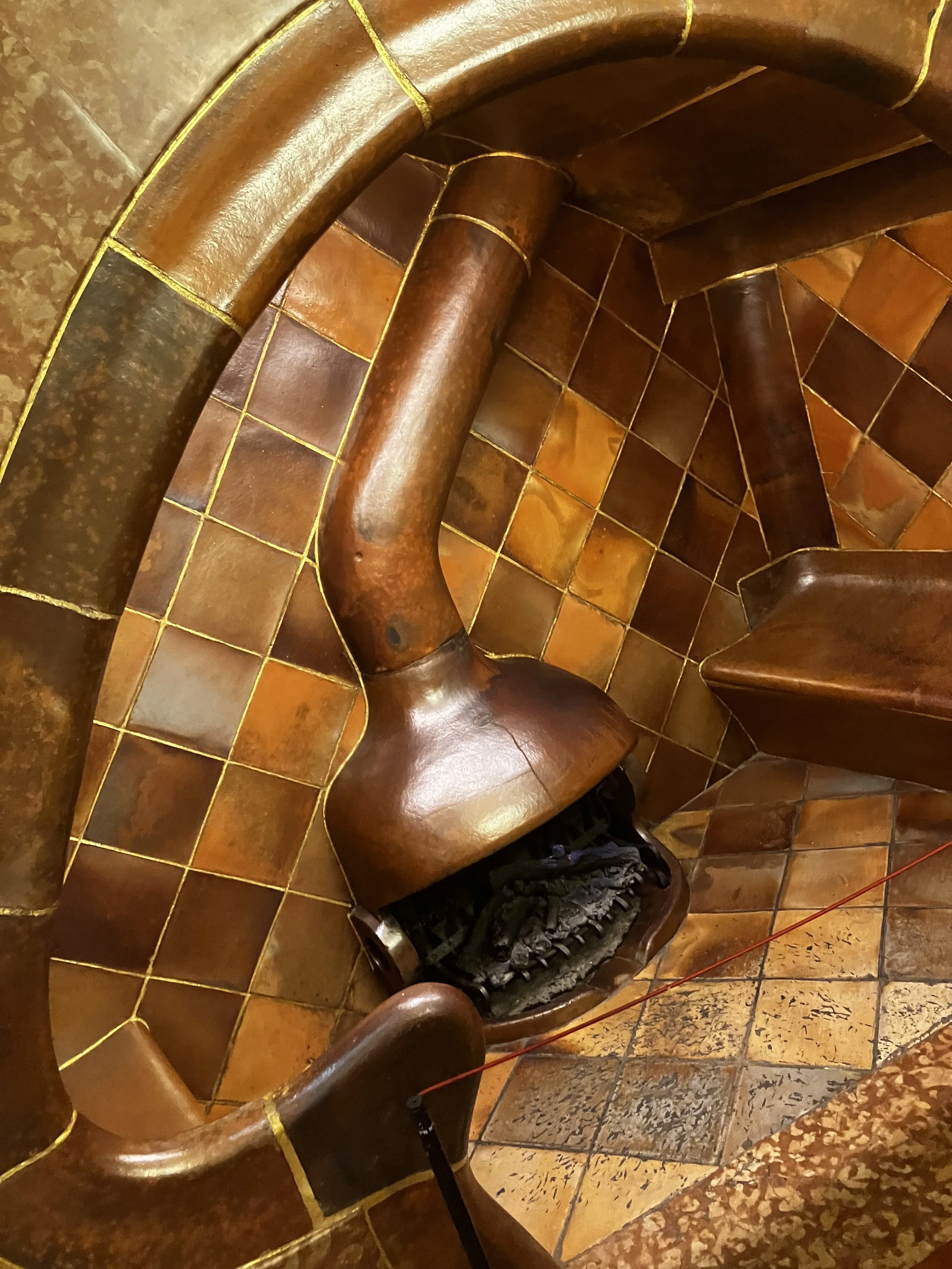
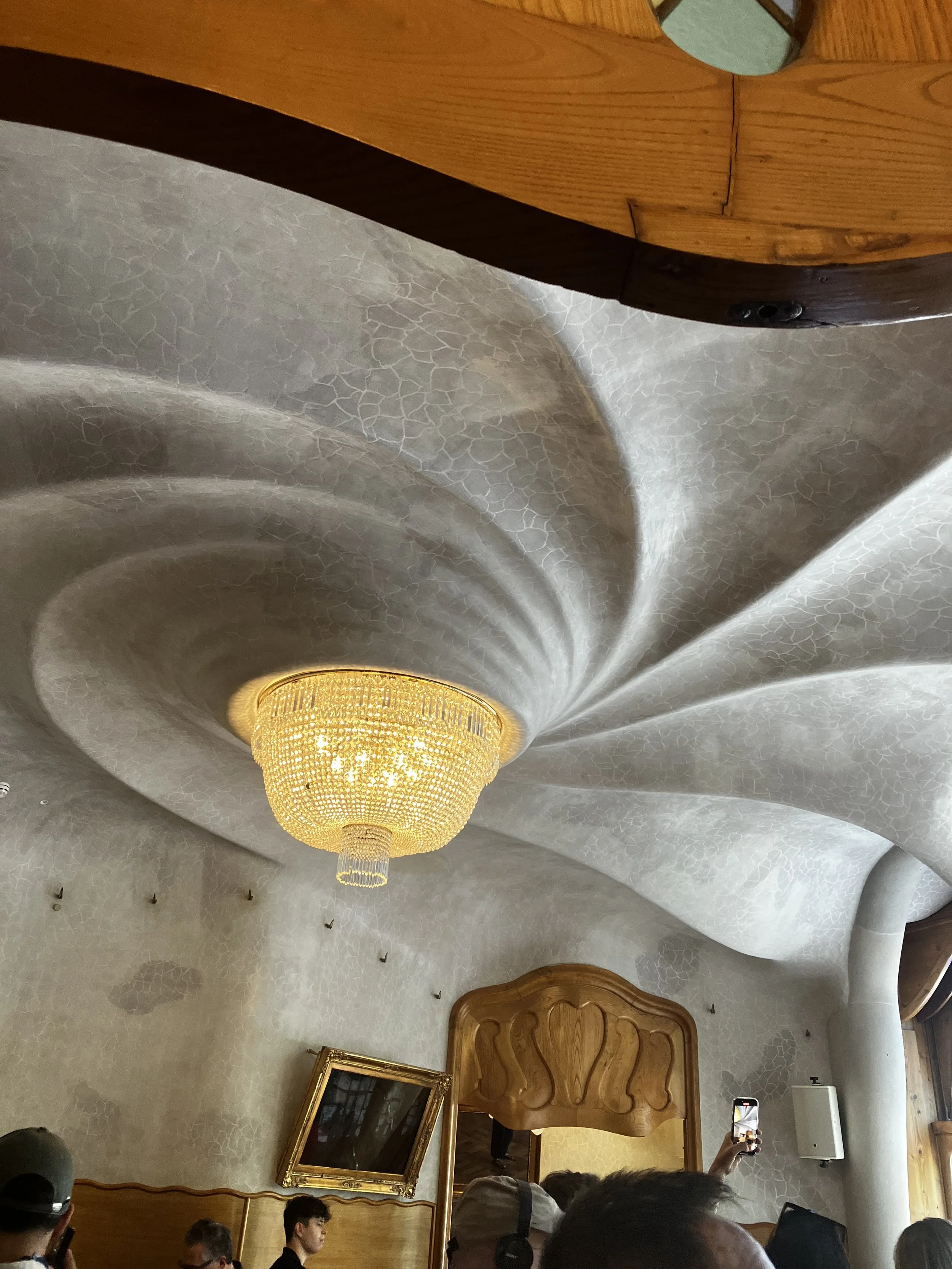
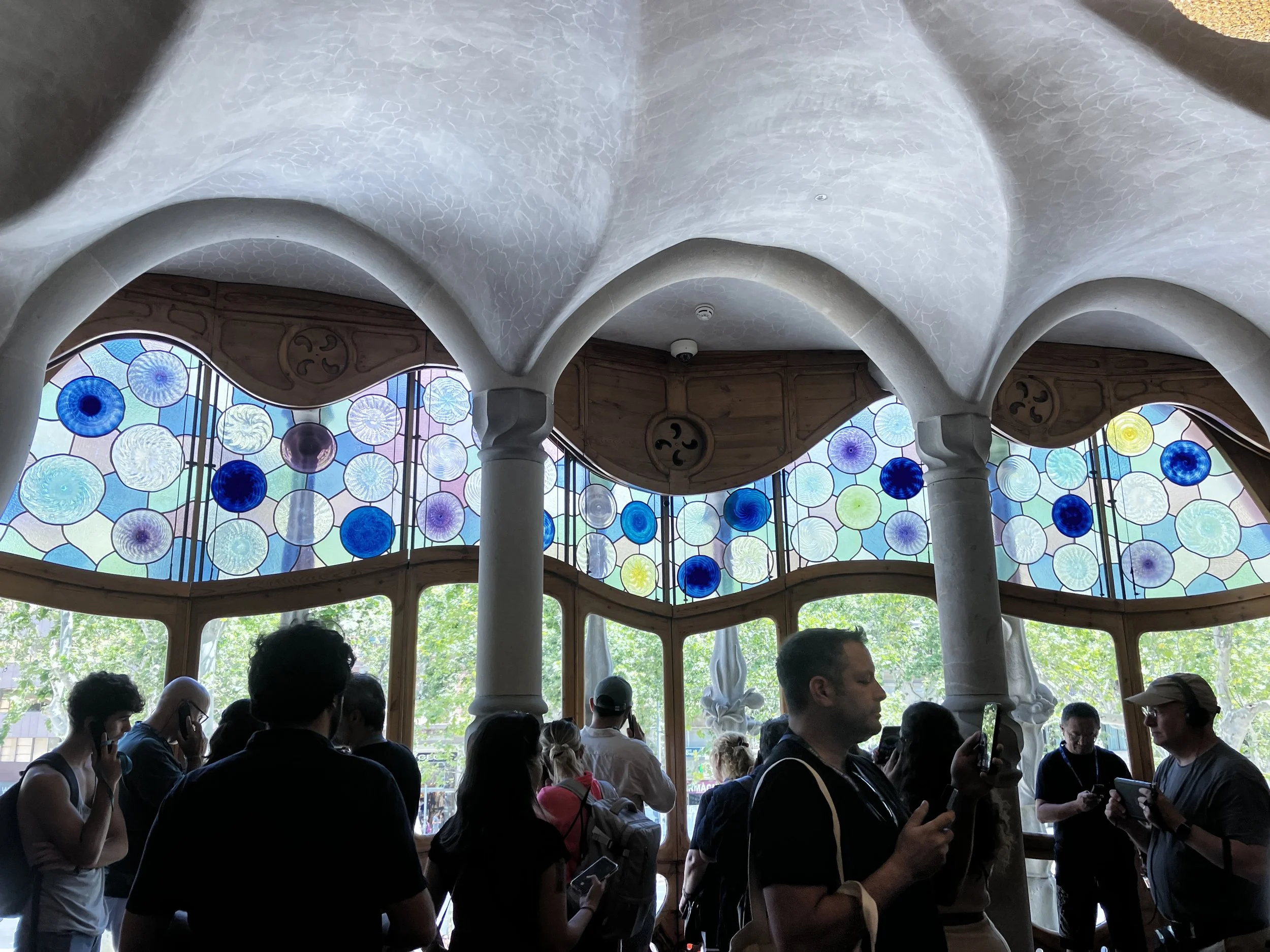
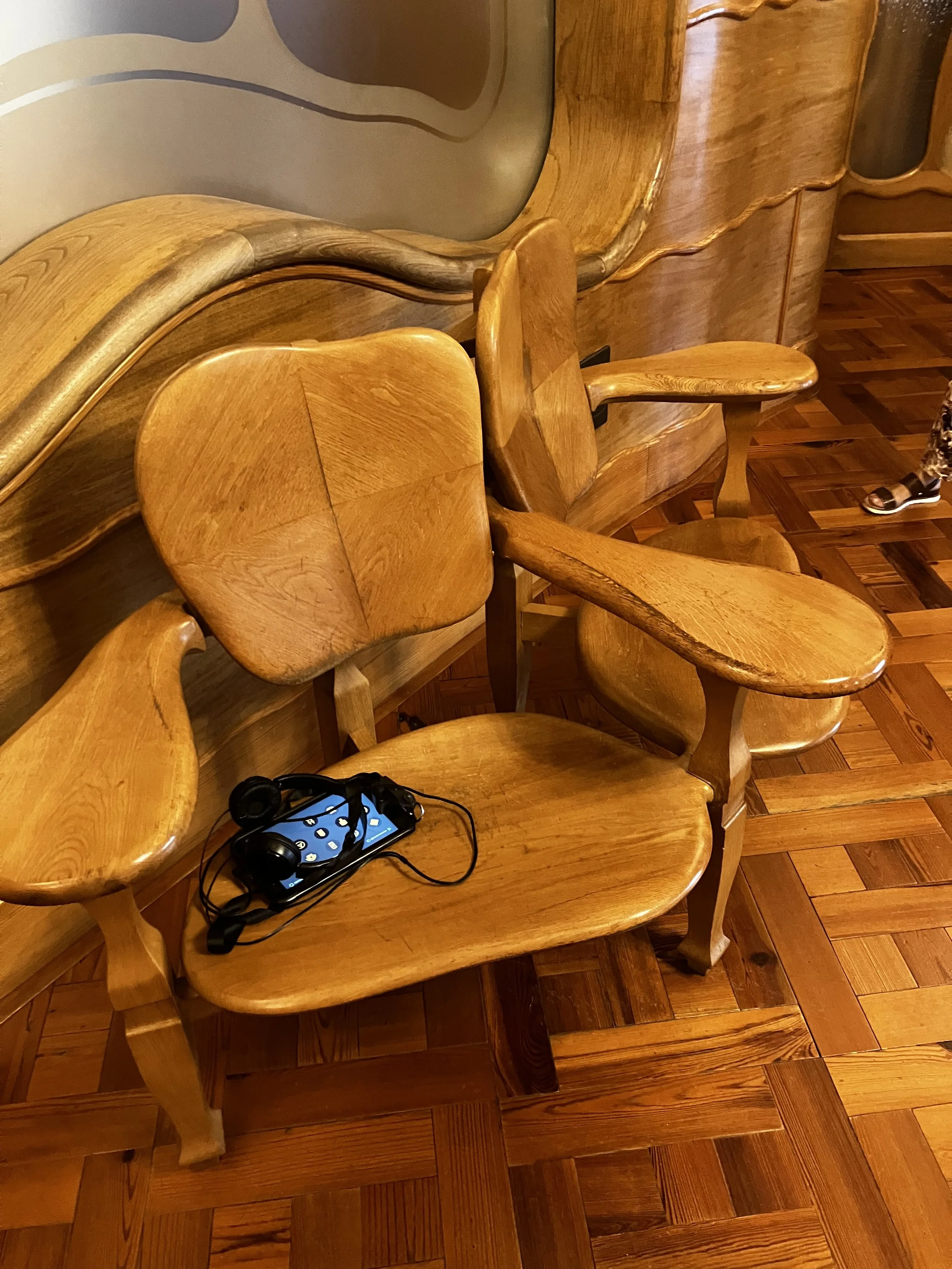
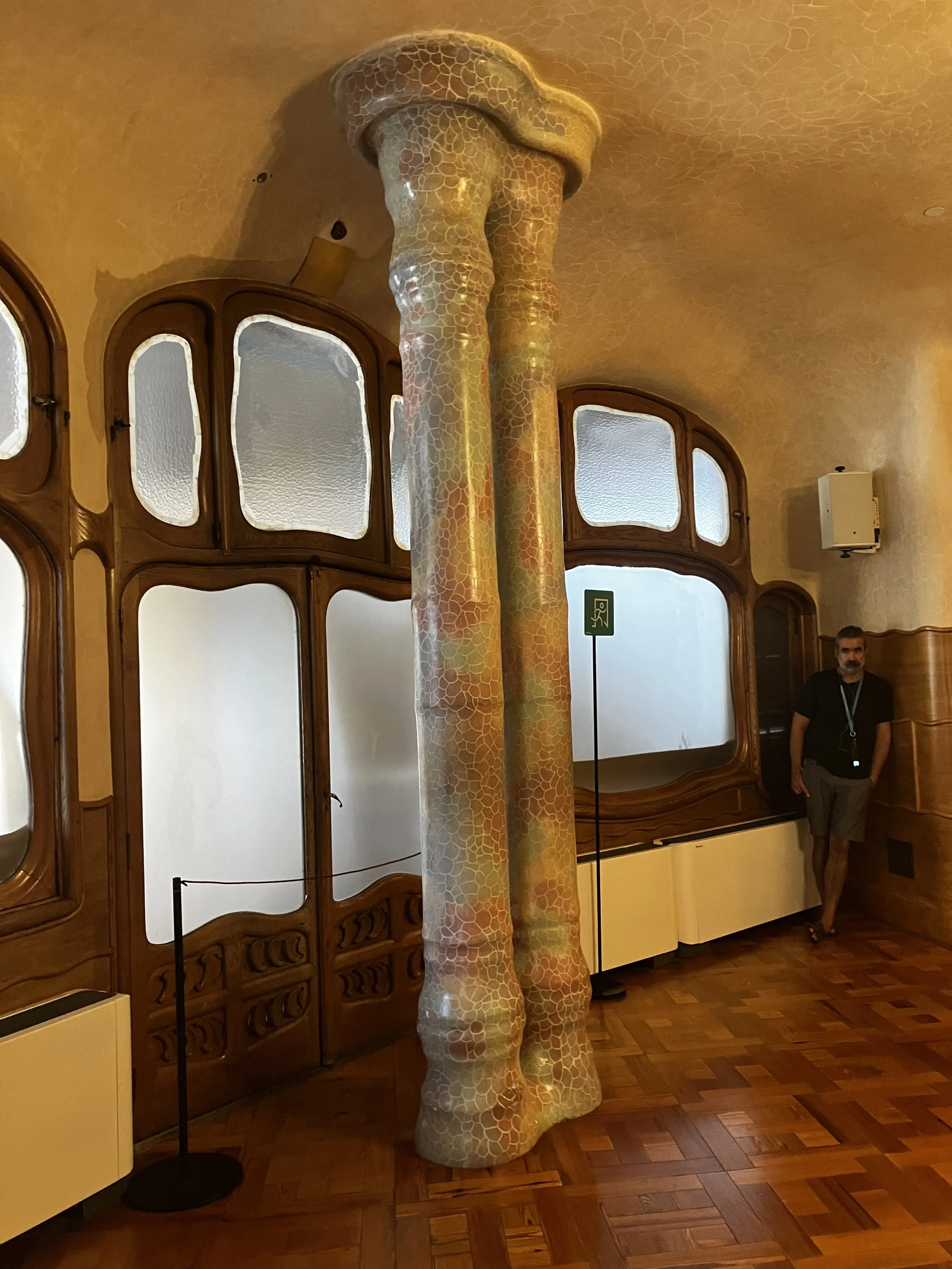
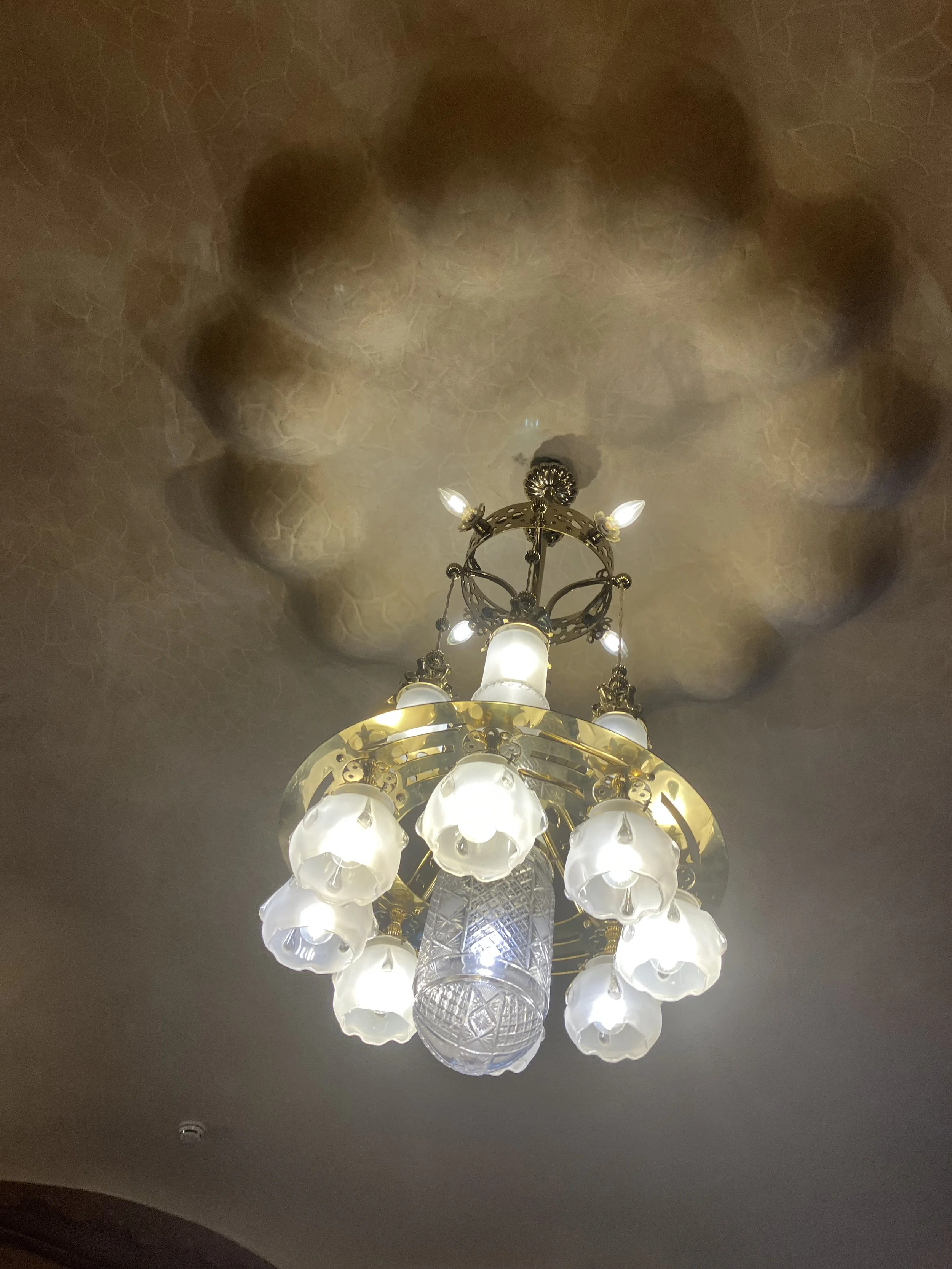
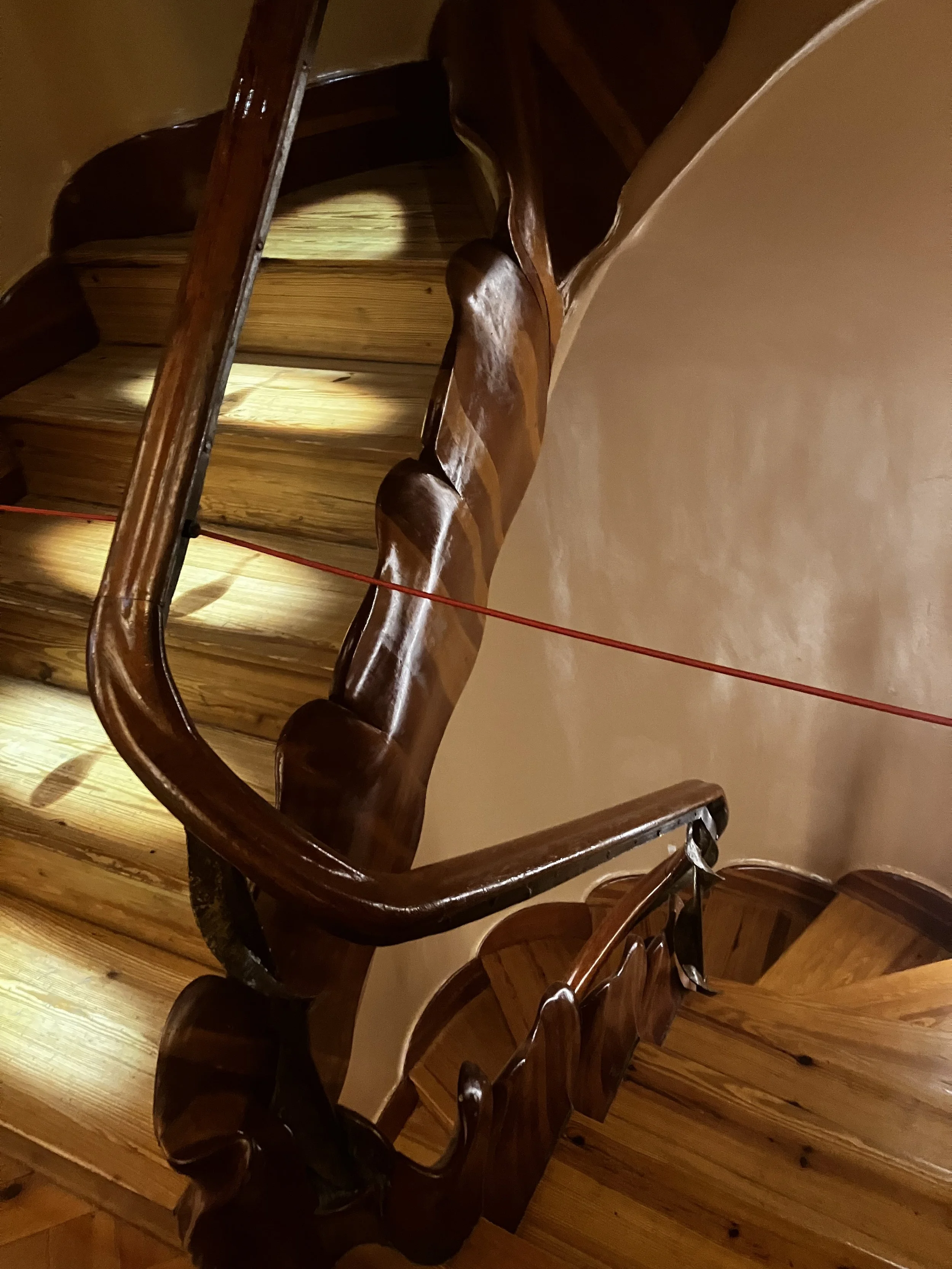
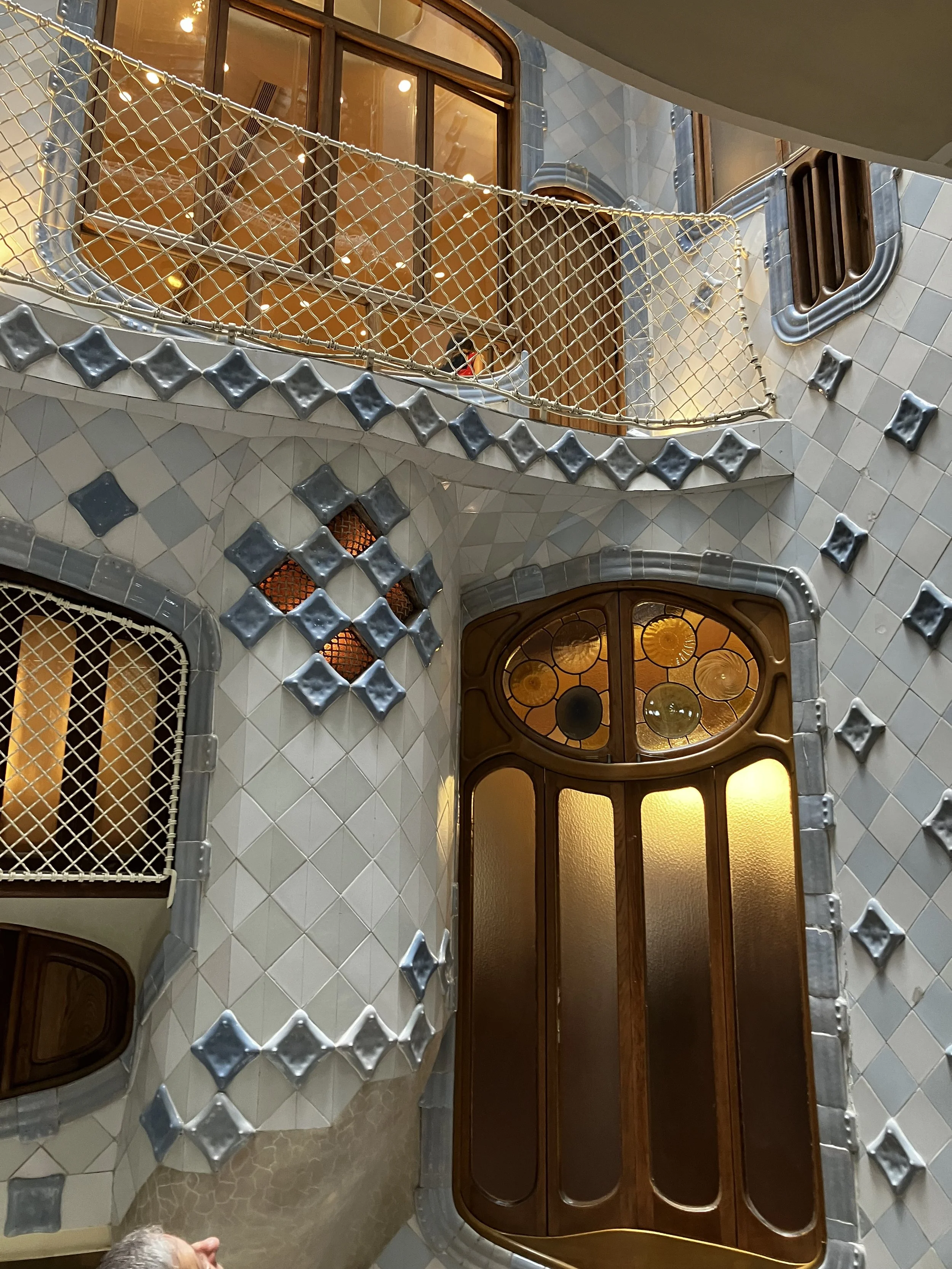
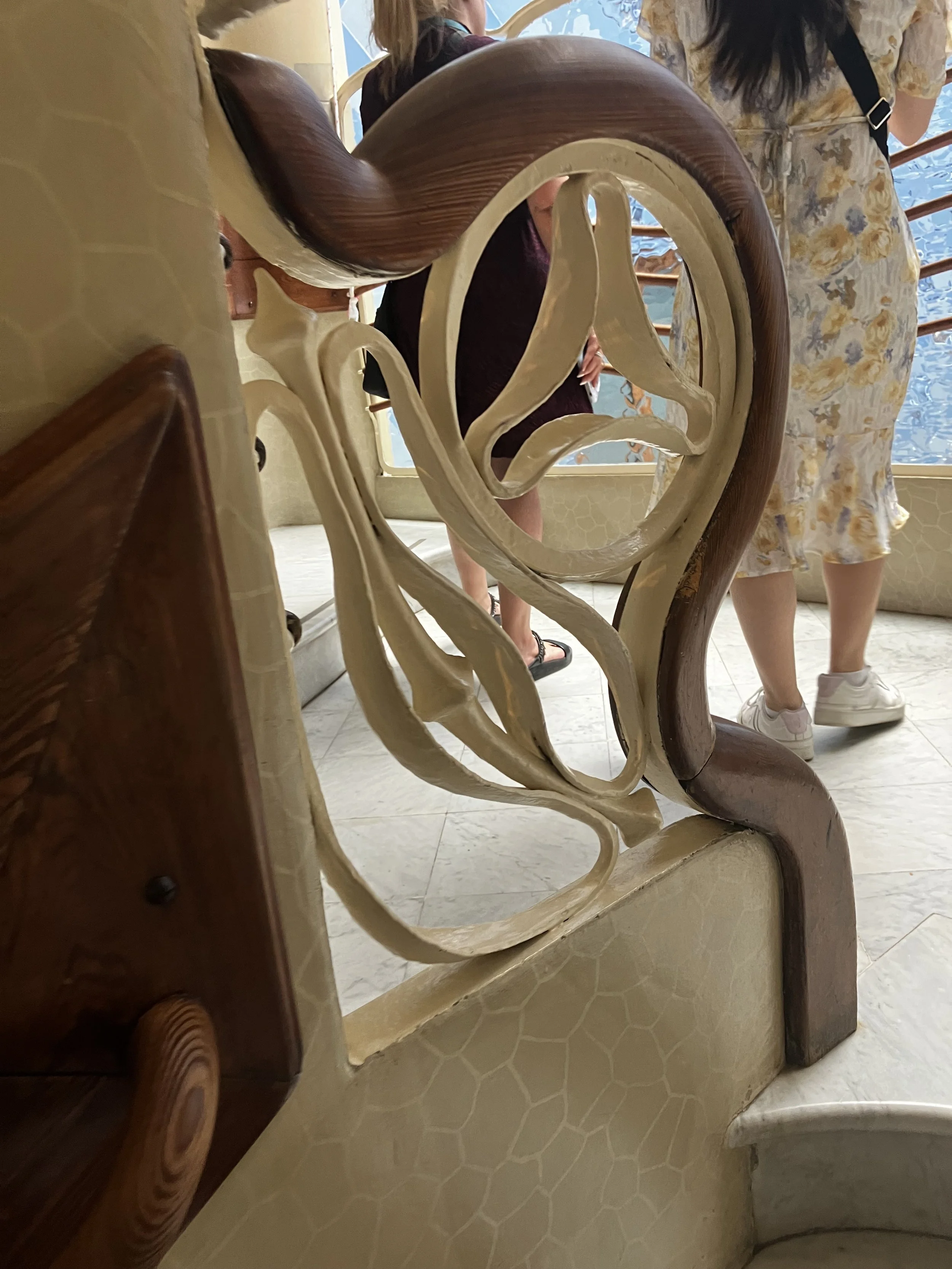
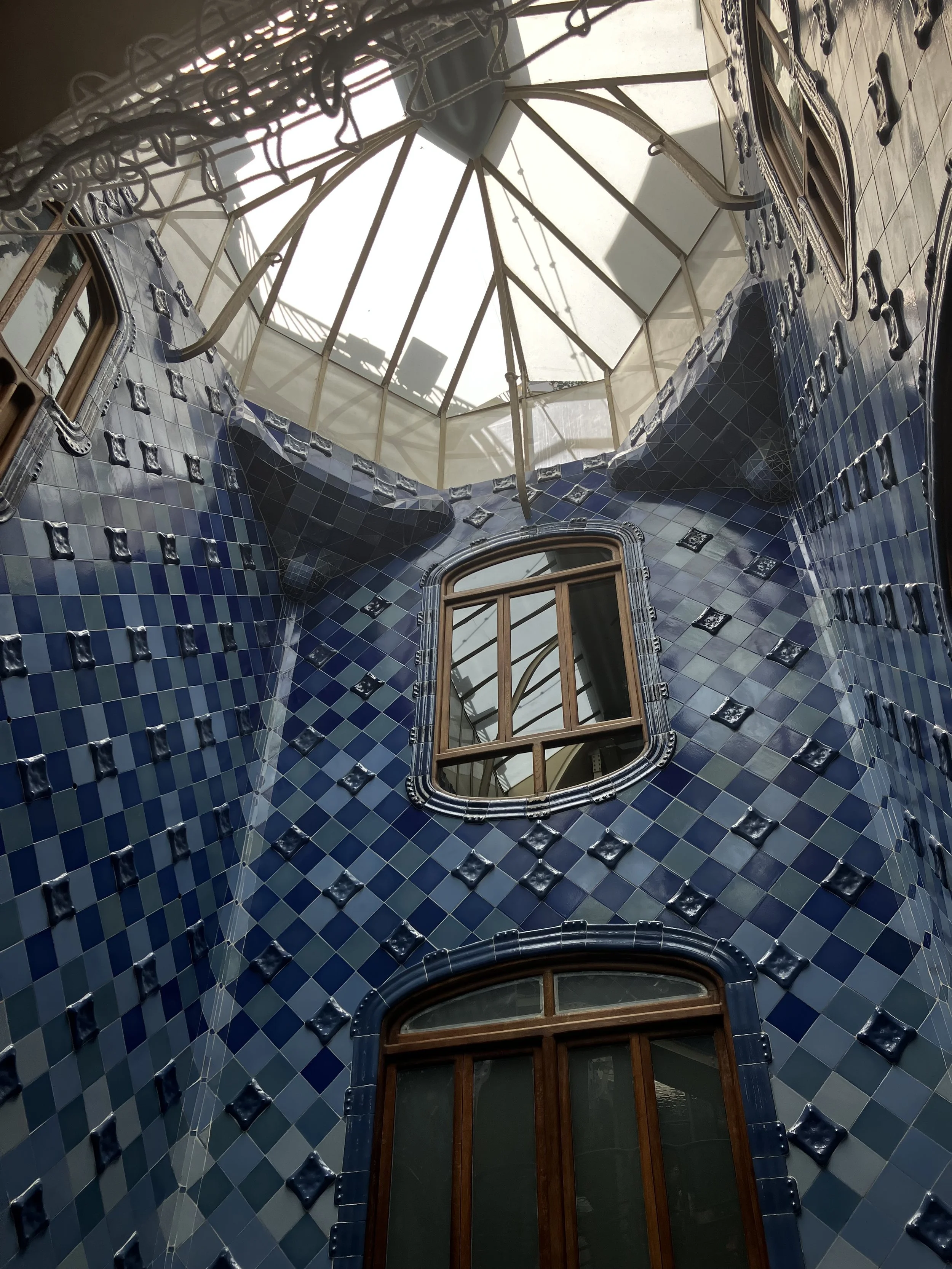
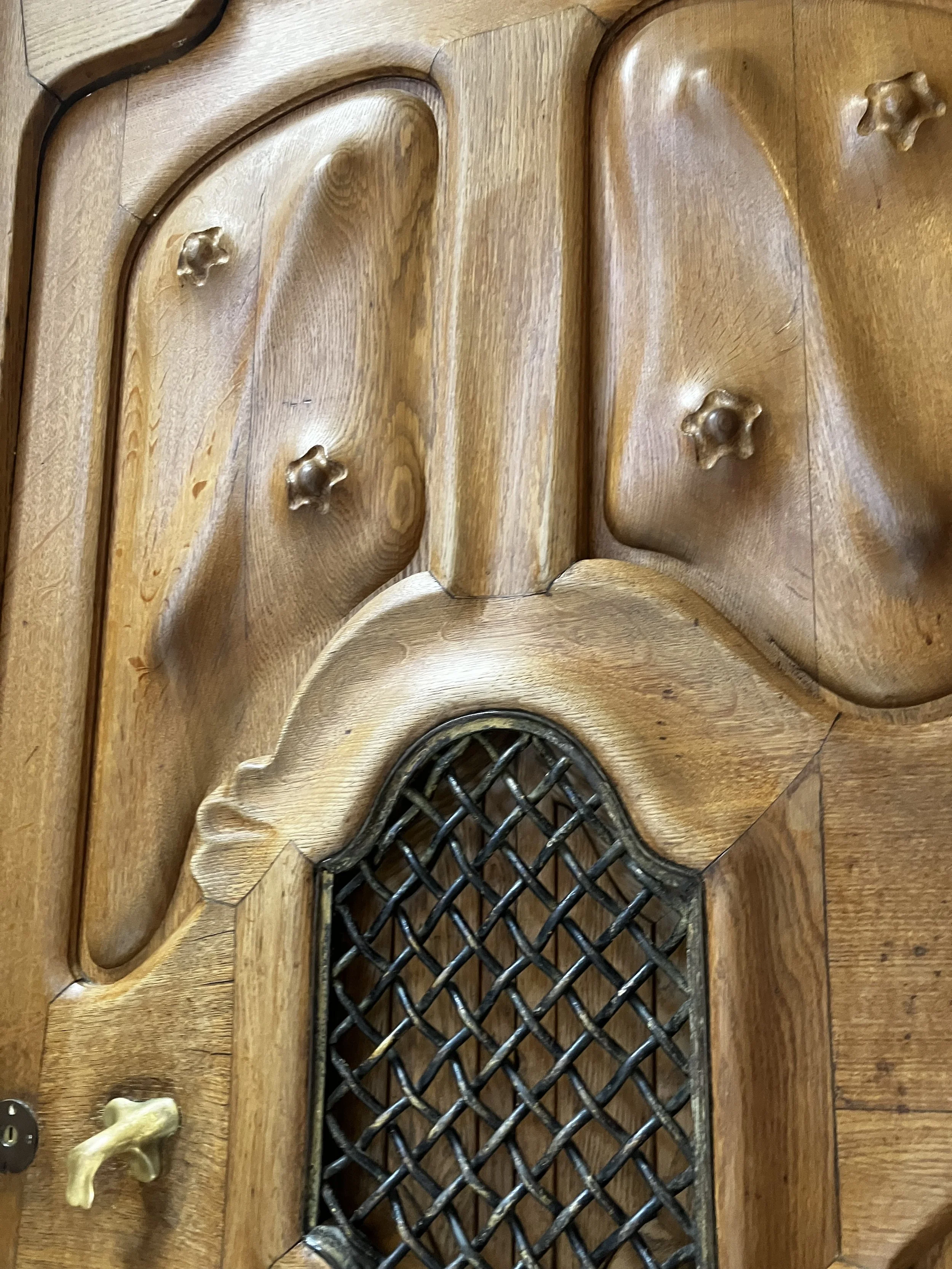
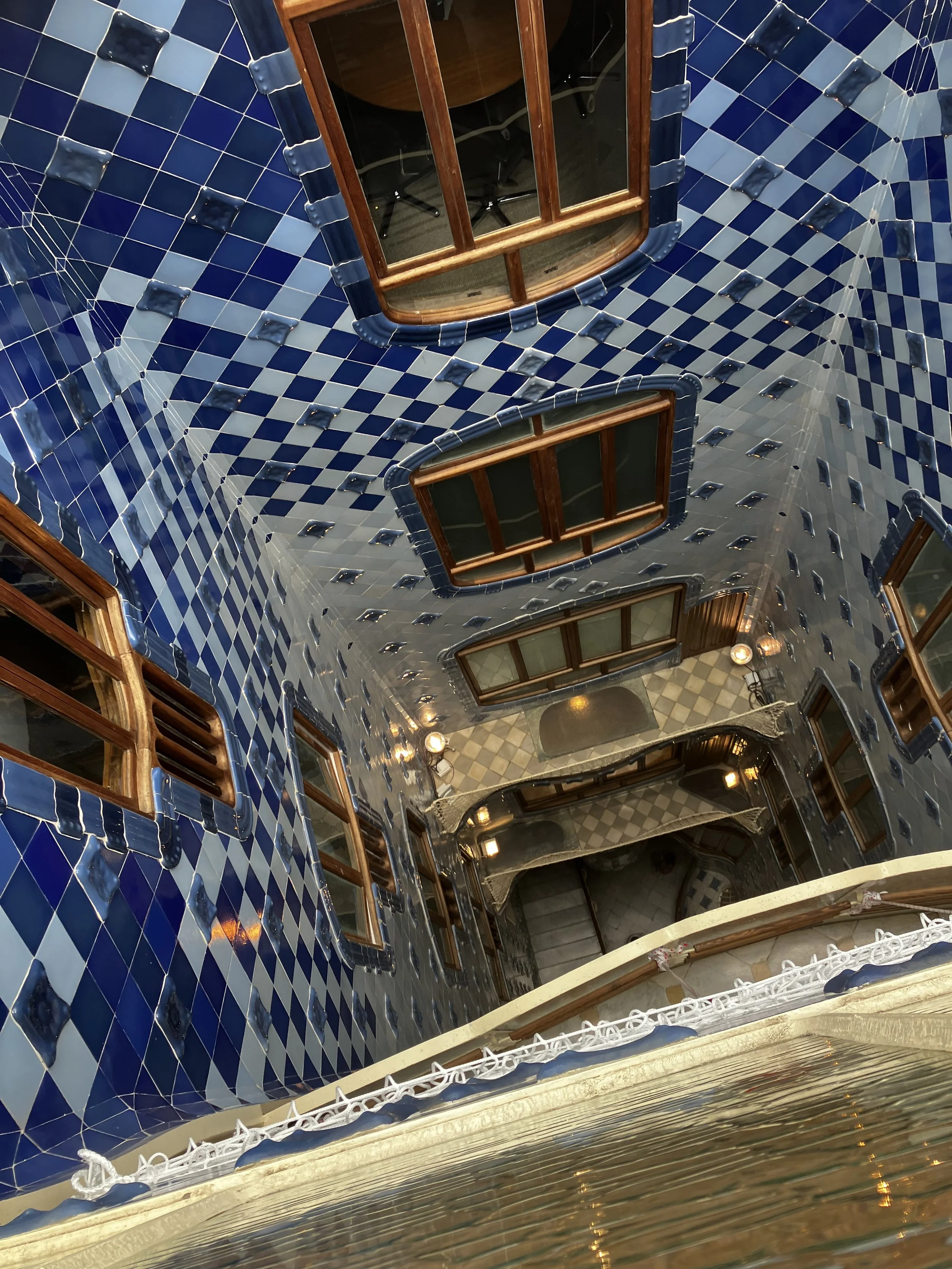
Casa Battlo
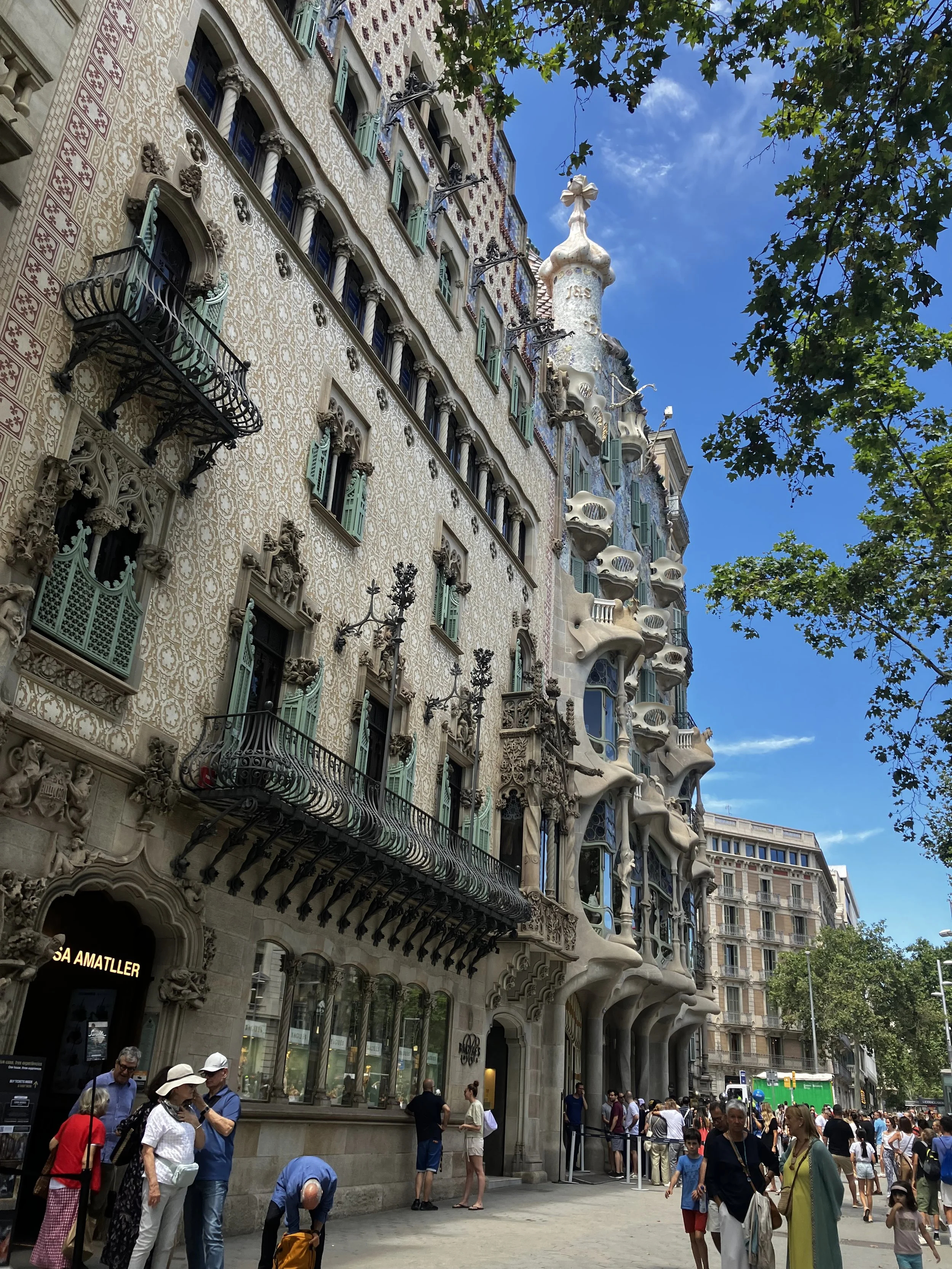
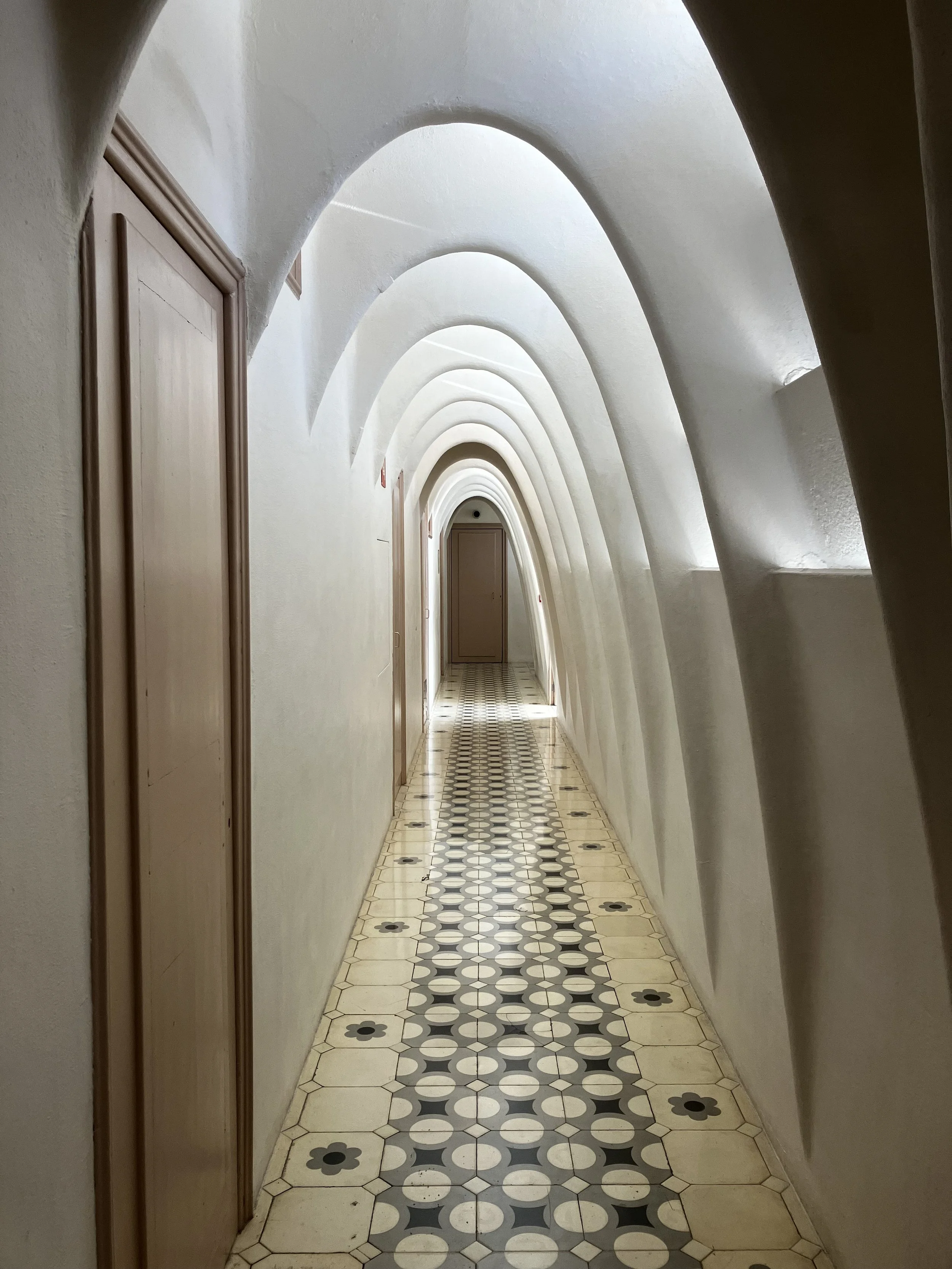
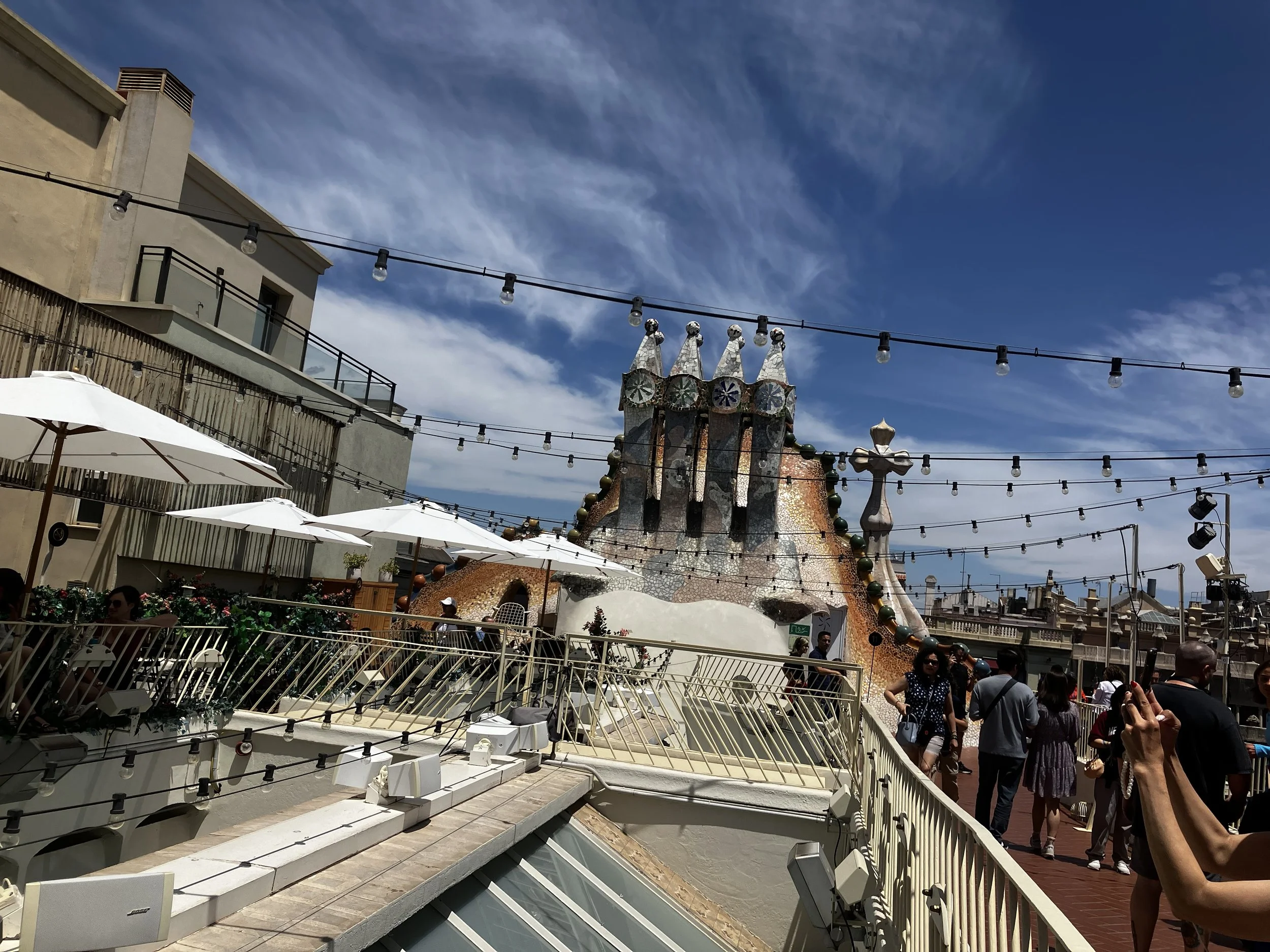
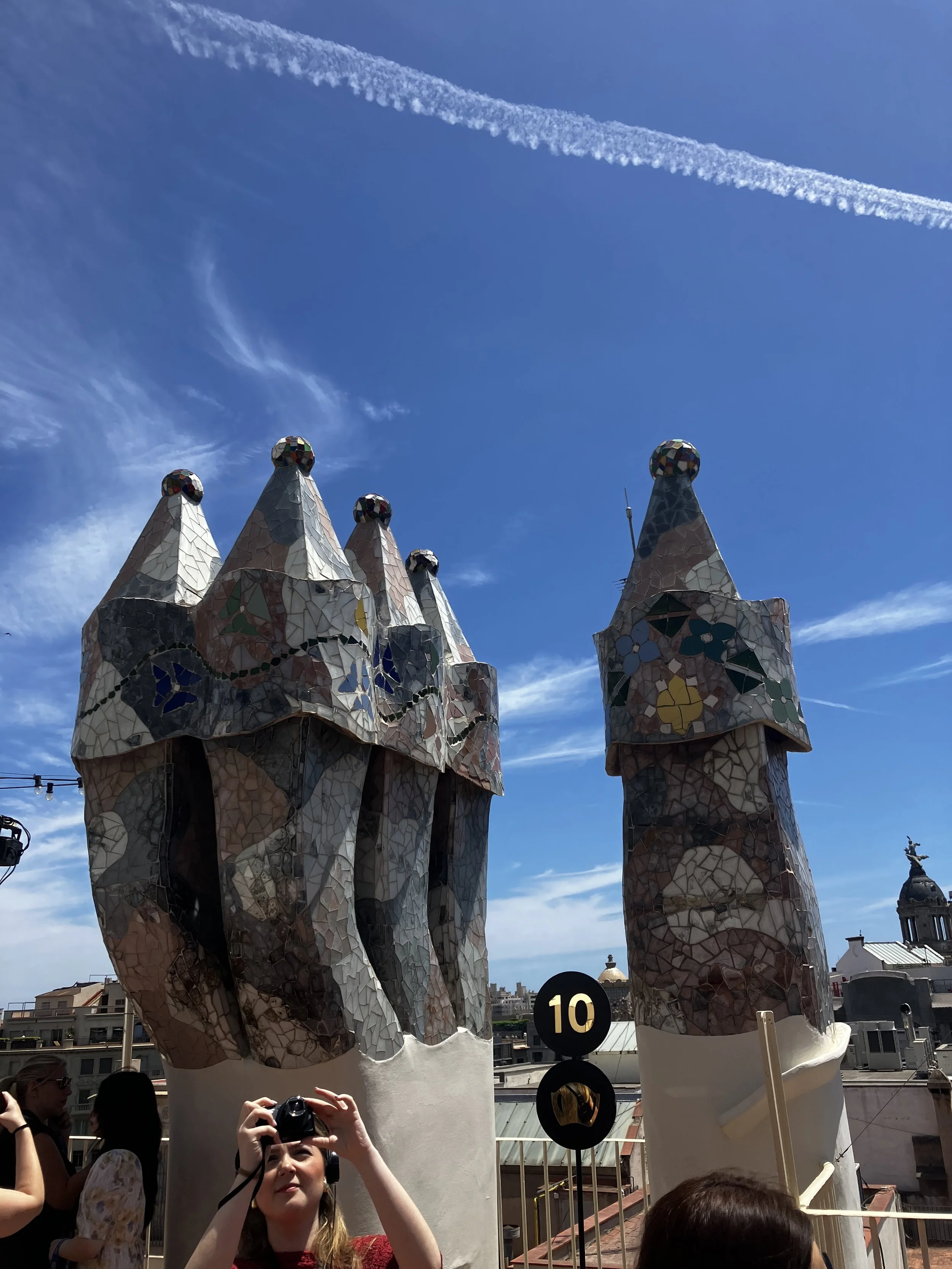
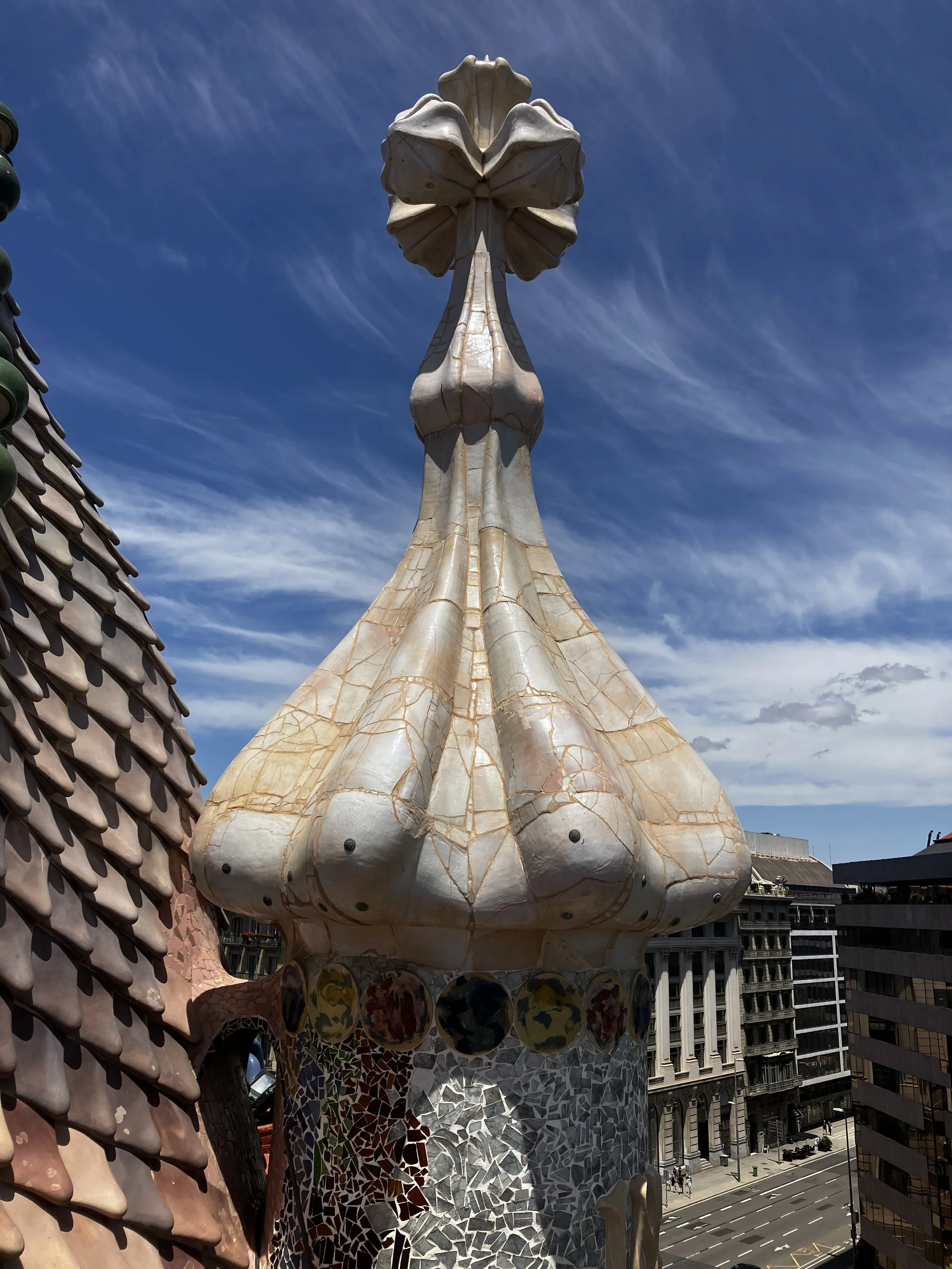
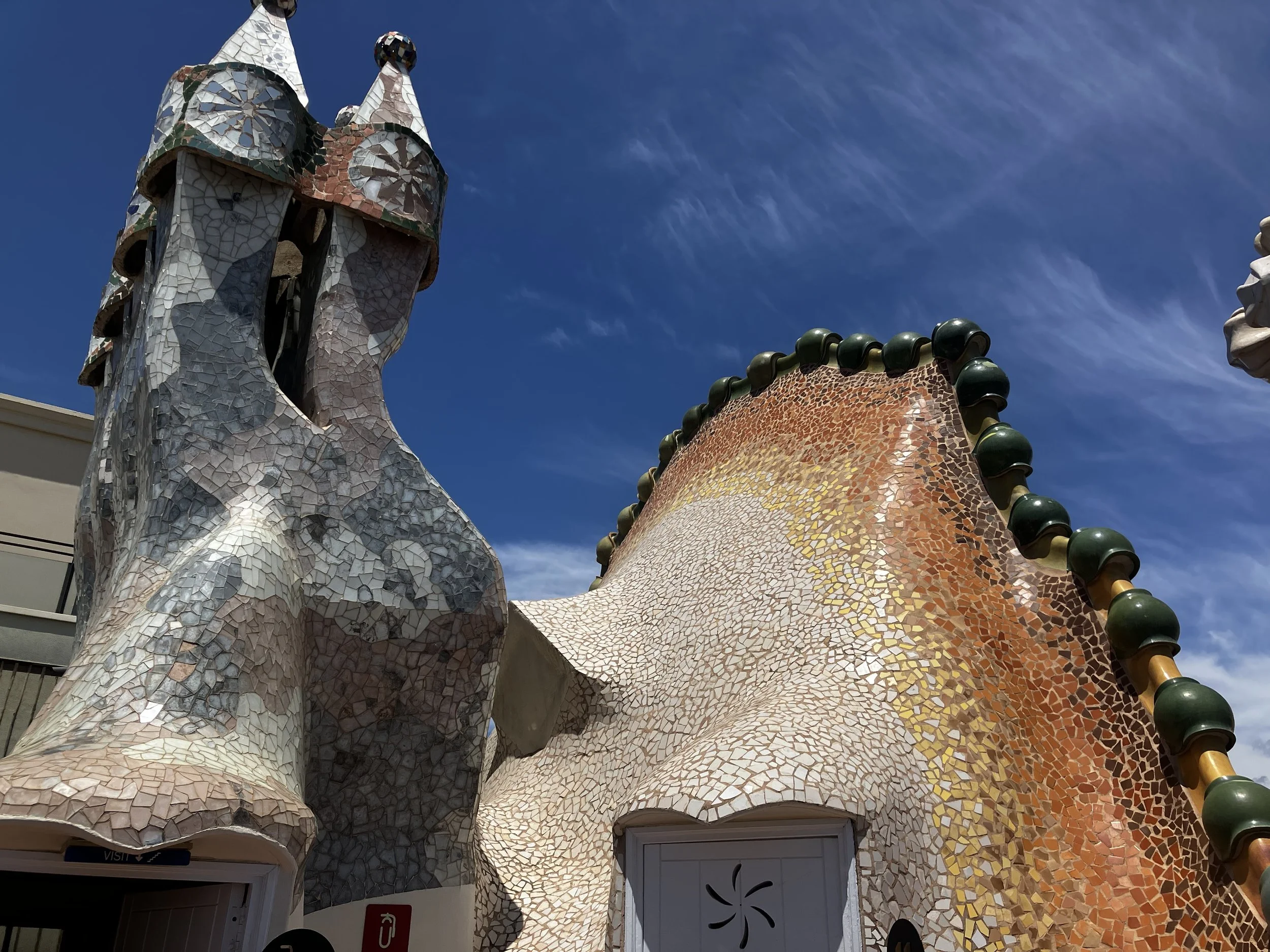
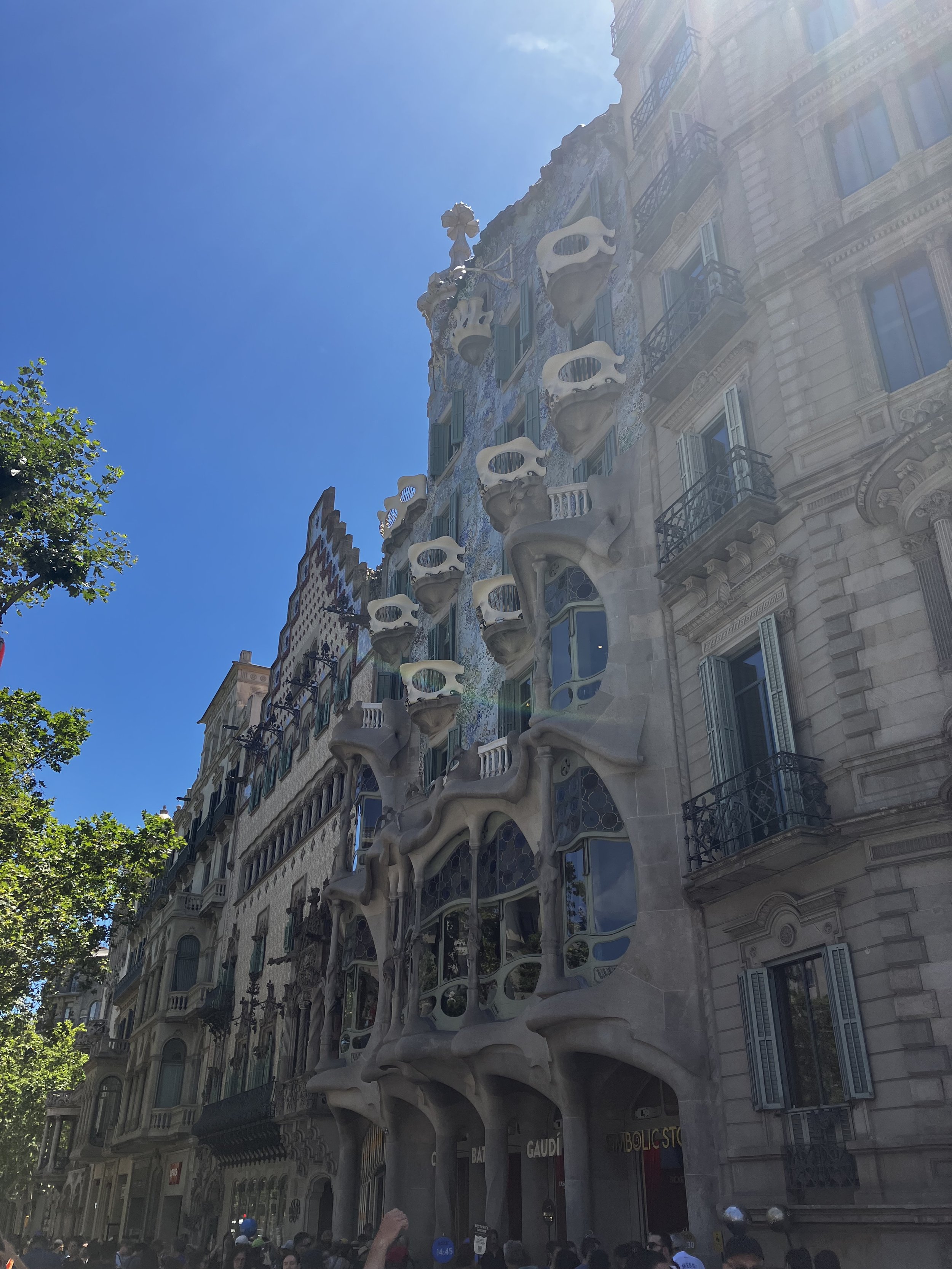
The first Gaudian stop on the trip, a treasure trove of Naturalistic decisions done to mimic the curves, sways, gradients and textures of the outside world on the interior of the building. Ribcage Archways on the Upper Floor, a green room adjacent the blue atrium, with Stucco and concrete swirls on the ceilings and windows and a spinal column-like stair rail. Each new detail made the eye swoop, and the fluidity of form from the facade into the interior elements let me know that anything was possible with the right amount of intentionality behind it. You can see, especially in the chimney work and the famous scales of the roof dragon where the further projects like Parc Guell and La Sagrada Familia would be continuations of Gaudi’s work.
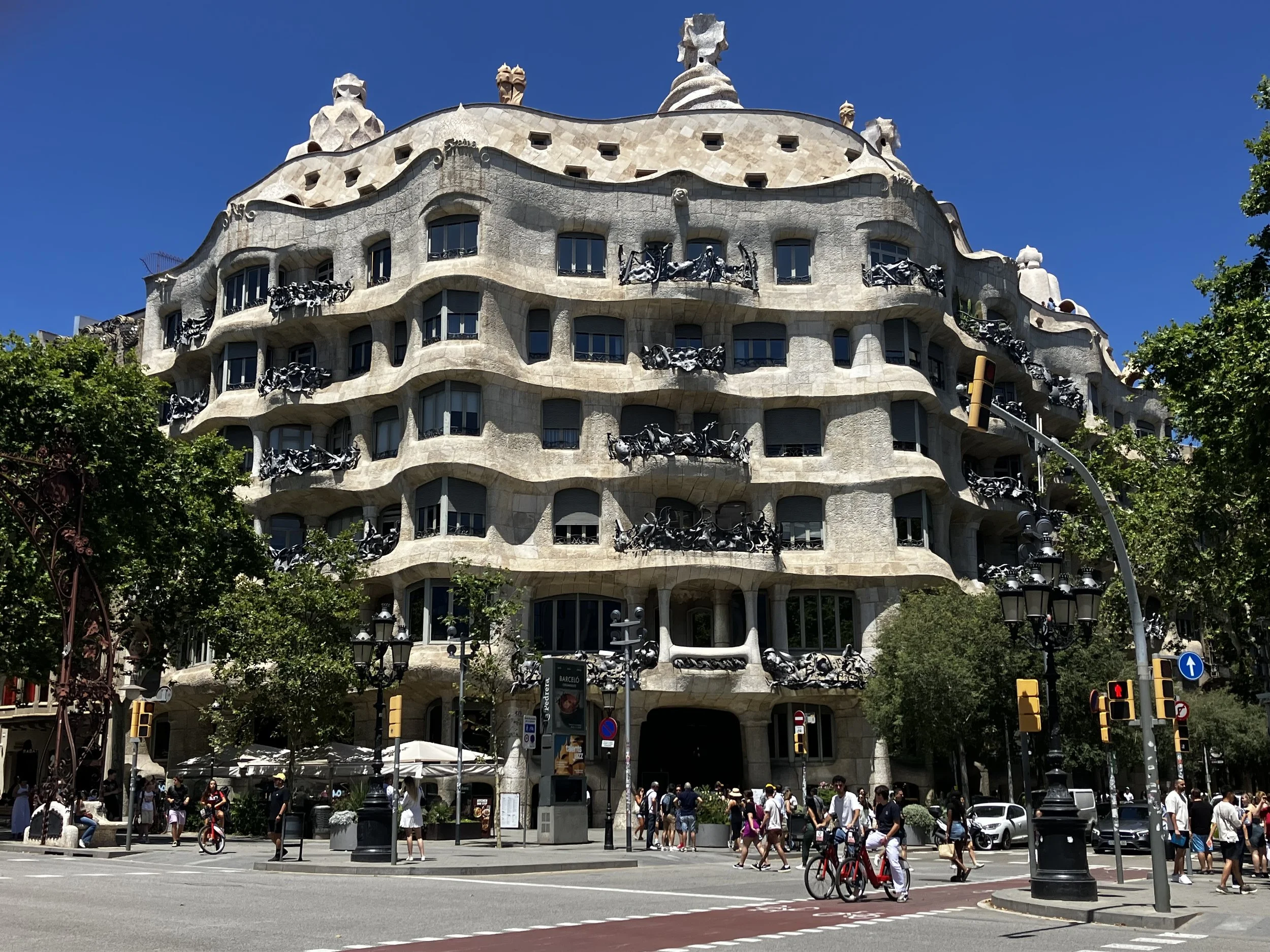
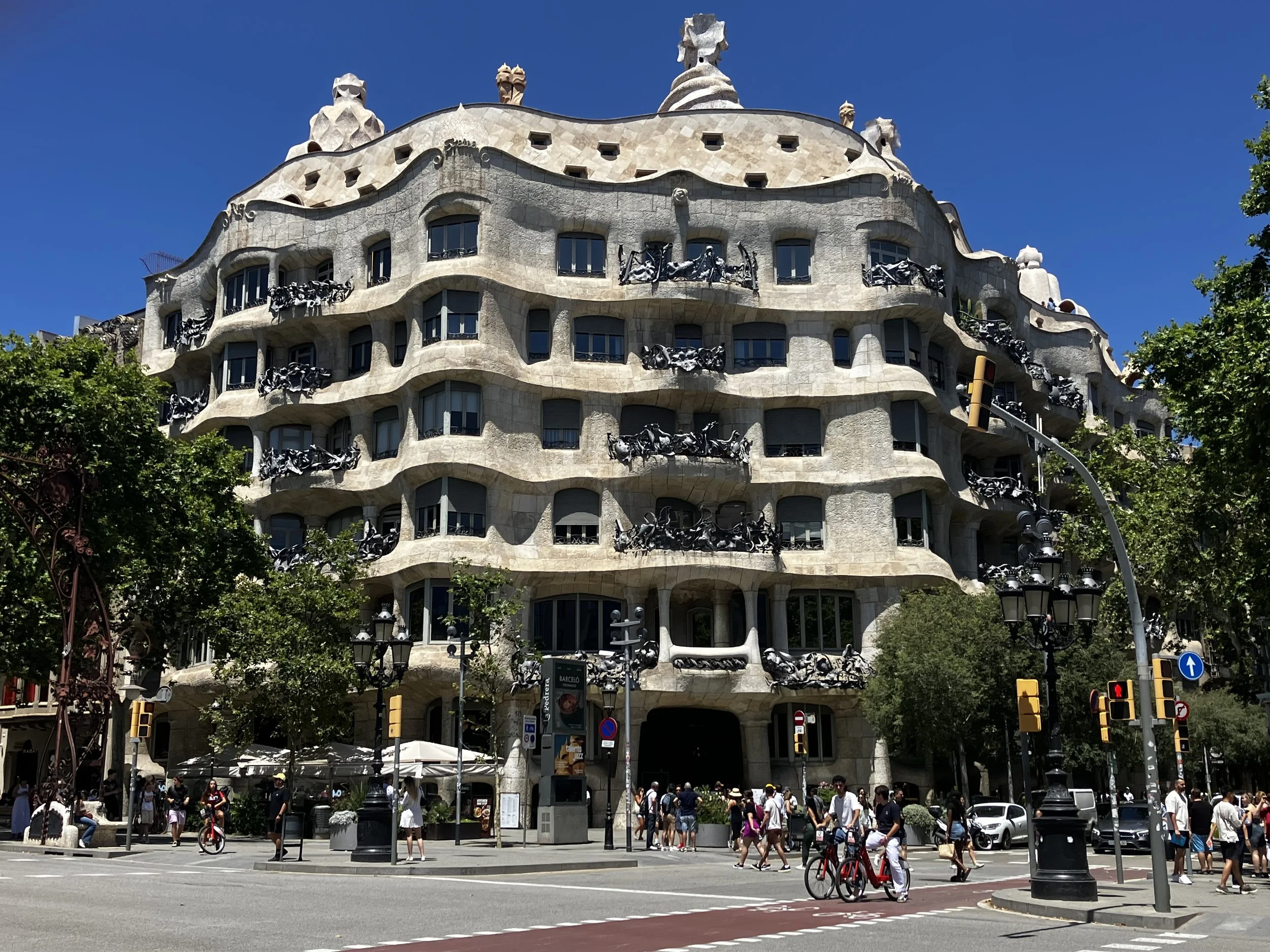
Casa Mila (or La Pedrera)
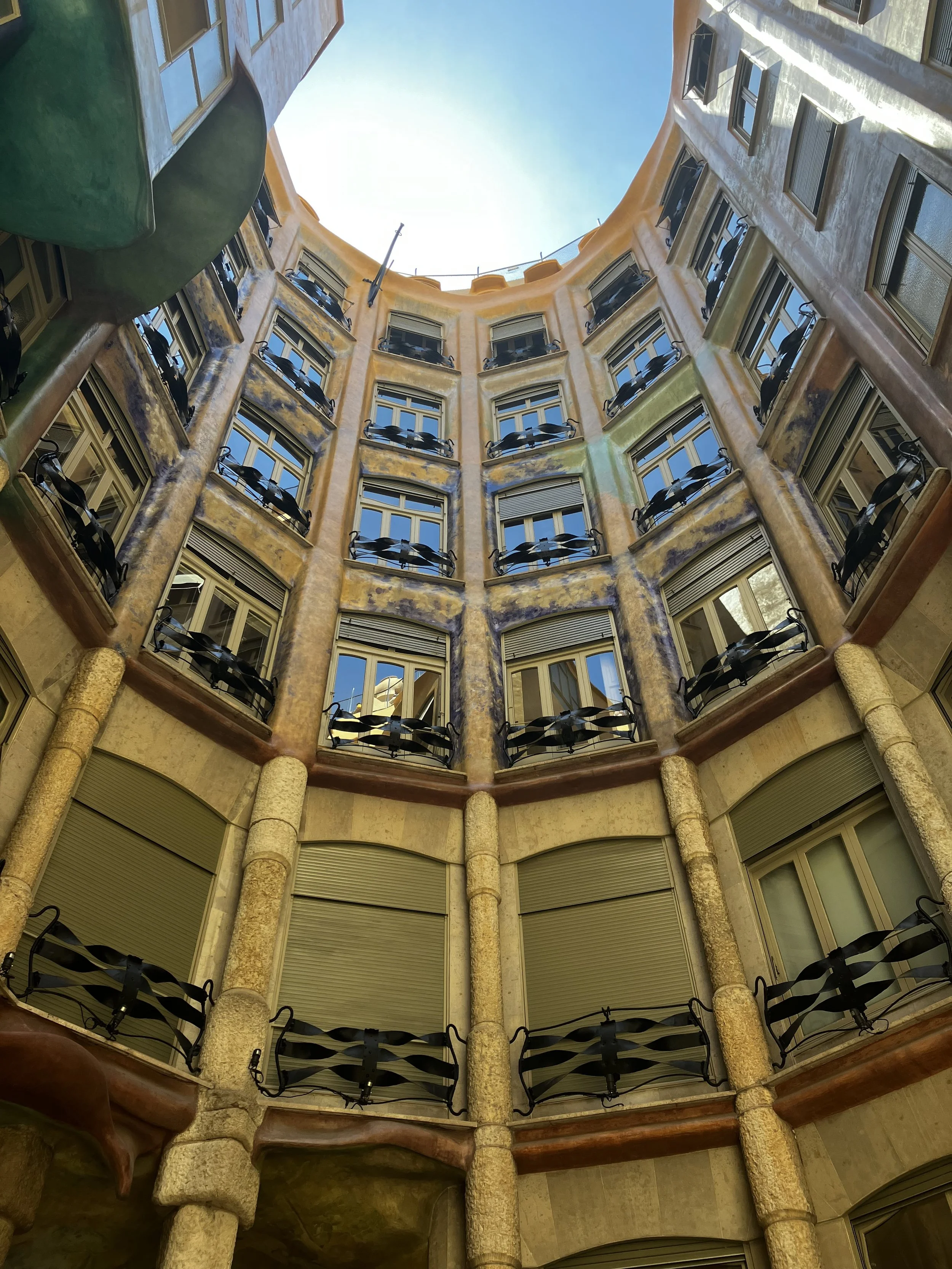
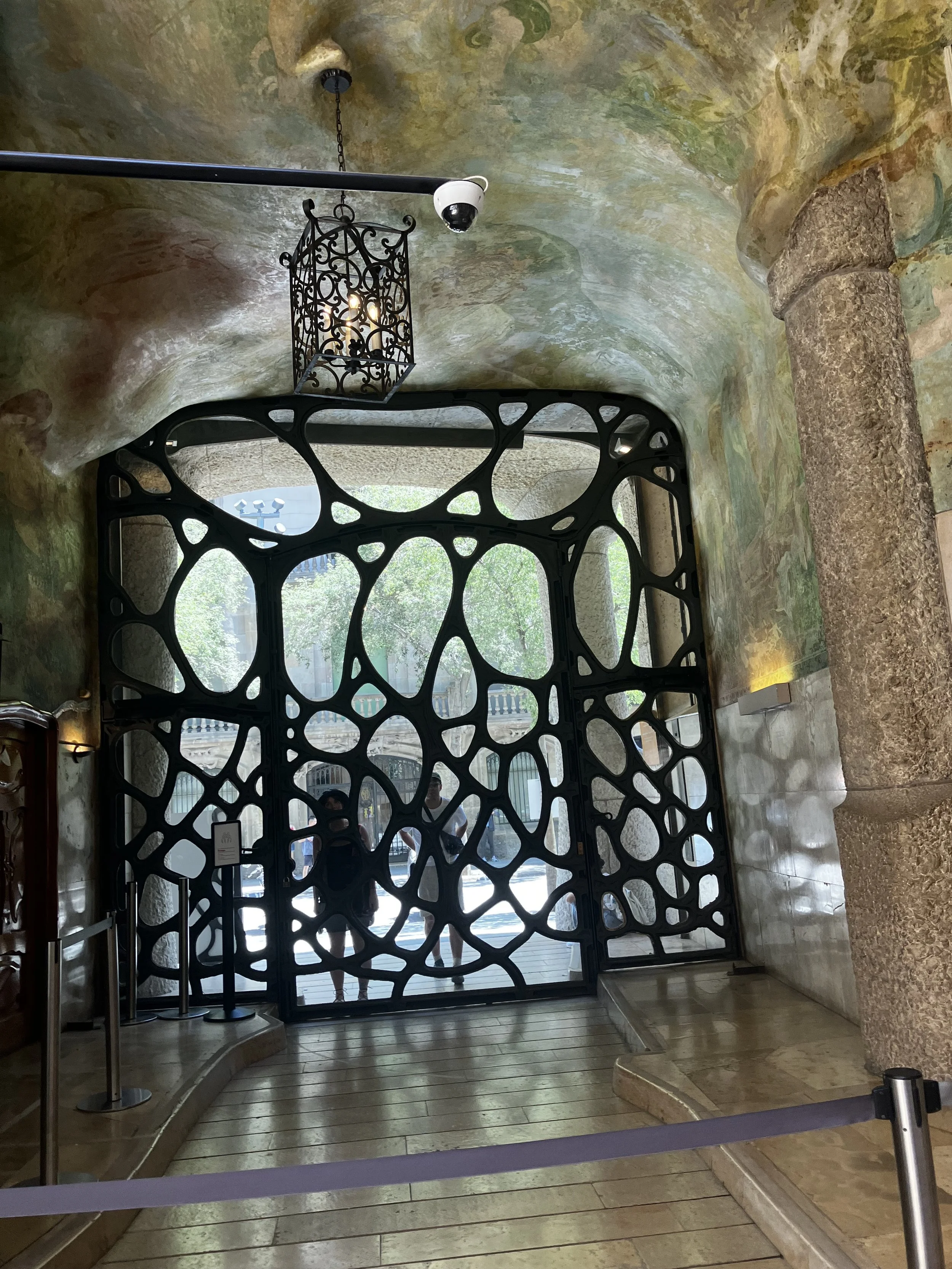
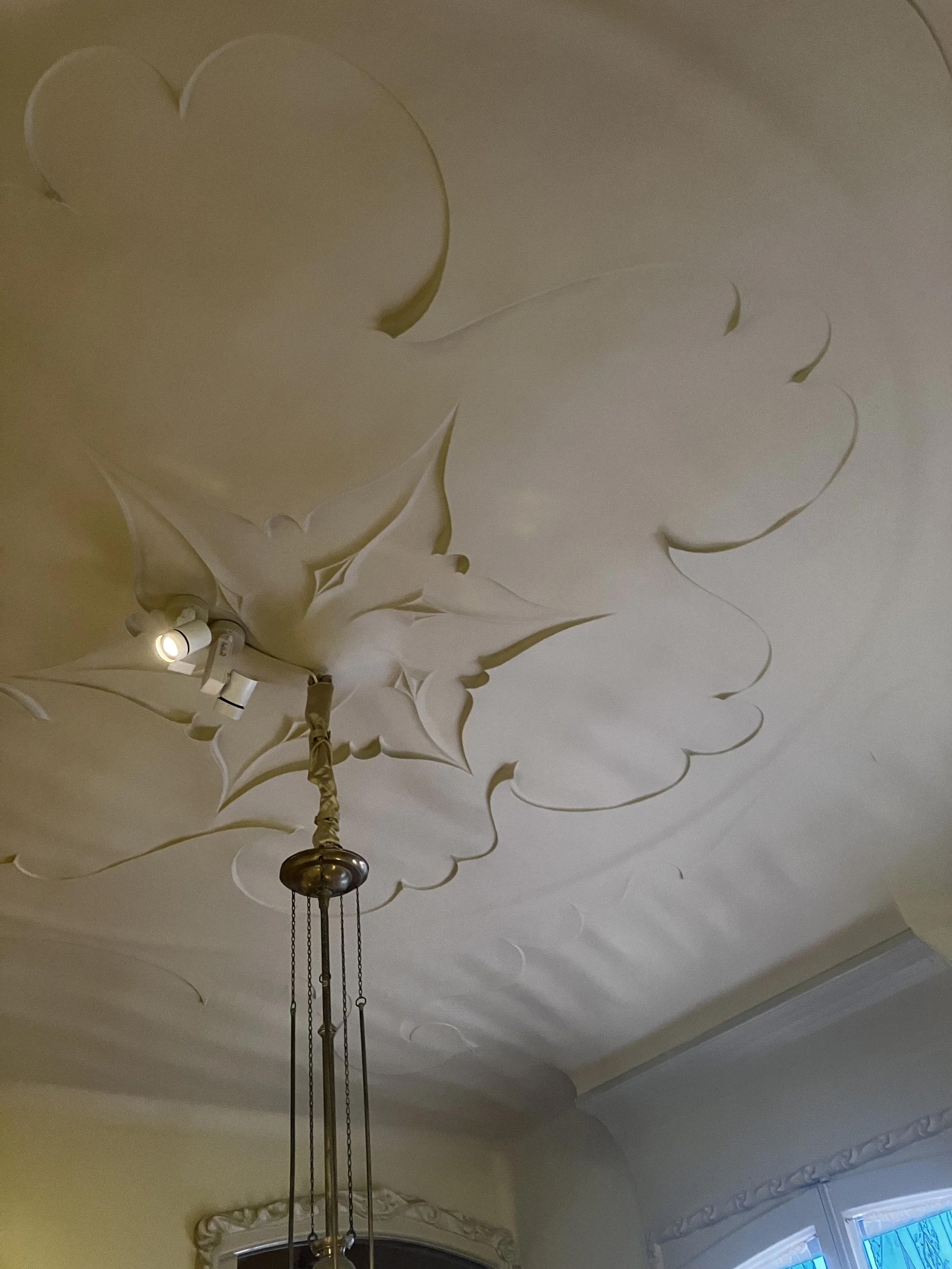
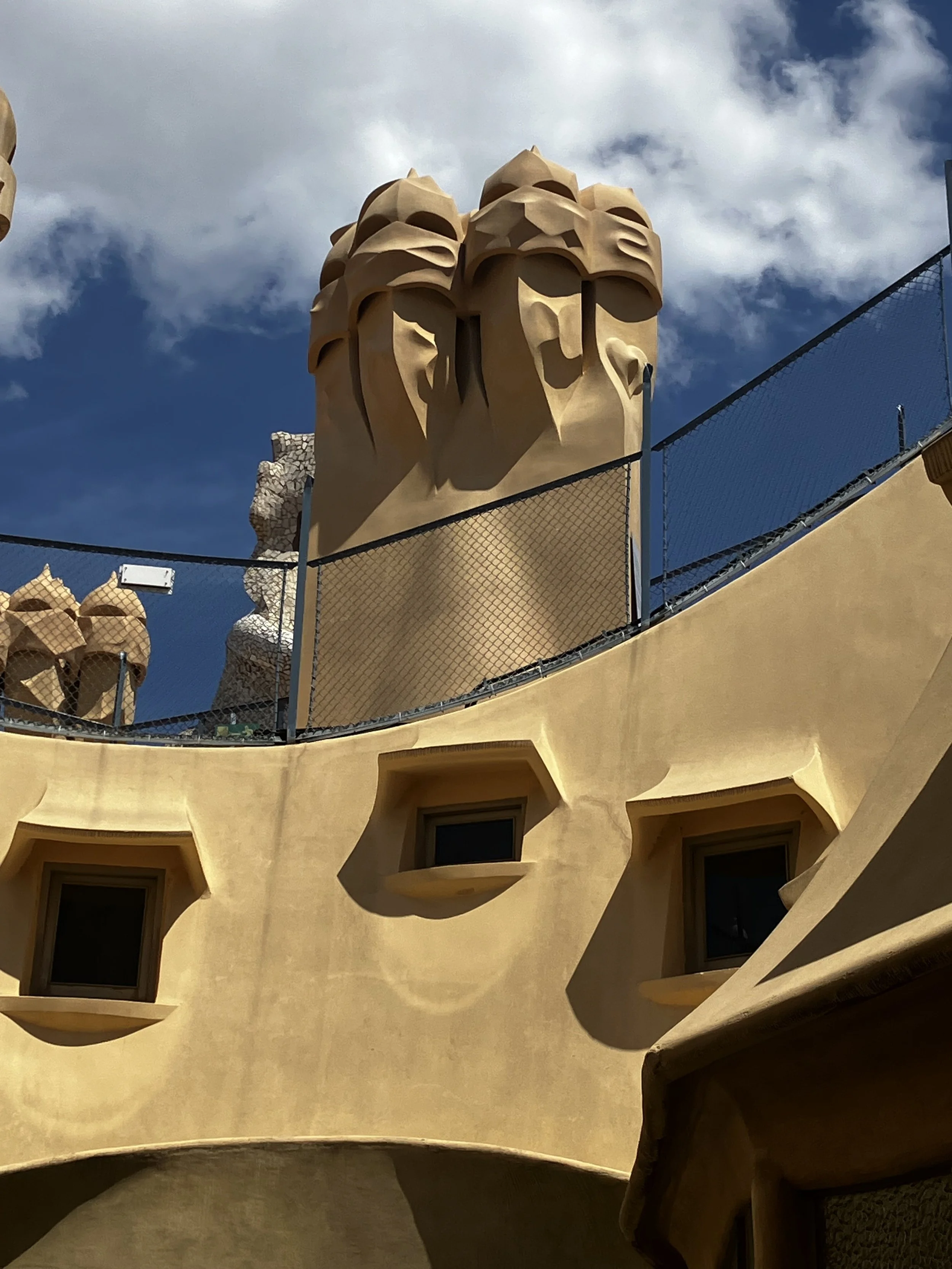
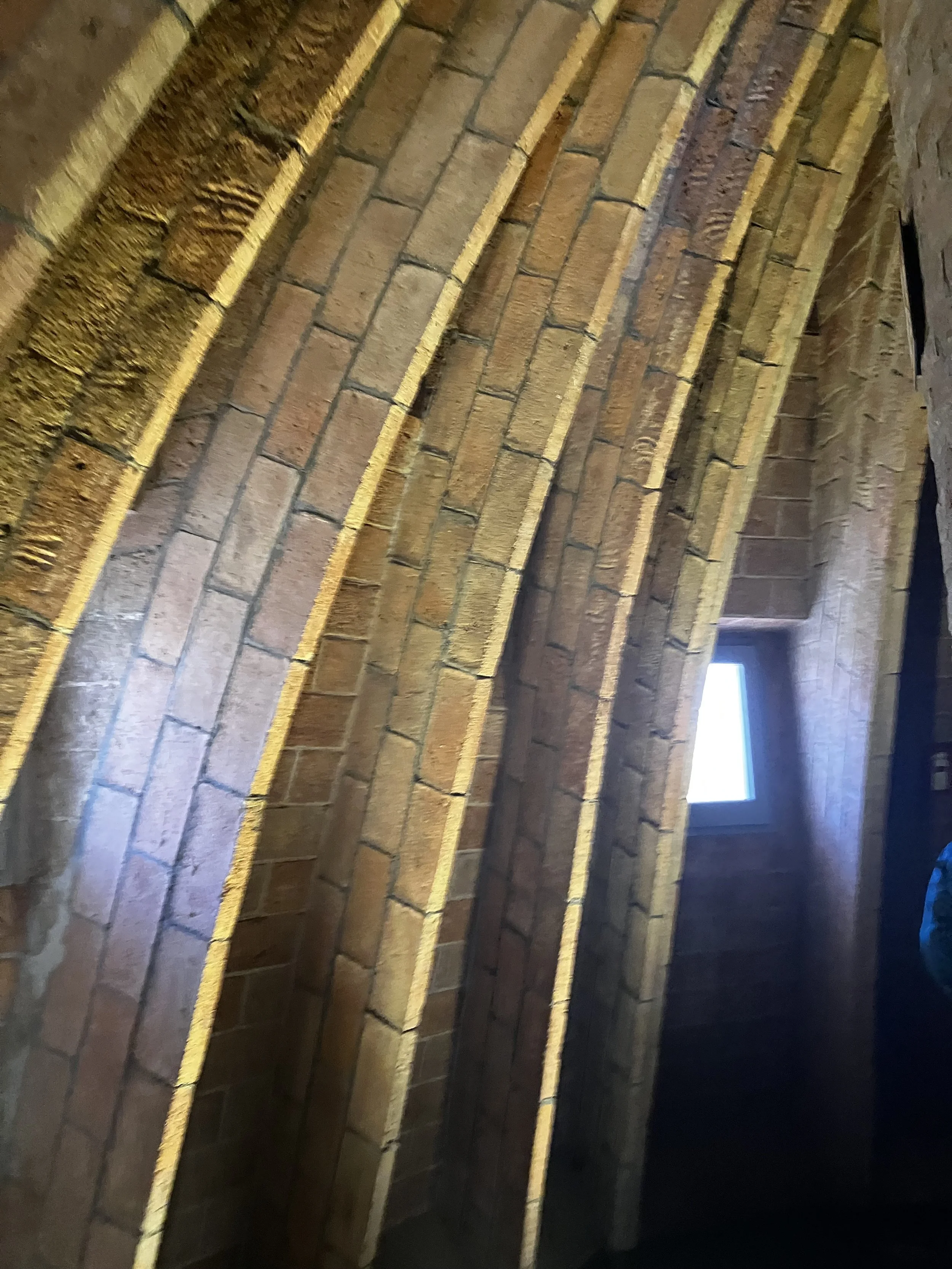
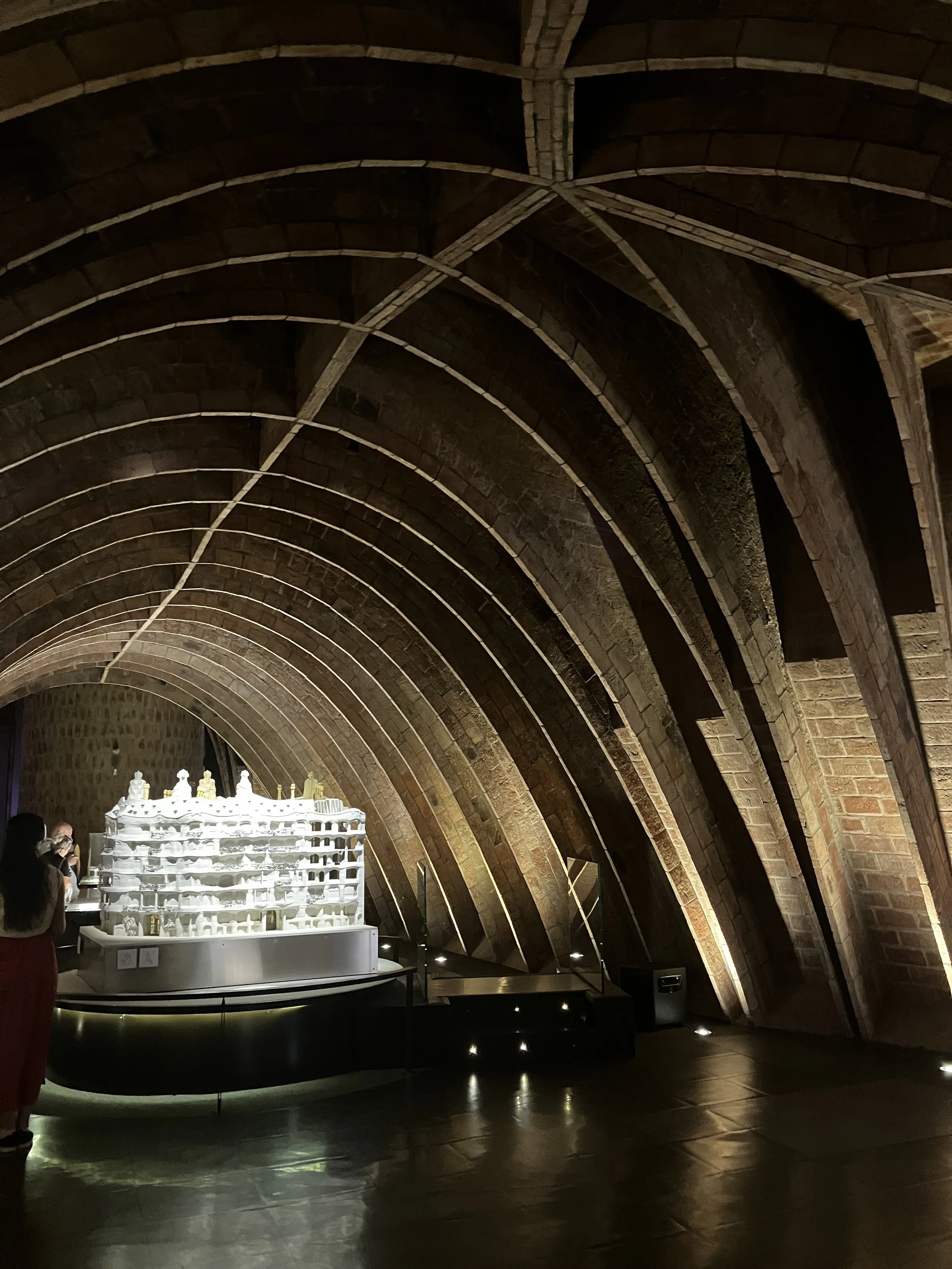
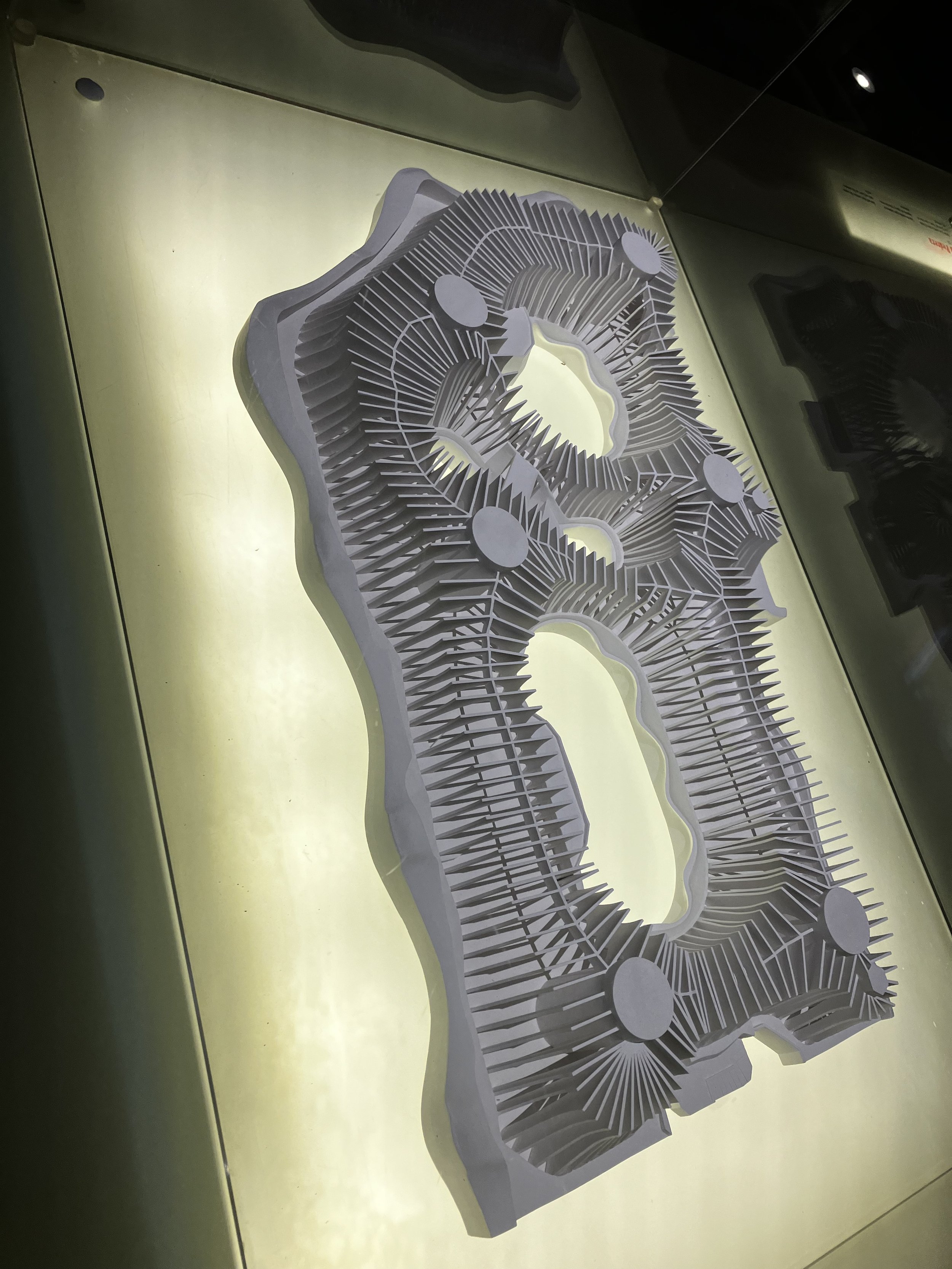
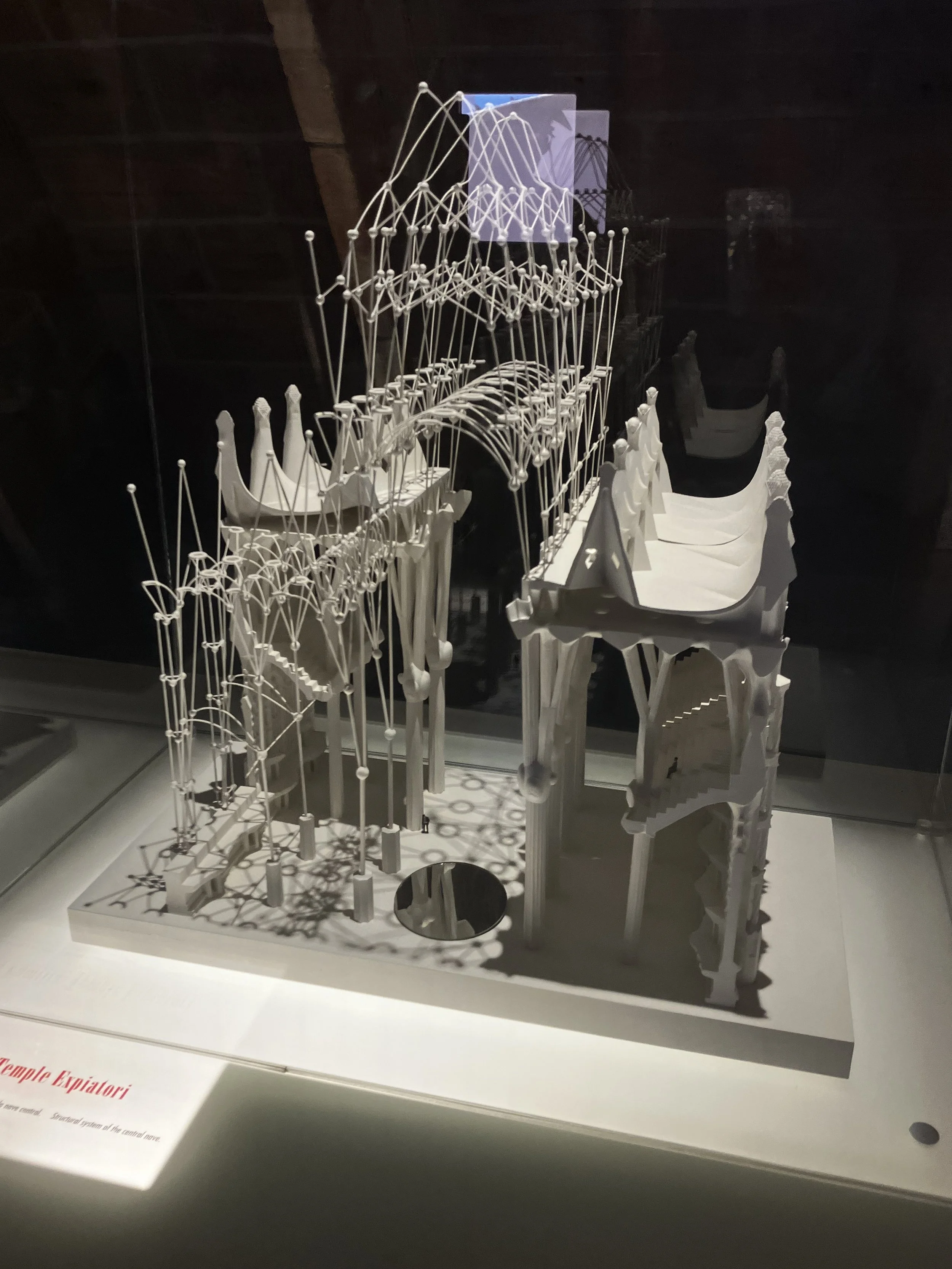
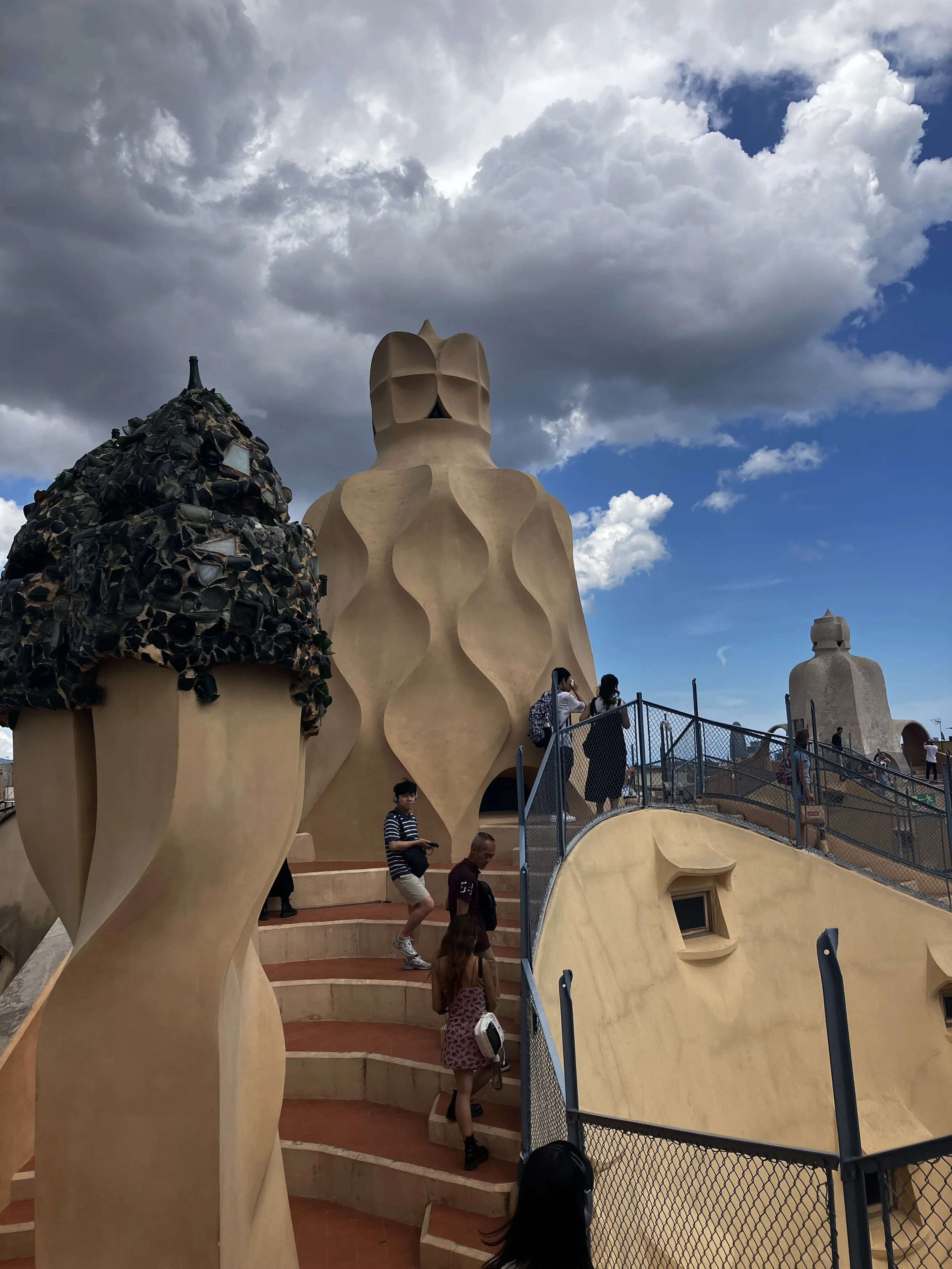
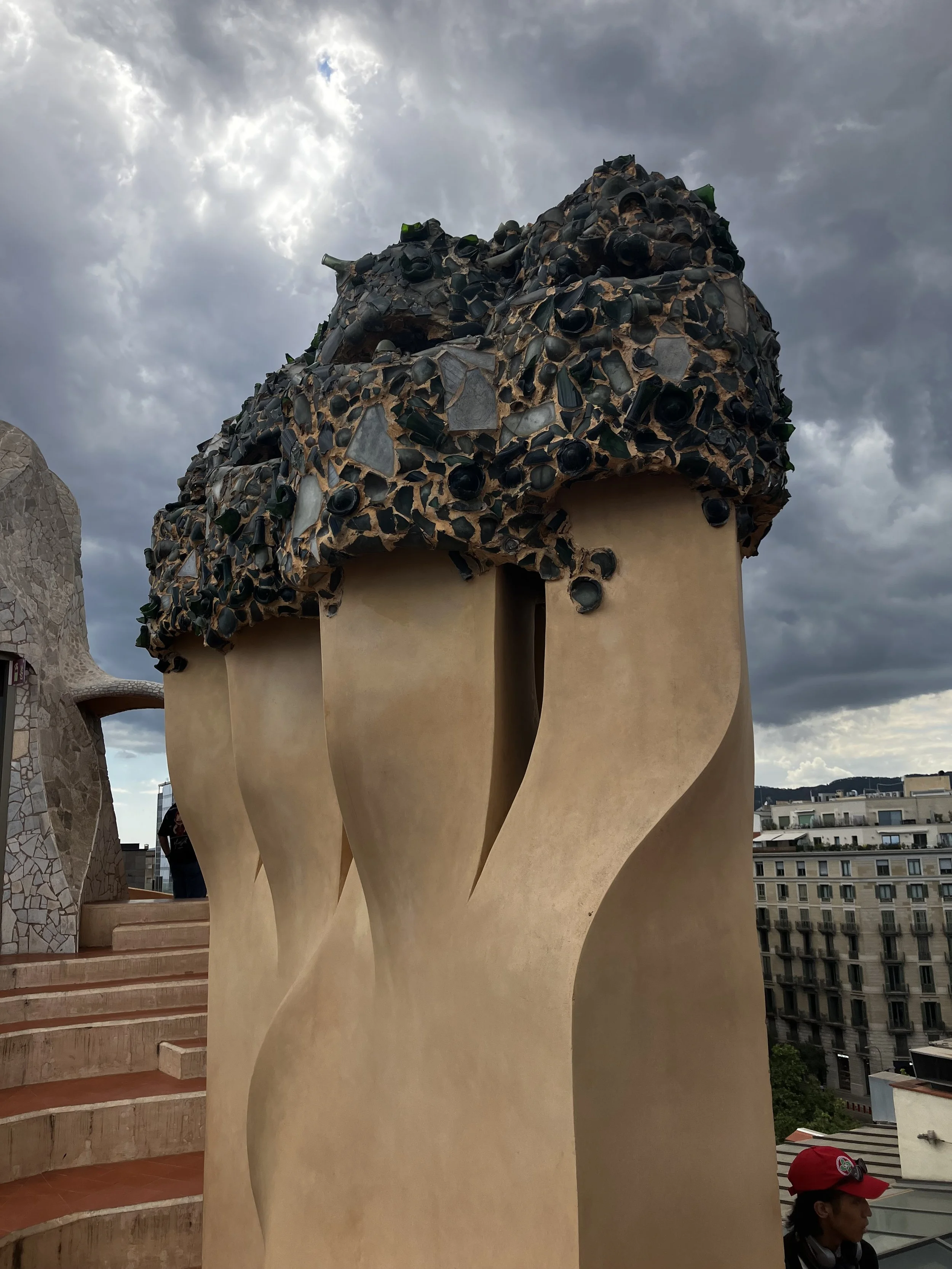
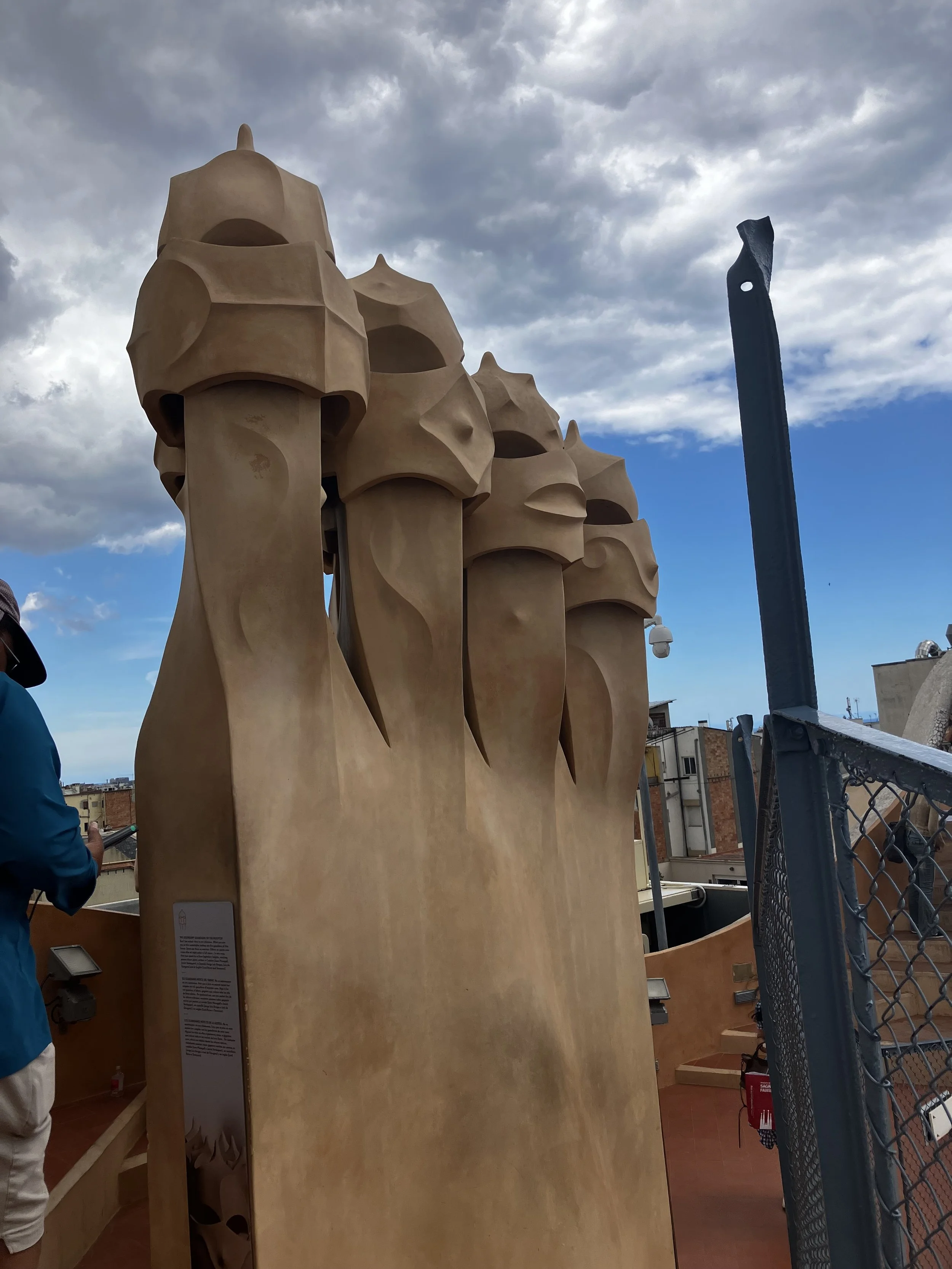
The second stop on the sight-seeing excursion and it just so happened to be right across the street from the first, with its flowing form unmistakable among its contemporaries along the Eixample. Casa Mila being an apartment building rather than a residence was framed much more like a museum of the typical life of an occupant, so there were numerous office and room set-ups but I found myself more drawn to the steel, brick, and tile details. They described the attic superstructure as that of a whale skeleton and I made sure to photograph the model along with Gaudi’s ingenious chain and weight scheme to figure out arches. The roof, though not as iconic as the Dragon Back of the Battlo, still featured a number of naturalistic chimneys that were worth a look.
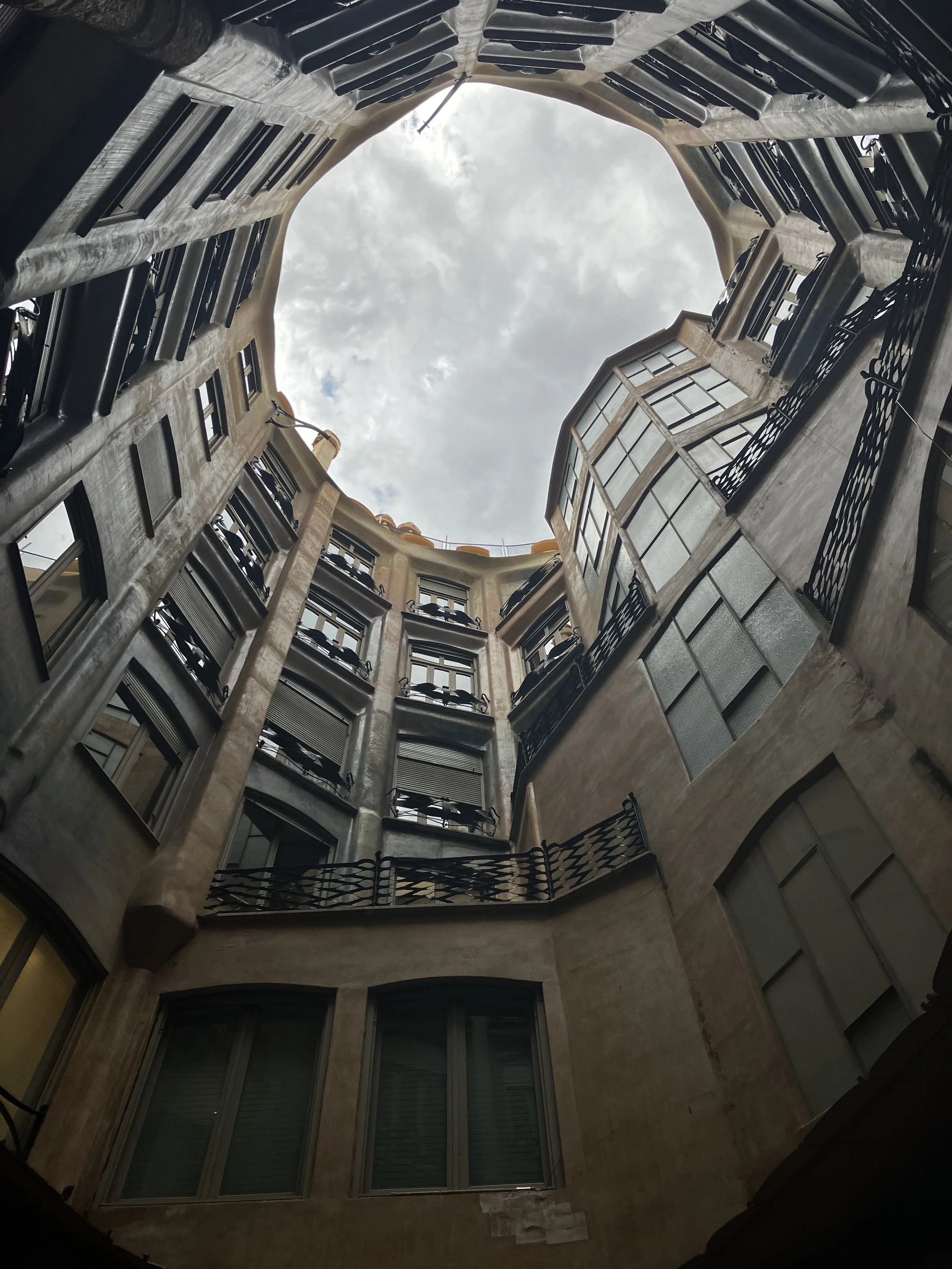
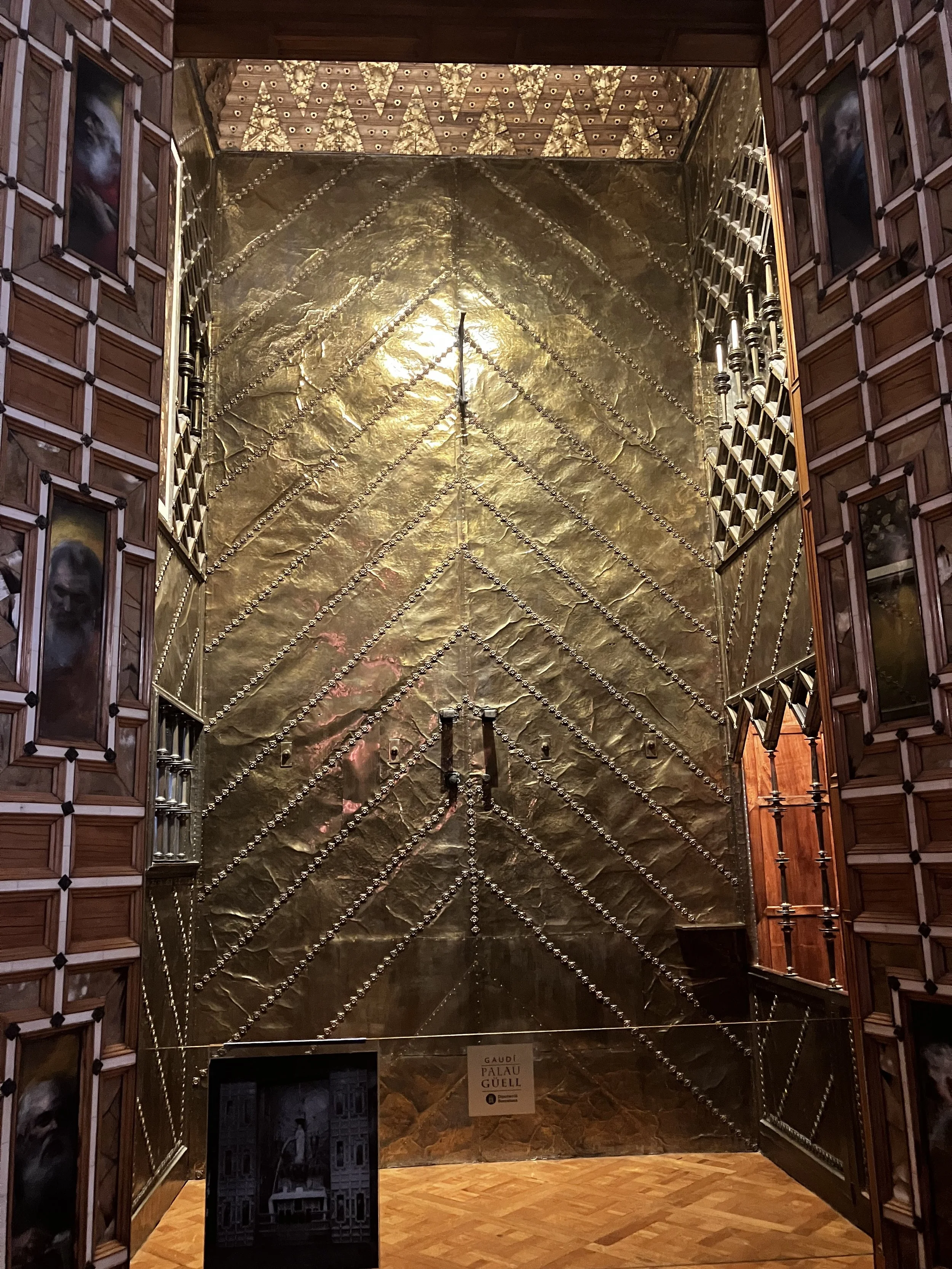
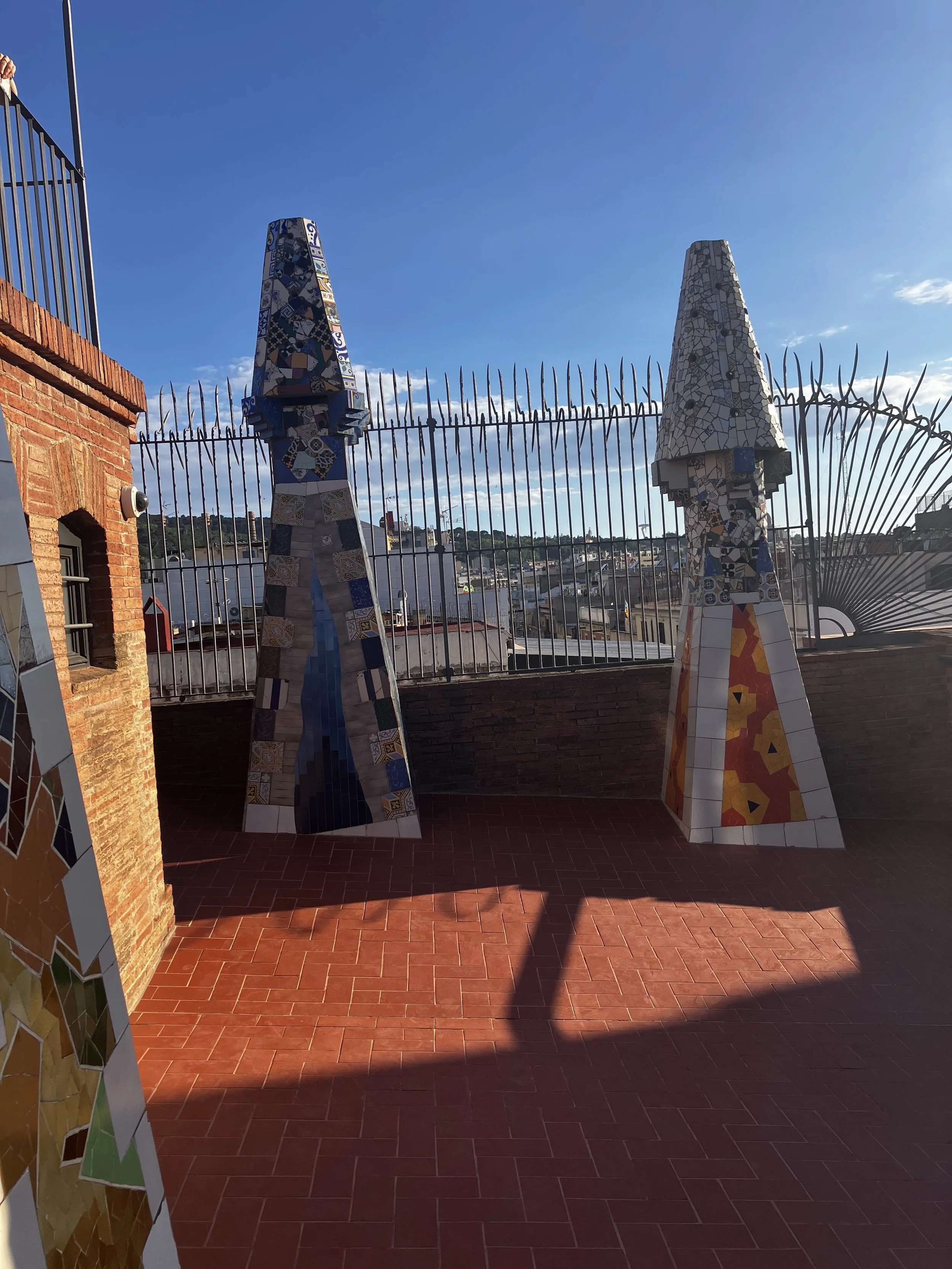
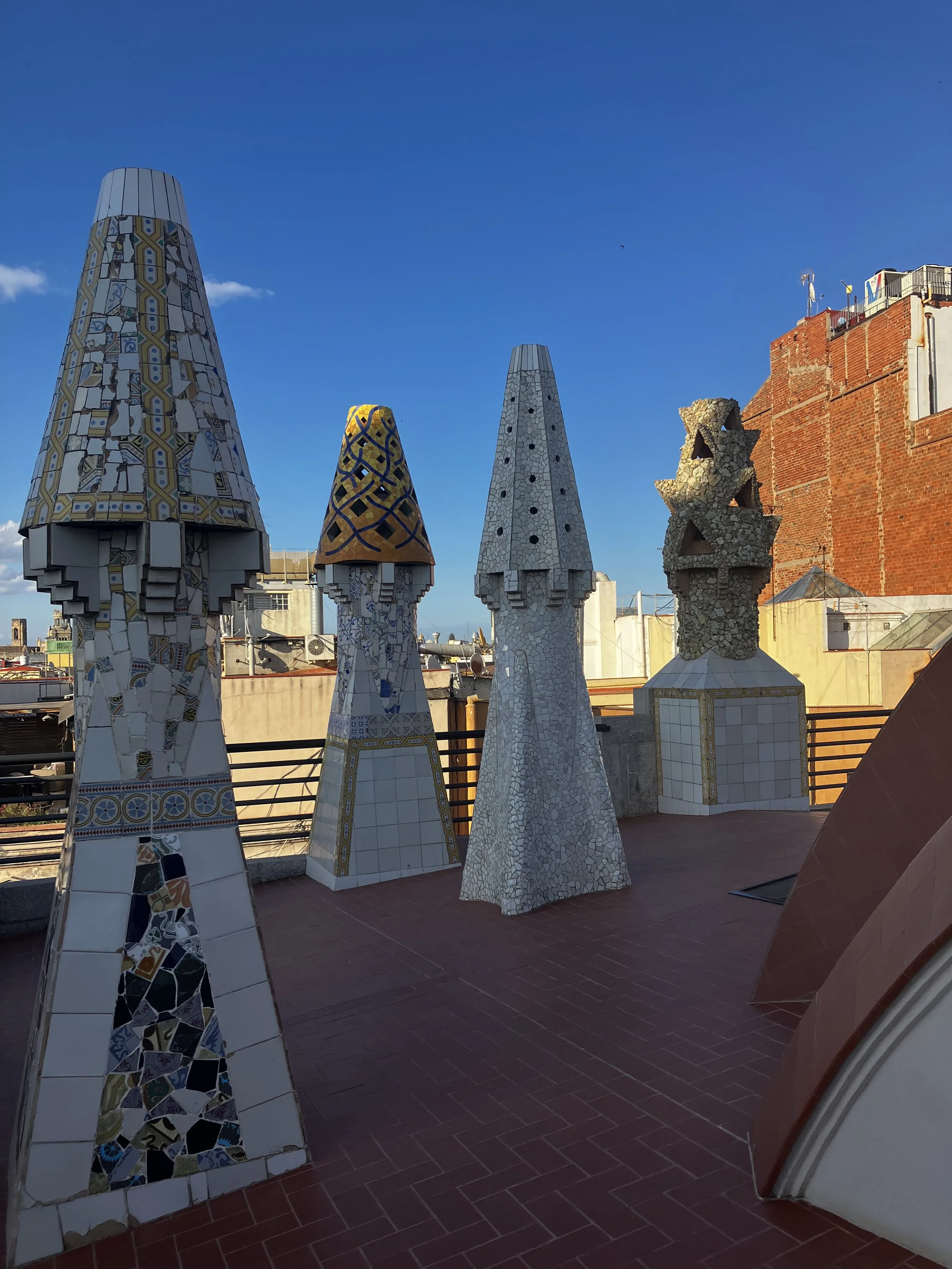
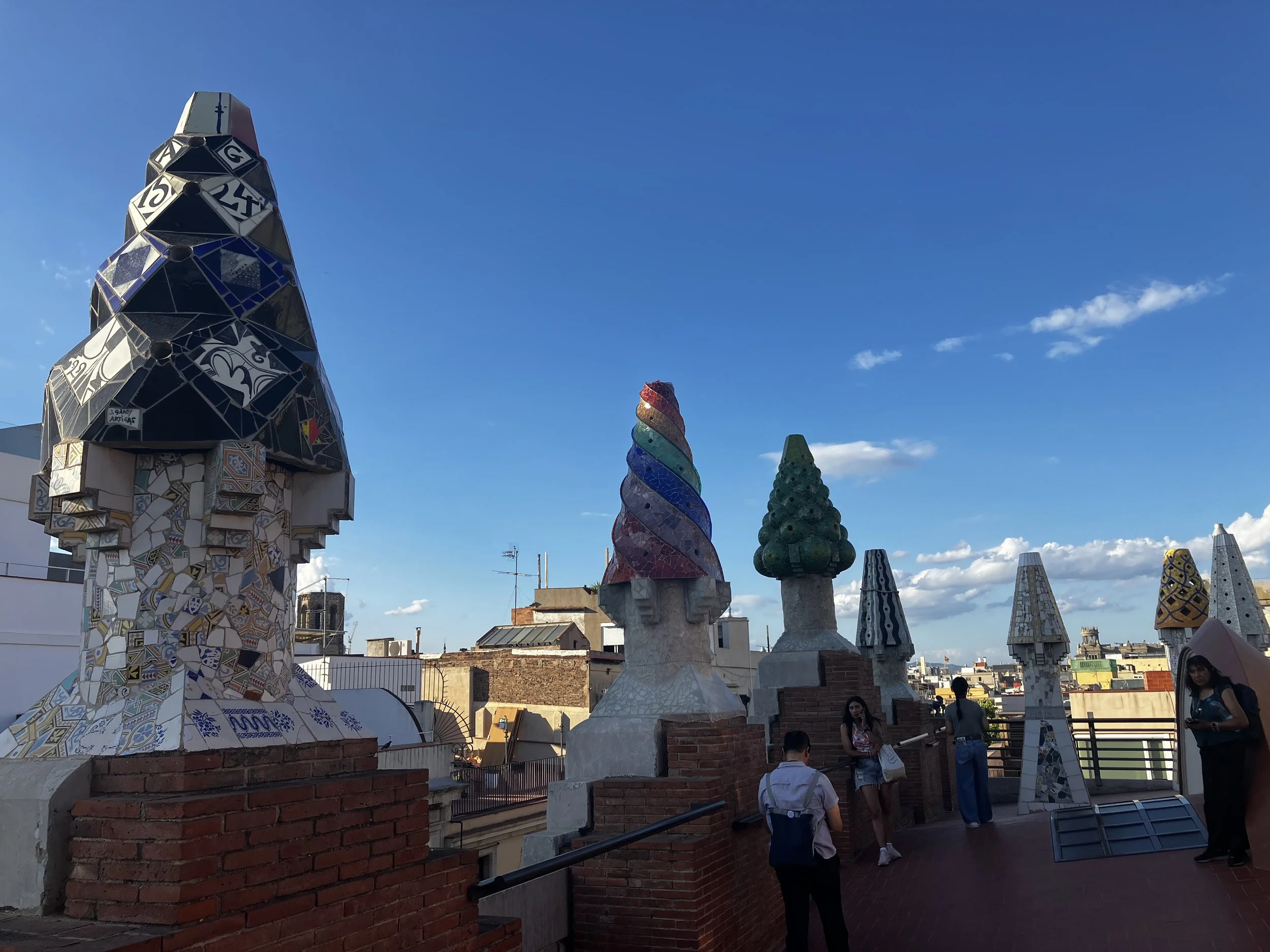
La Sagrada Familia and Palau Guell
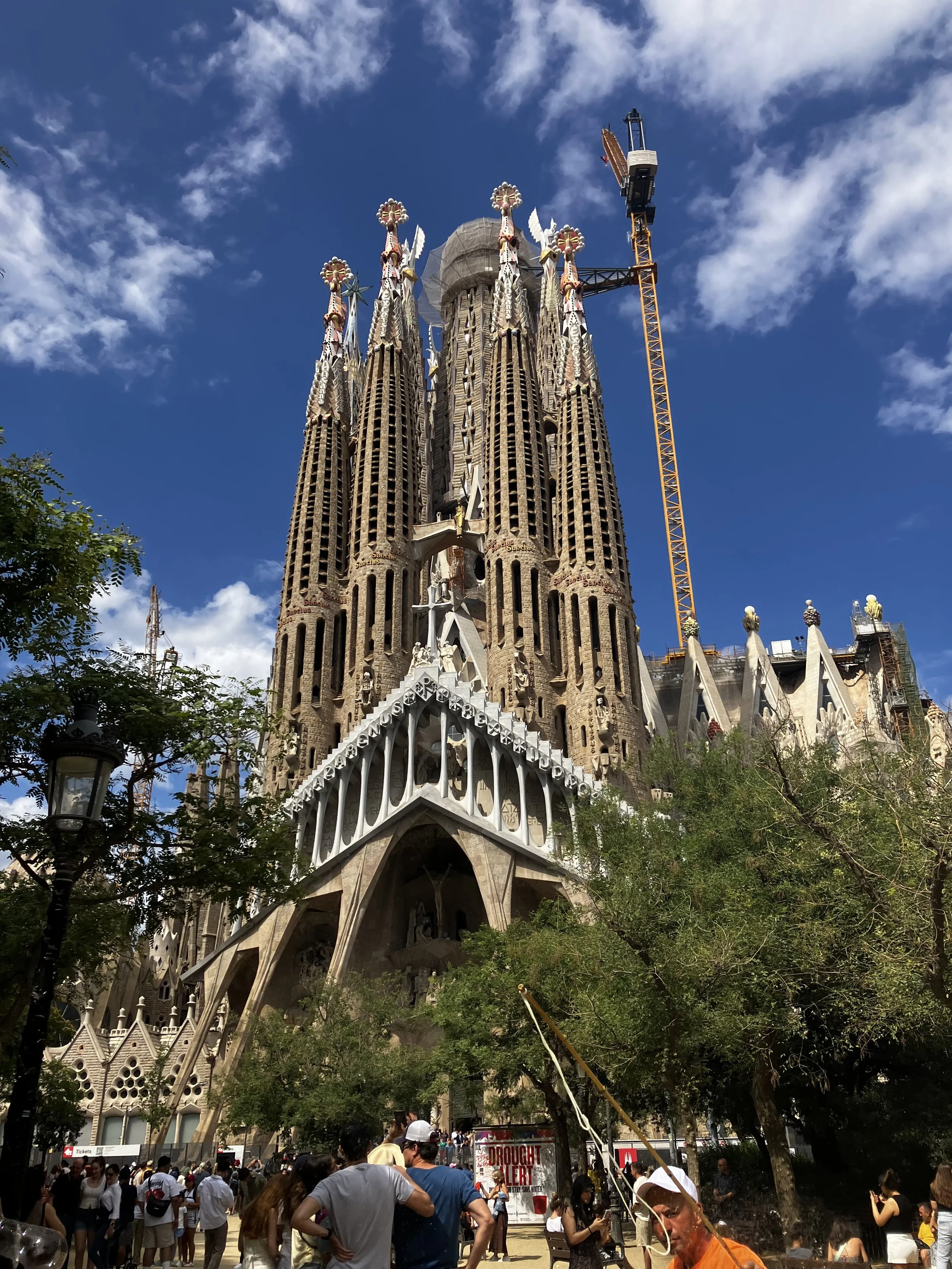
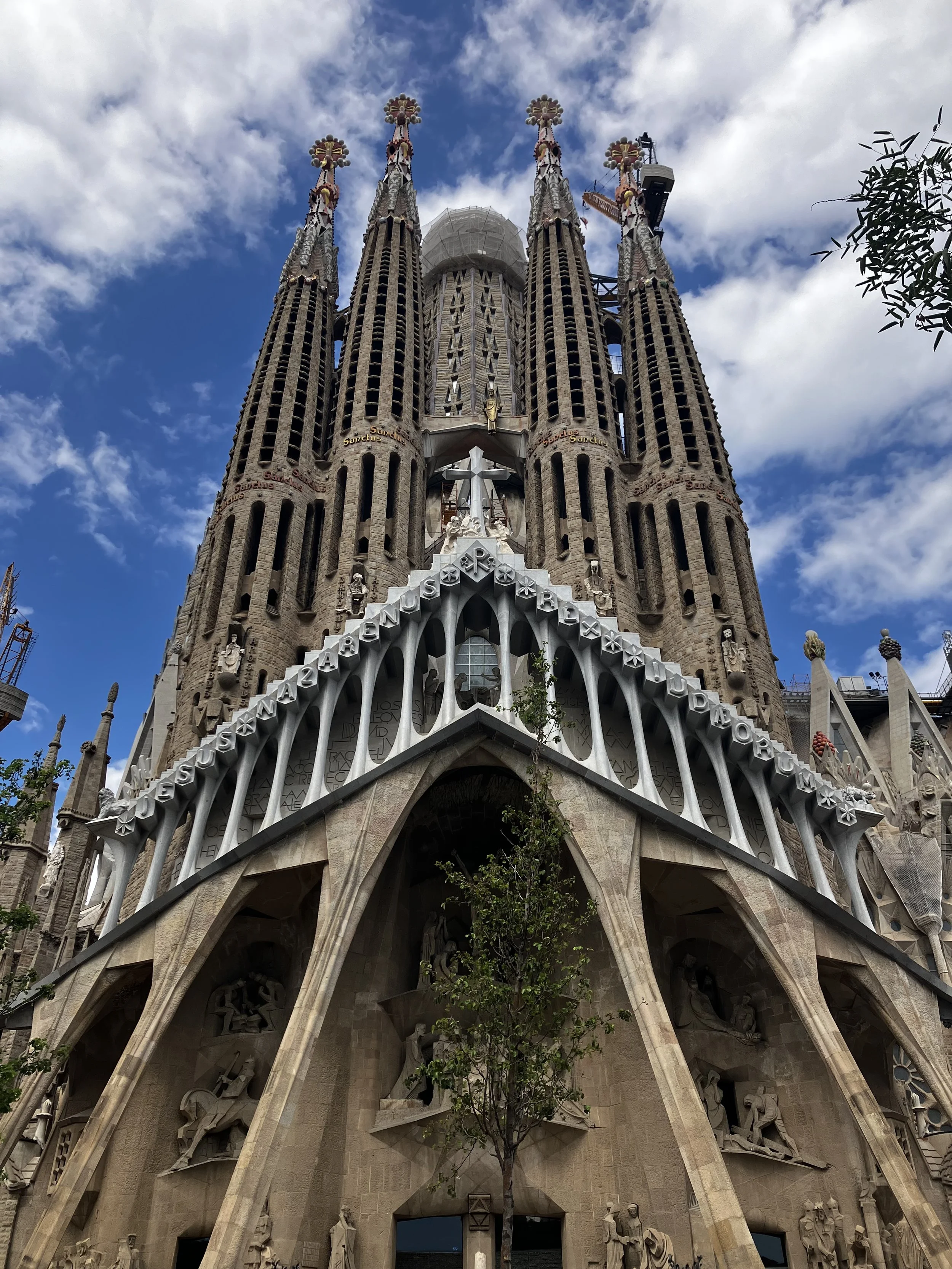
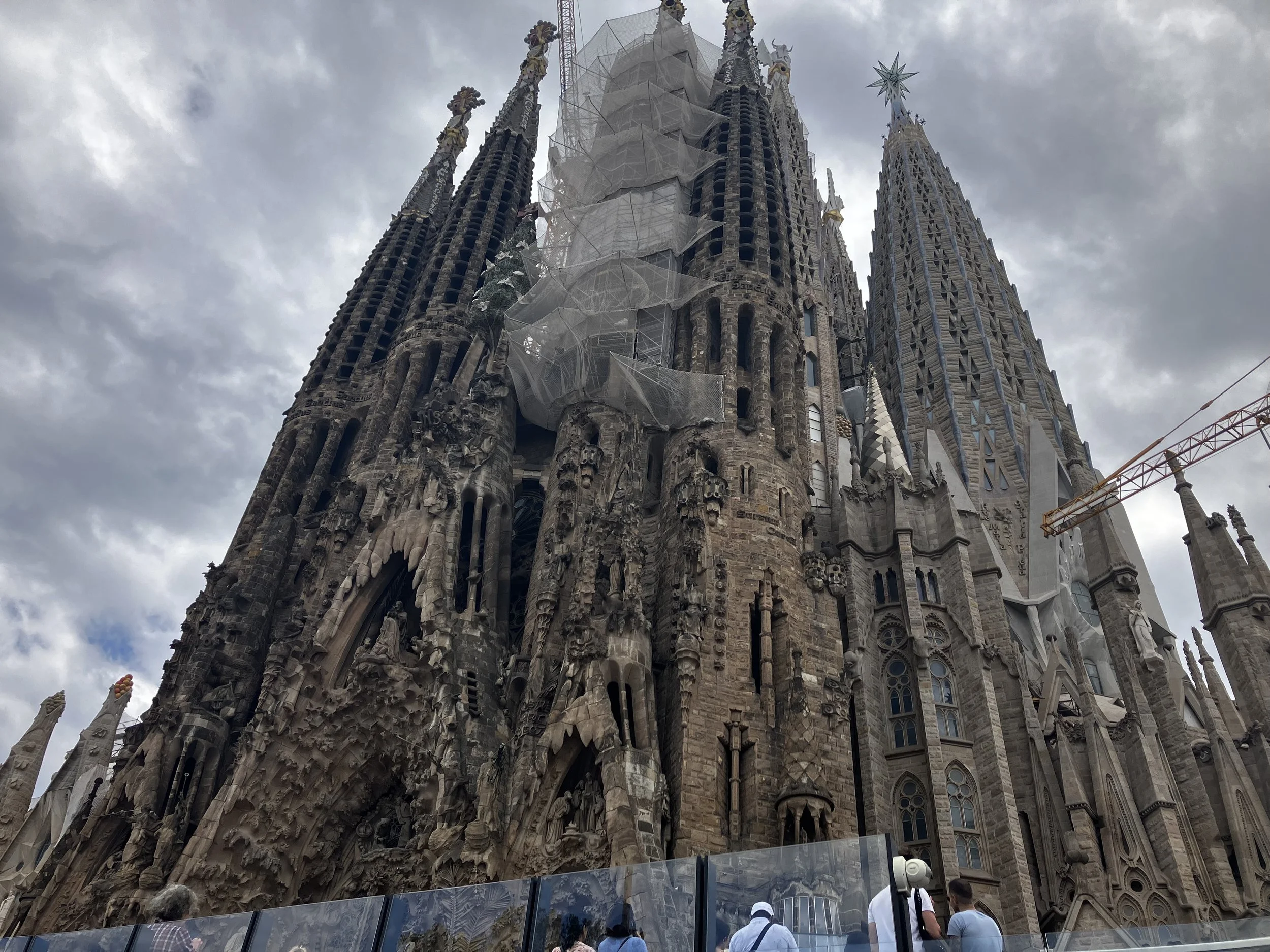
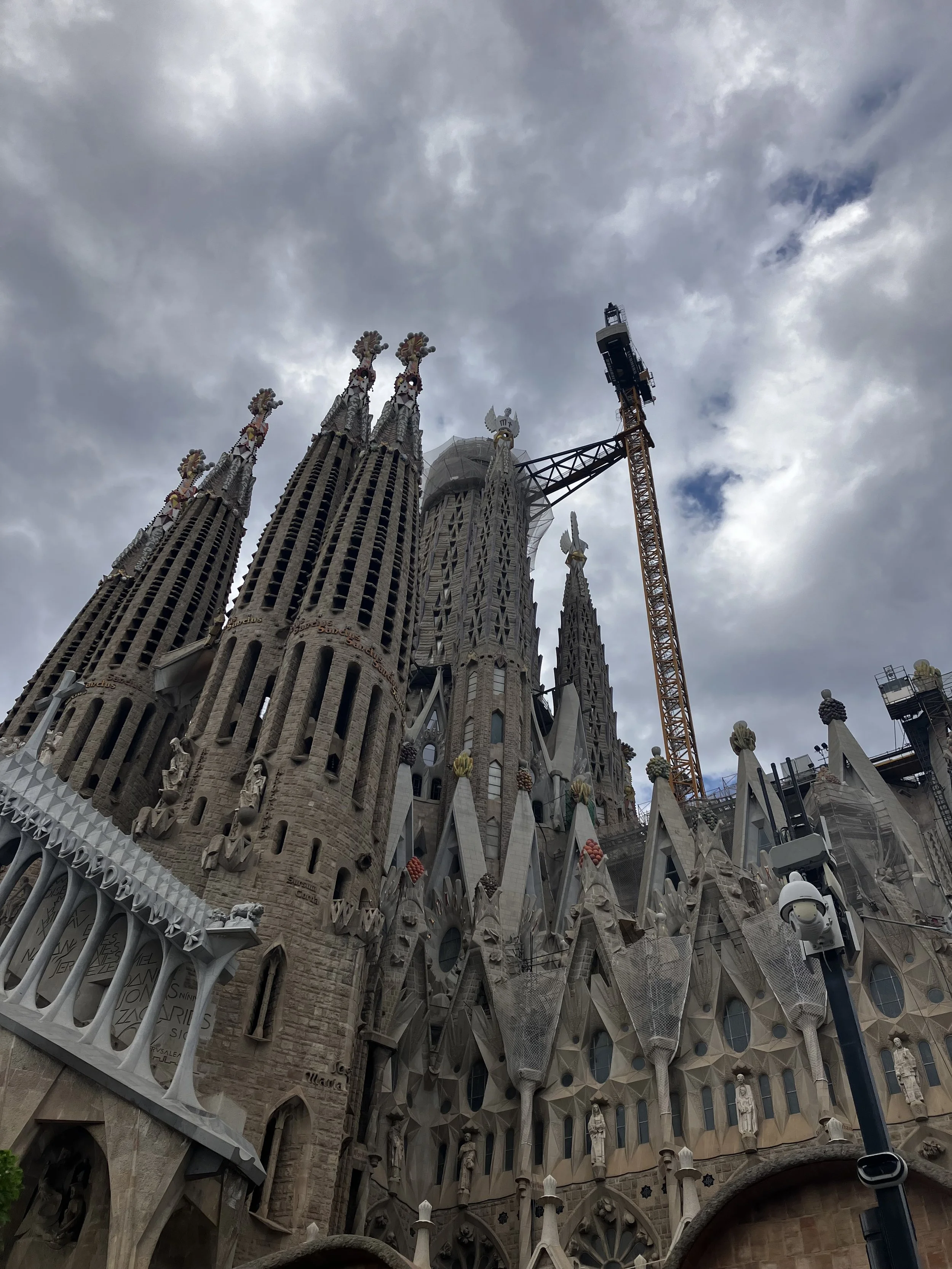
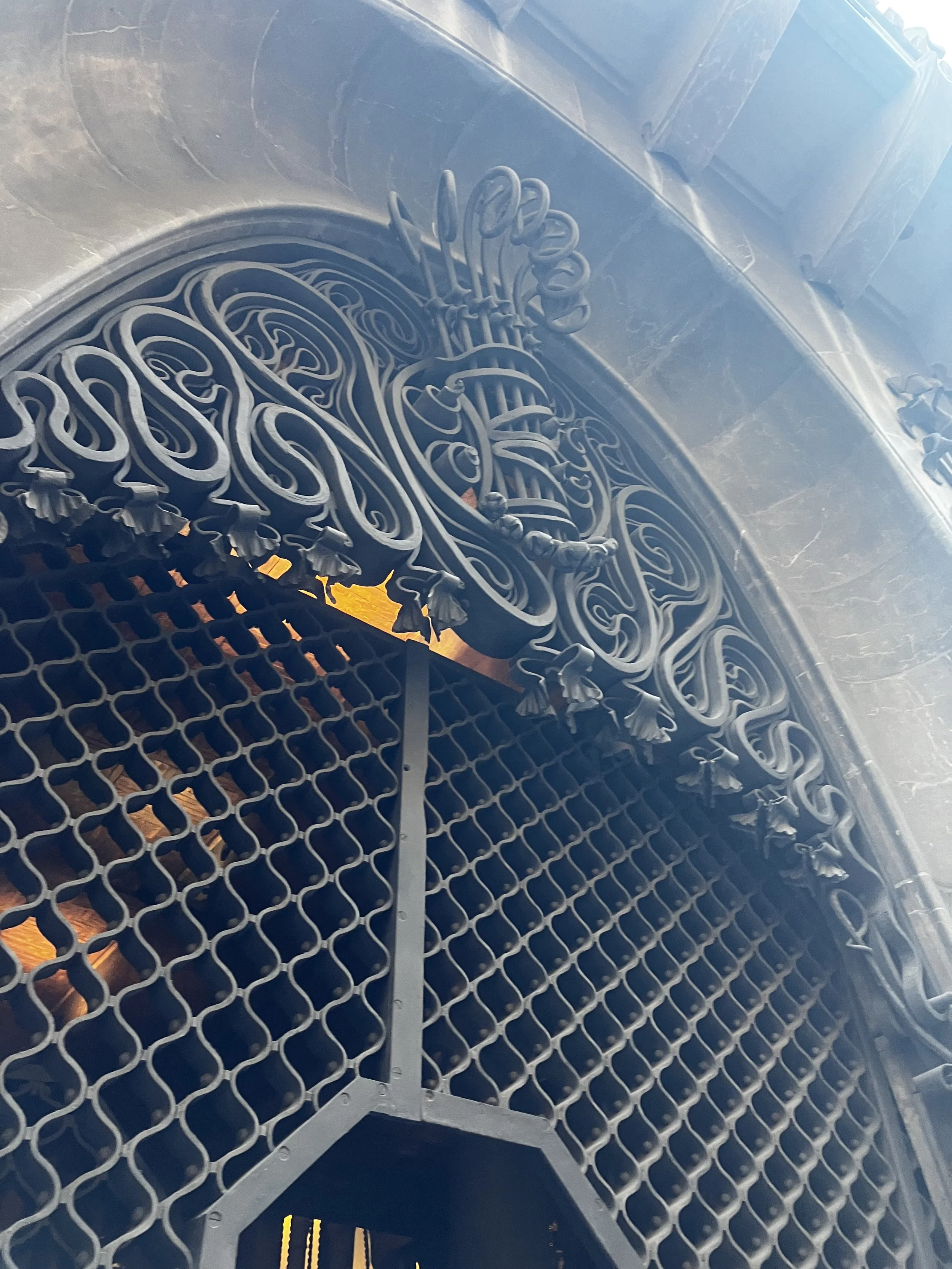
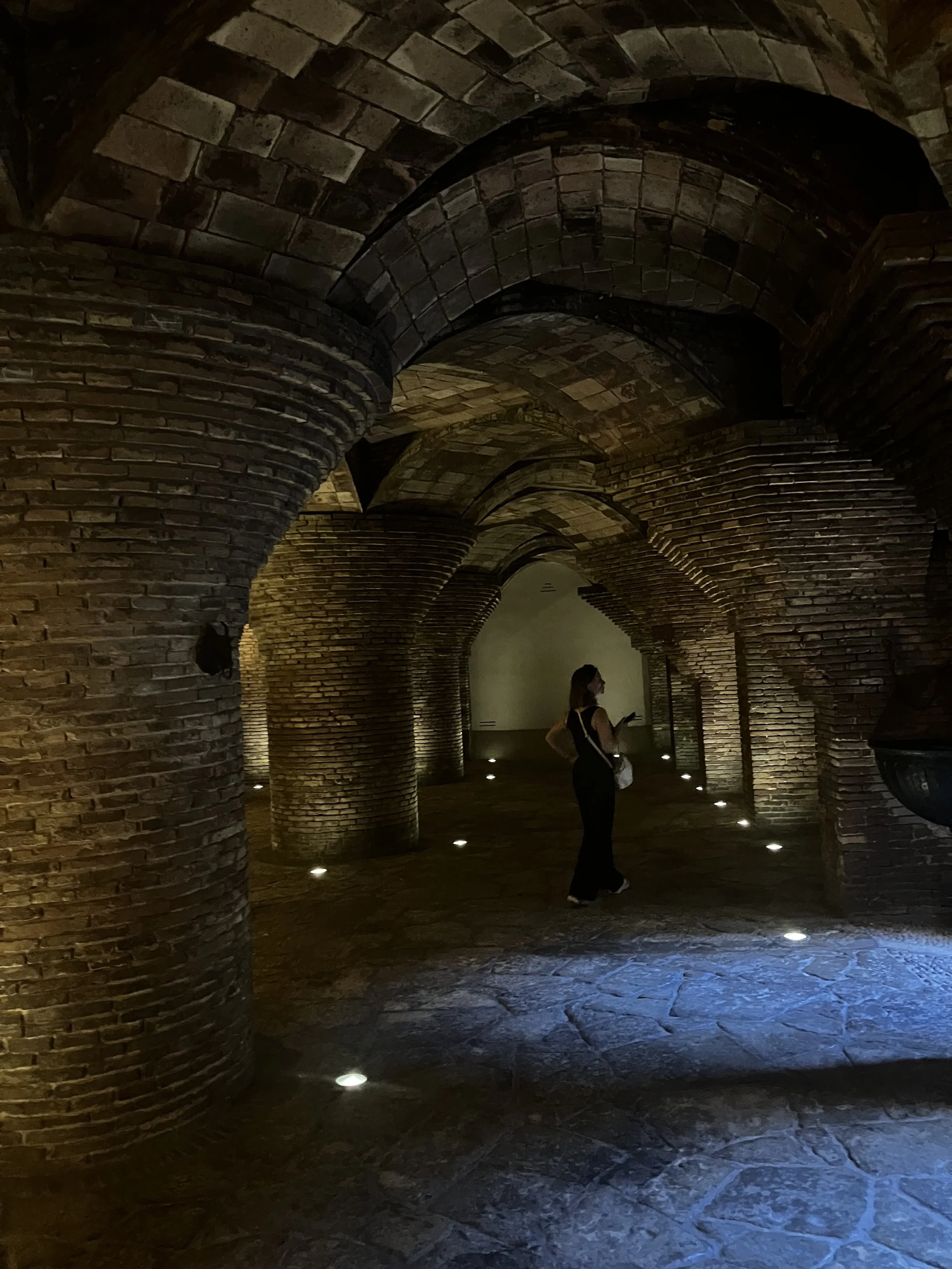
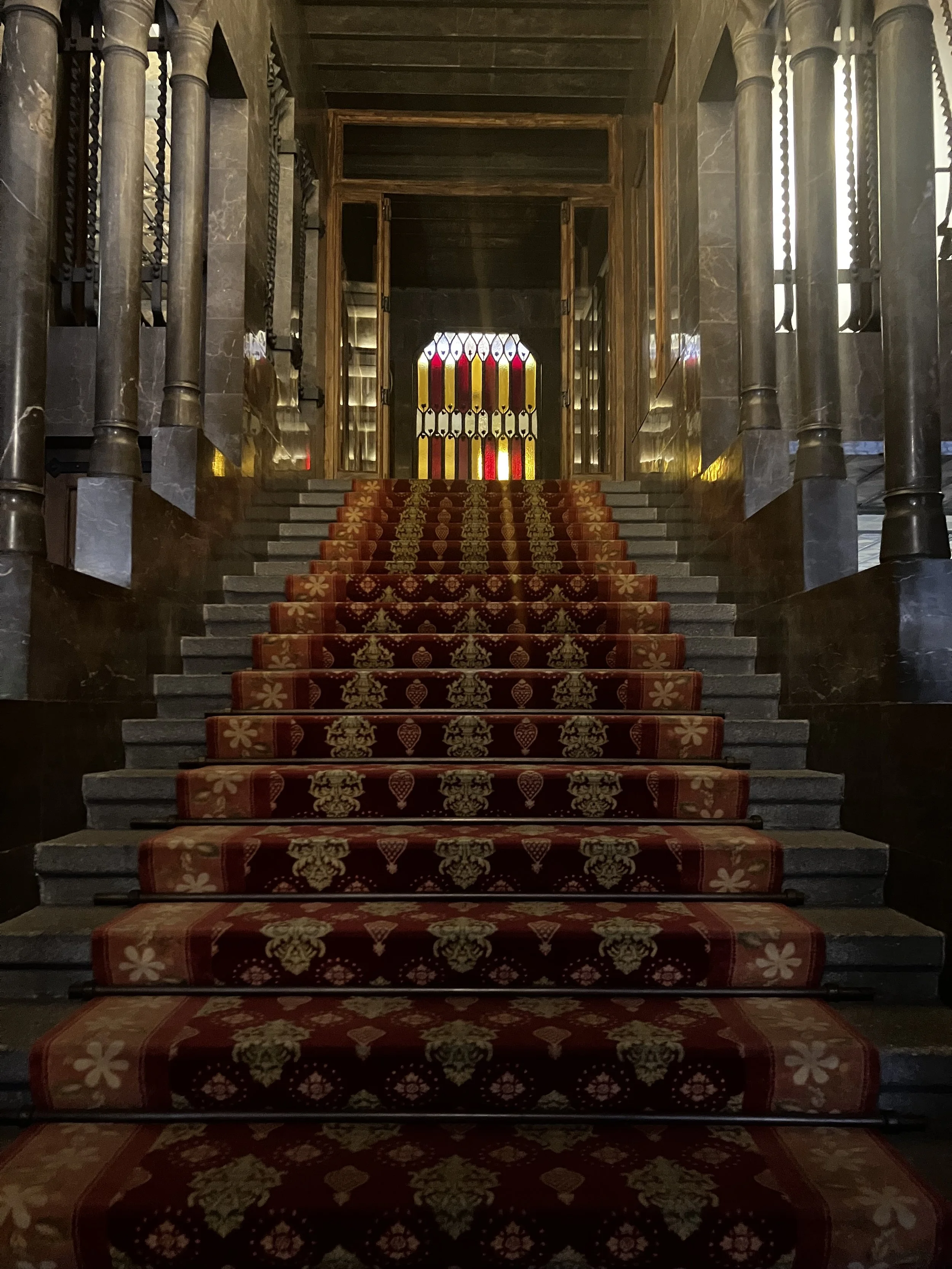
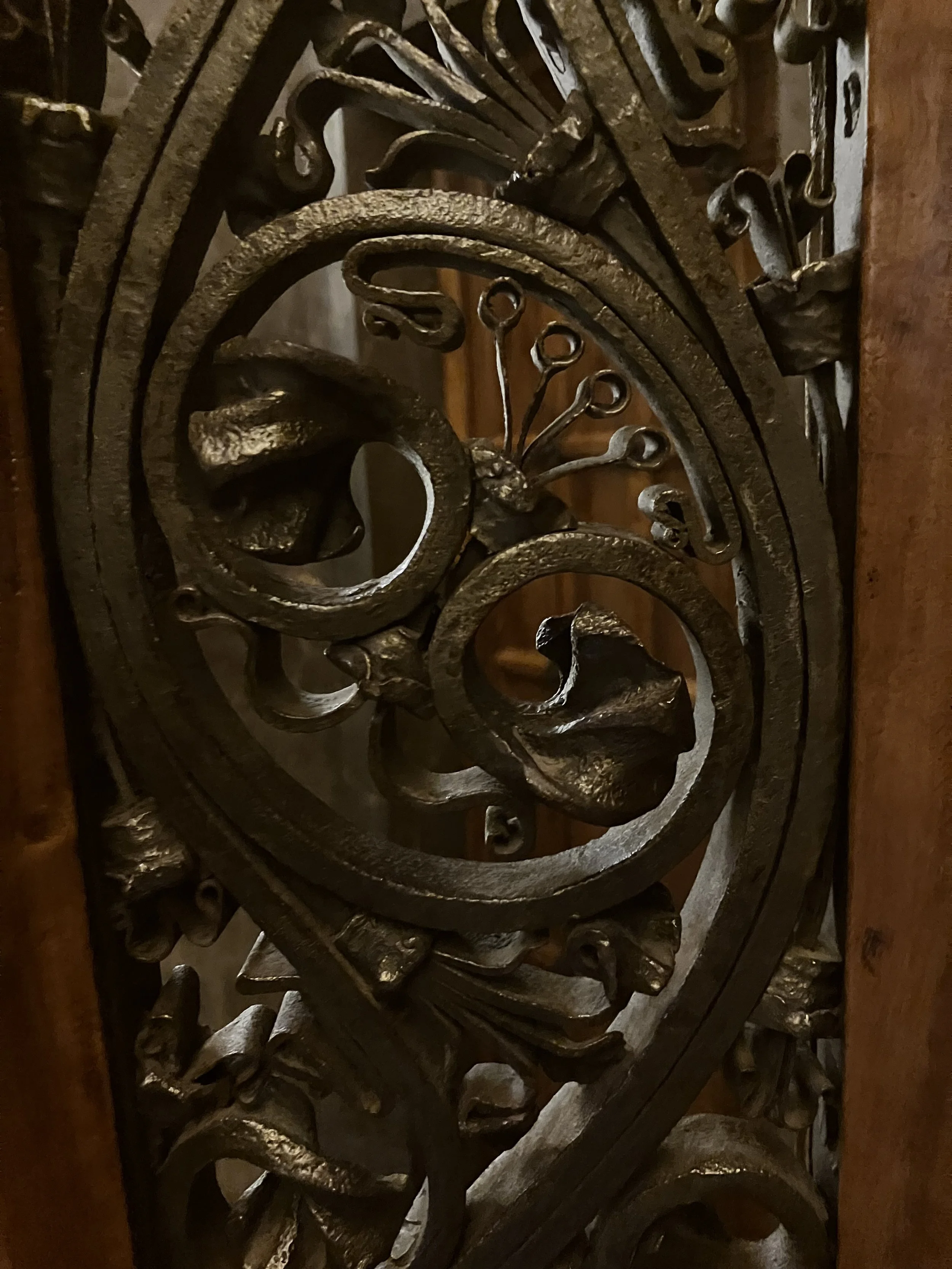
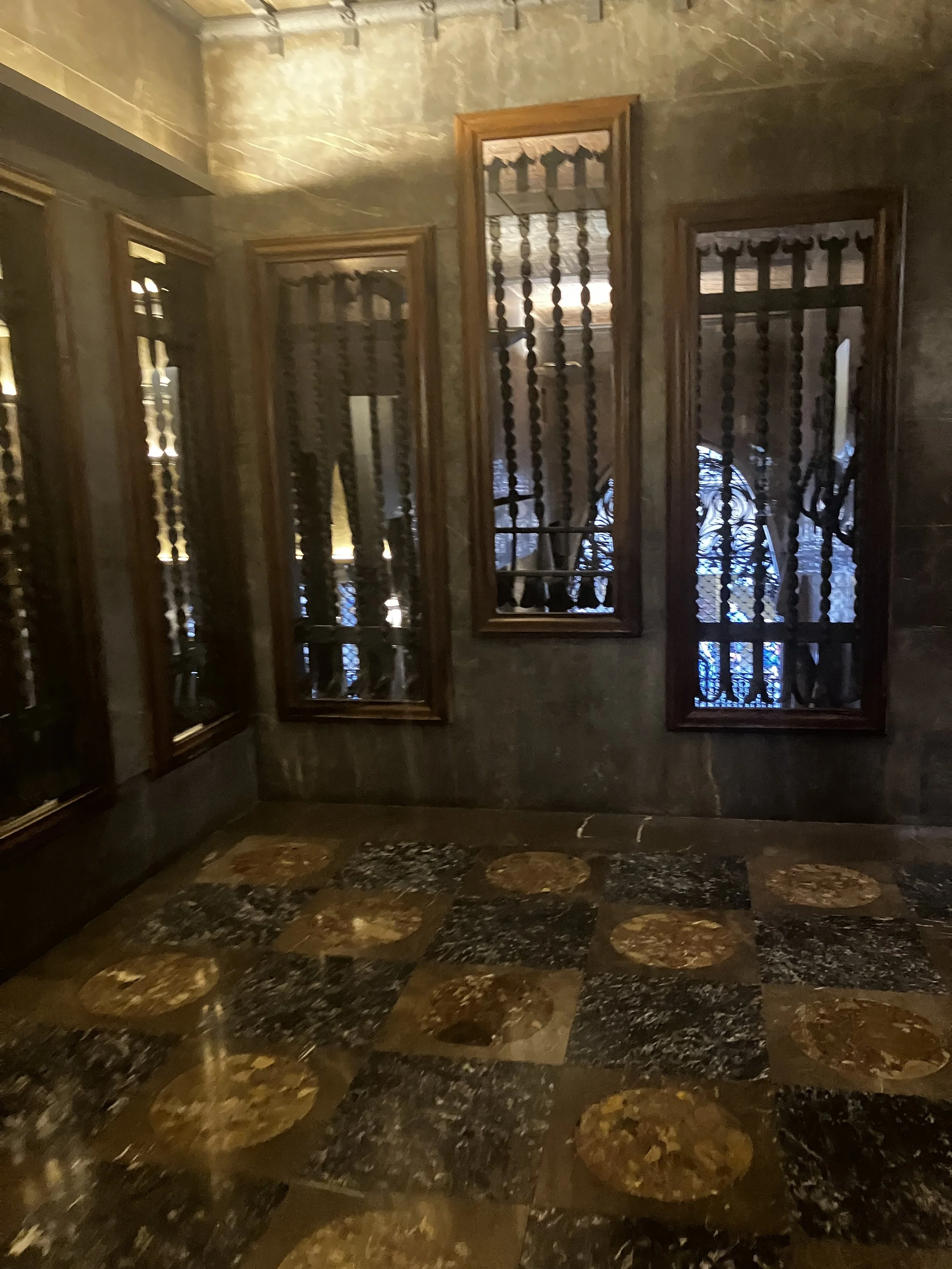
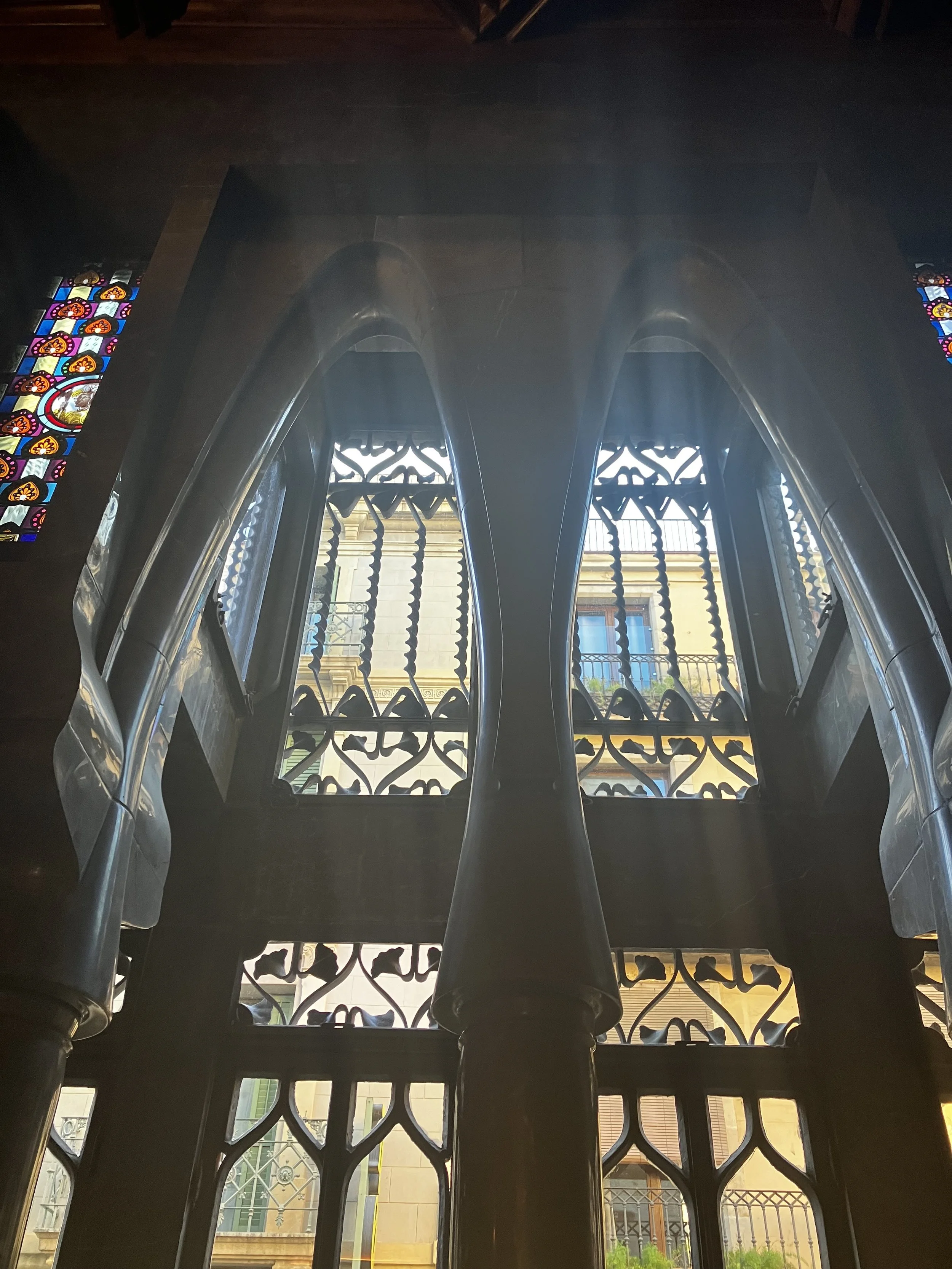
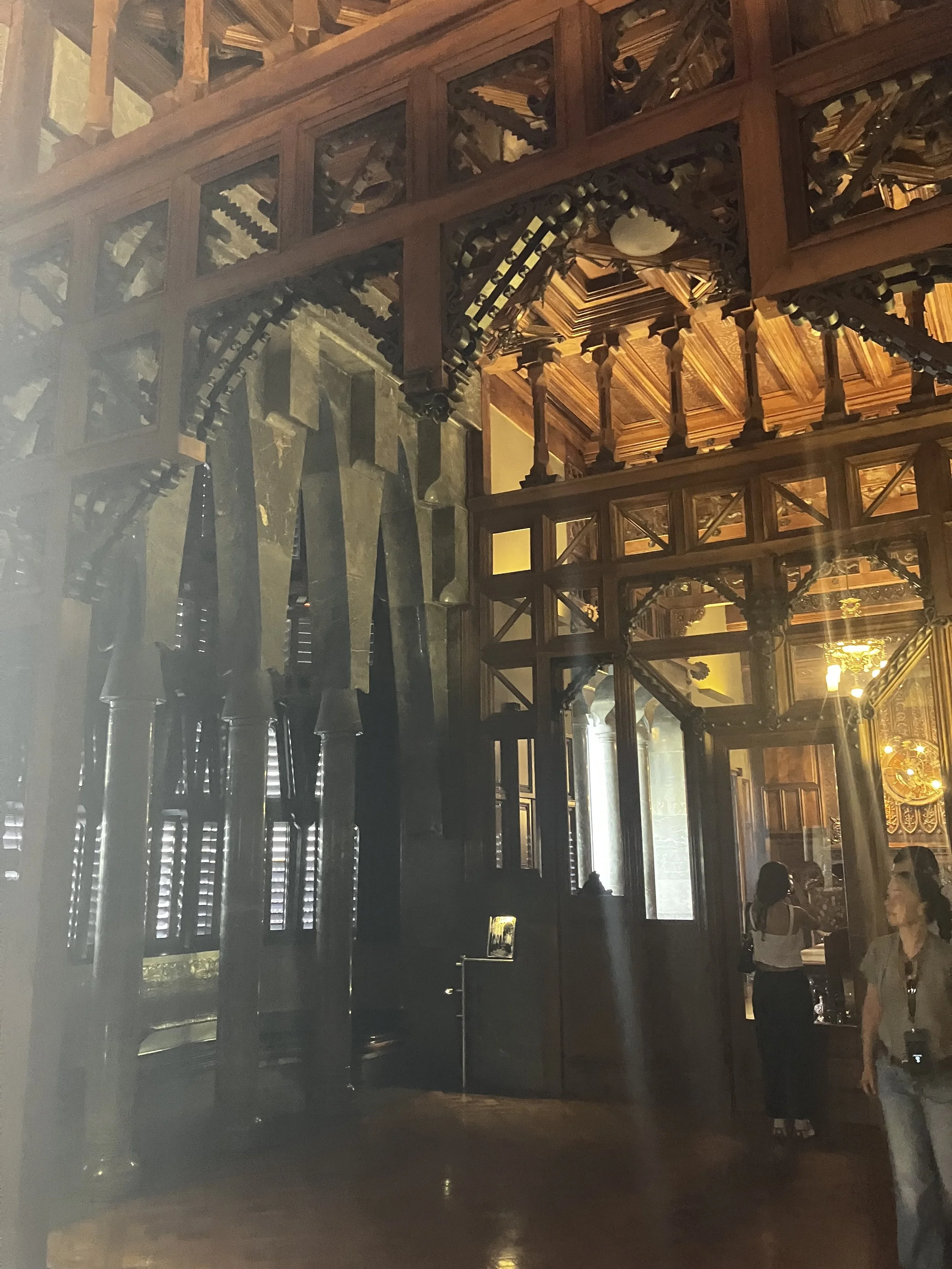
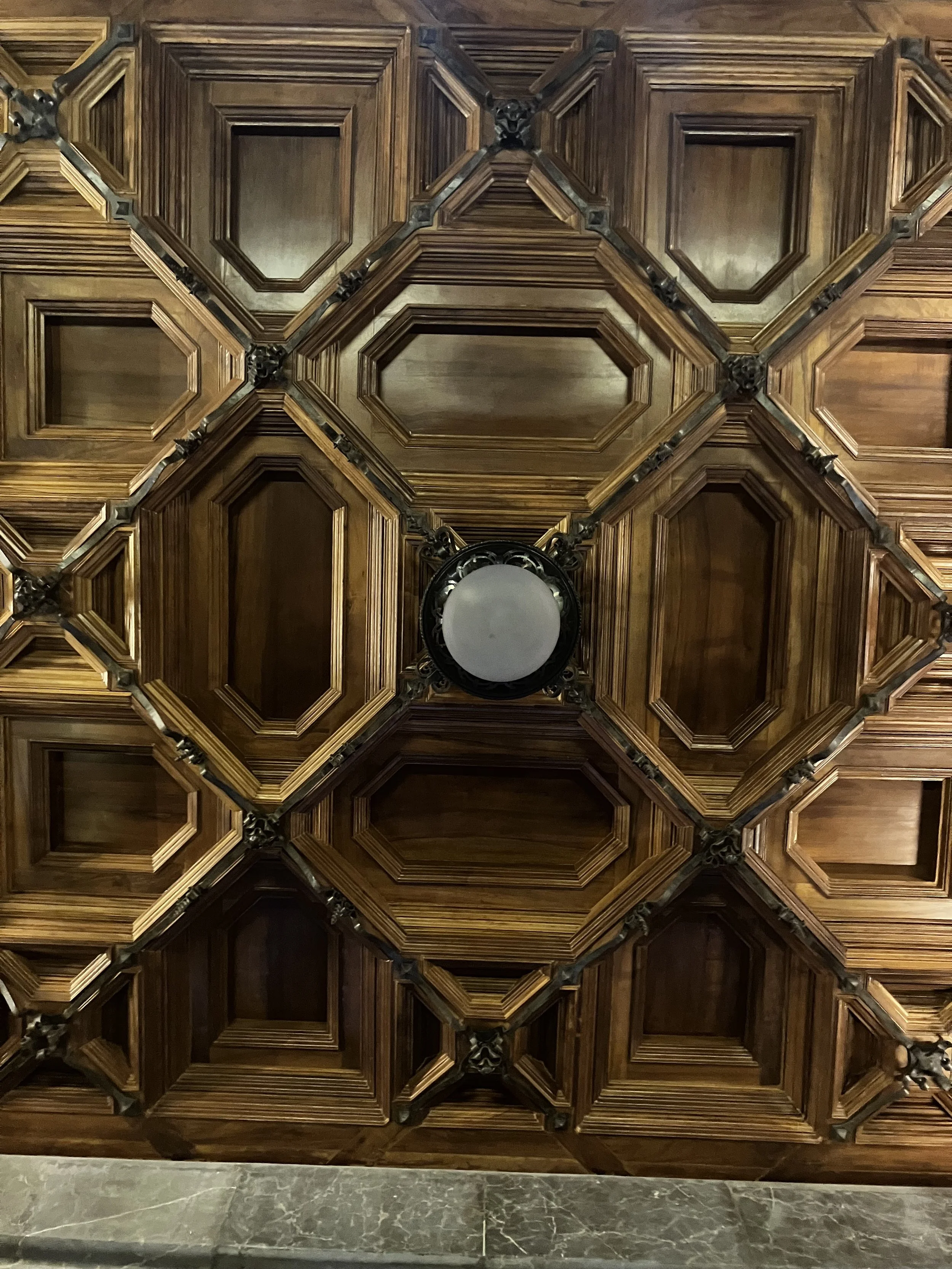
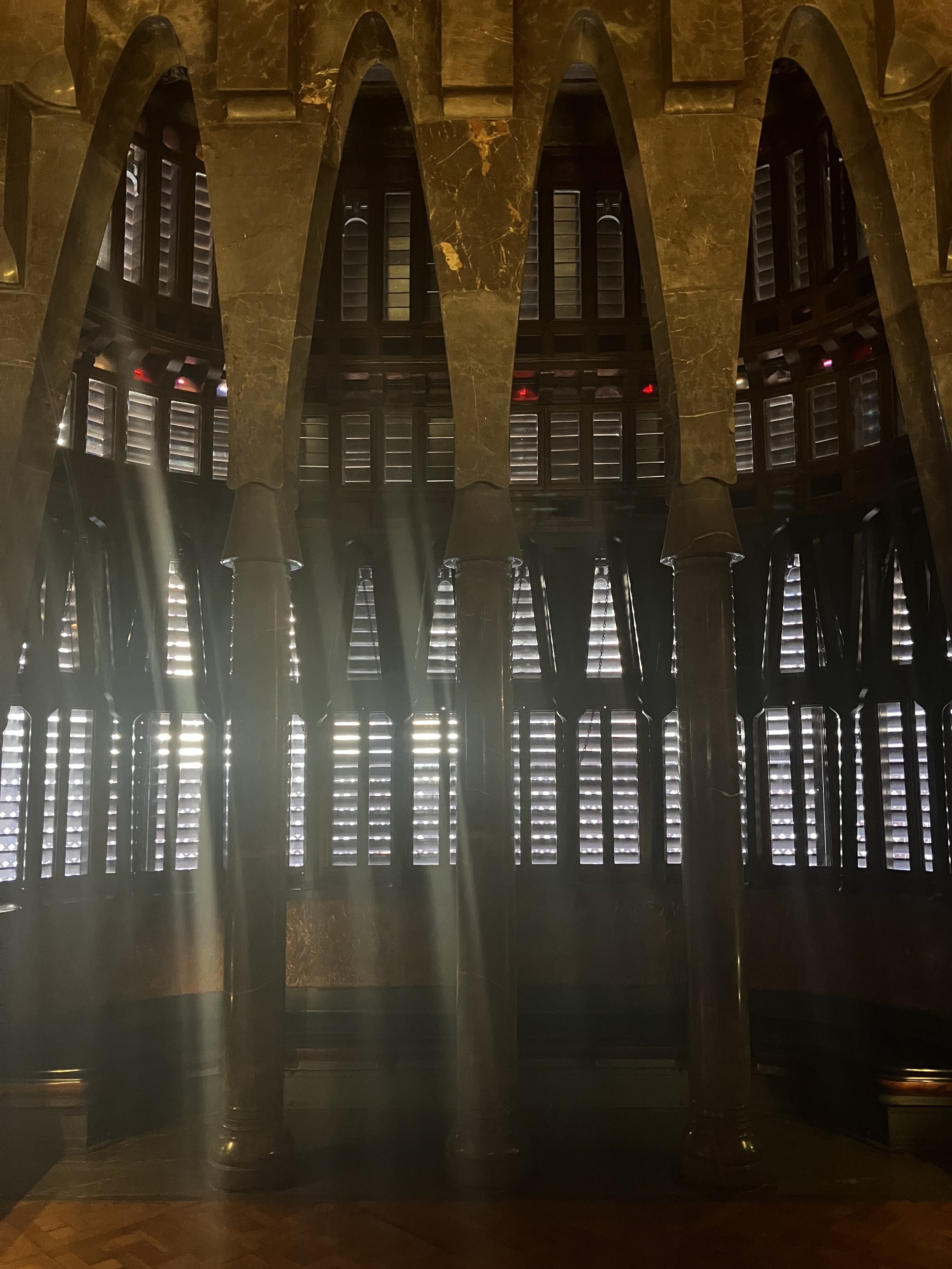
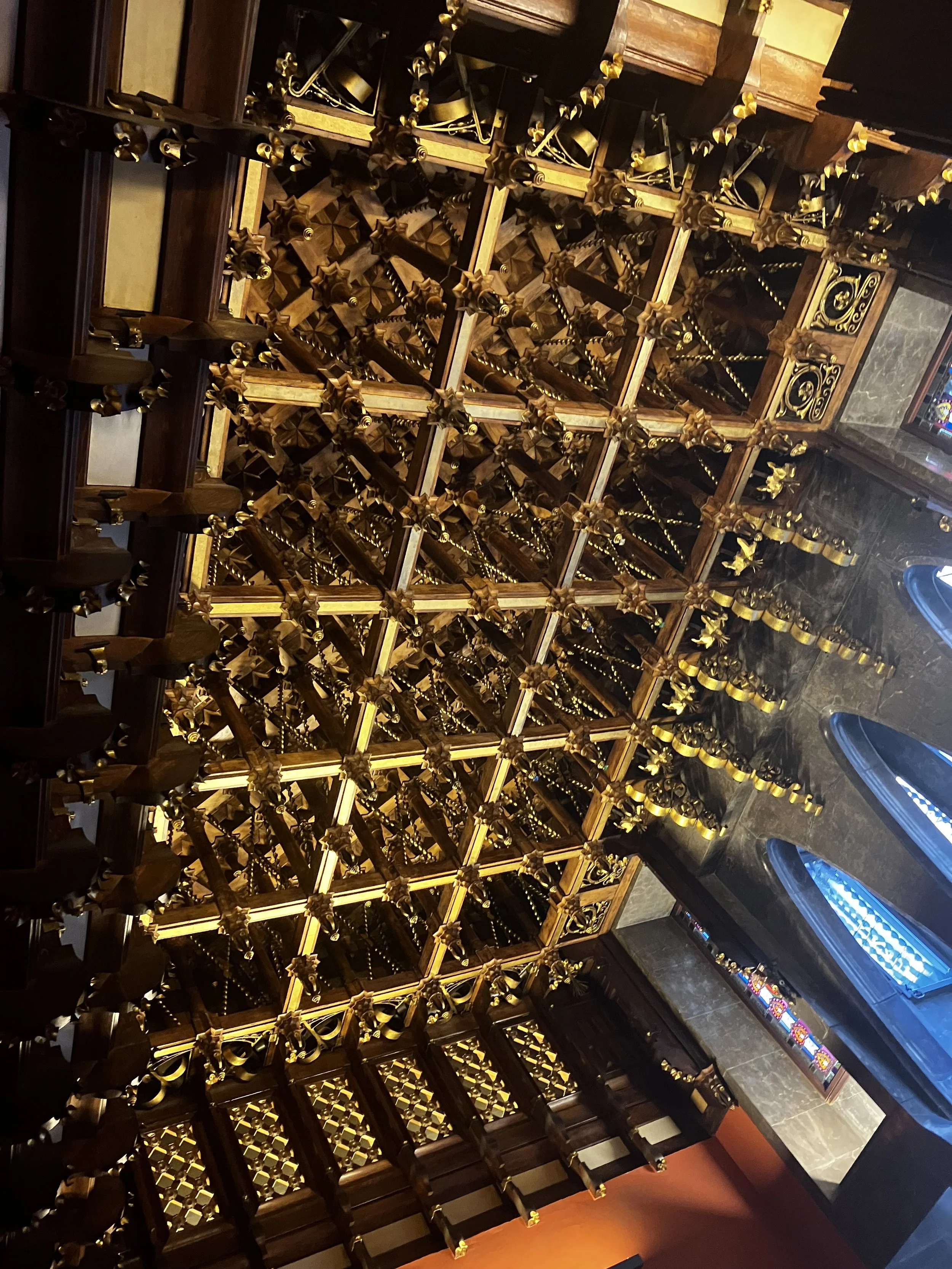
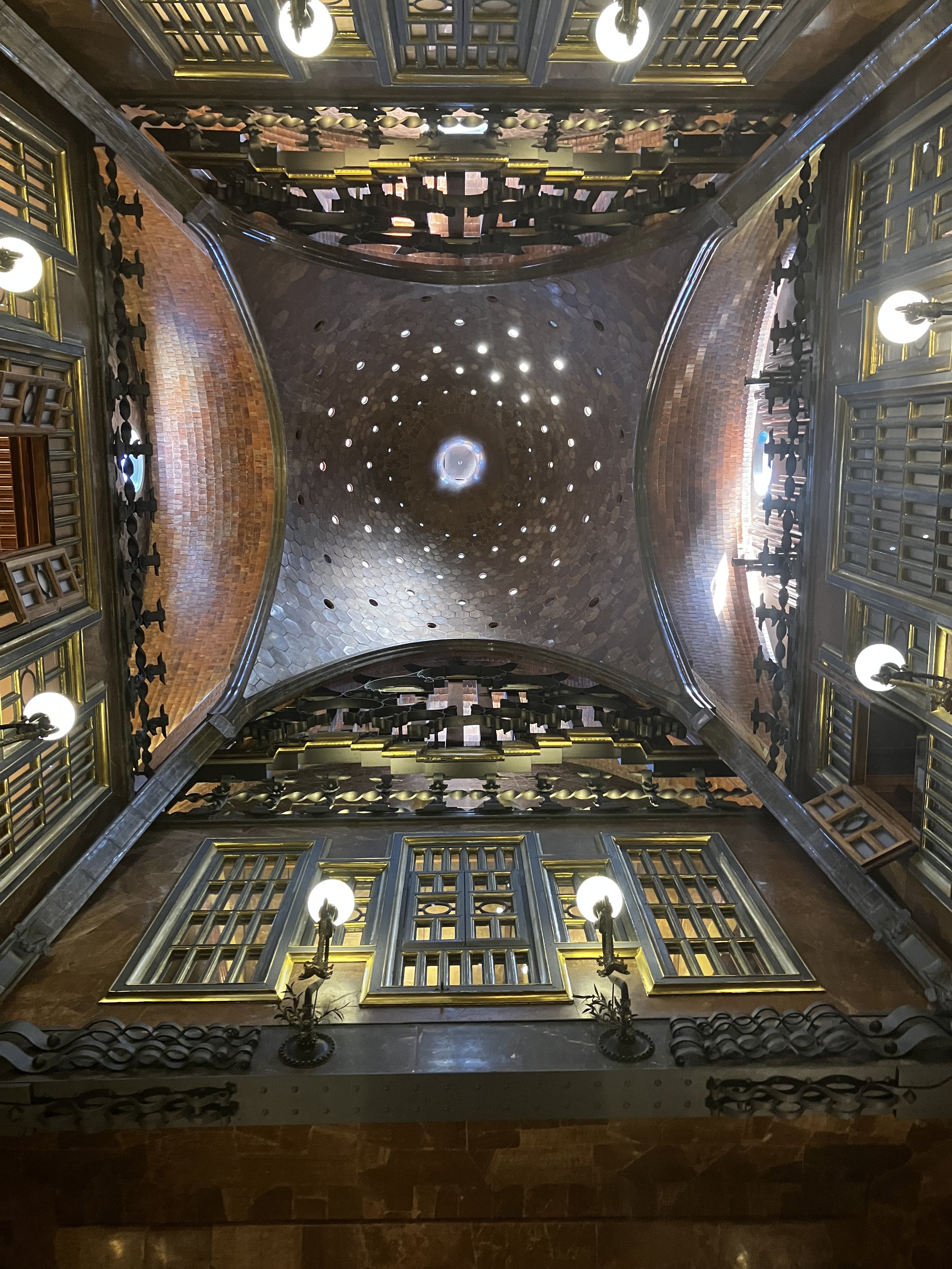
Though unable to take the official tour of La Sagrada Familia due to sold out tickets, we were still privy to the facade, an architectural feat in and of itself. This project, which Gaudi passed away while working on, is and was one of the most ambitious works of architecture in the world, having been under construction for nearly a century and a half, and was nearing “completion” while we were there. Each angle of the building is different and I cannot wait to get a closer look at it in time. We went across town to the Palau Guell, a residence made for Guell that maintained the whimsy that Gaudi was known for, with wrought iron elements and concrete twists throughout. Intricate Wood and Stonework were combined and even made features like the underground horse stable a sight to see. This trip reinvigorated my senses and let me know the possibilities creativity unlocks.